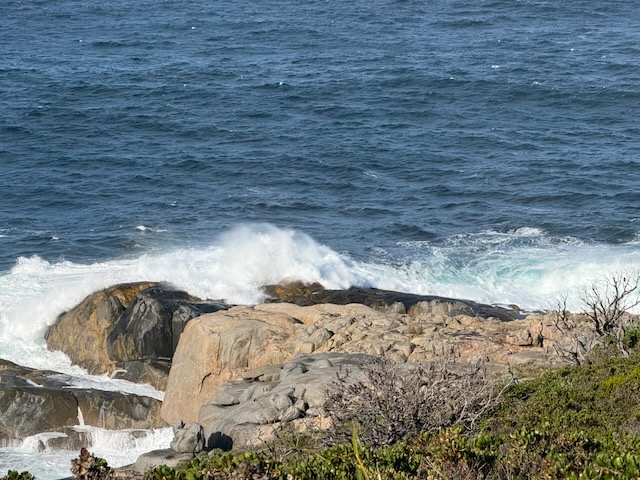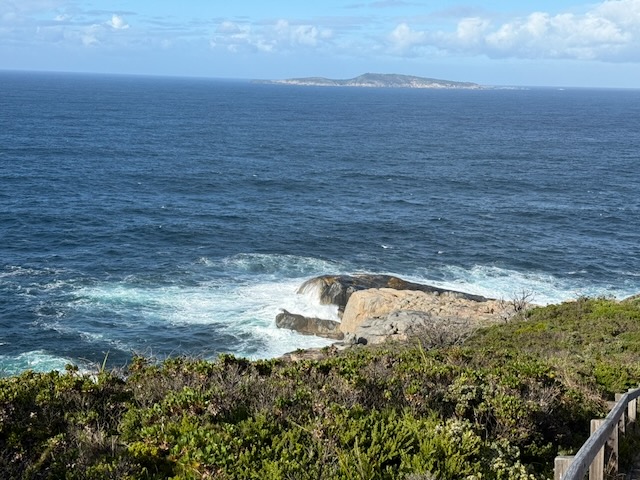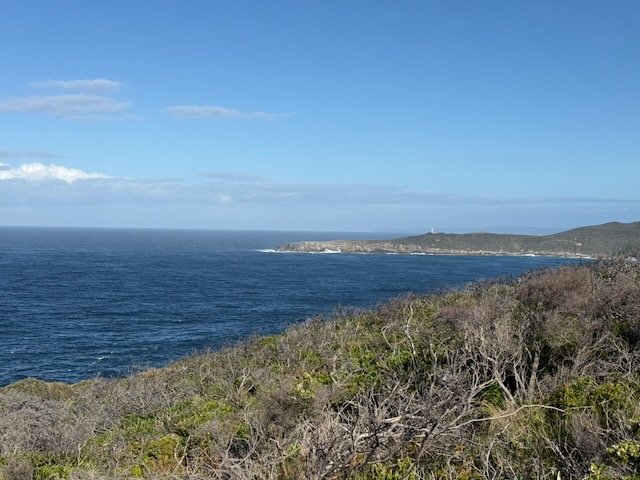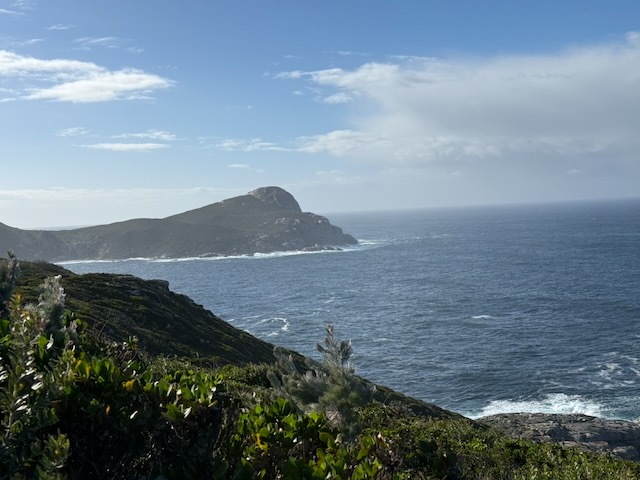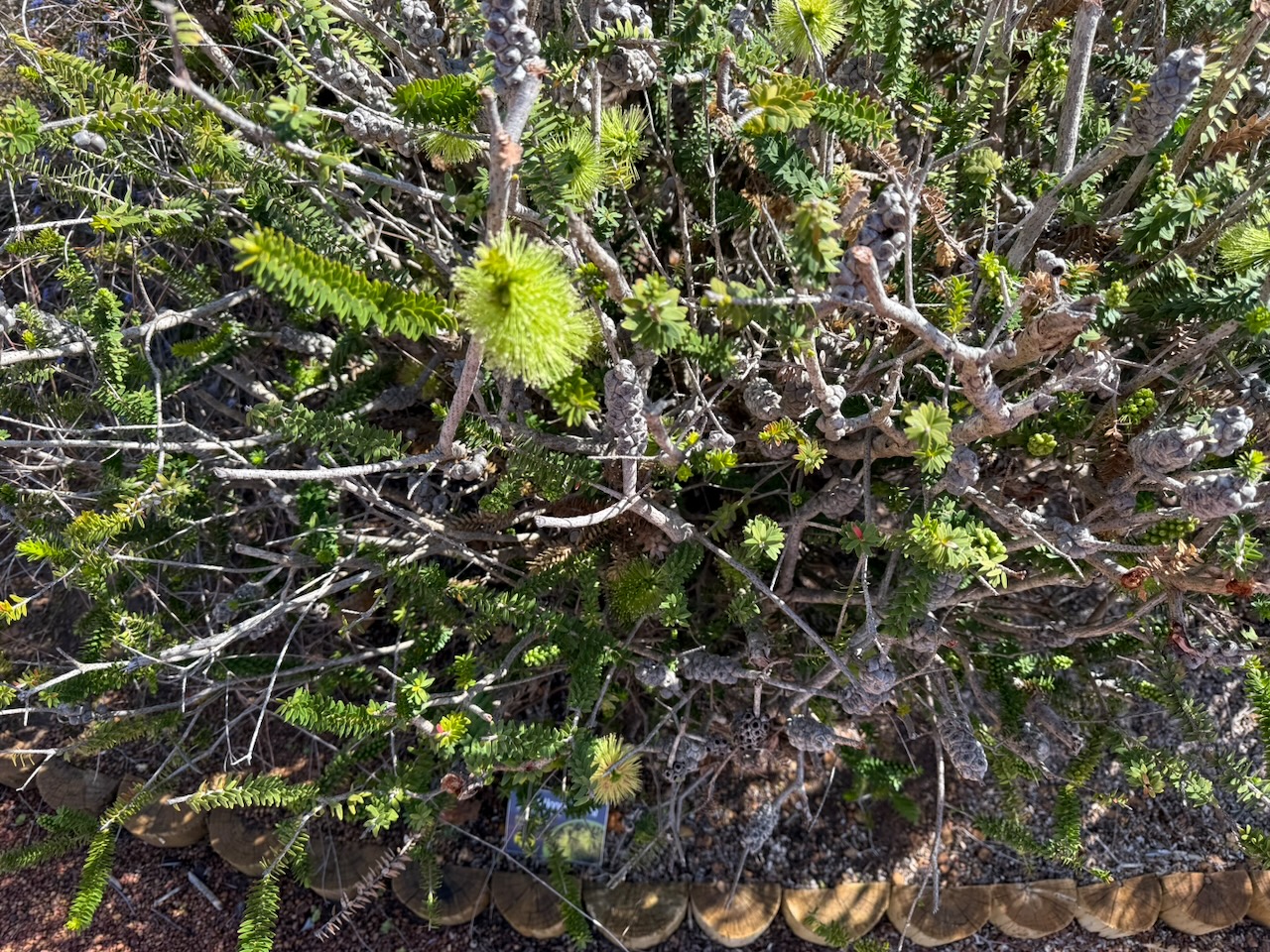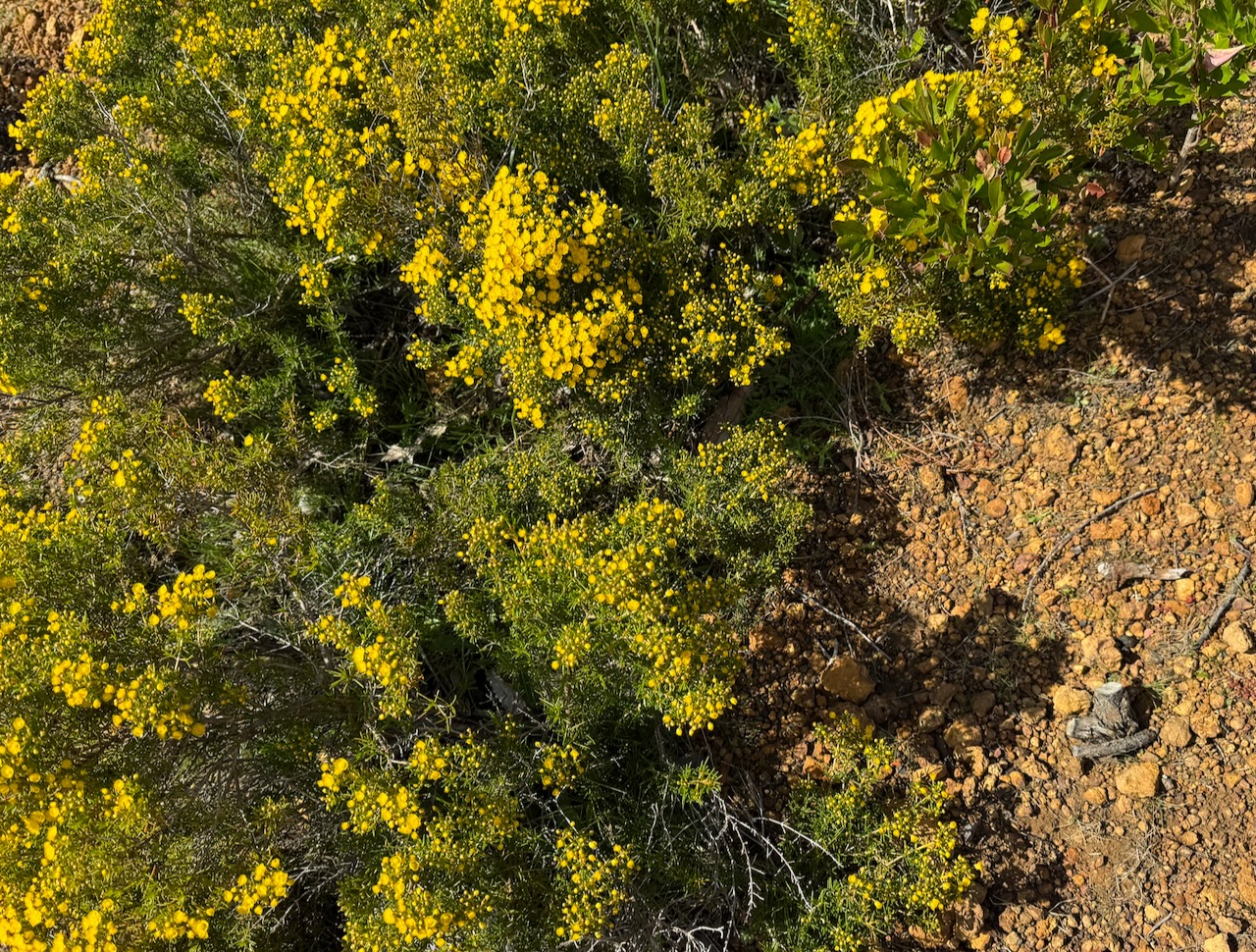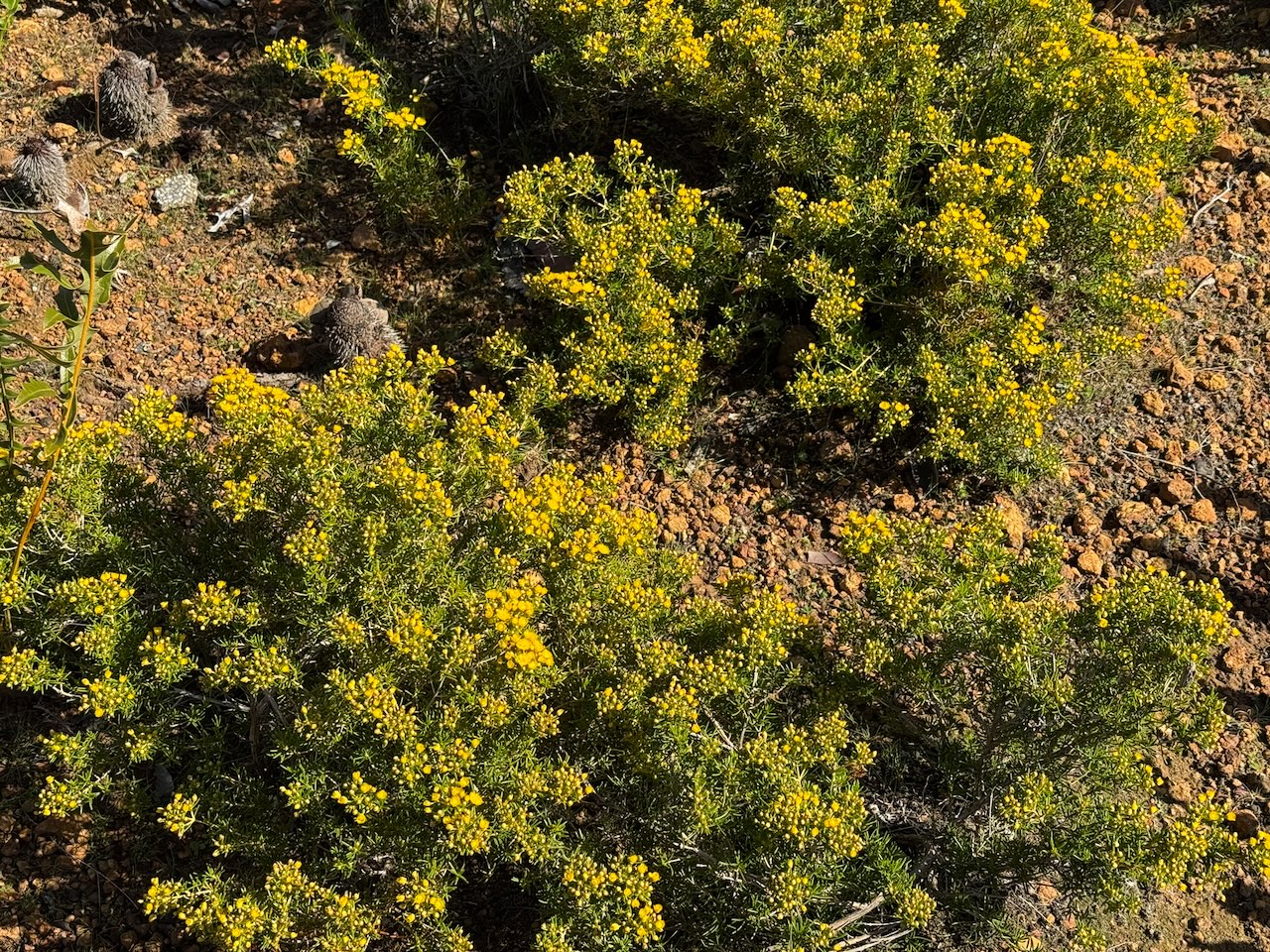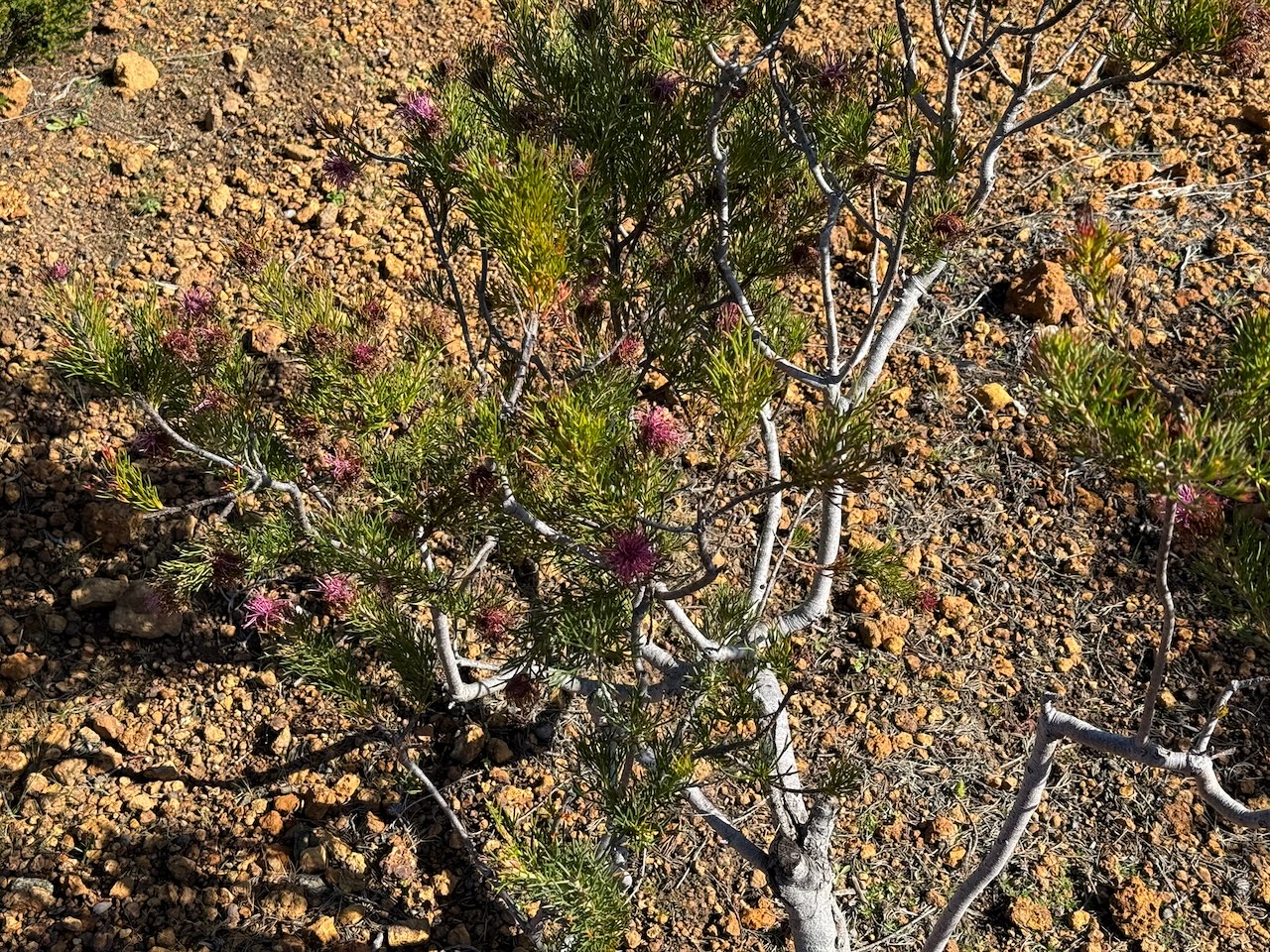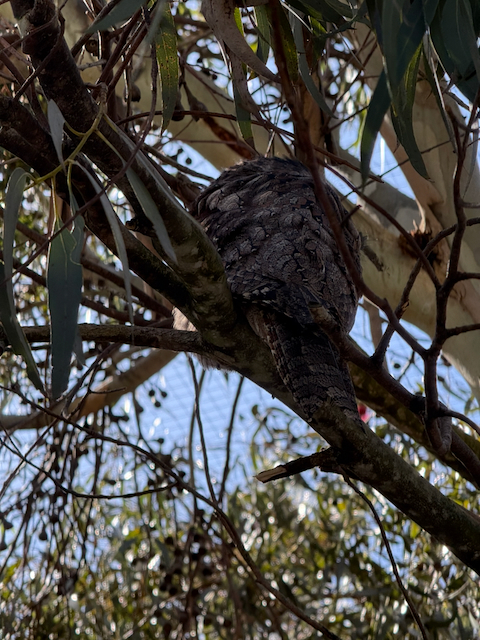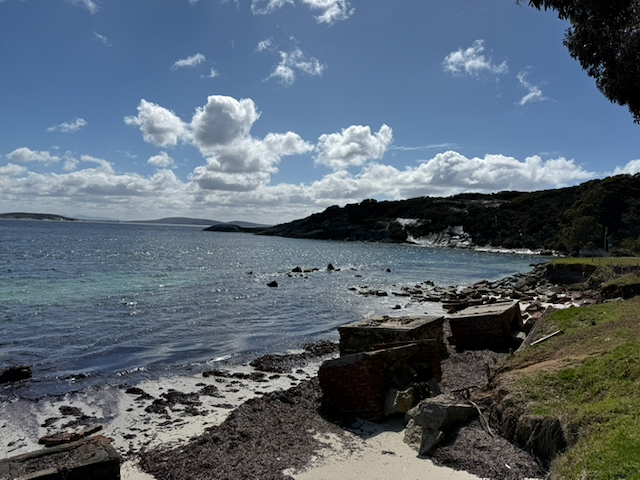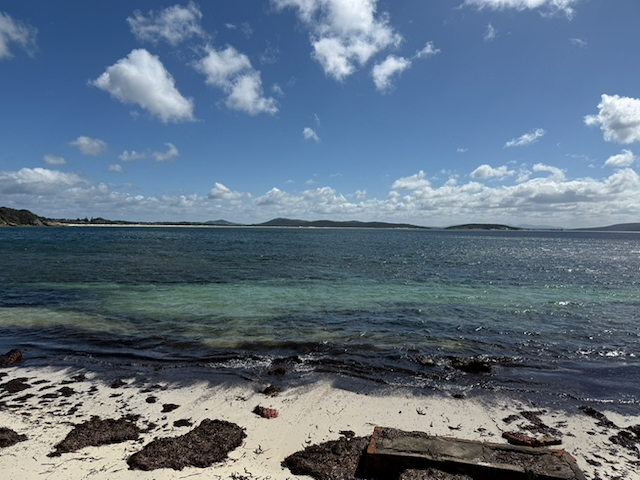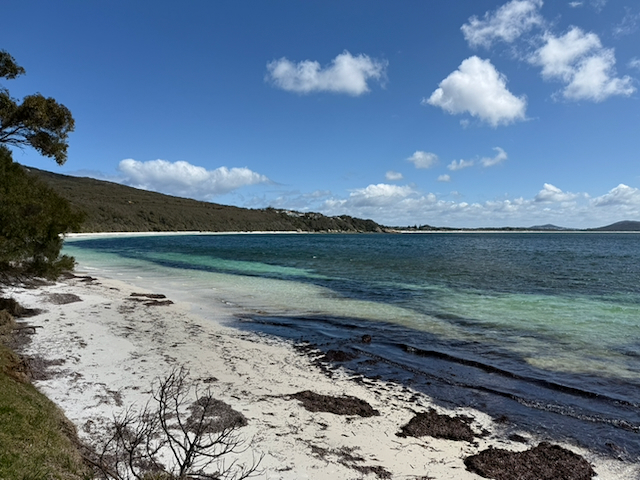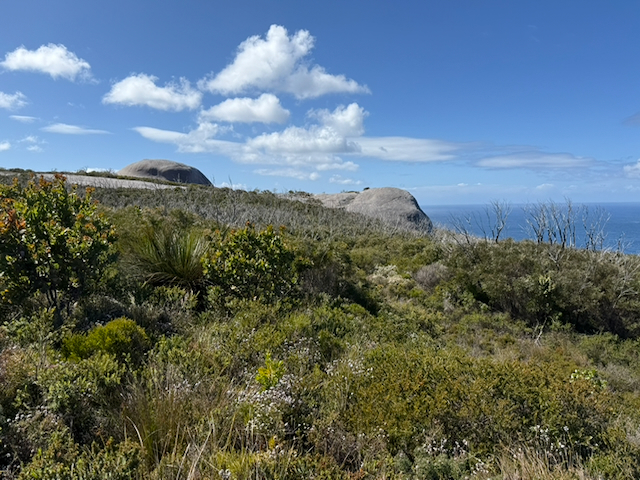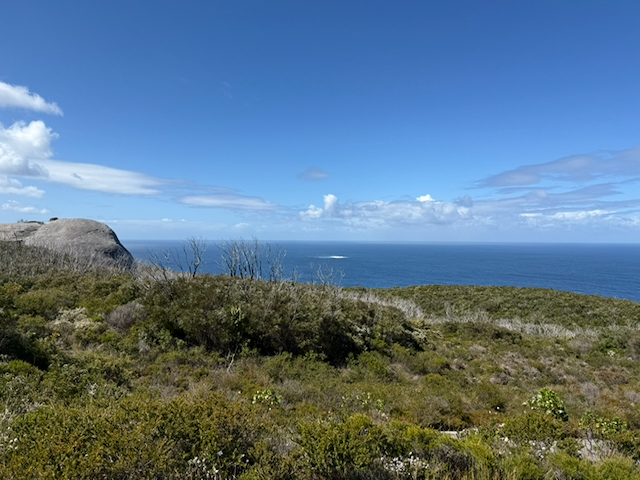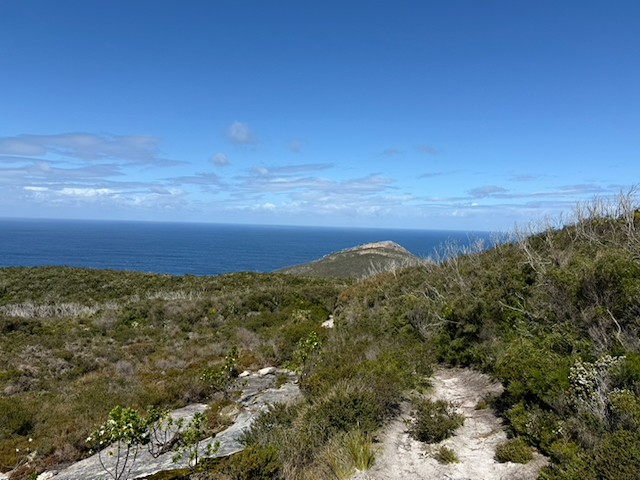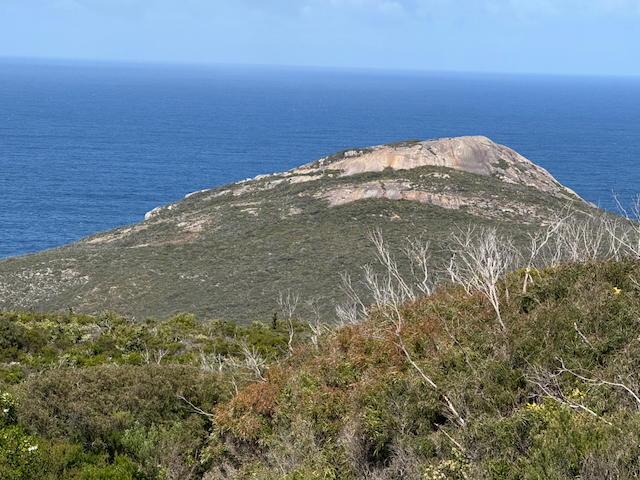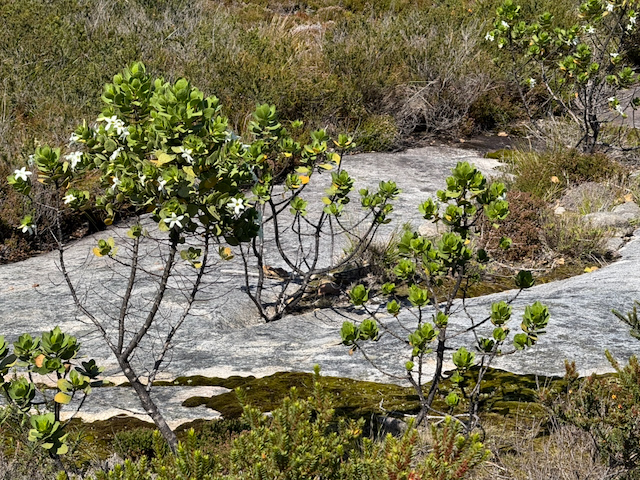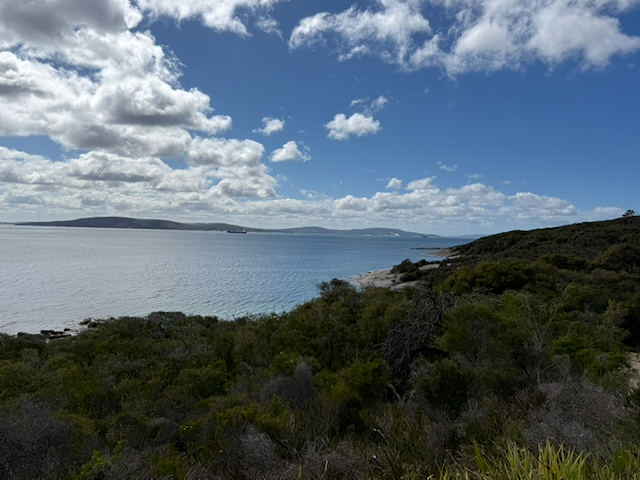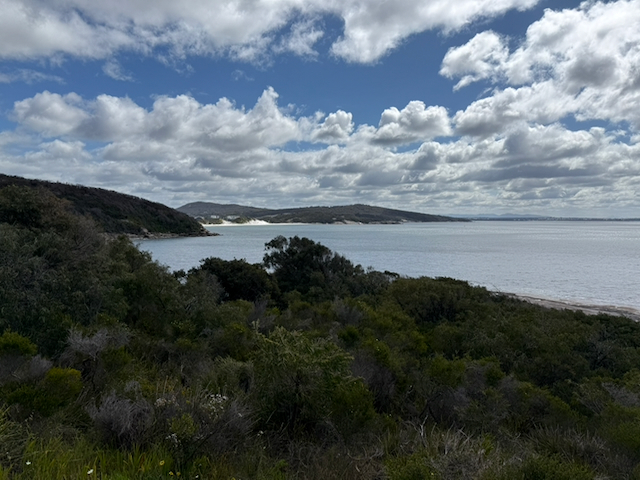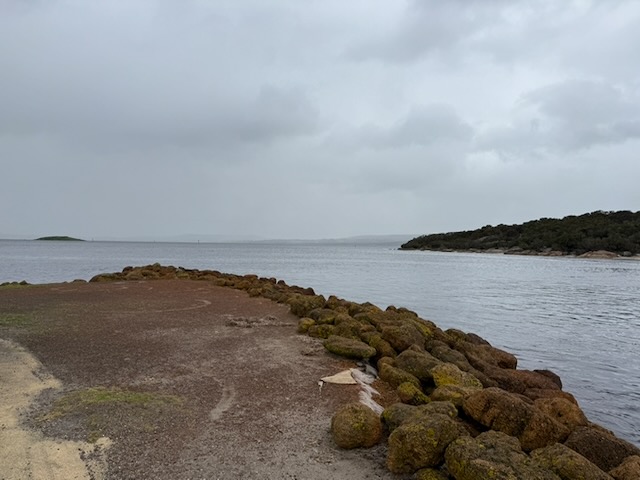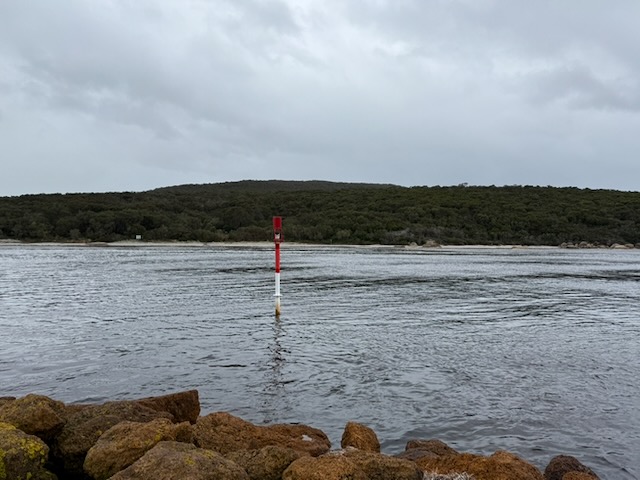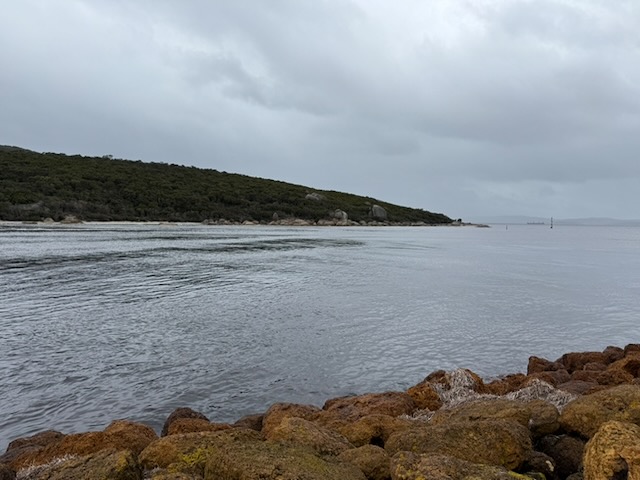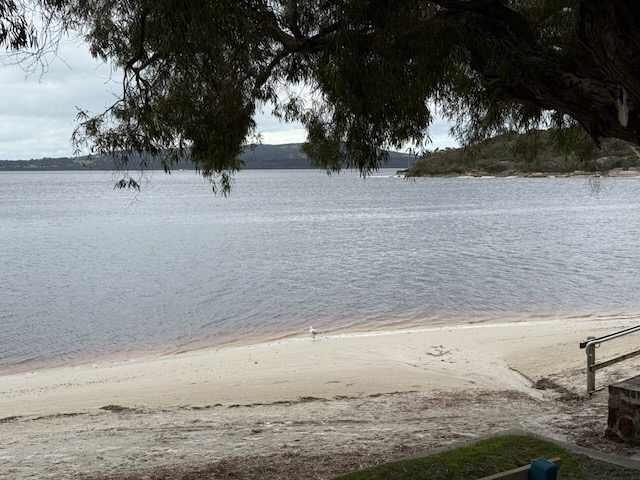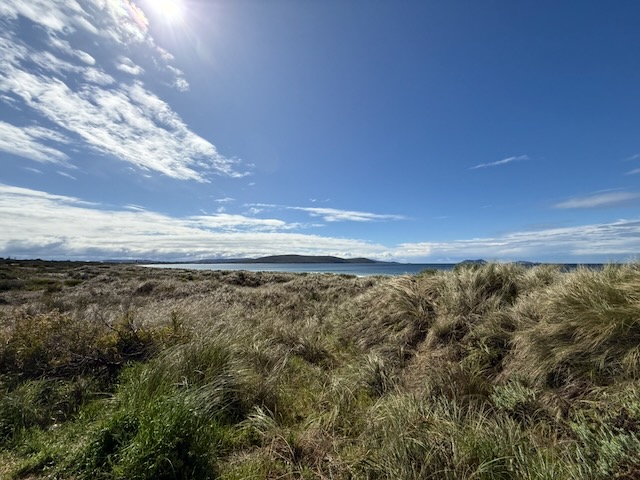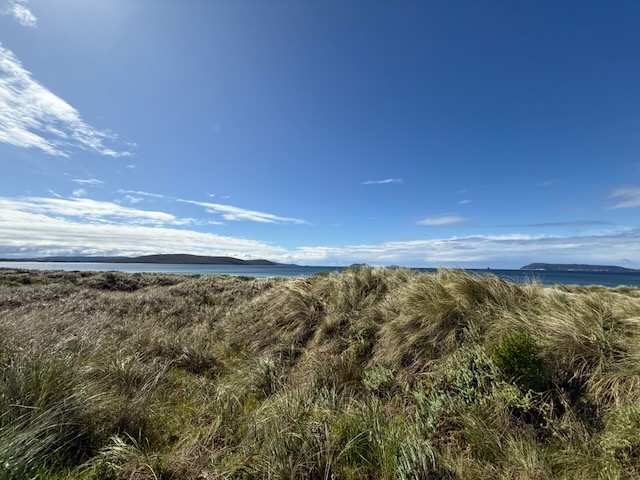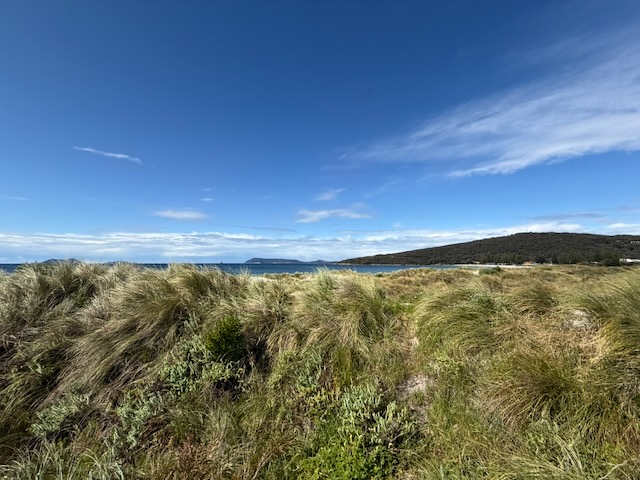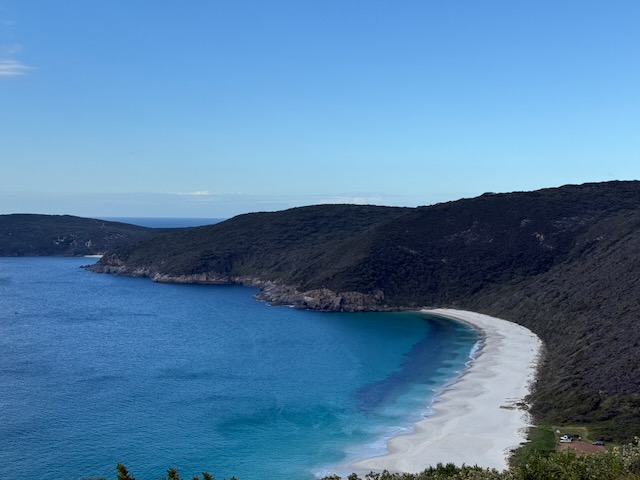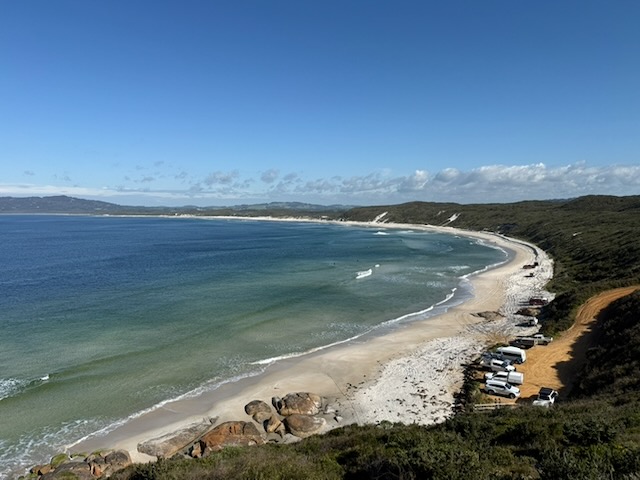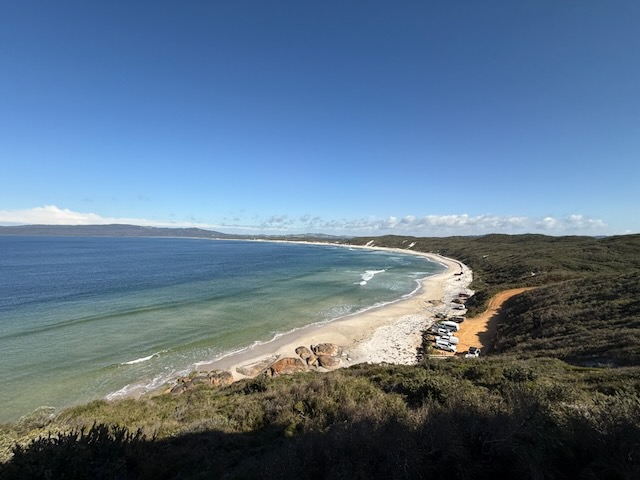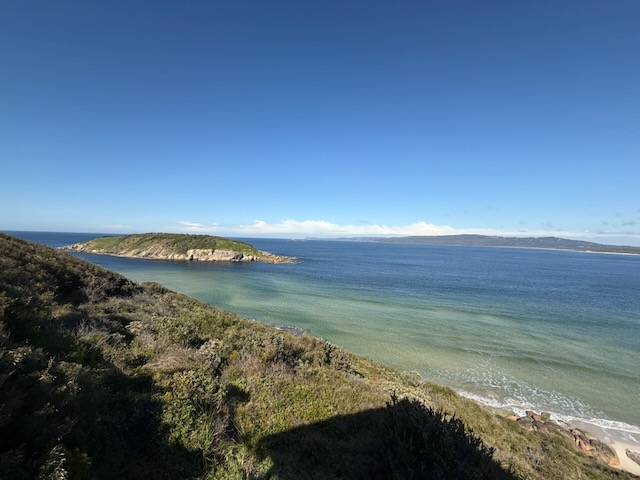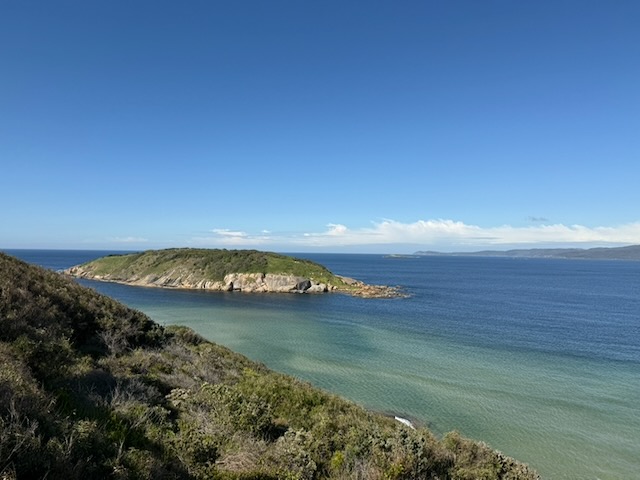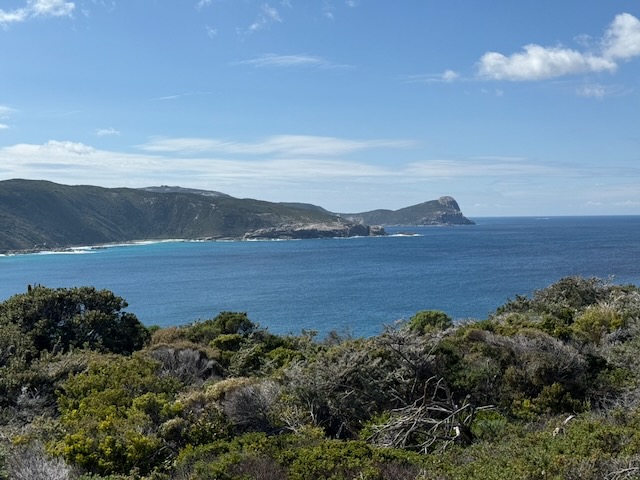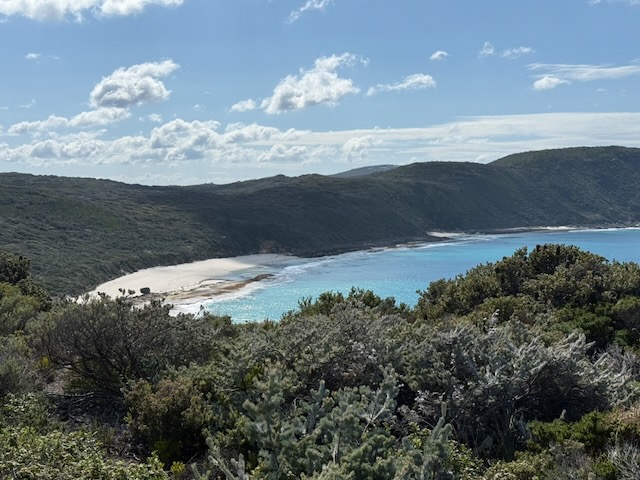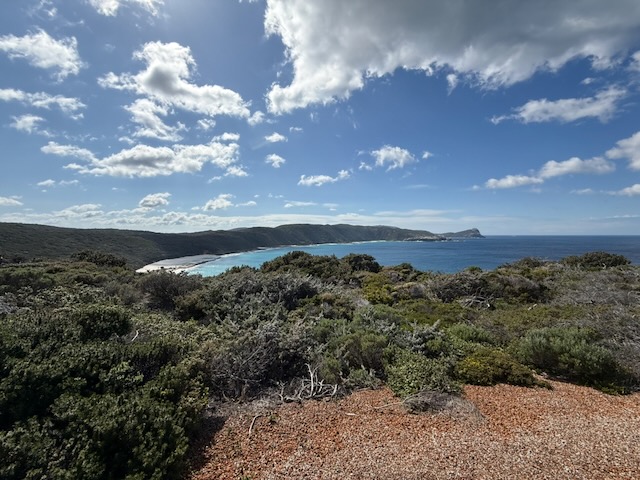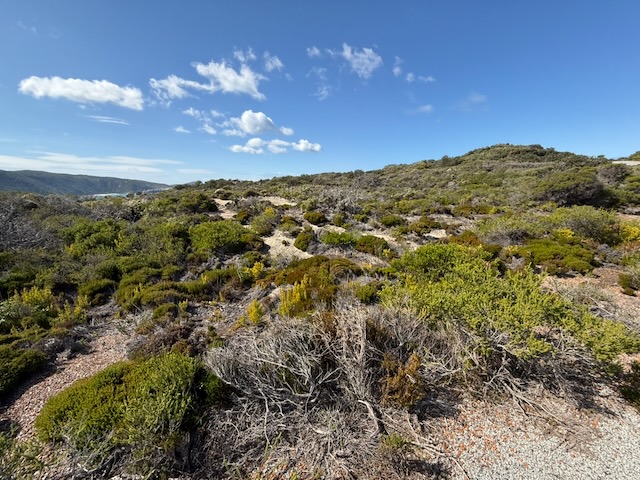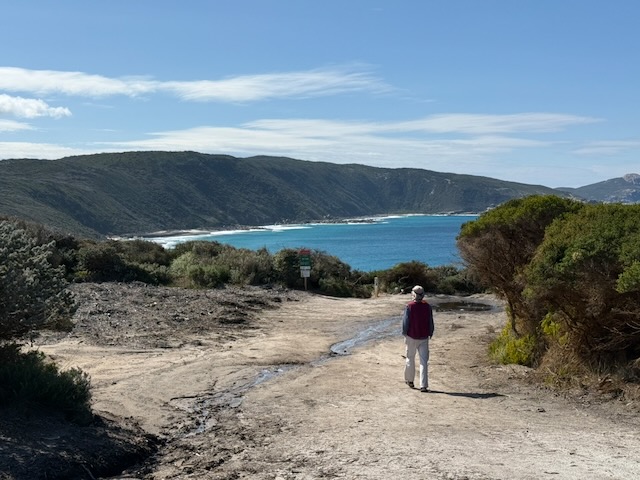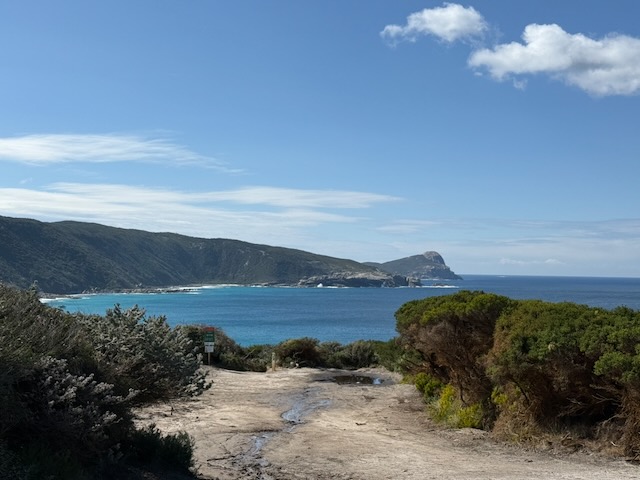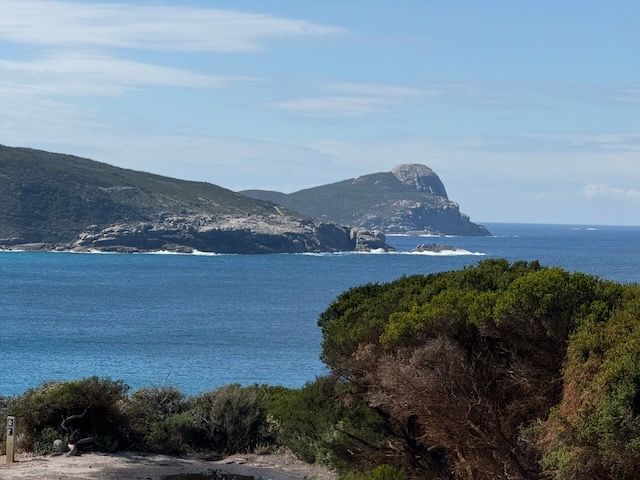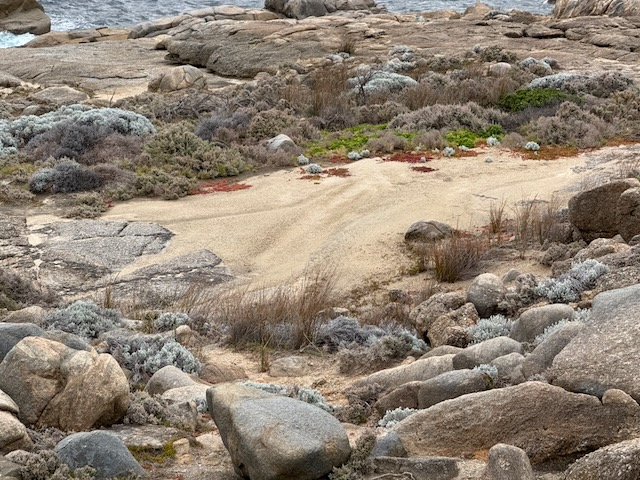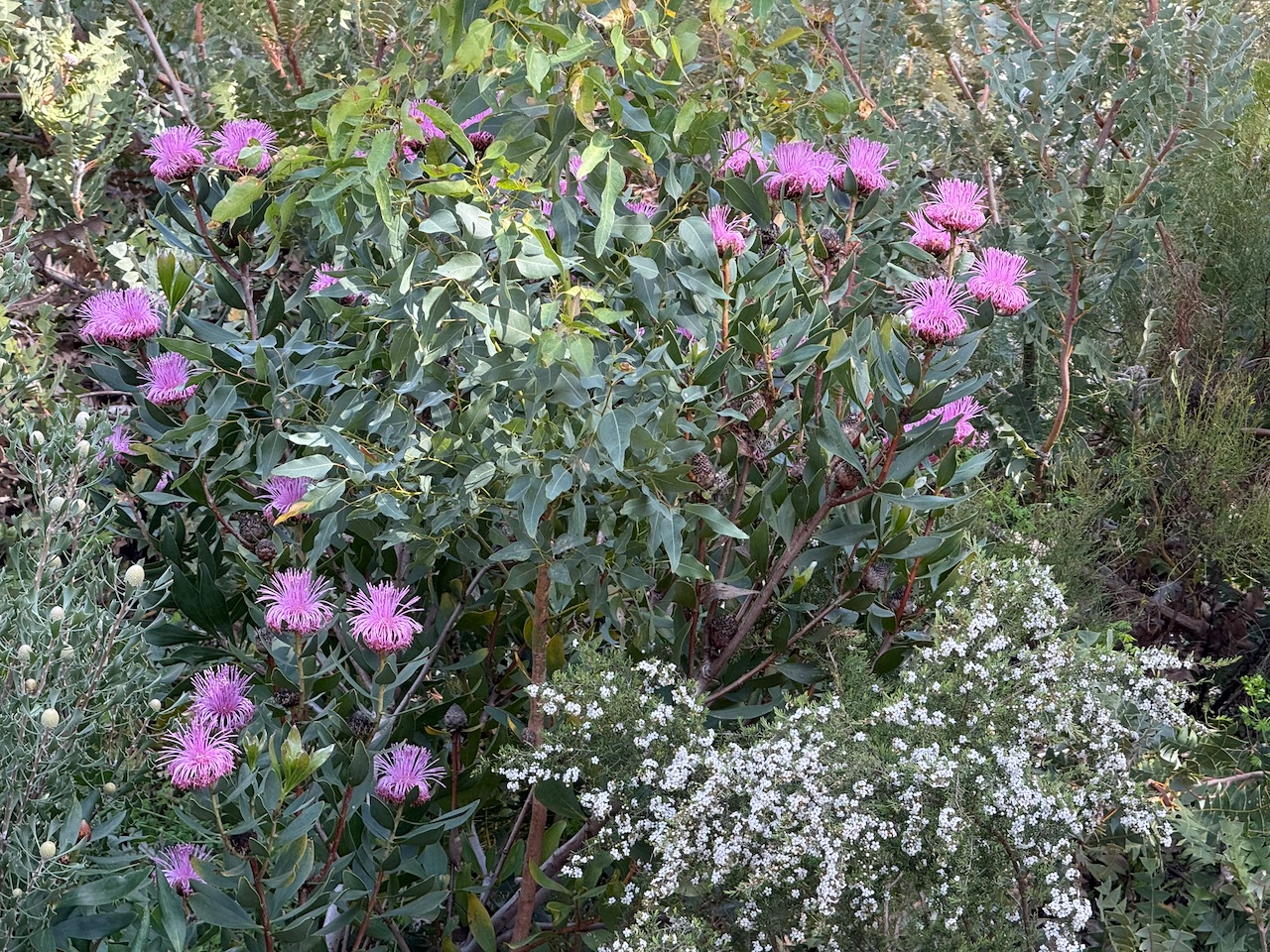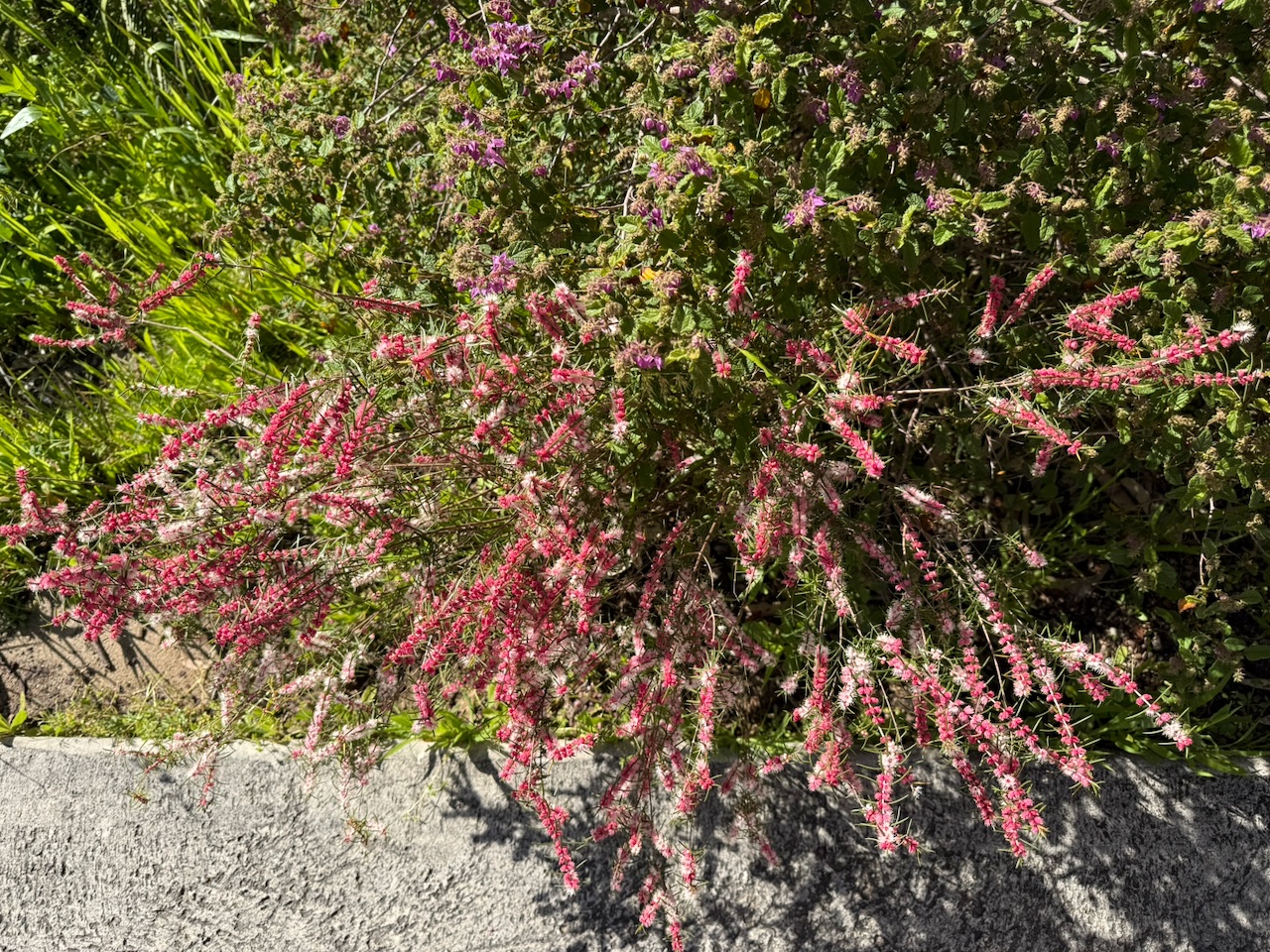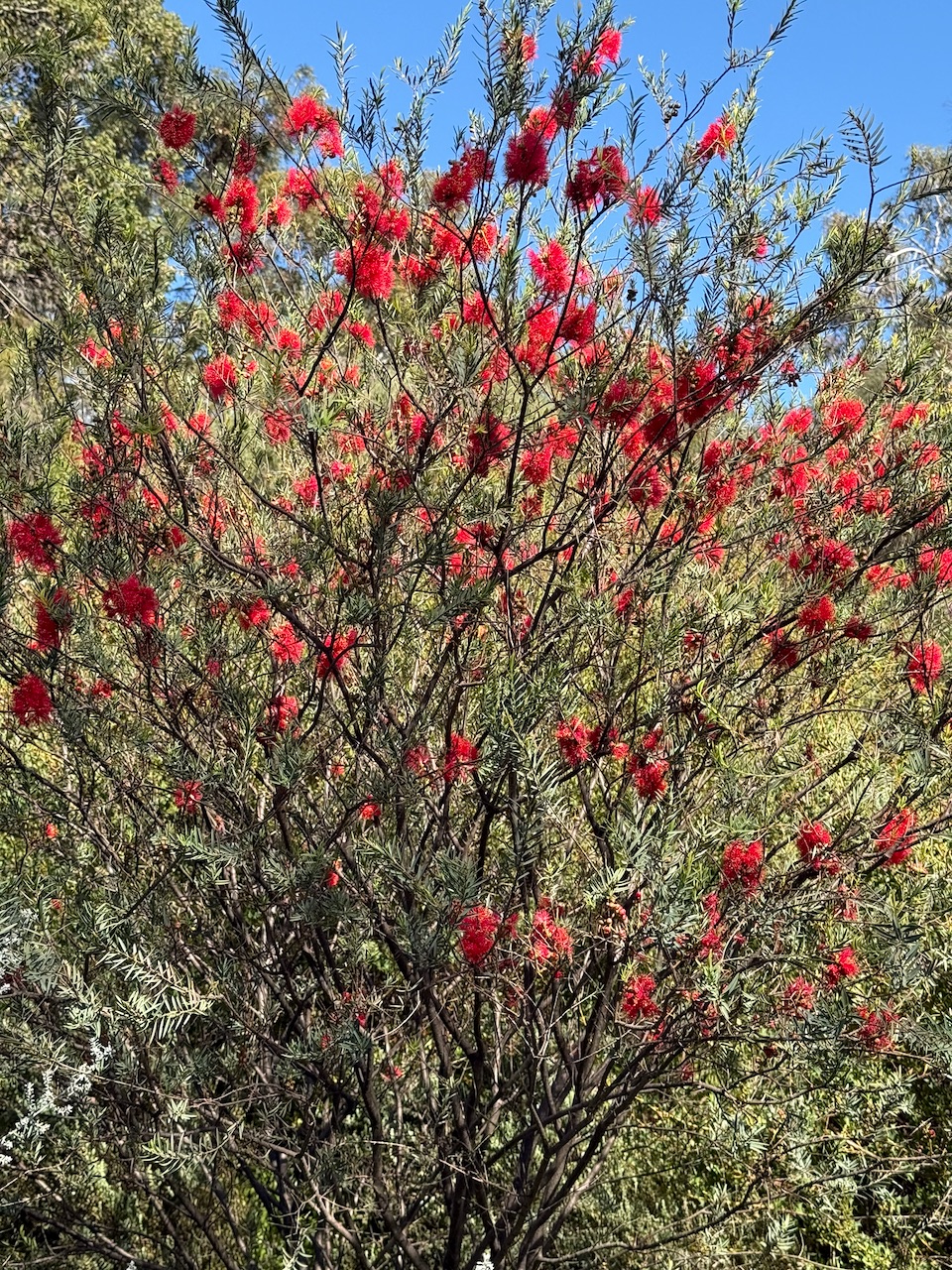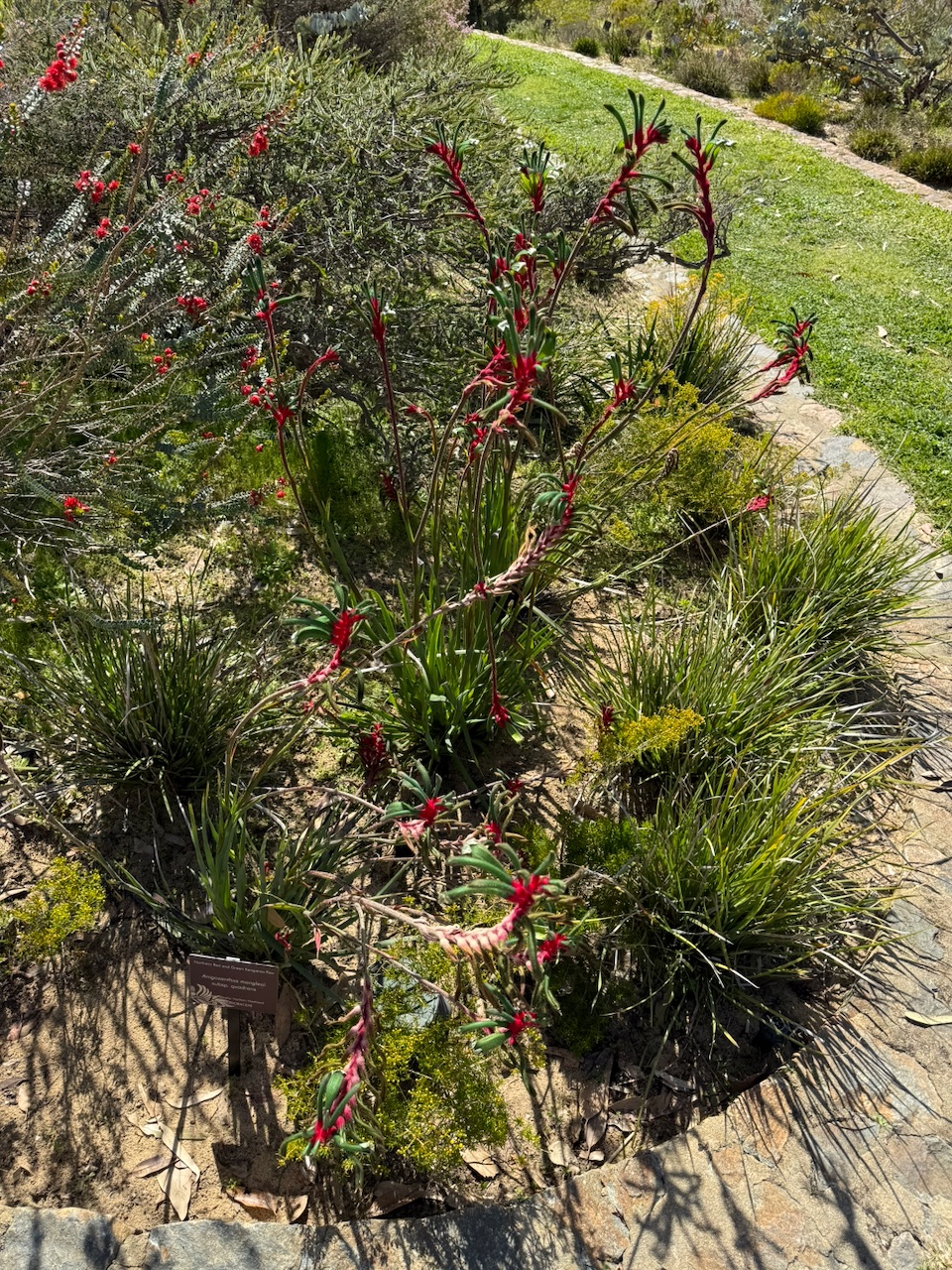
Albany 11 – 18 September

If we had driven straight from out Perth rental to Albany, we could have arrived around 12pm. As we couldn’t book in until 2pm, we took our time, and drove a slightly longer route, so we could go through the Stirling Ranges. But we also ended up driving quite a long way along the Horsepower Highway, which was good fun.

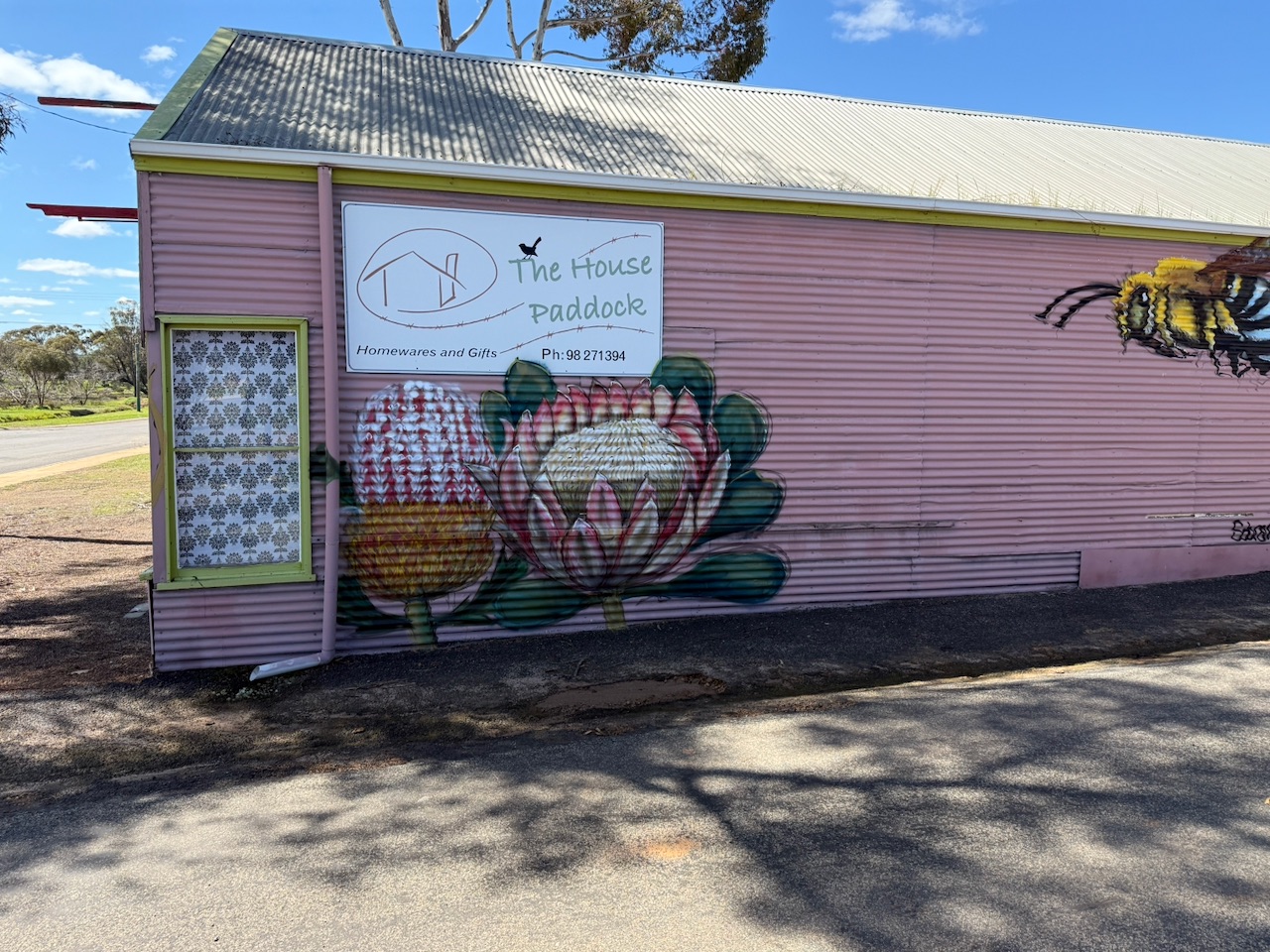
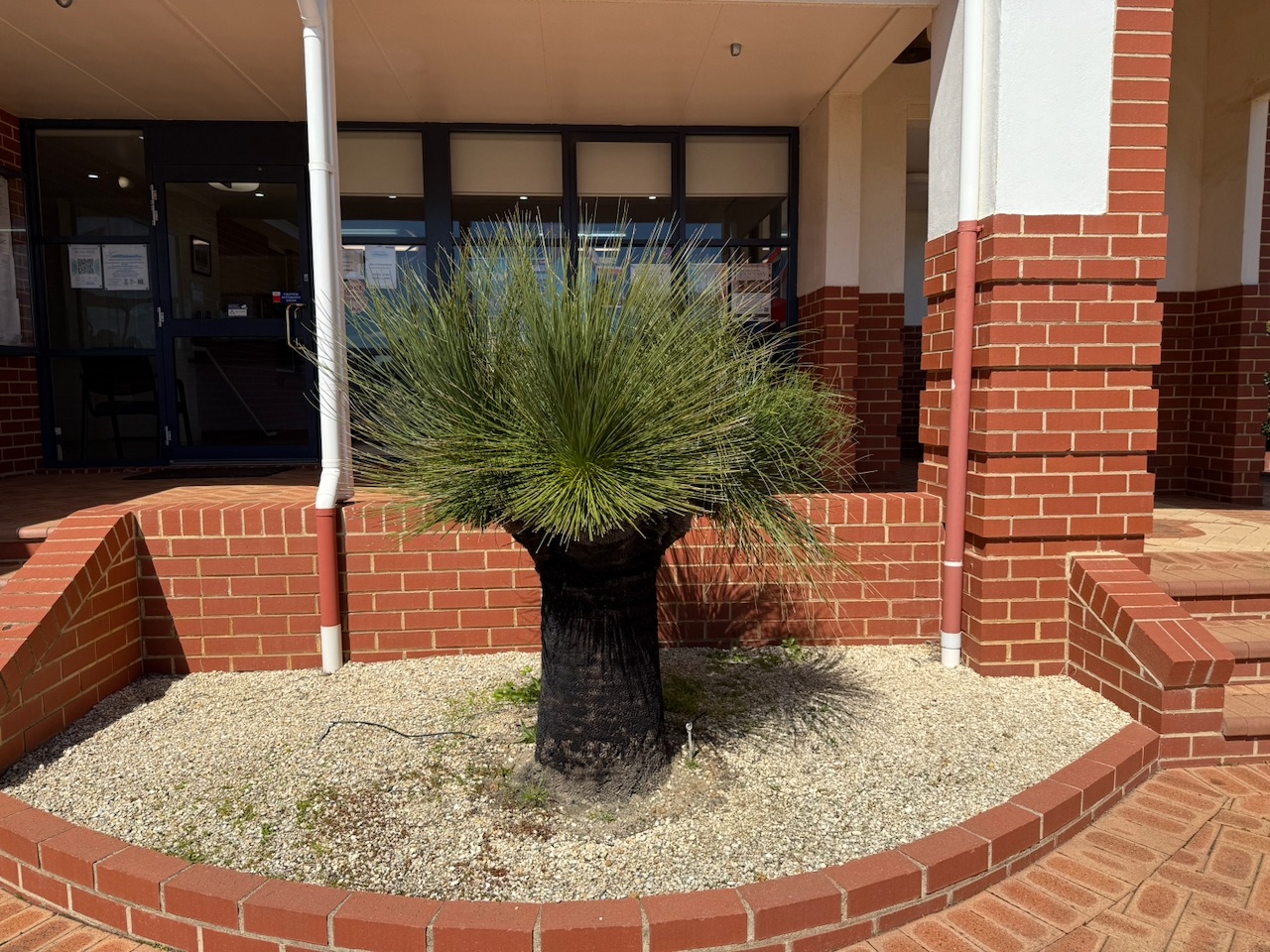
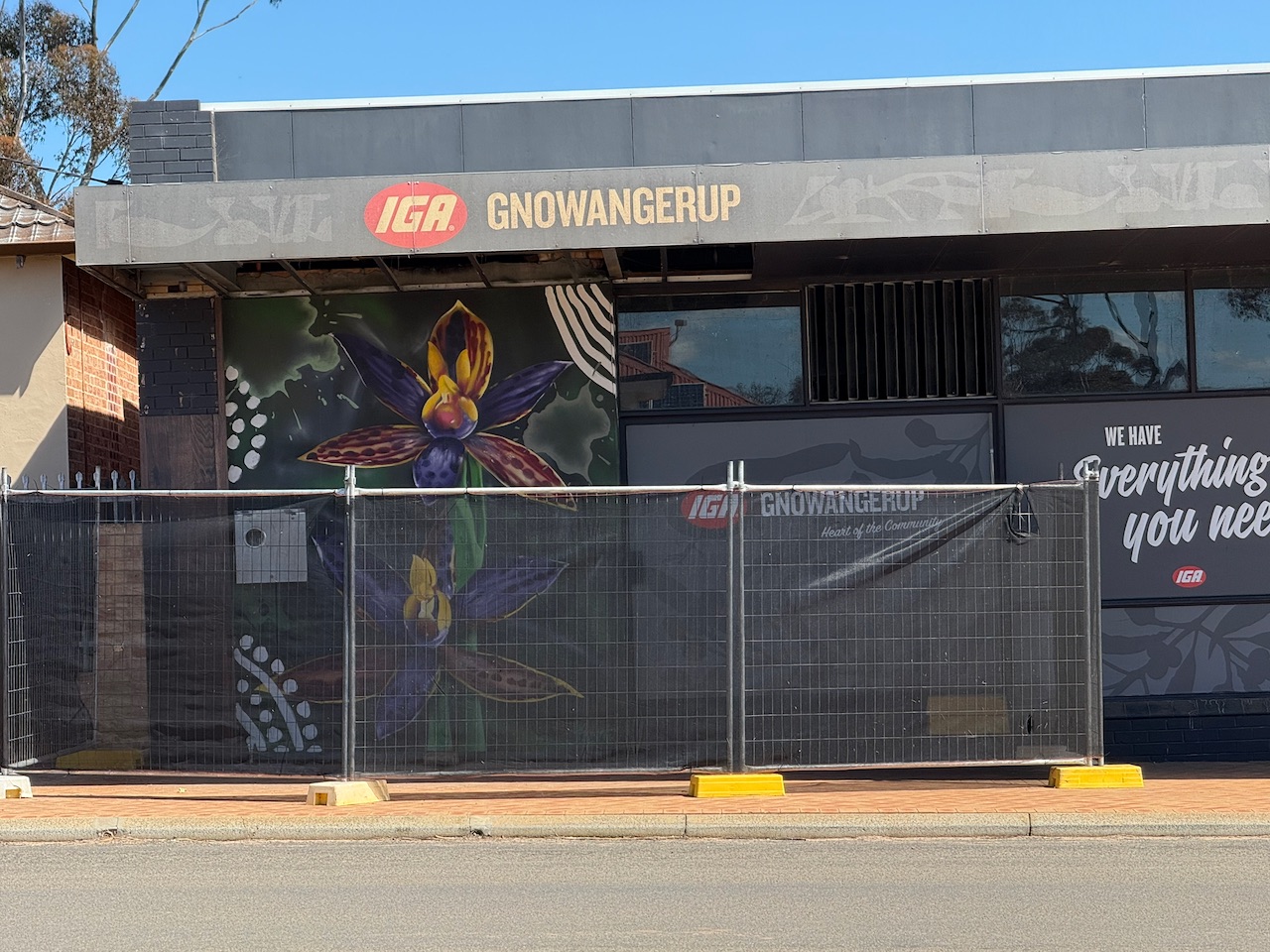
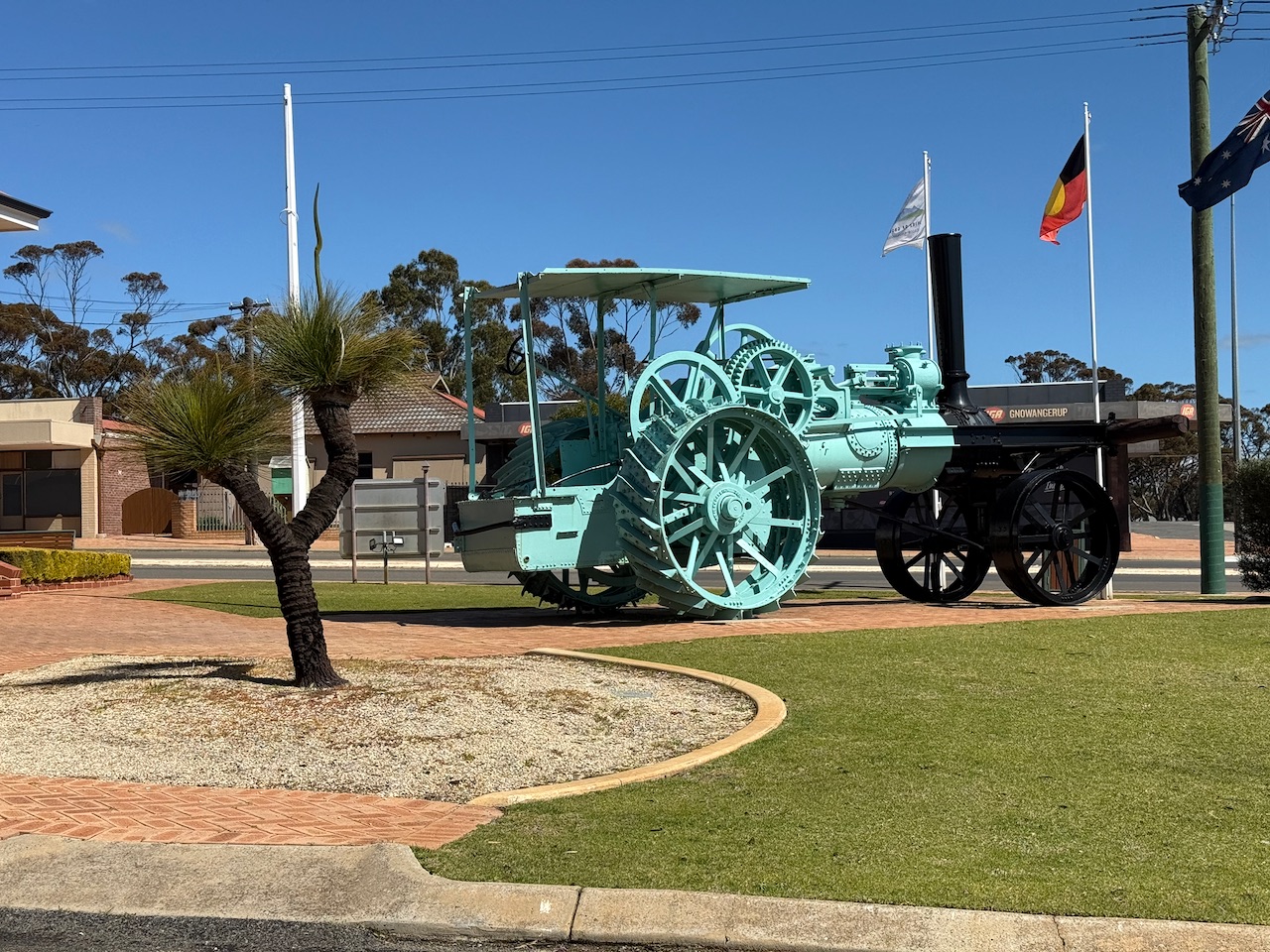
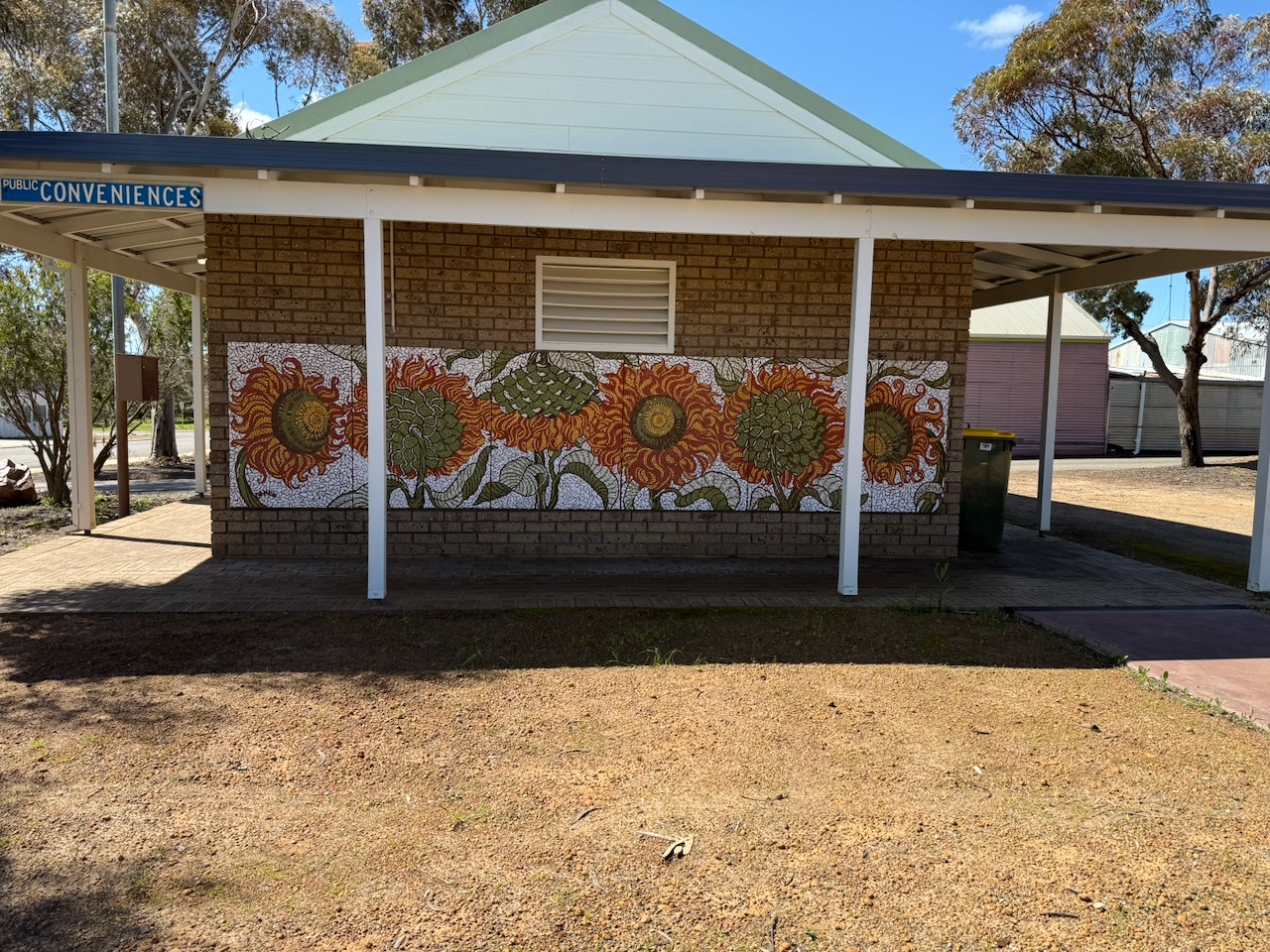
Some very pretty towns on that highway, and we stopped in Gnowangerup for a break. Go here to see the post on that short stop.

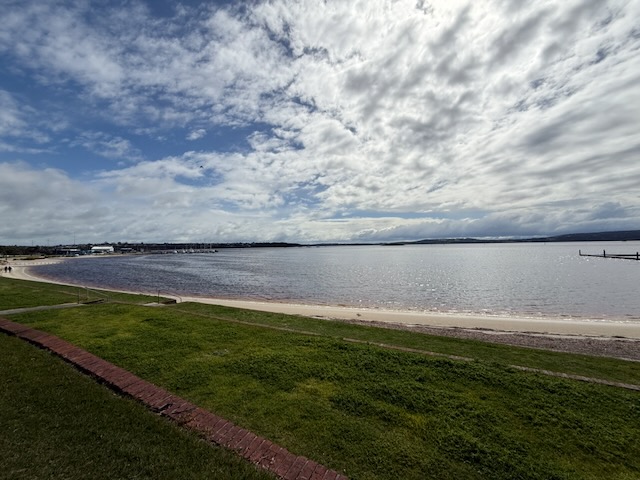
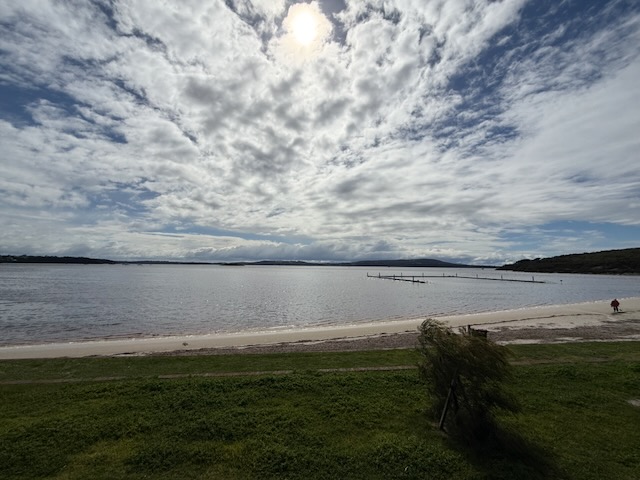
The apartment in Albany was in a development next to the railway, and across from the bay. Quite lovely, and very much more comfortable than the Perth place. Also convenient, with a very good IGA across the carpark, and the town centre just minutes’ walk.

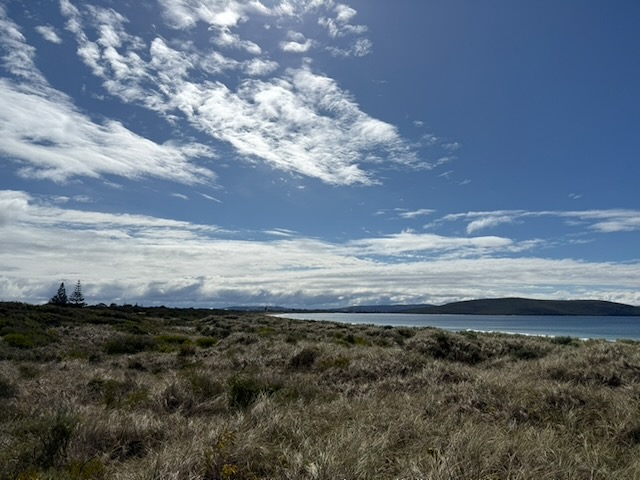
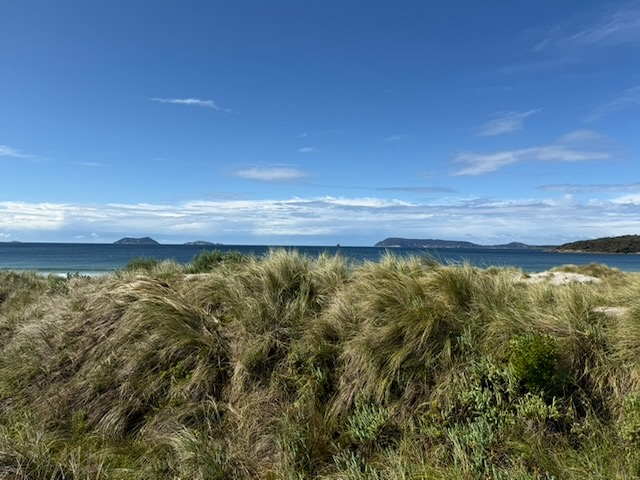
Once again, the bad weather dogged us, but we managed to see a lot of scenery from what turned out to be an excellent base to explore the many gorgeous national parks in the region.

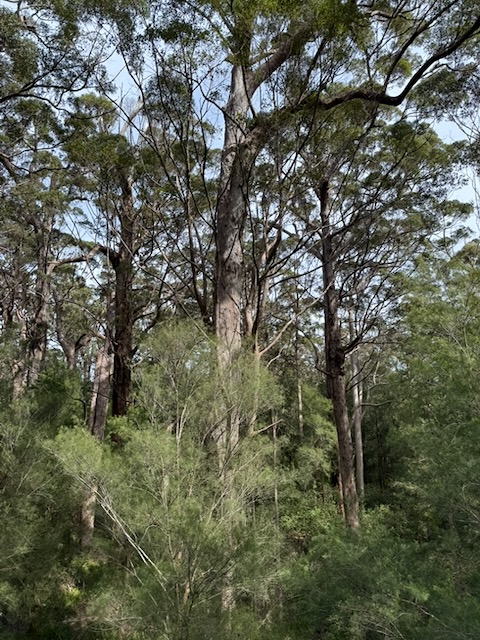
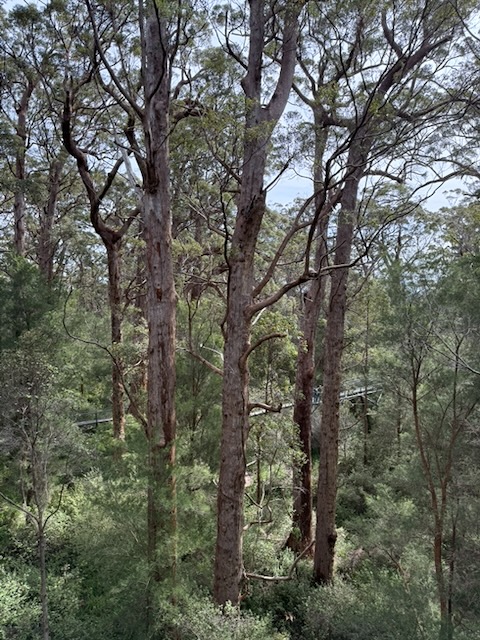
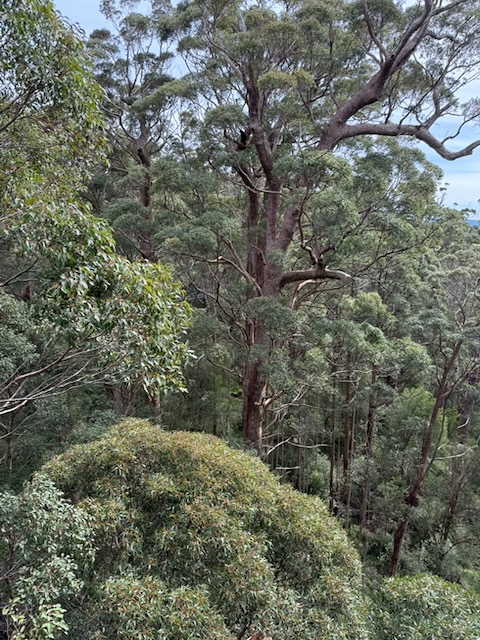
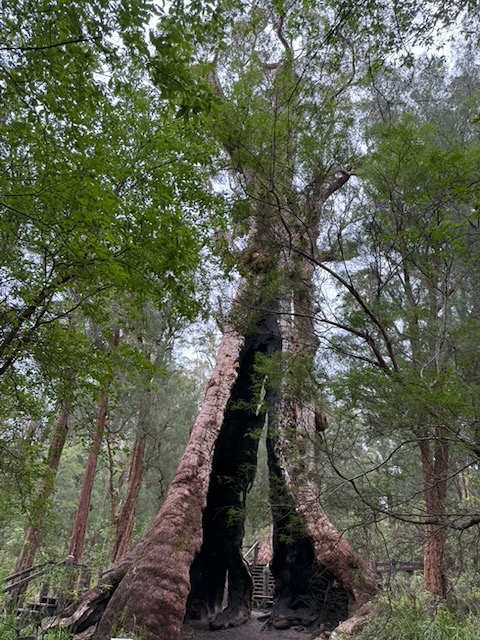
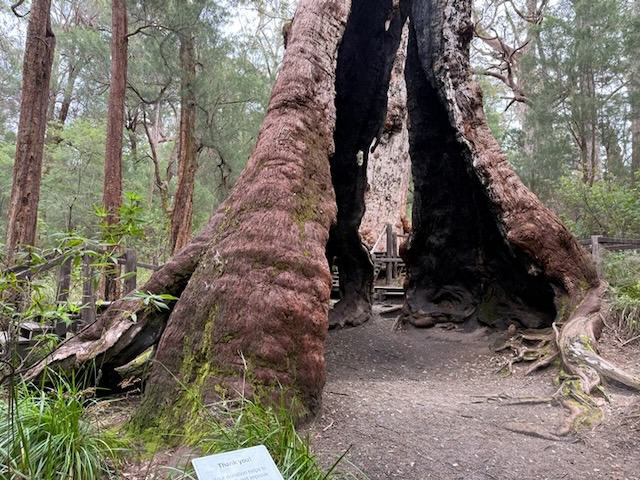
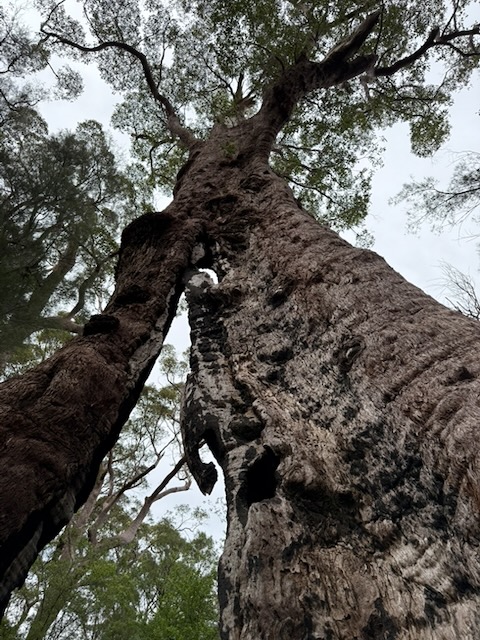
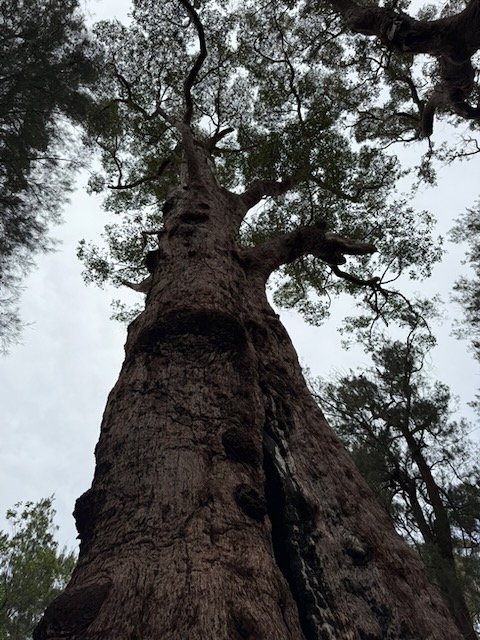
The day after we arrived, and despite the weather, we managed to drive to Walpole and see the Valley of the Giants. Go here to see my post on that

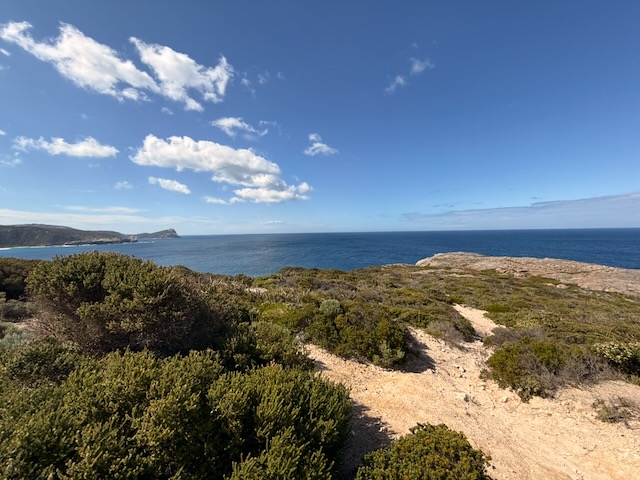
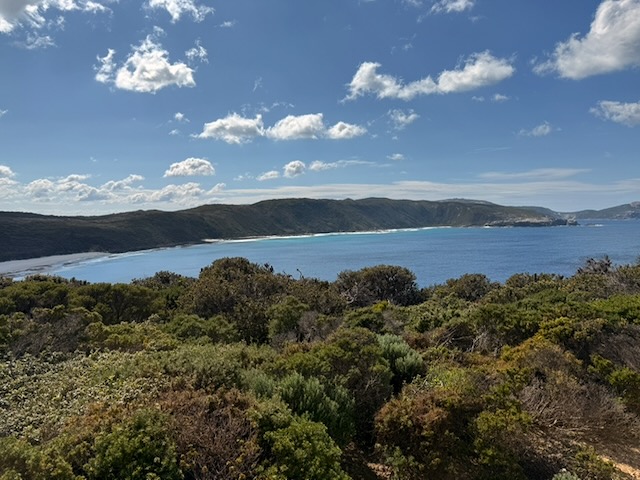
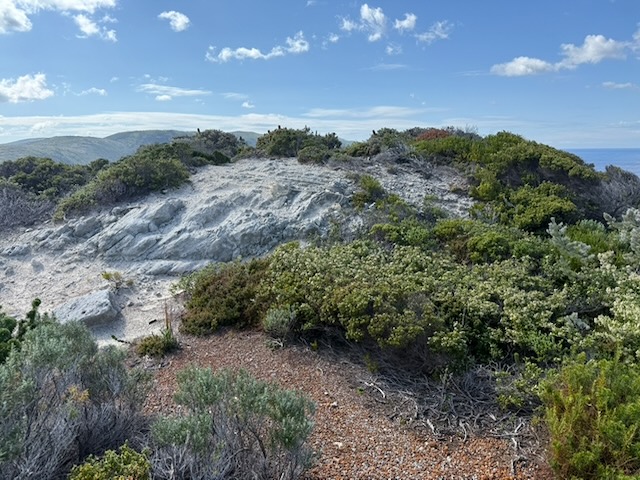
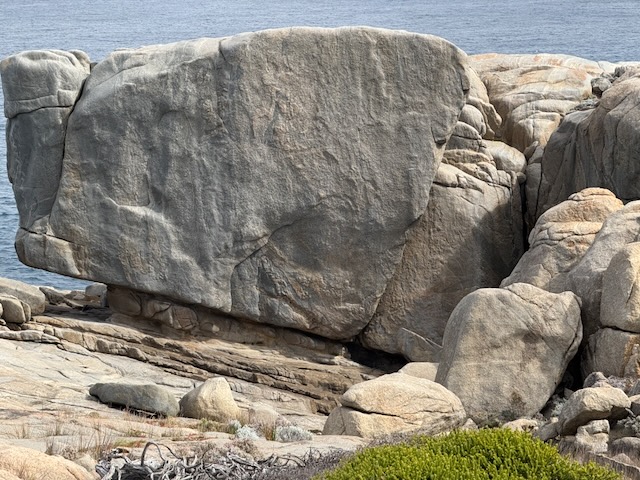
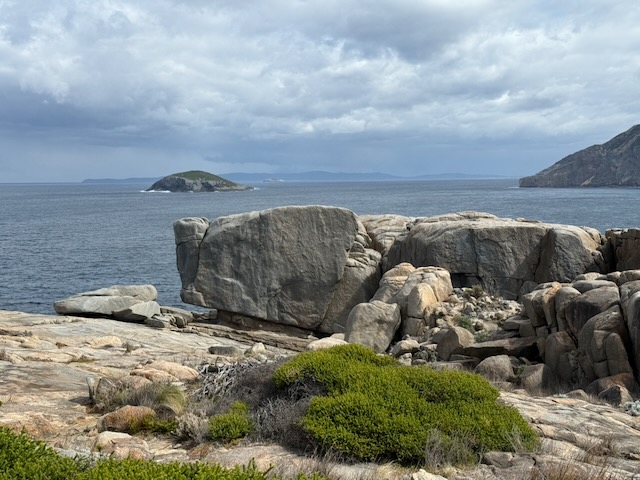
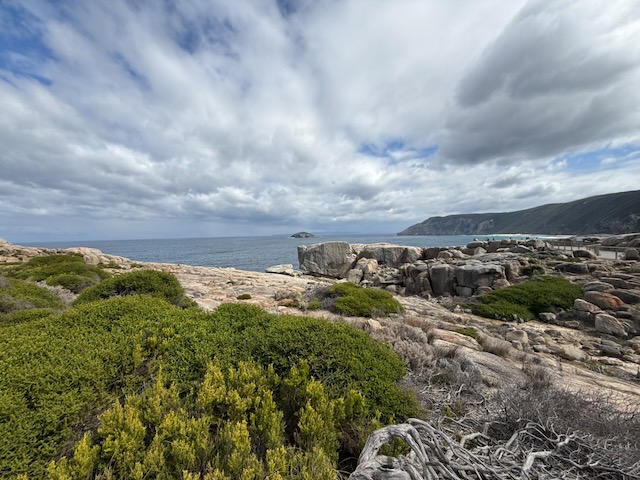
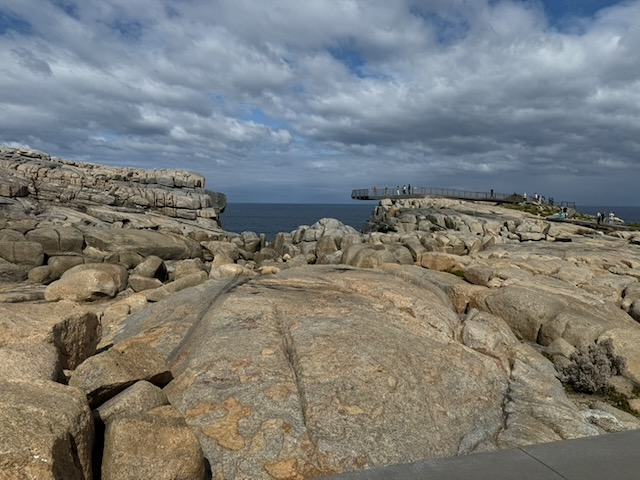
We had better weather in the morning of day three, so we went to the West Cape Howe and Torndirrup National Parks. Go here to see my post on them.

Day Four was very wet, so we had the briefest outing to Emu Point and Middleton beach. Go here to see my post on them.

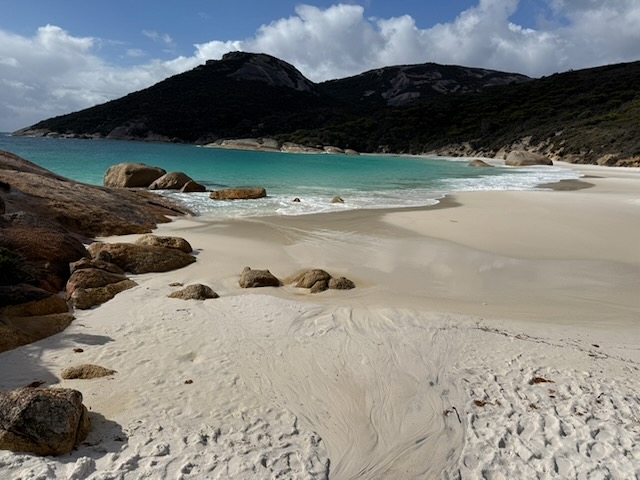
The forecast was still foul for day five, but we got a couple of hours in between heavy showers to visit Two Peoples Bay Nature Reserve and Gull Rock National Park. Go here to see my post on them.

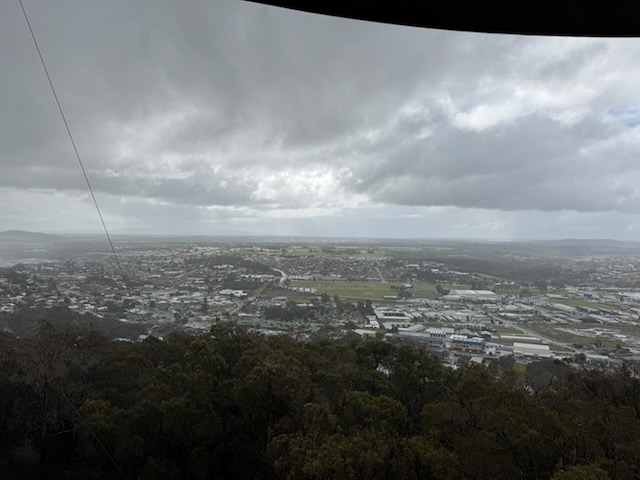
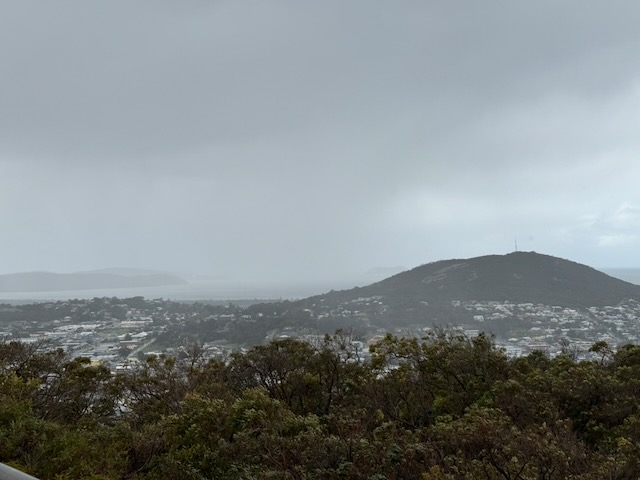
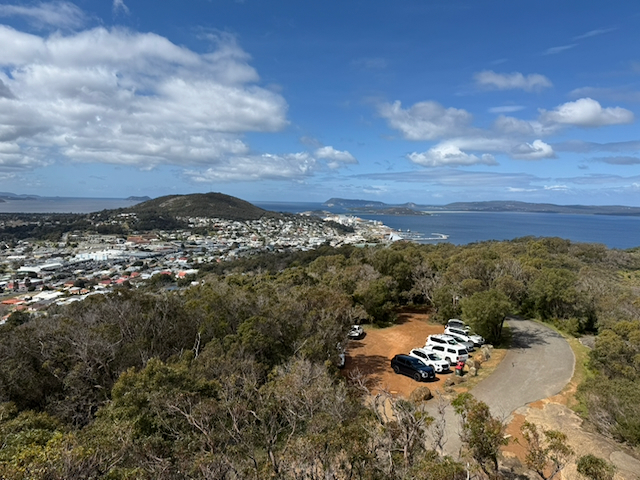
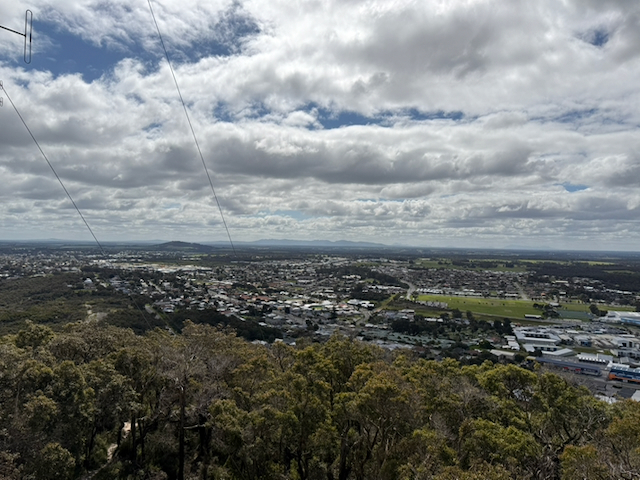
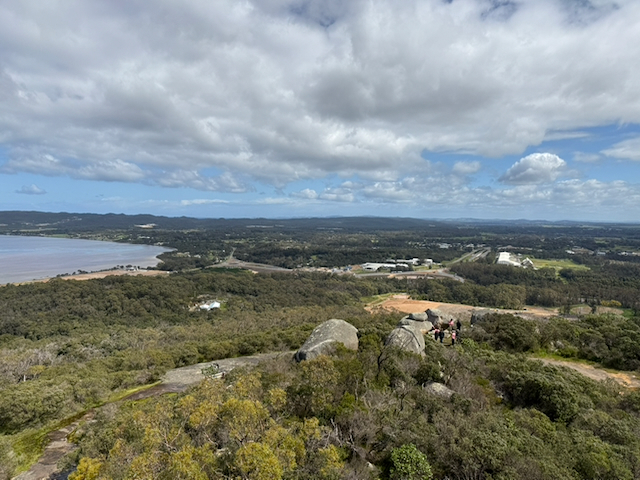
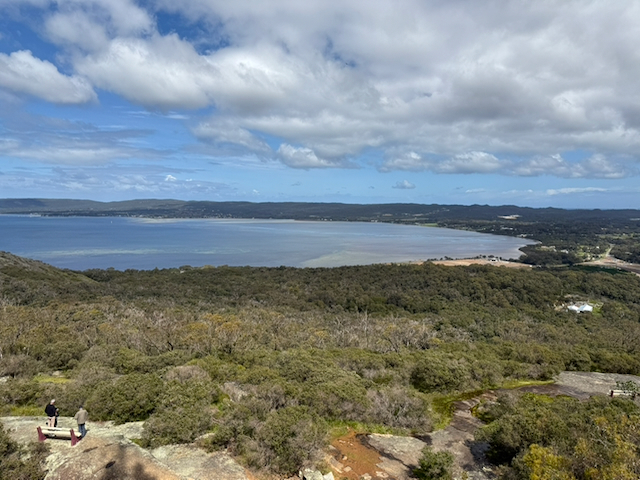
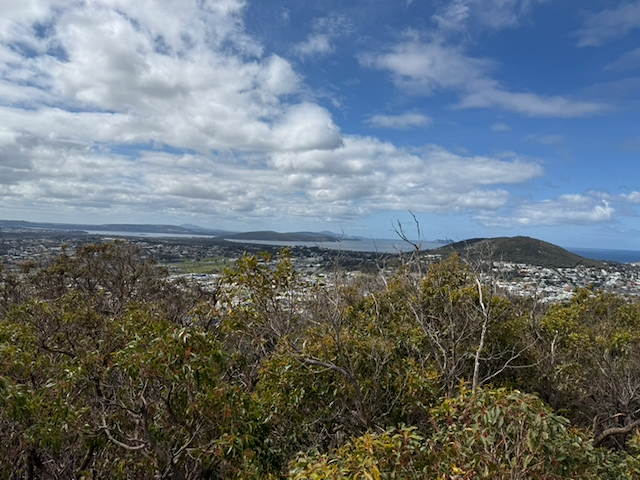
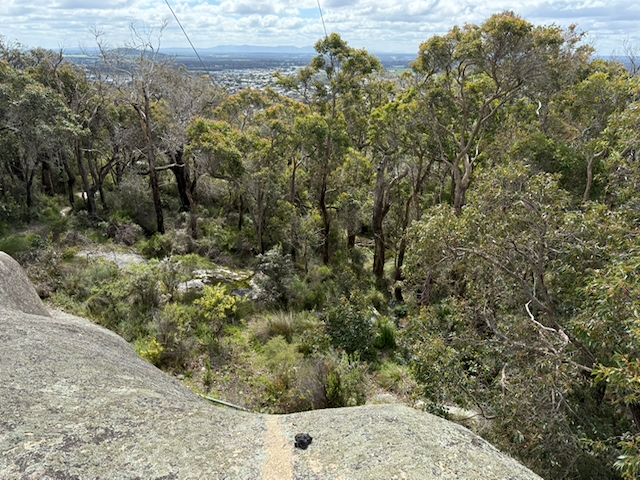
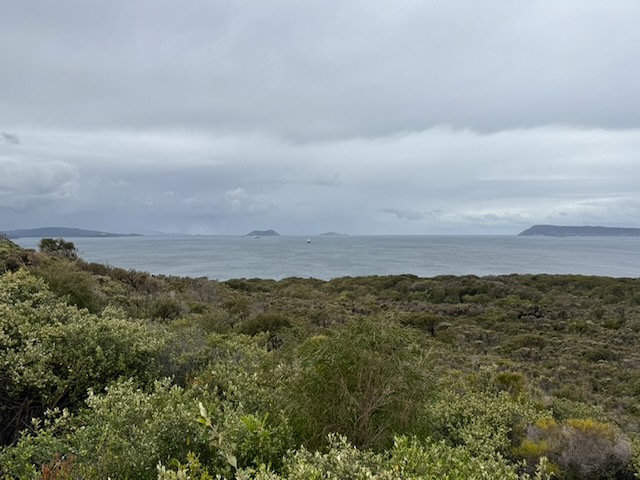
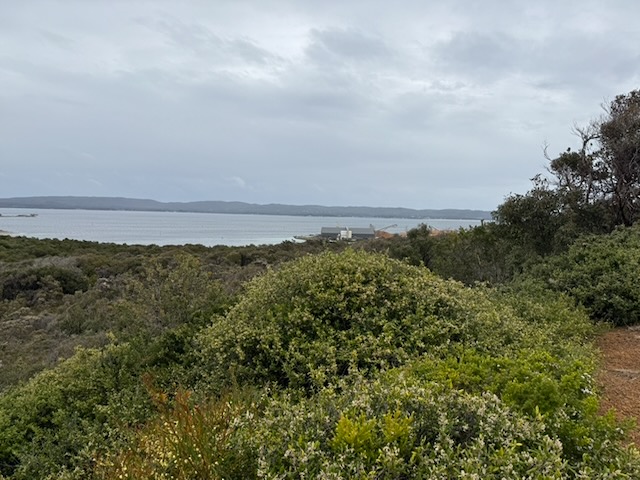
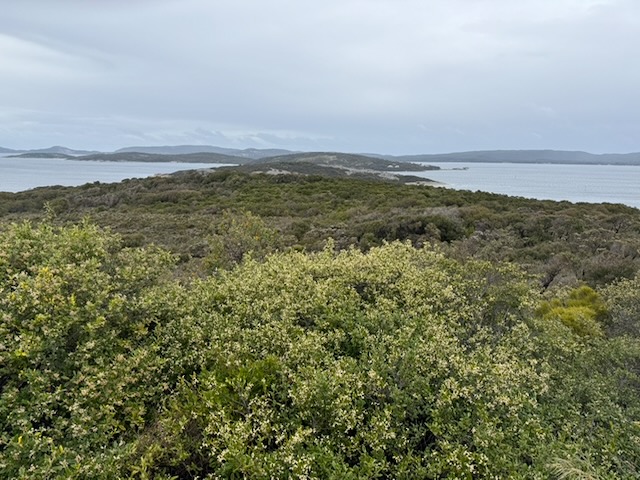
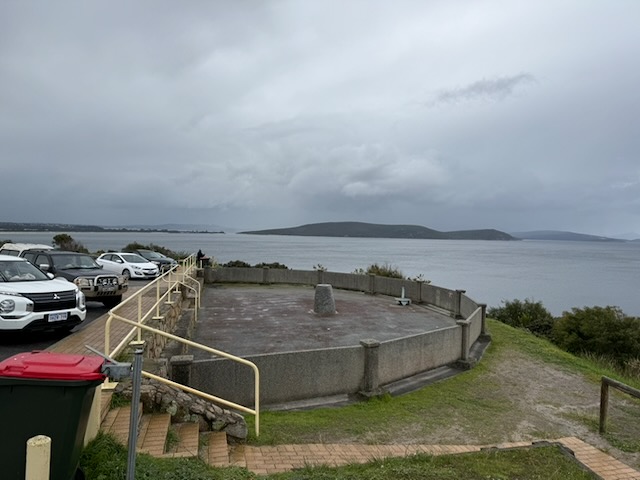
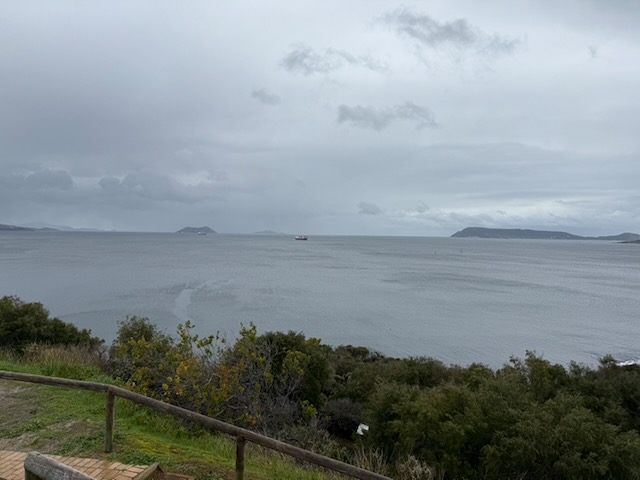
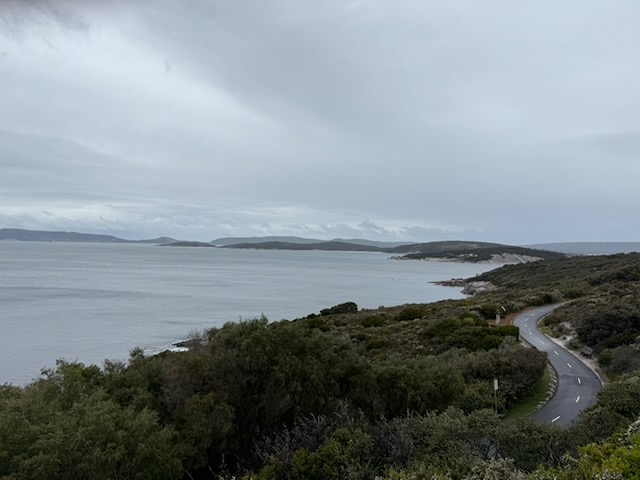
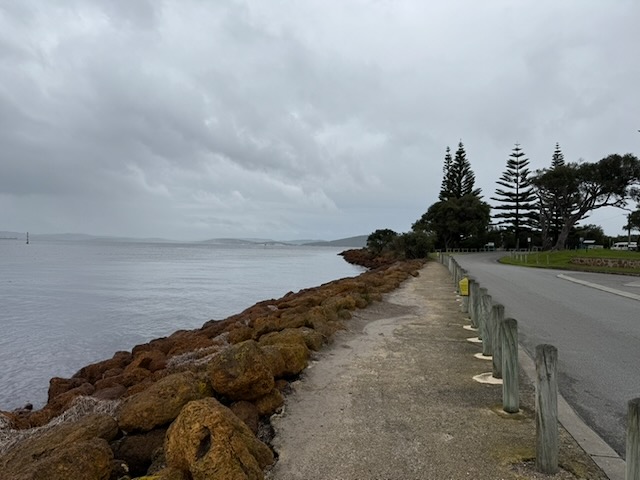
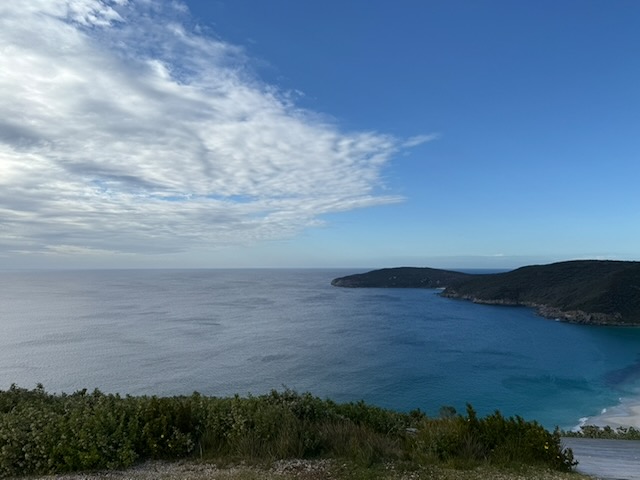
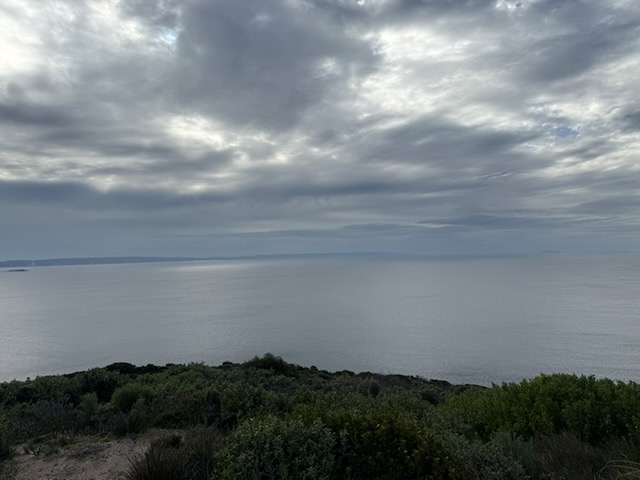
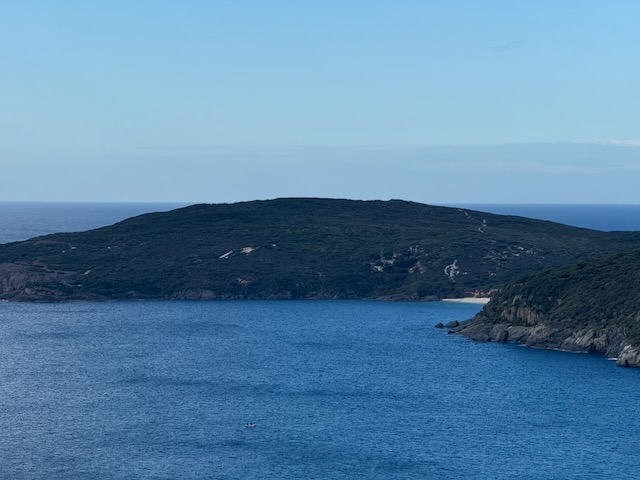
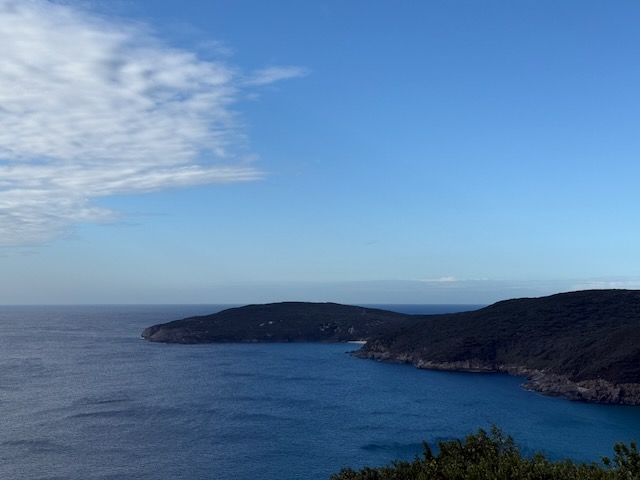
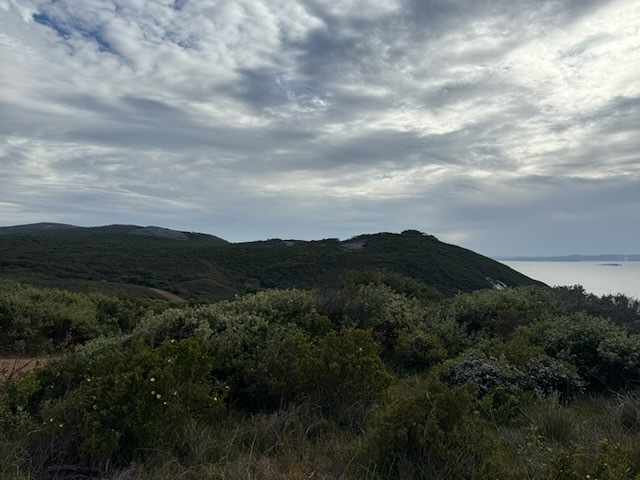
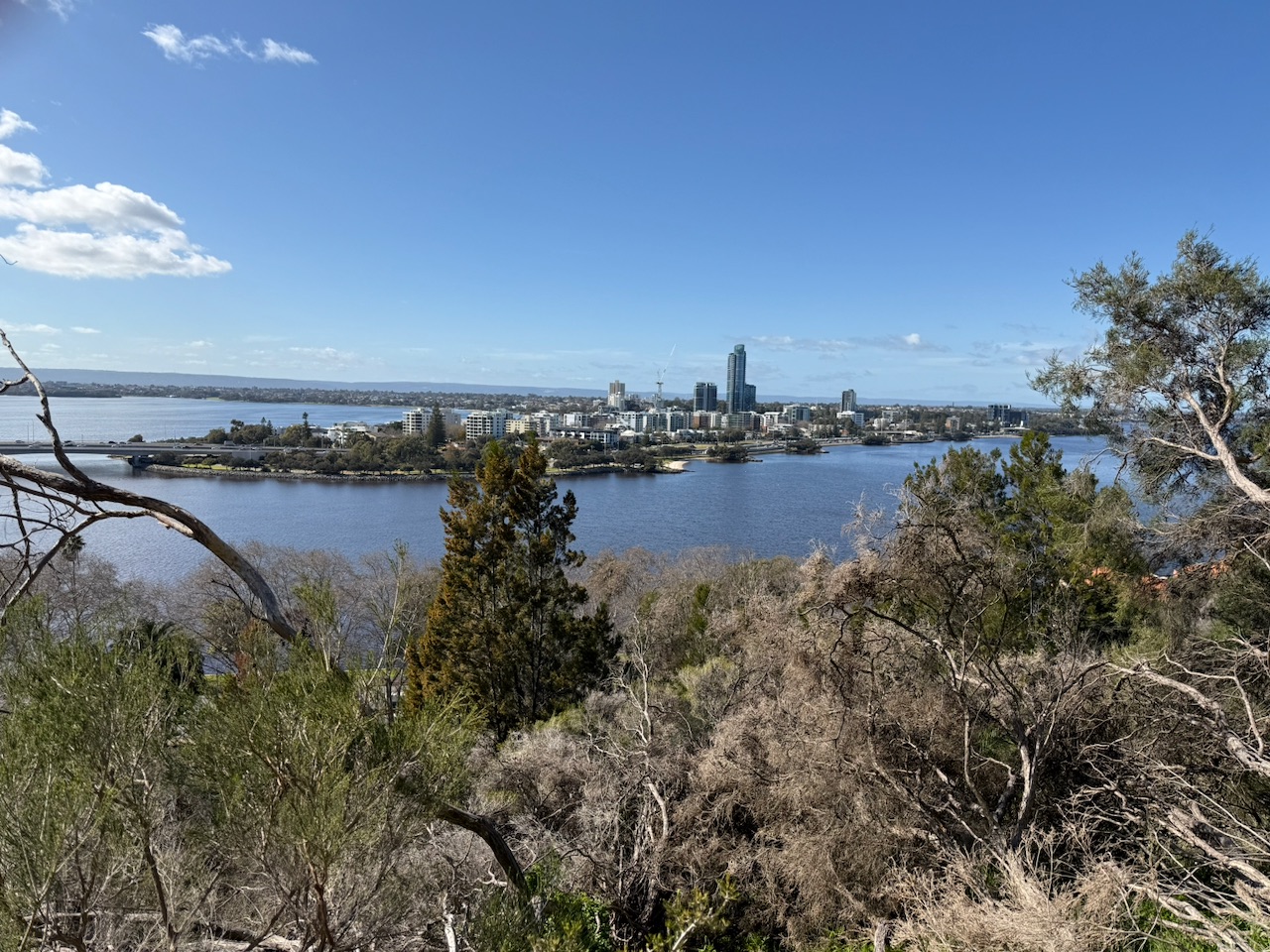
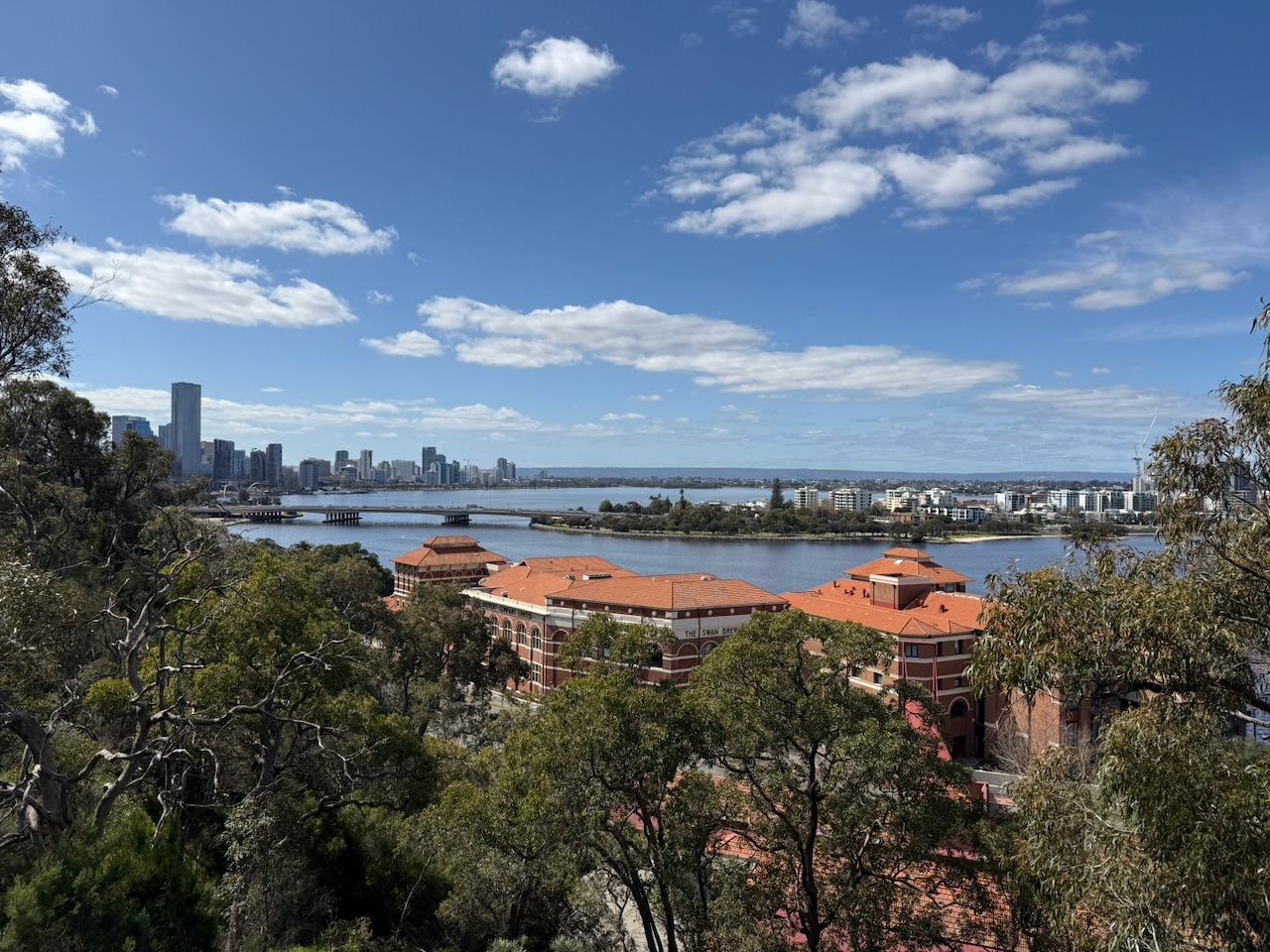
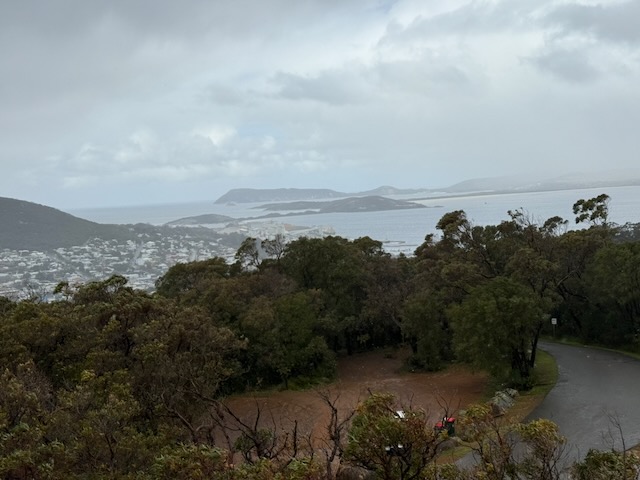
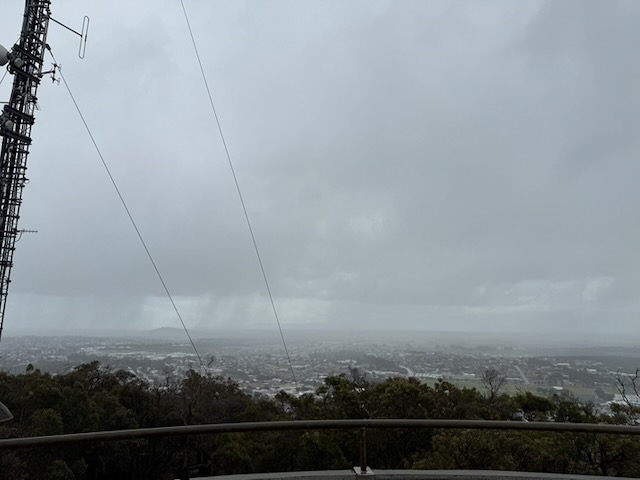
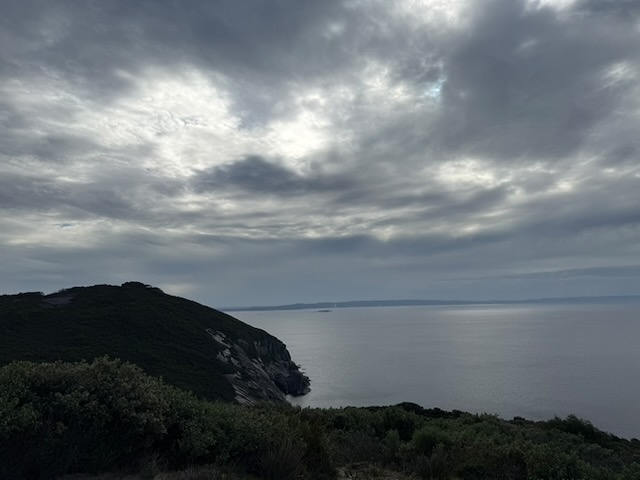
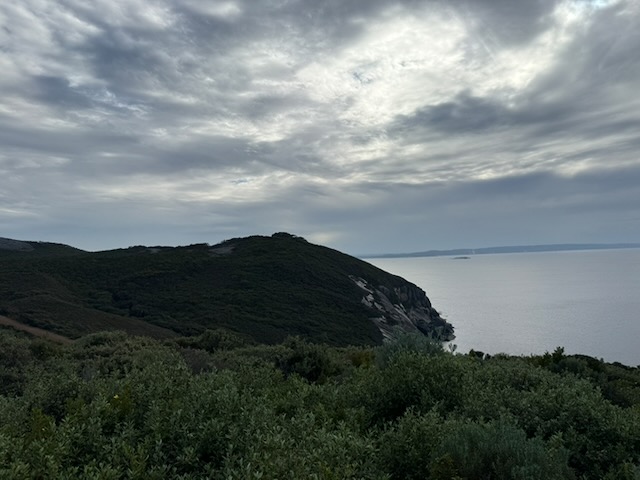
On the way back from the reserve, the rain closed in again, as you can see from our photos of the view from Mount Melville Lookout Tower.
Finally we had better weather luck on day six in Albany, so we hurried back to Torrindup NP to see the historic whaling station, and a couple of other beauty spots in the NP we hadn’t had time for on the first visit.

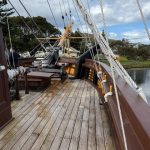
Although I managed to injure myself at the wildflower garden next to the whaling station, we went to a couple of lookouts on the way back, and while I rested my leg in the apartment, Doug visited the Amity brig and the Albany museum. Go here to see my post on all this.

On our final day it was raining again, so all we did was go back to Handasyde strawberry farm to finally have some gelato, wash the mud off the underside of the car, pack, and rest. Then we were off to Cape Leeuwin and Dunsborough early the following morning.
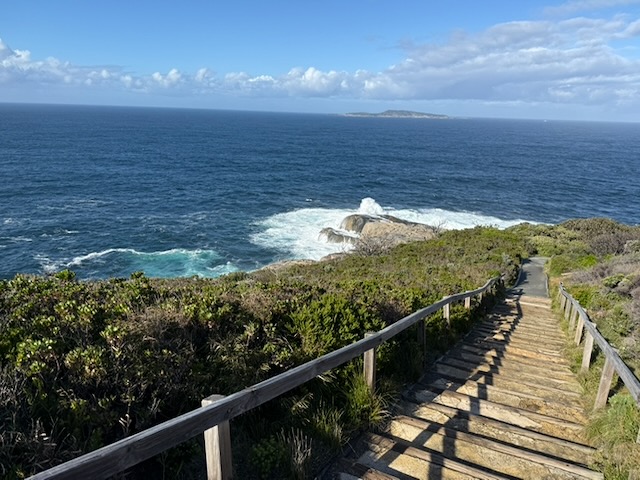
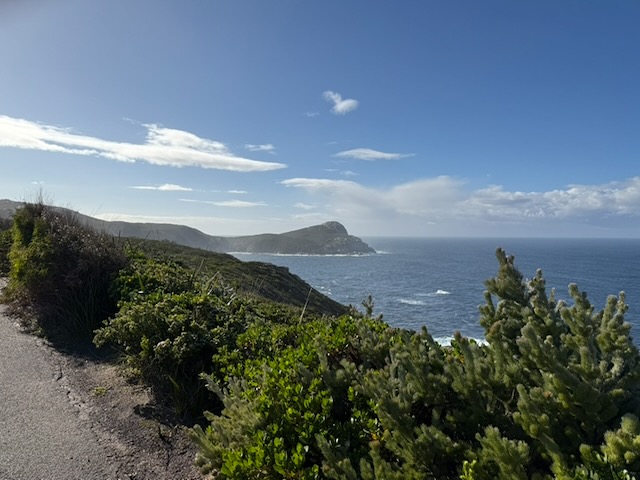
Torrindup National Park and Historic Whaling Station

Doug wanted to look at the Blowholes on our way to the whaling station, but he wasn’t able to get close enough to see the actually blowhole blowing. Pretty scenery though.

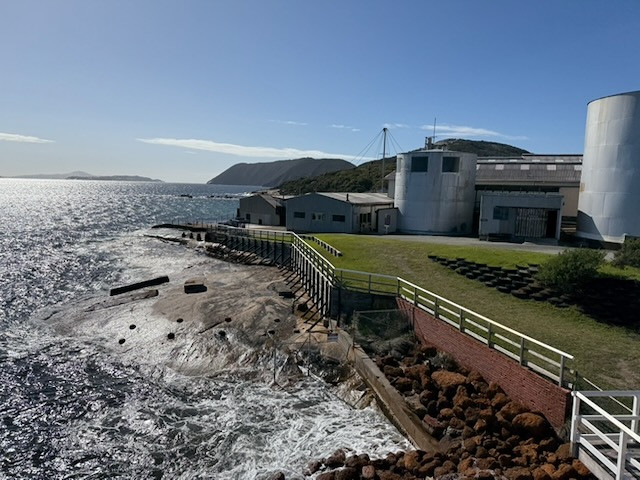
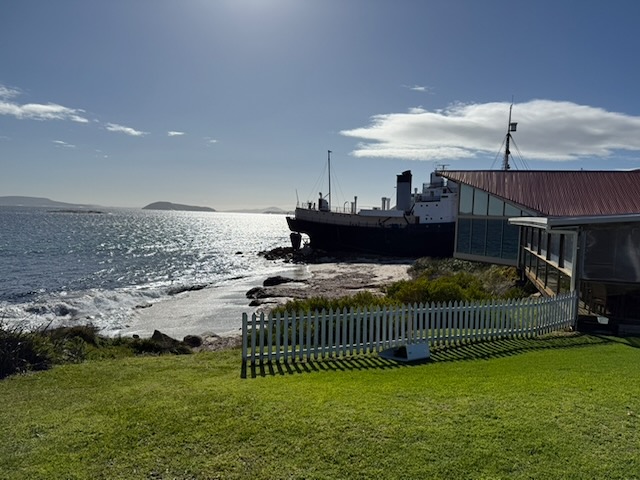
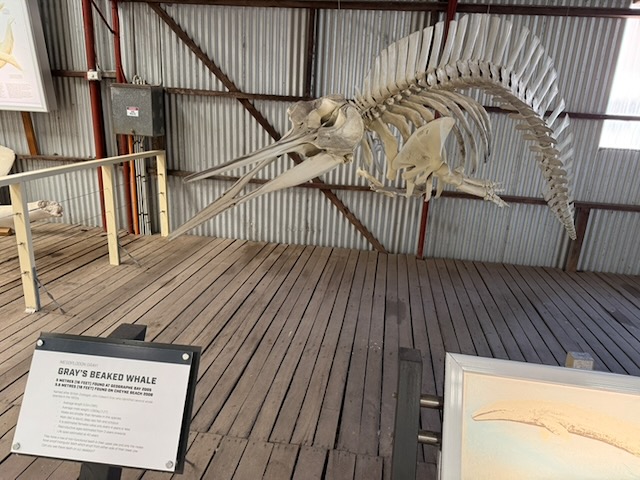
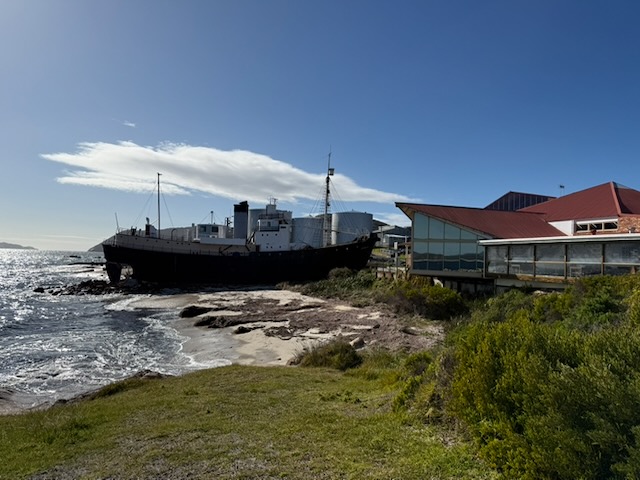
Then on to the Historic Whaling Station. “Albany’s Historic Whaling Station was the last operating station in Australia and provides a fascinating insight into Albany’s colourful past.” Which I had no interest in, thanks. So Doug did the actual station. He wrote up a little description about it for this post:

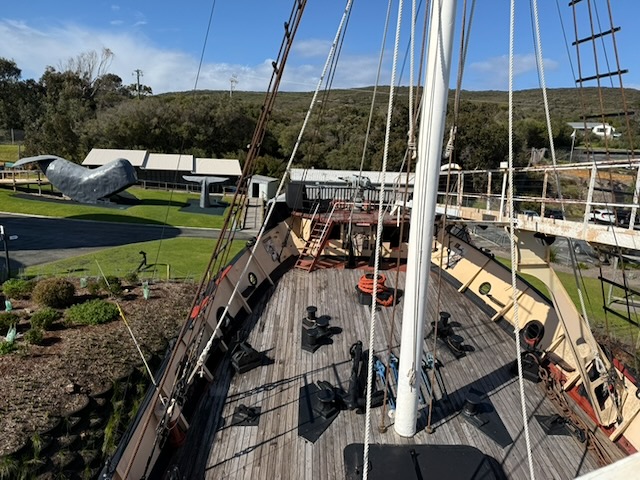
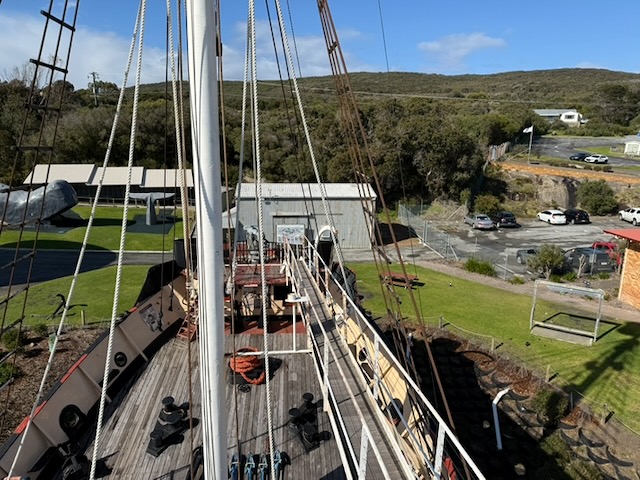
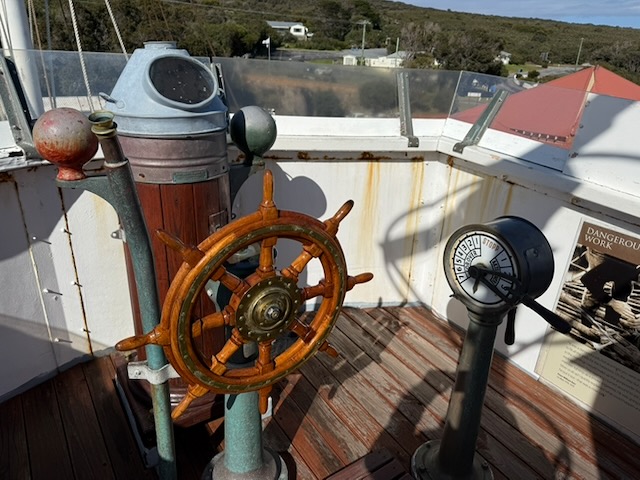
If shells are your thing, then the beautifully displayed collection in the connecting room between the reception area and the whaling station is worth visiting. The first stop after that is a very prominent whaling vessel. You can climb on board and explore most of it, although the area where the whales were hauled in and processed seemed to be off limits. There are many cabins, indicating that the crew was more numerous than I had imagined.

The feature that most struck me was the high-level gangway along one side of the ship taking you directly from the bridge to the forecastle so that crew could rush to man the harpoon. When you disembark there is a recommended route around the station sheds, including the workshop and the shed where the blubber and spermaceti were rendered. One of the silos which stored the oil has been adapted into a multi-level photograph display area.

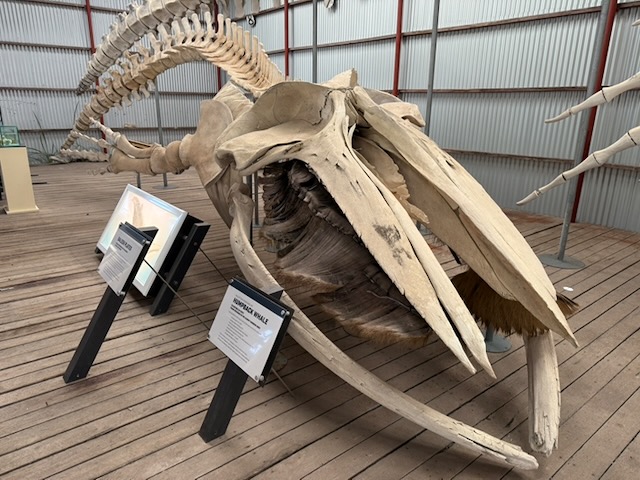
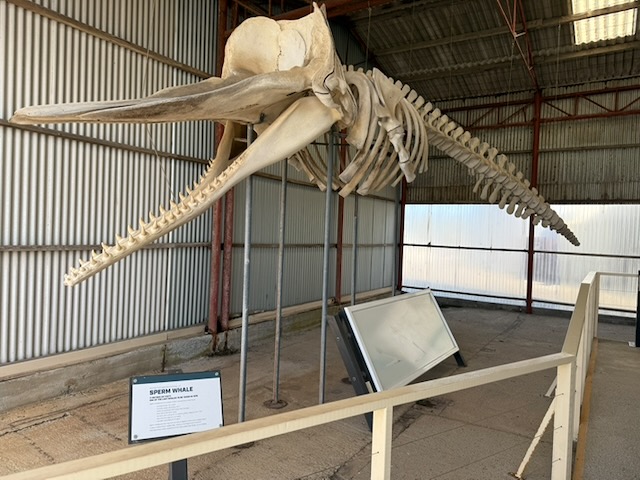
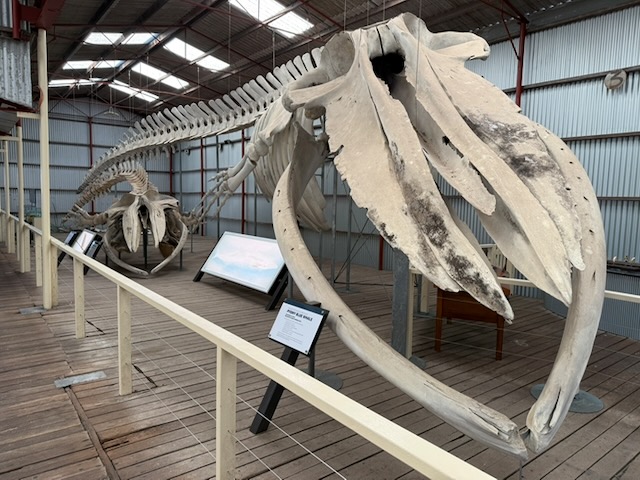
Another shed has mounted skeletons (including a sperm whale and a pygmy blue whale), another displays scrimshaw and another a spotter plane and aerial footage of whales. I found myself torn between fascination and revulsion, deciding to skip most of the photographs. I rejoice that the industry has largely ceased and found the apparent nostalgia in some of the exhibits unsettling. Whaling is part of our history, but not something to celebrate.

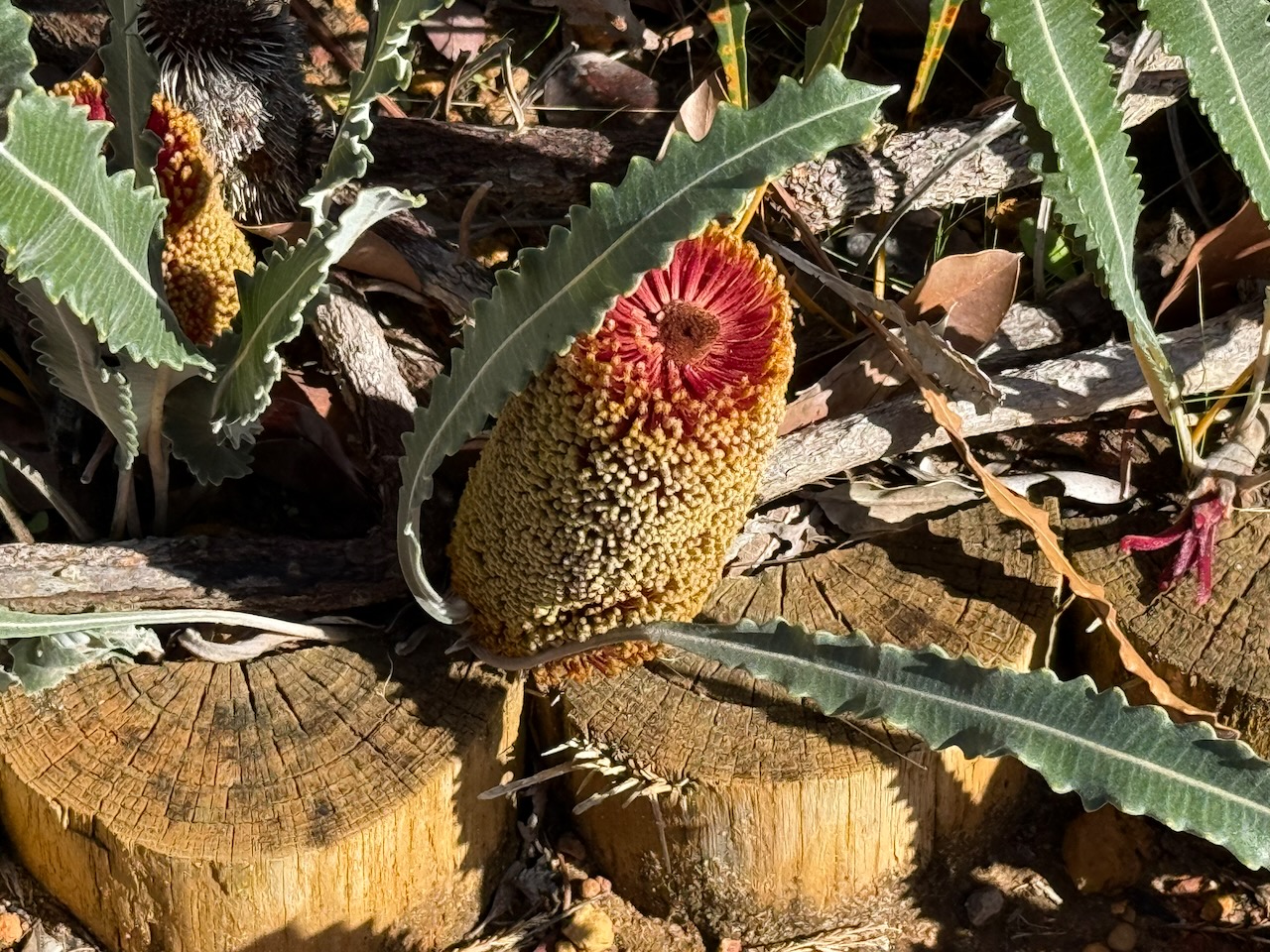
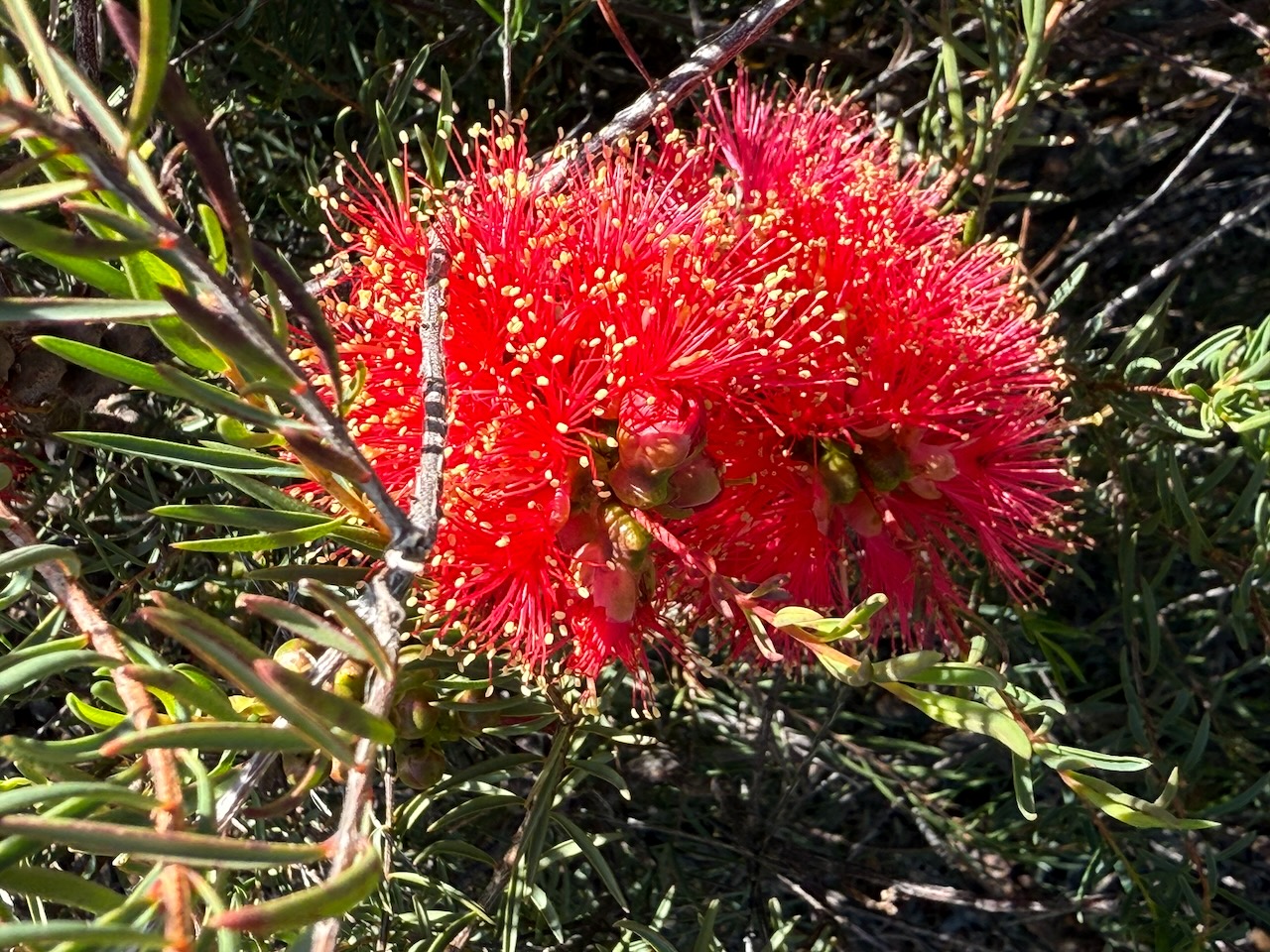
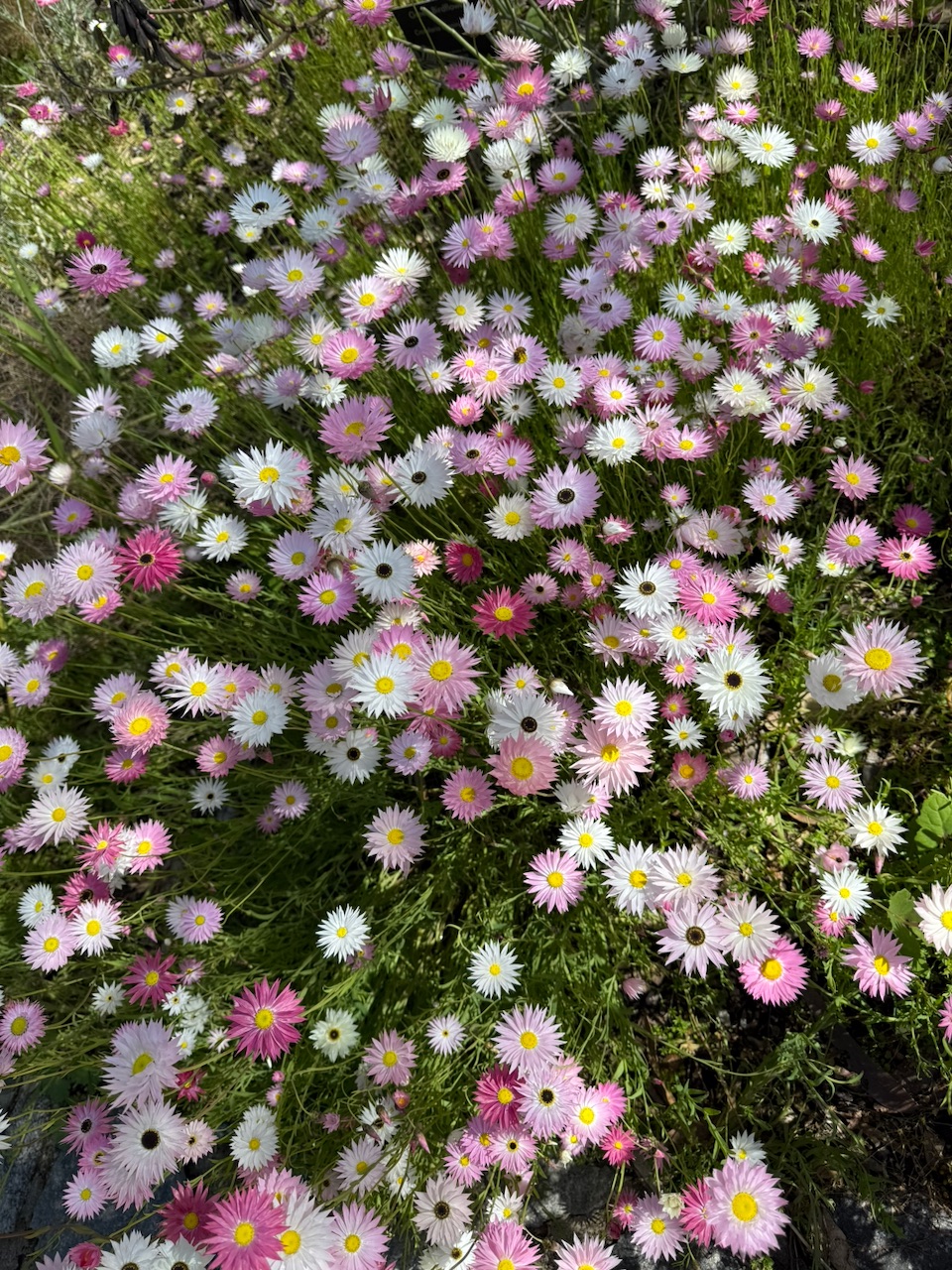
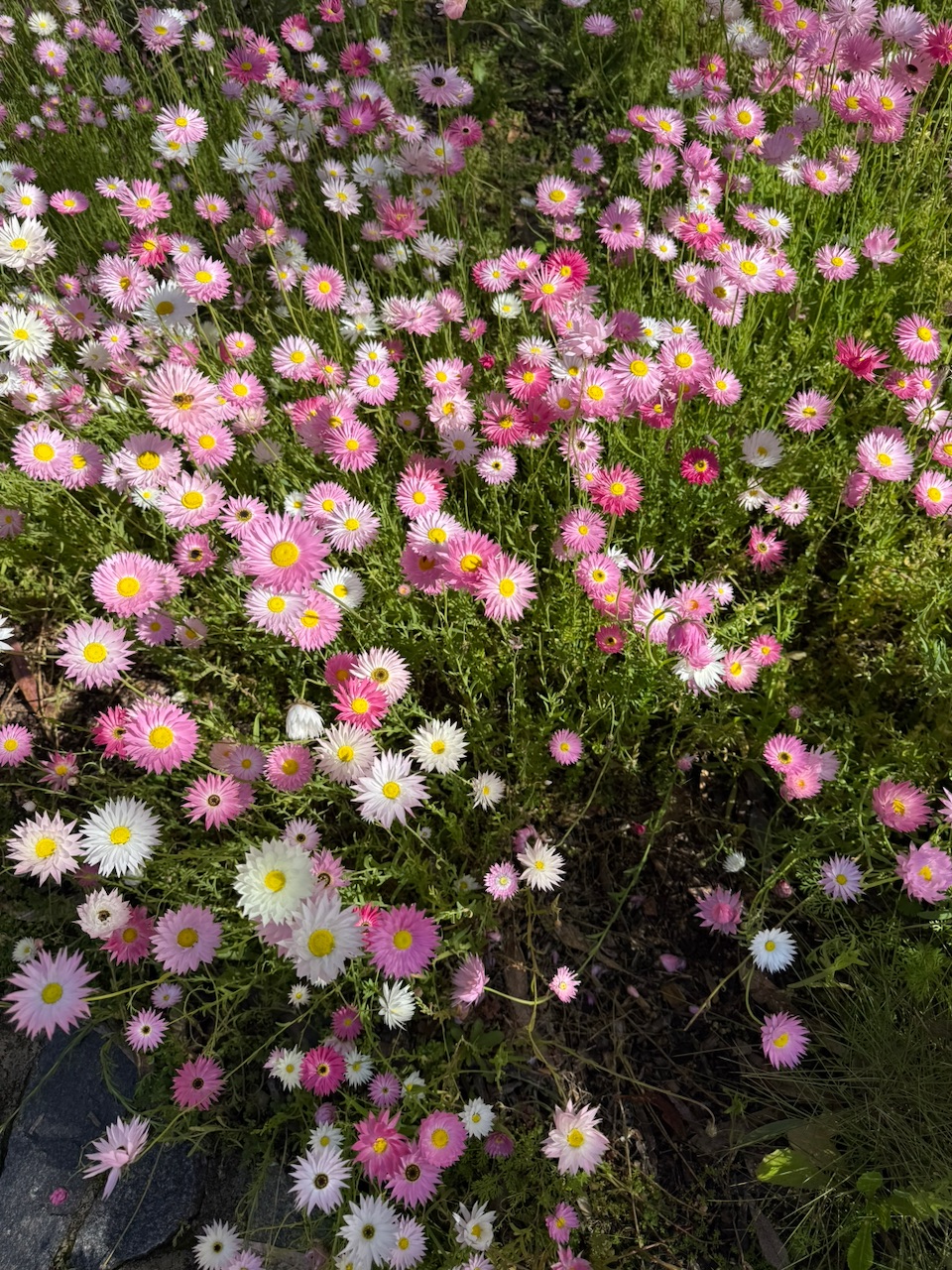
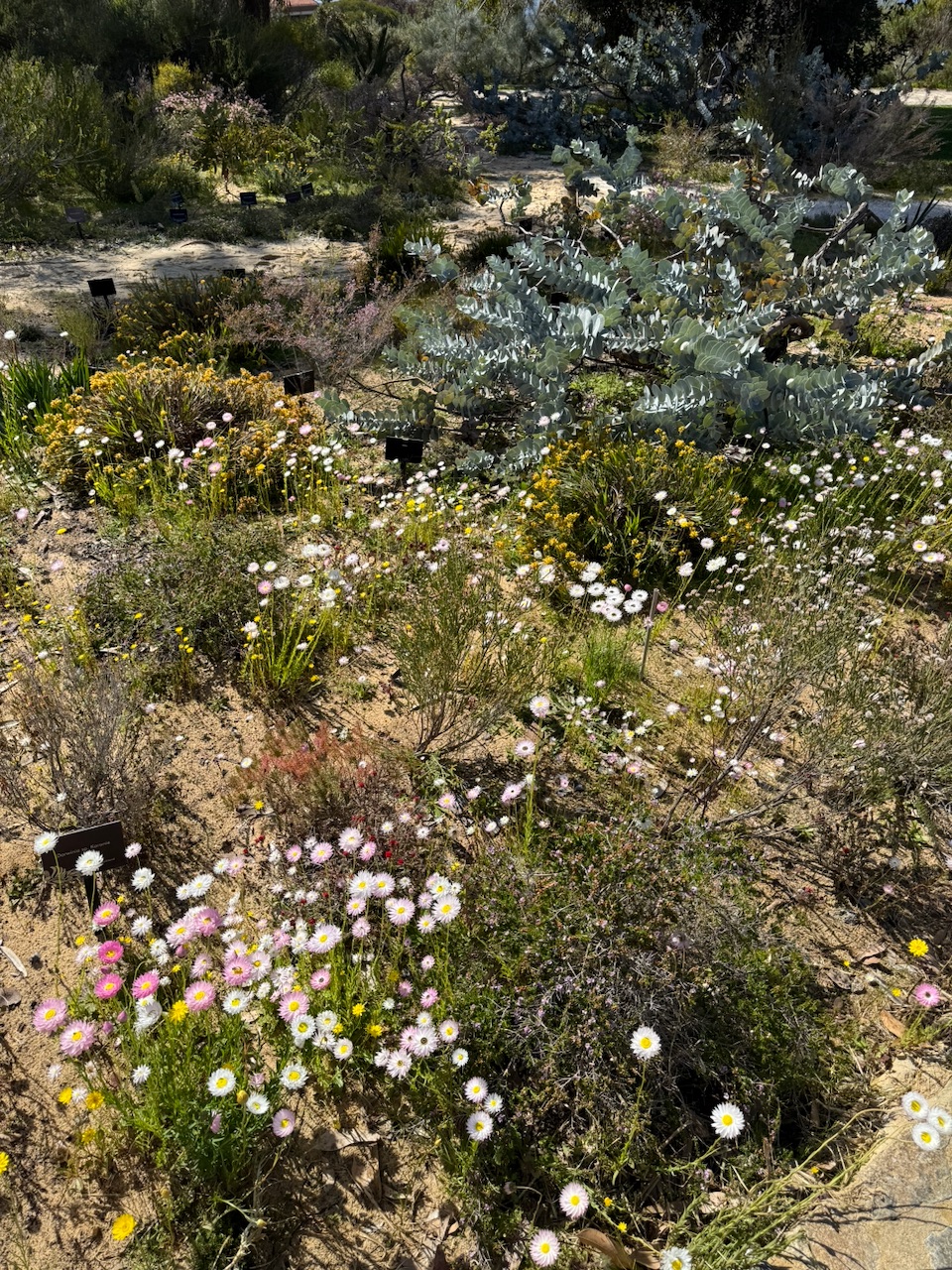
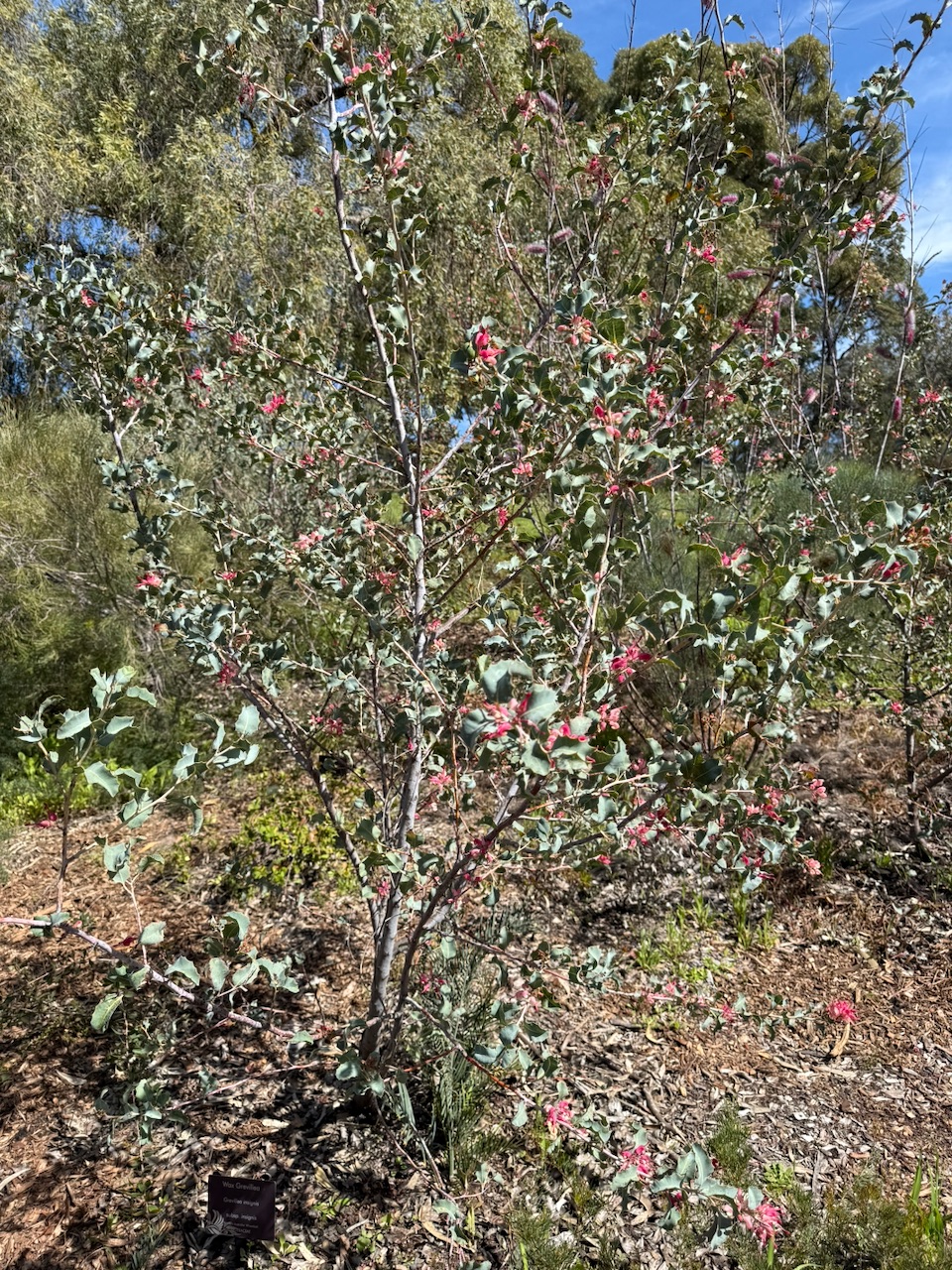
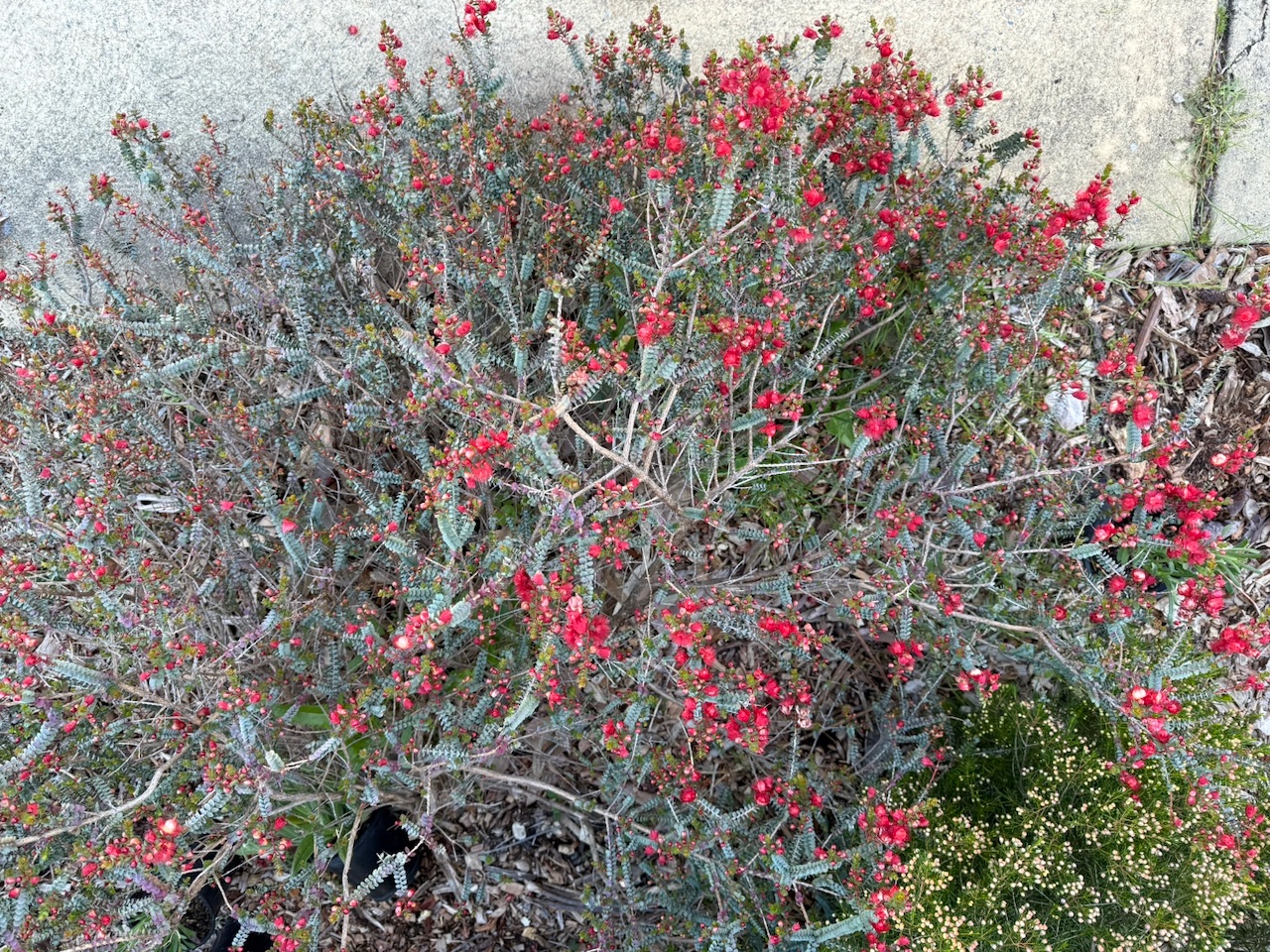
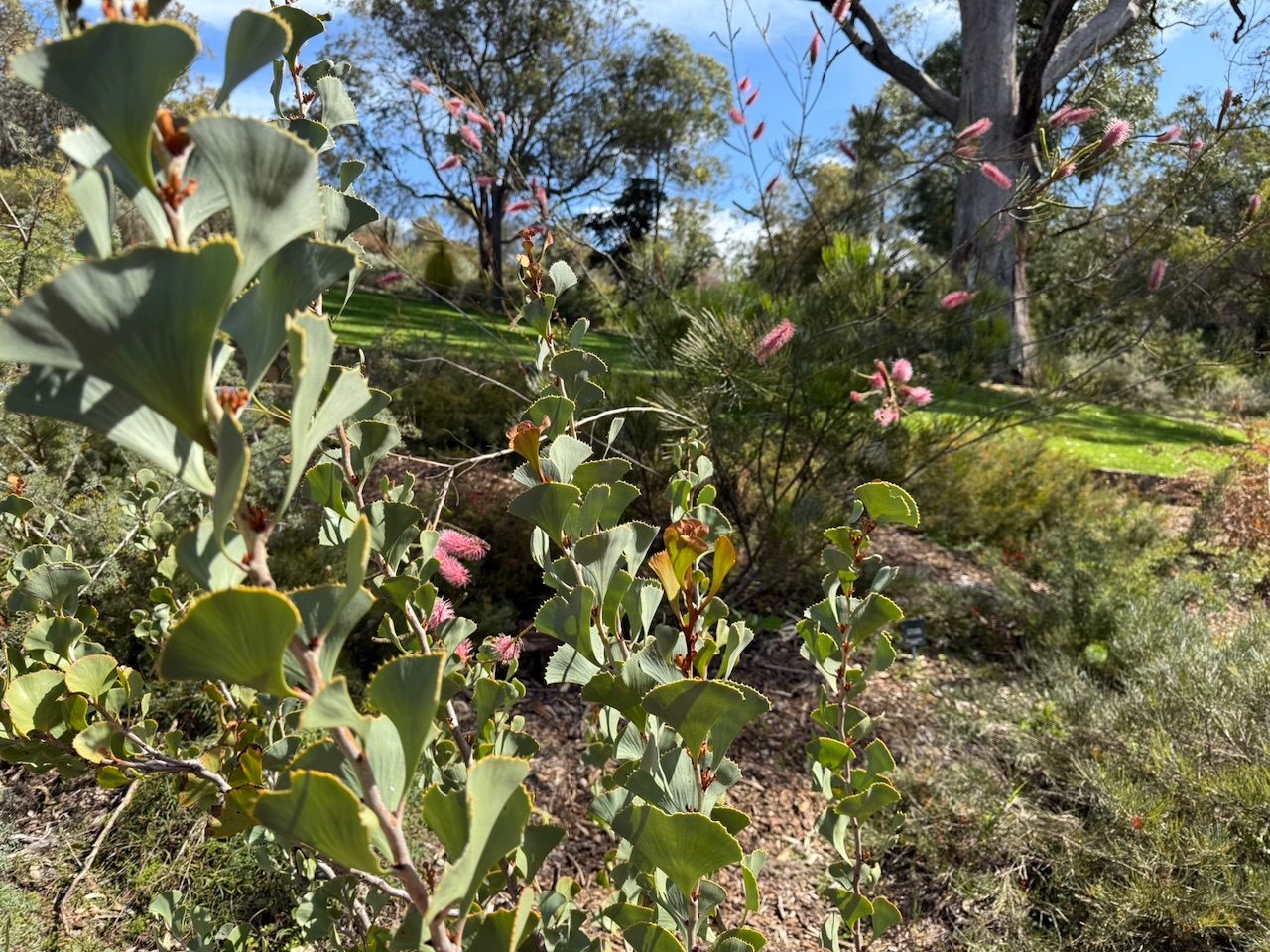
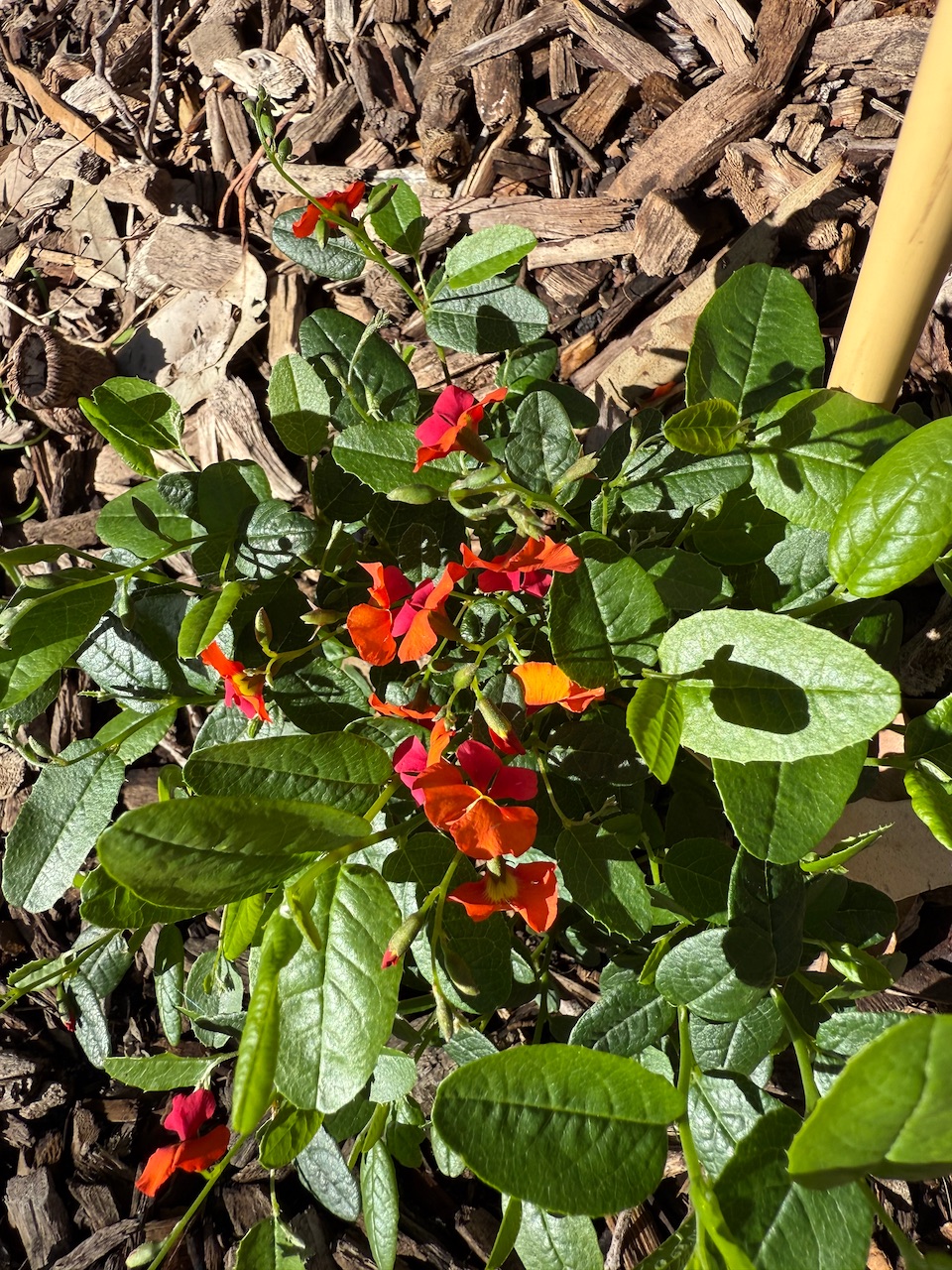
Meanwhile I went to the Regional Wildflower Garden next door and the very misleadingly named Australian Wildlife Park next to it.

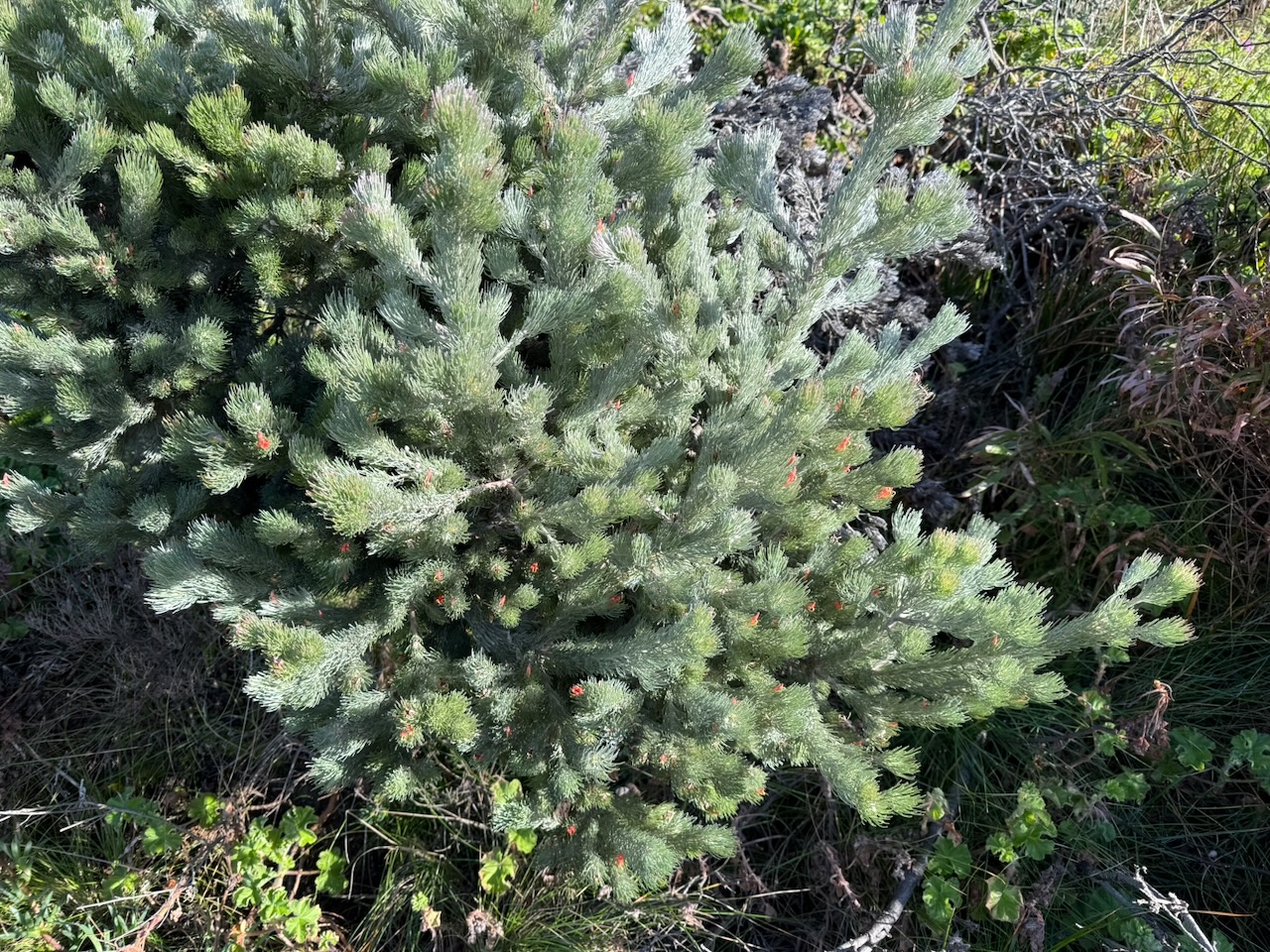
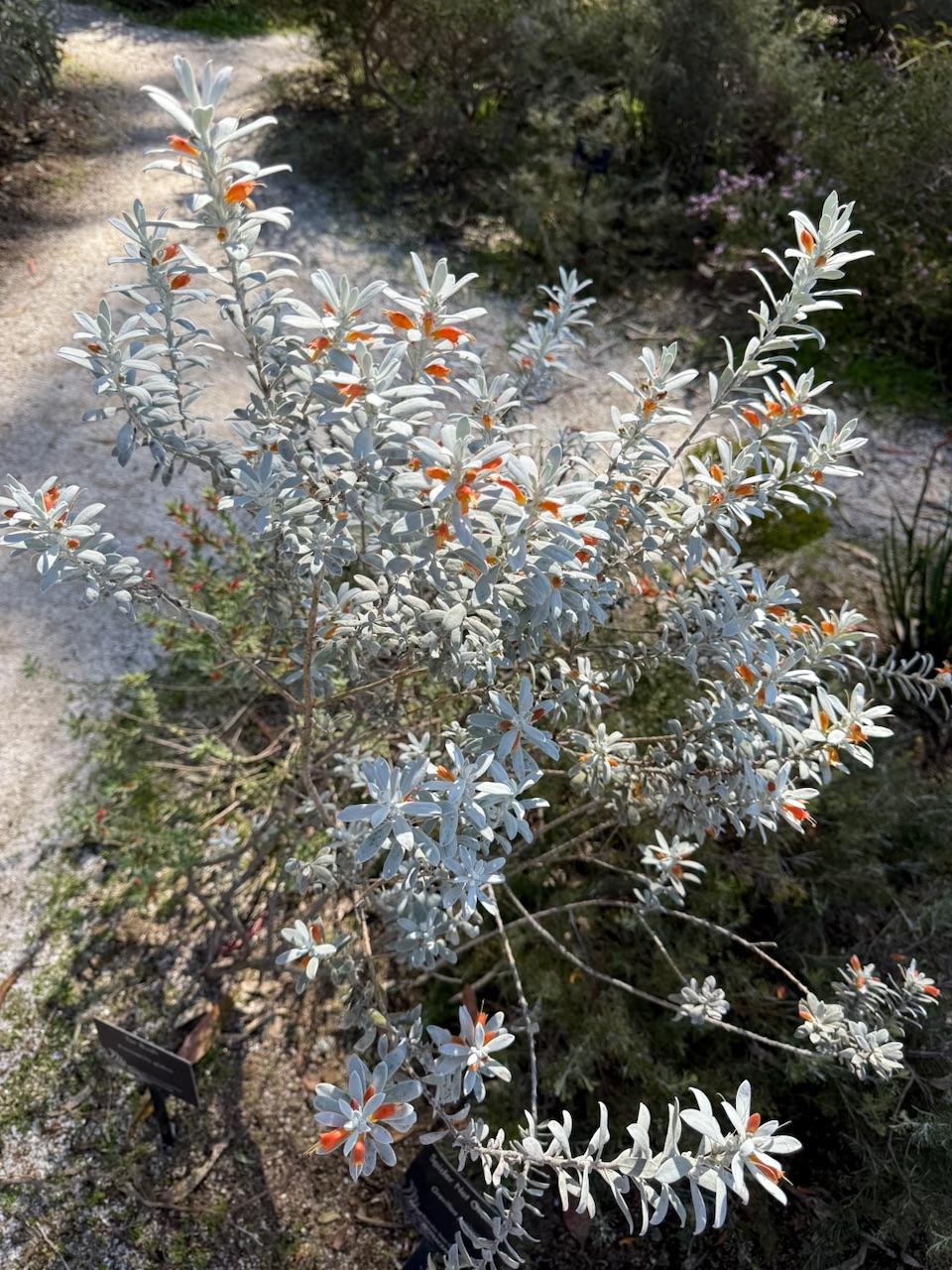
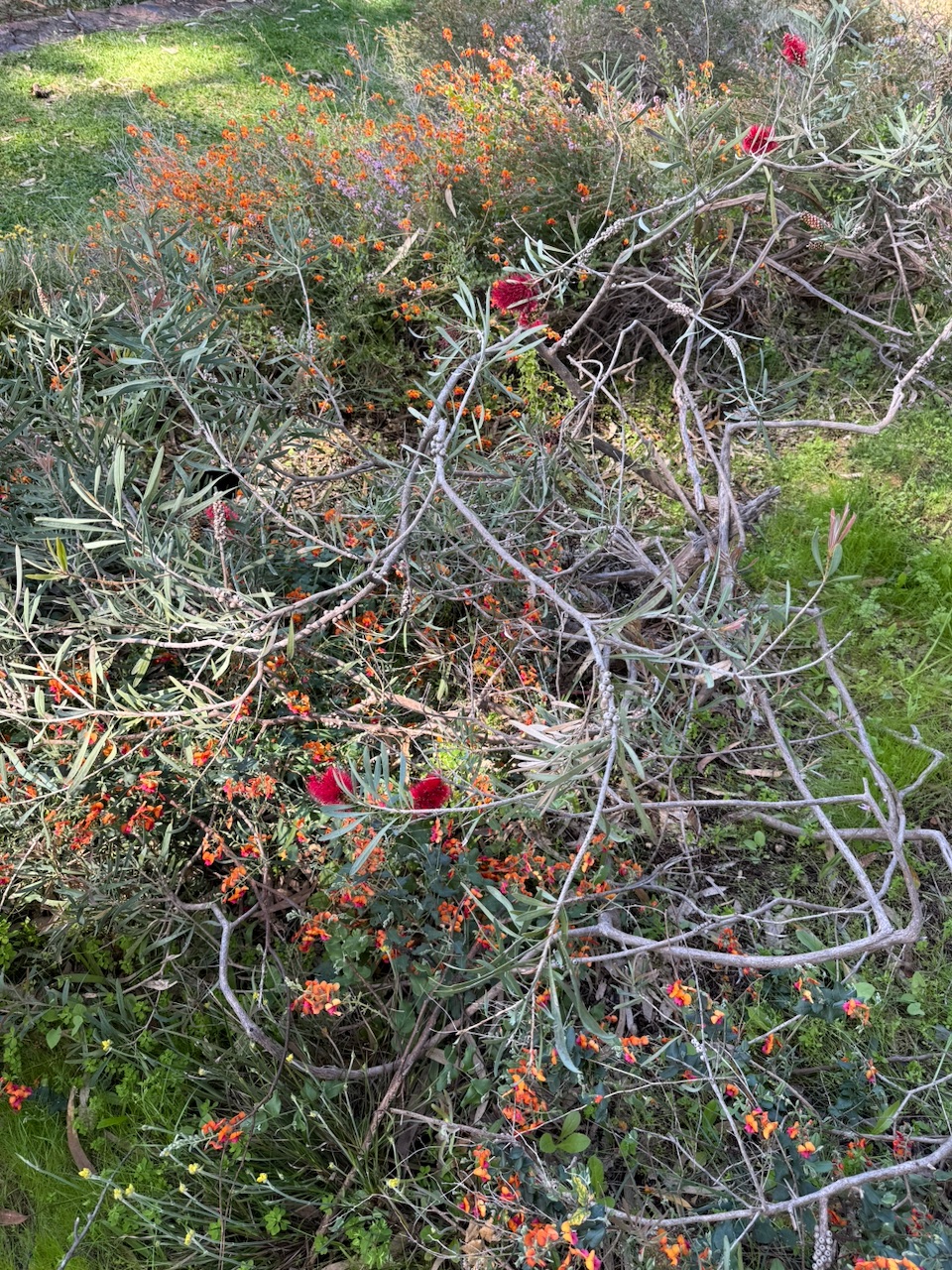
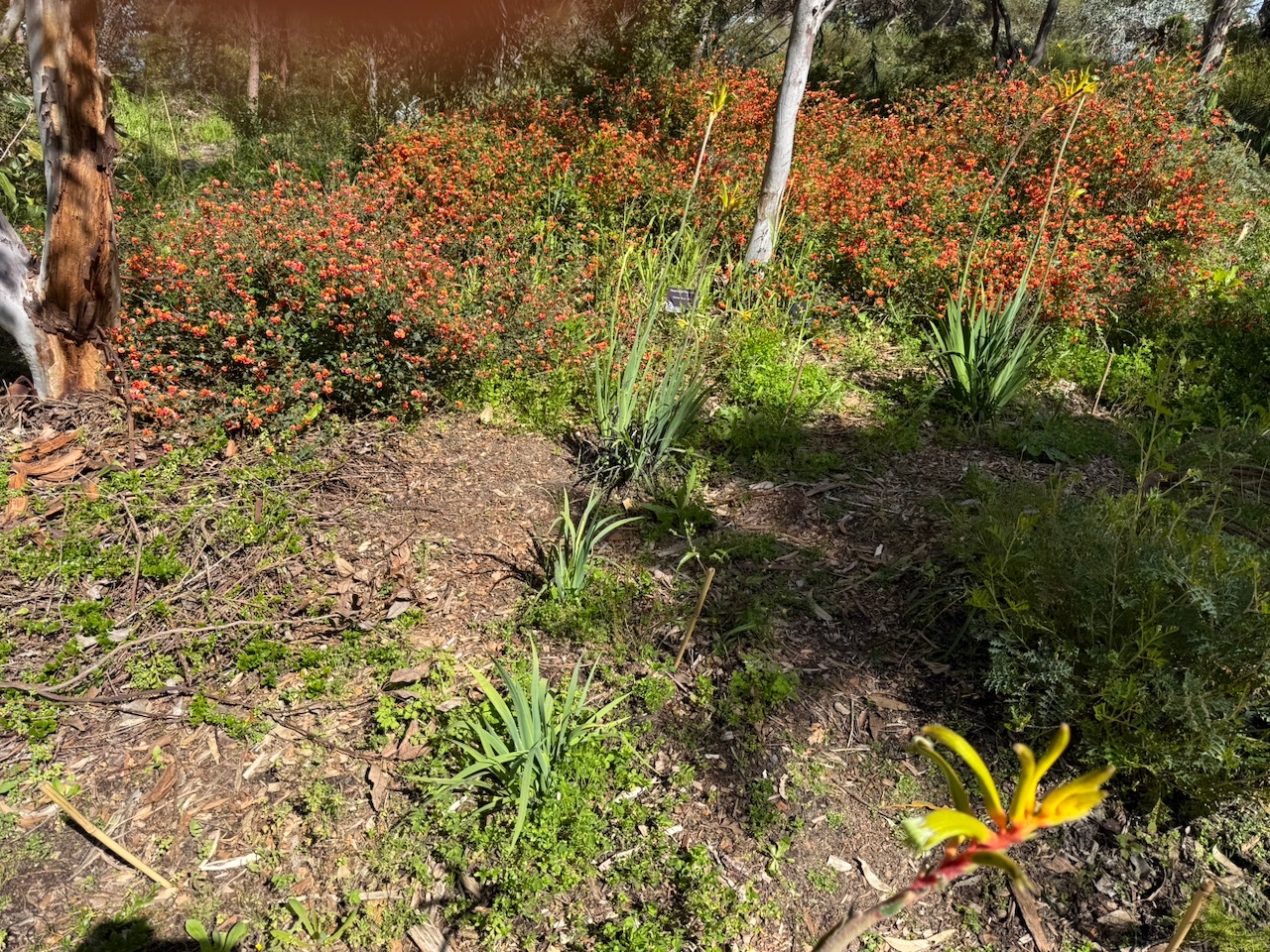
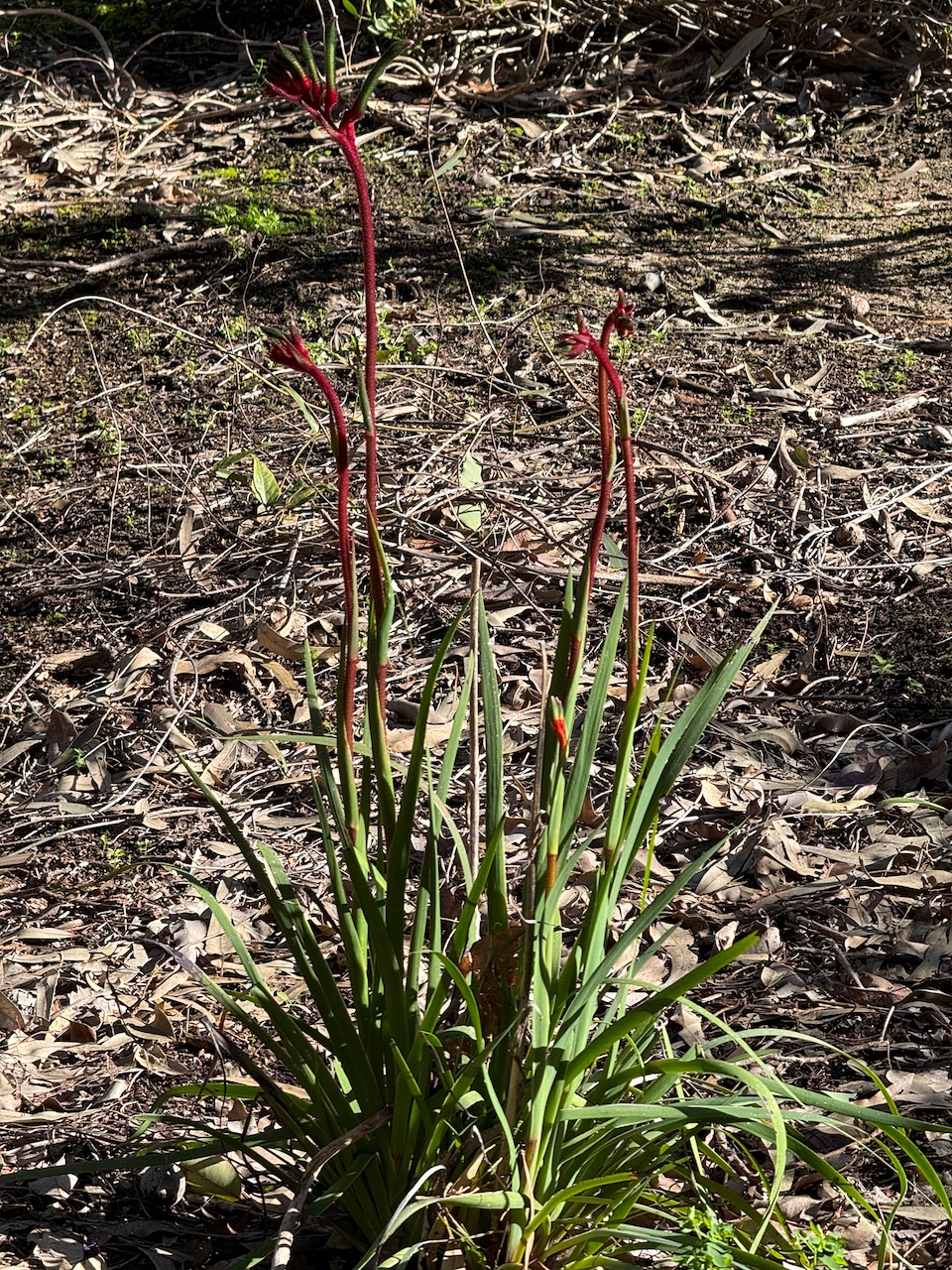
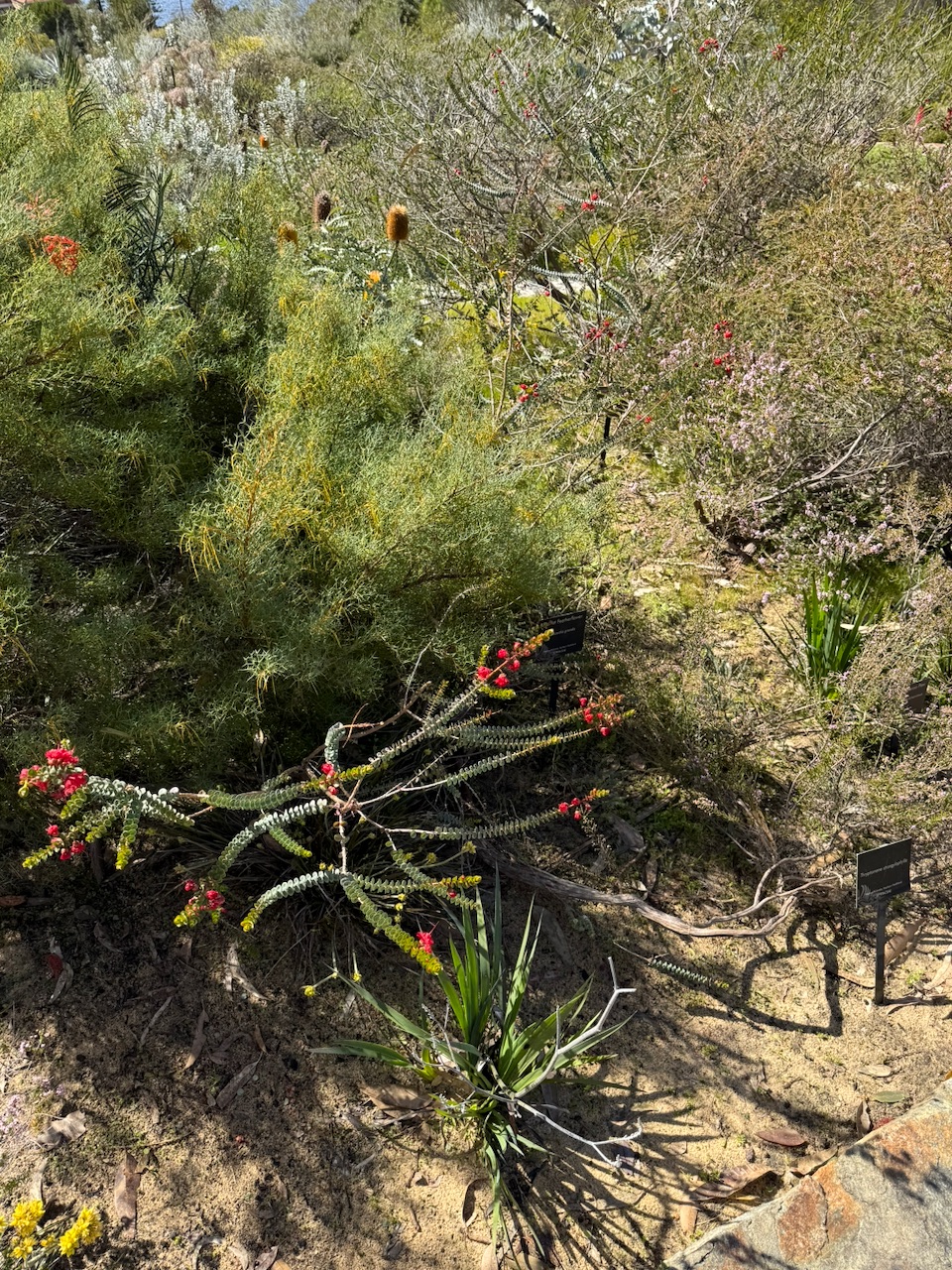
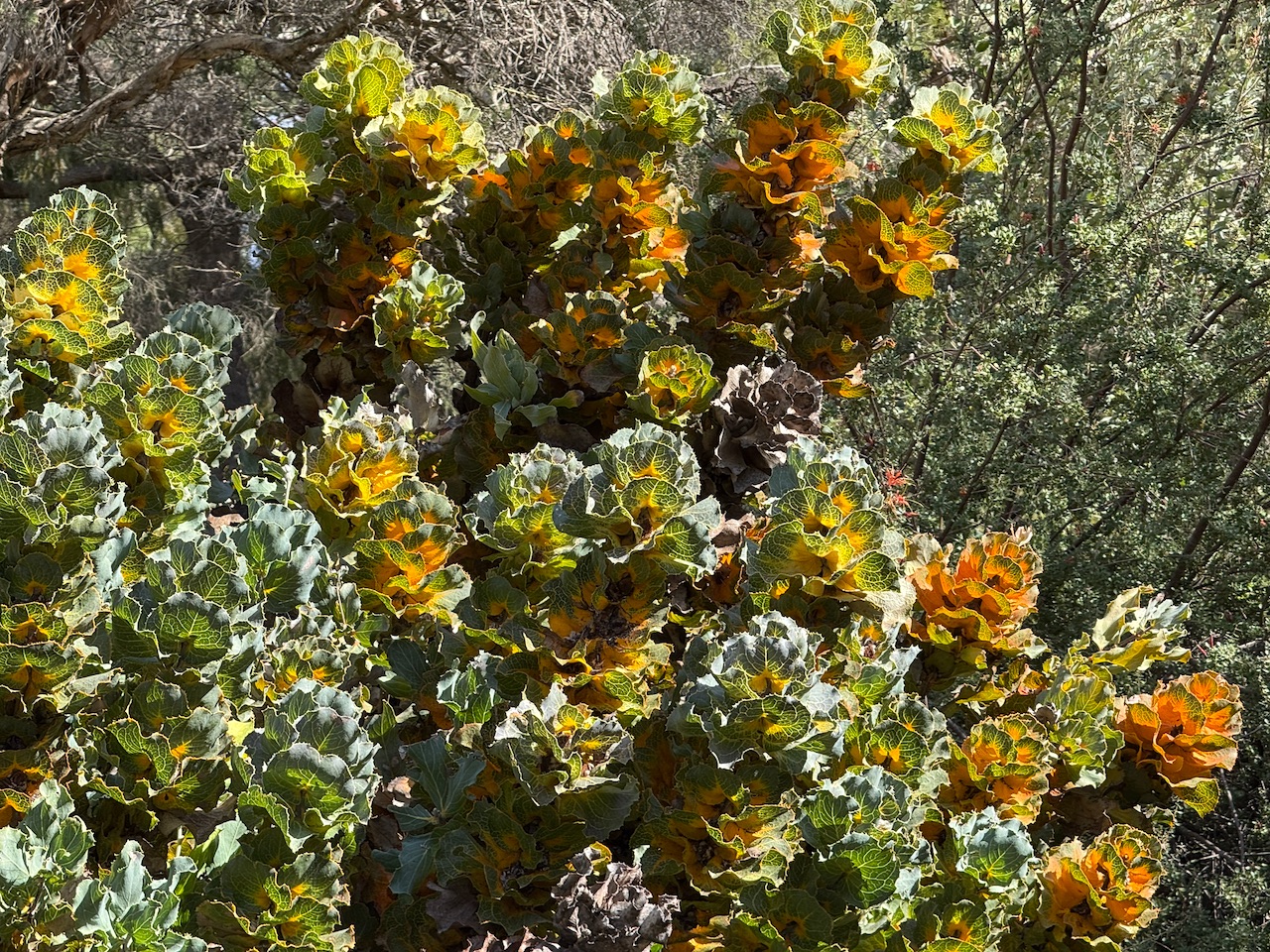
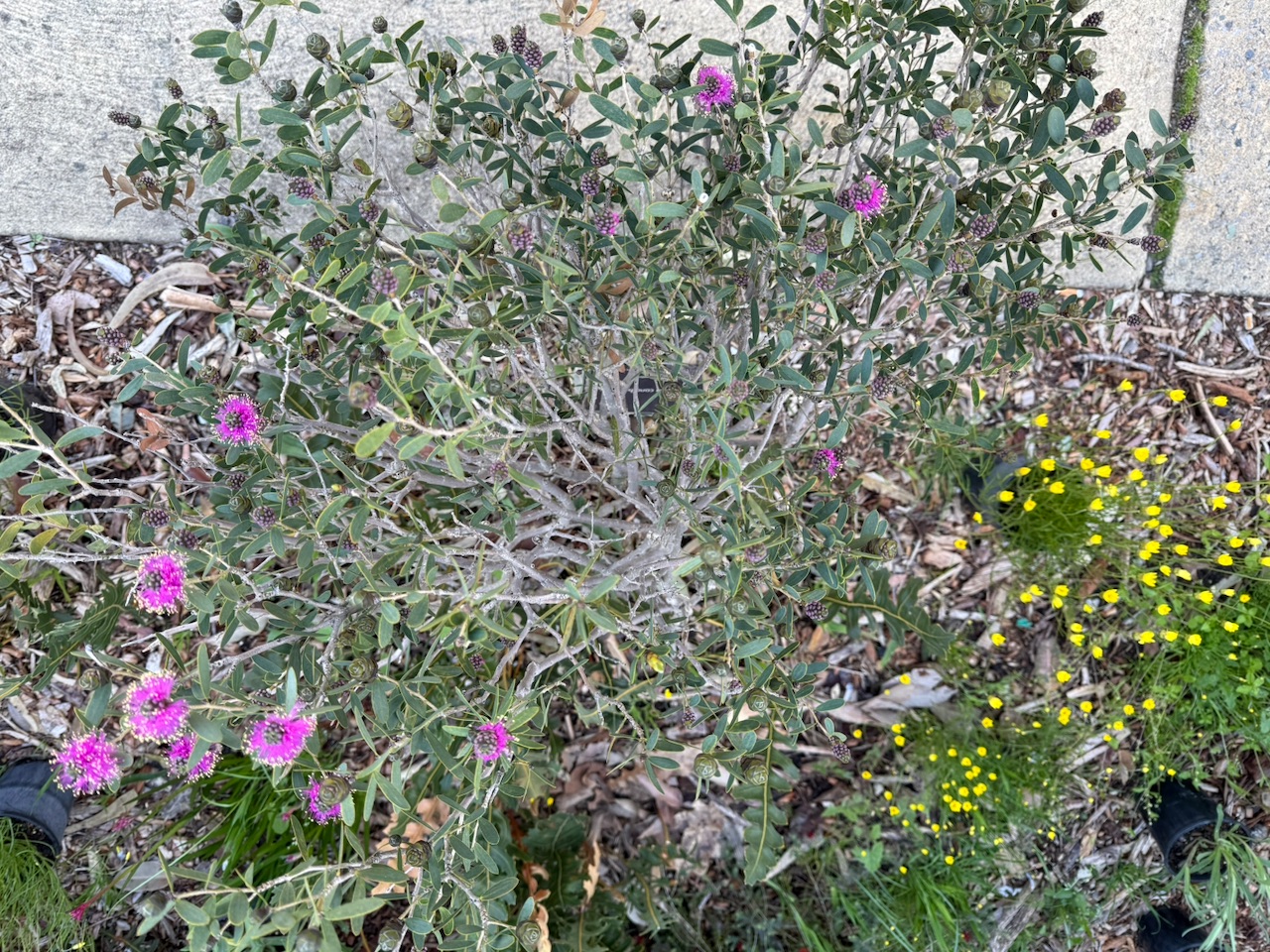
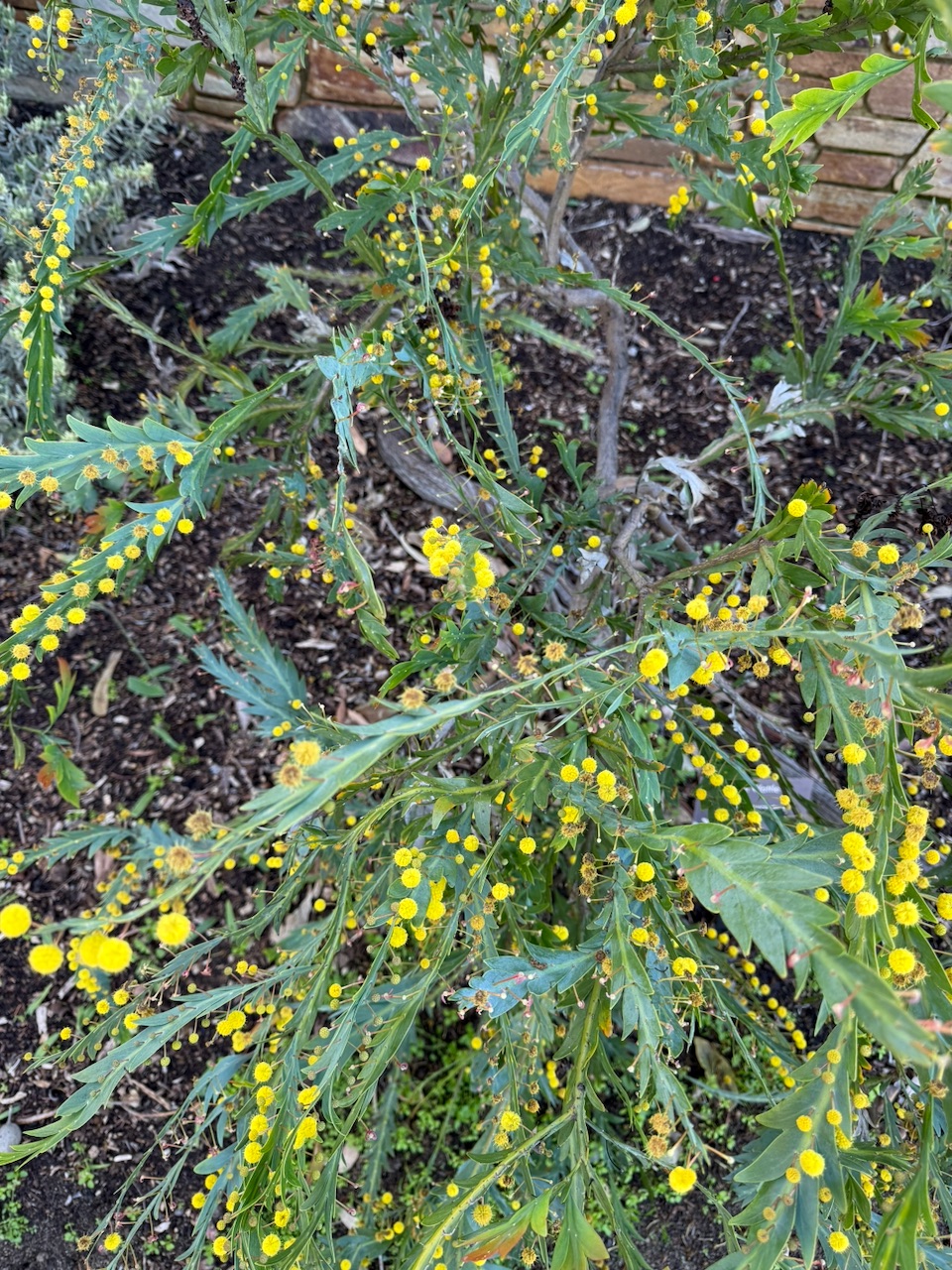
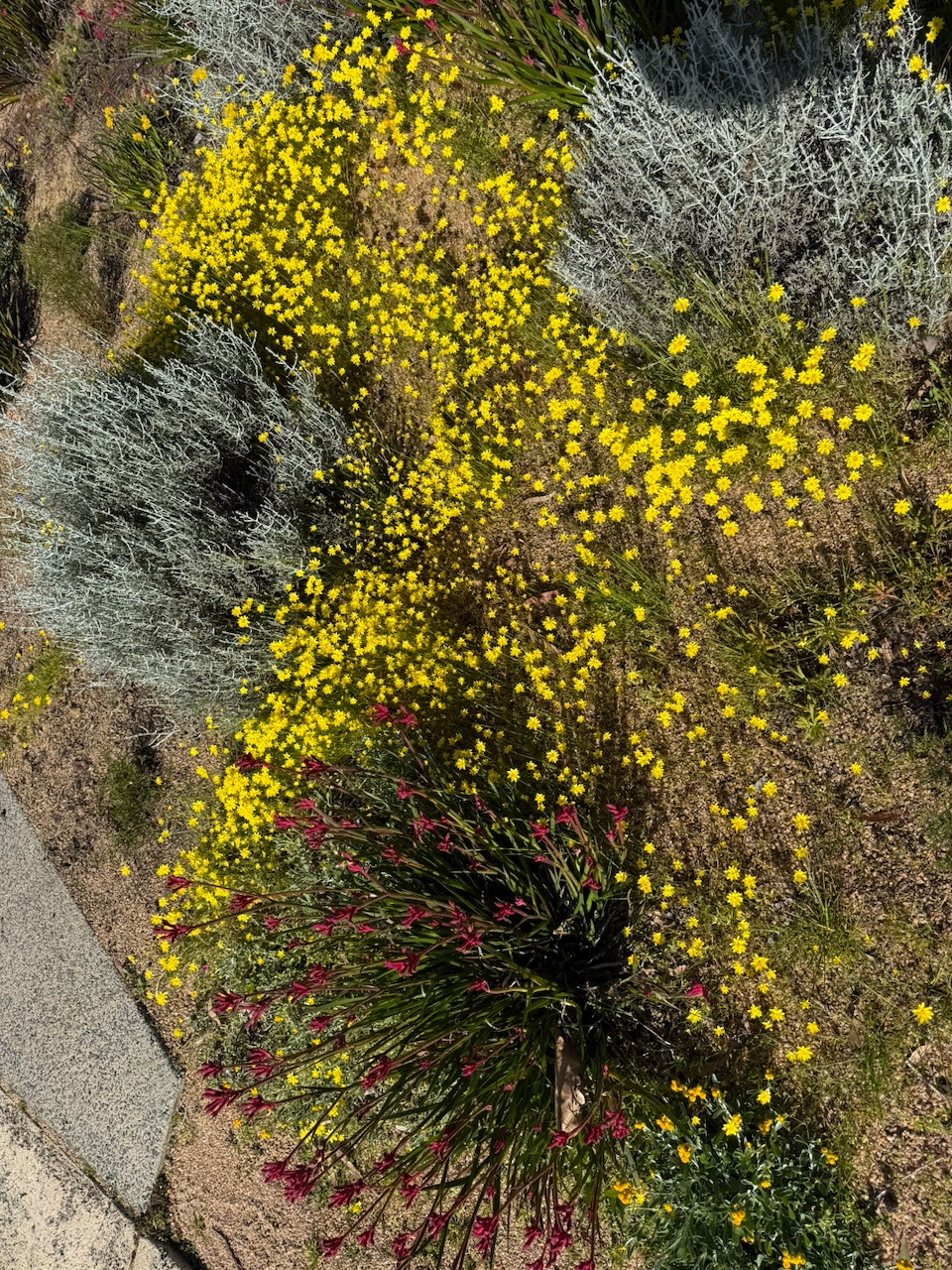
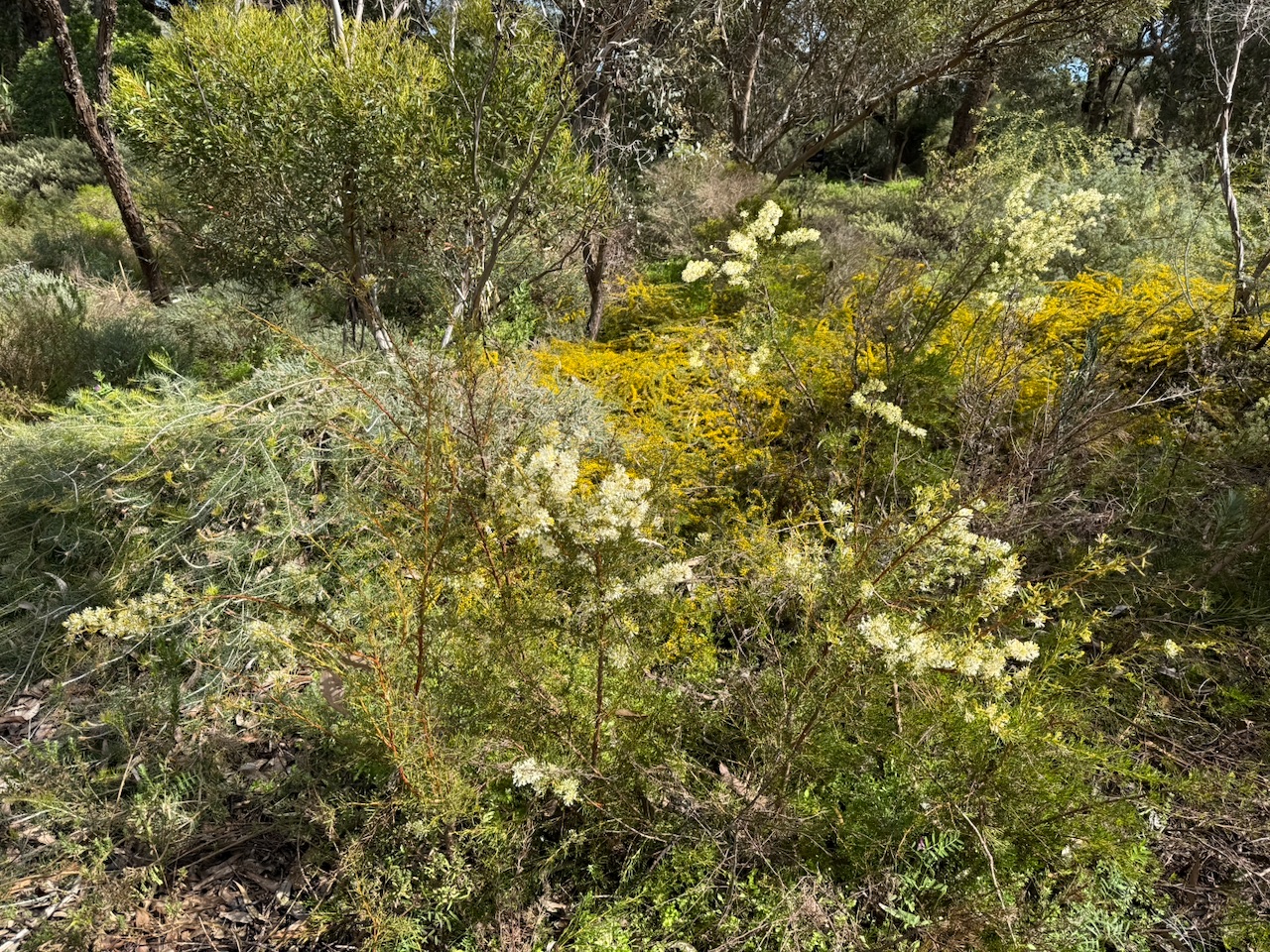
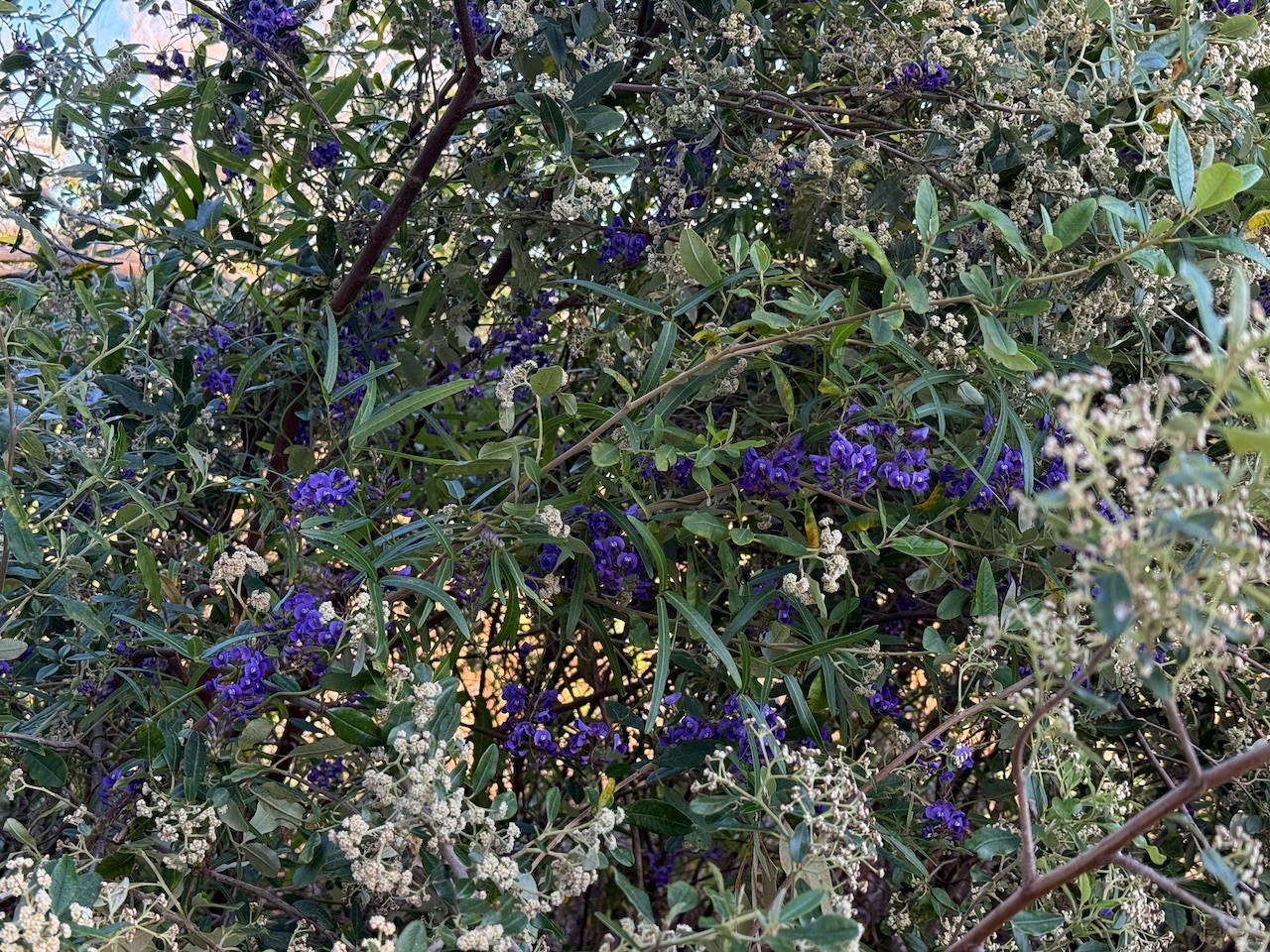
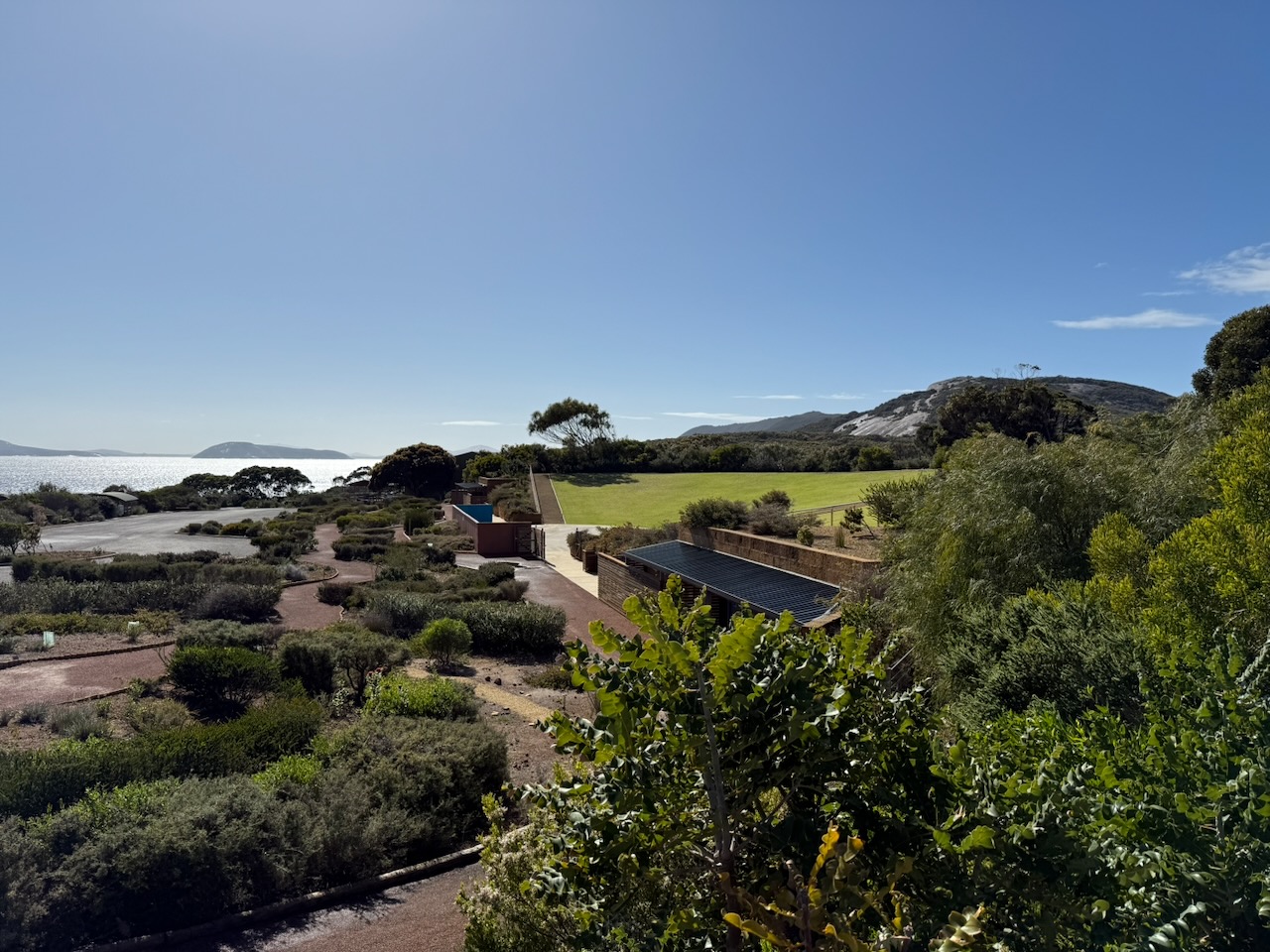
The garden is lovely, and provides a compact introduction to the native flowers of the area.

Unfortunately, on a very cold morning after heavy rain, the decking used to make paths to little lookouts around the garden was covered in mud and slippery as ice. My leg went out from under me, and I did something horrible to my thigh muscles which took weeks to come good, and that severely limited my mobility for the rest of our WA trip.

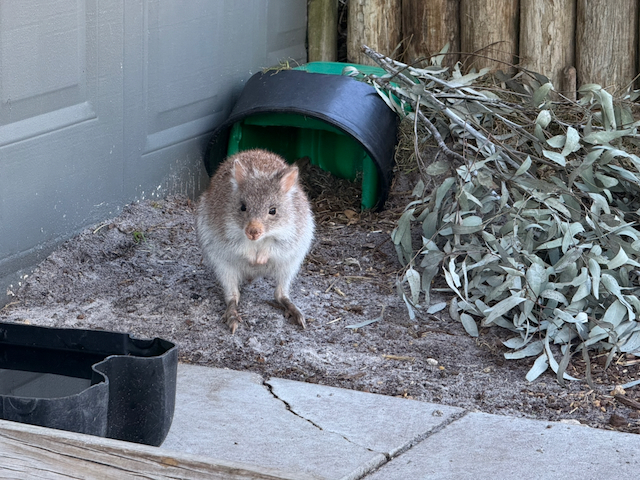
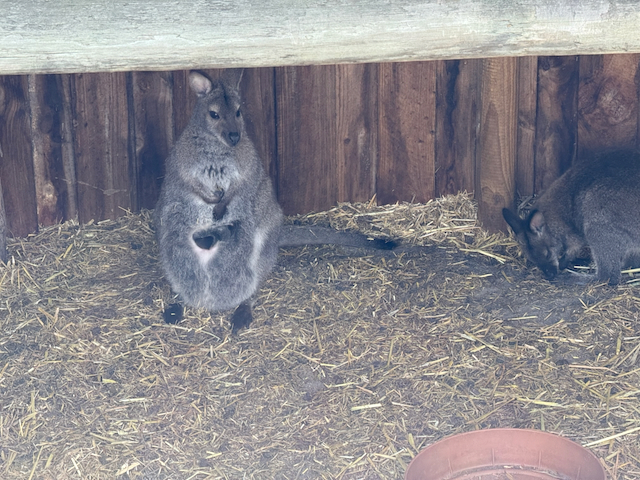
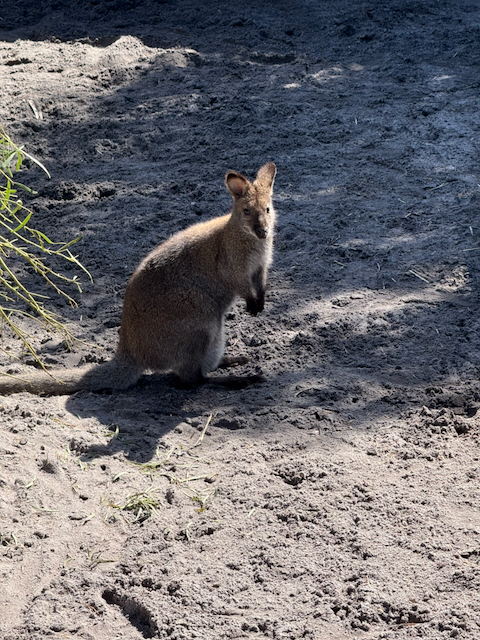
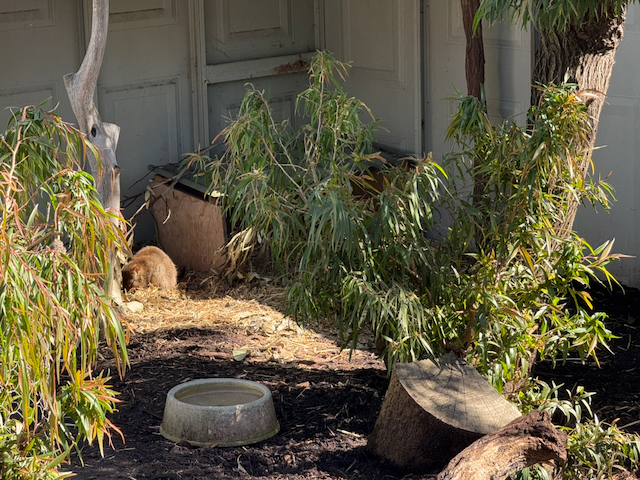
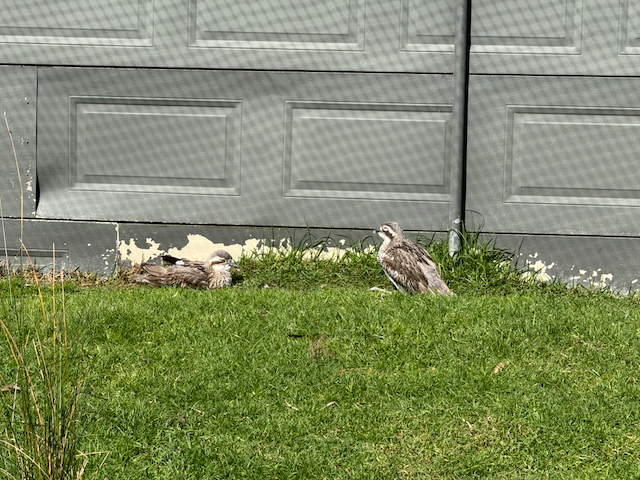
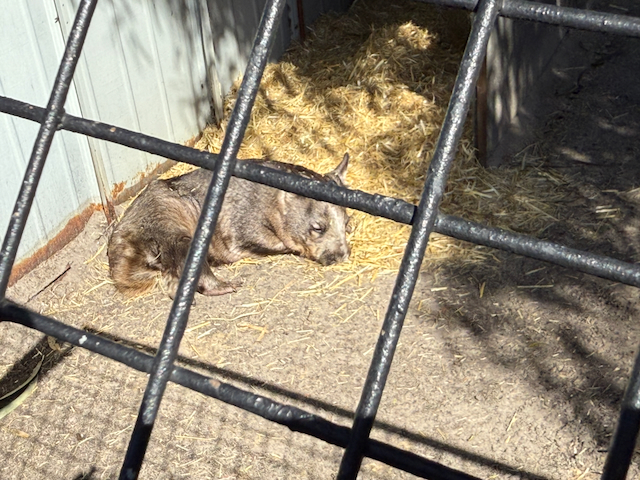
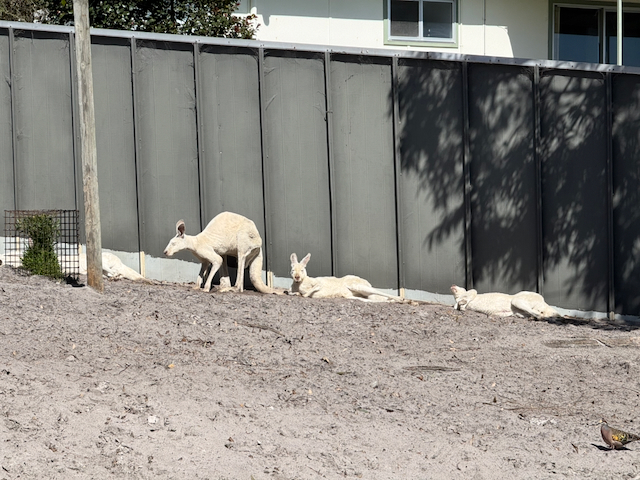
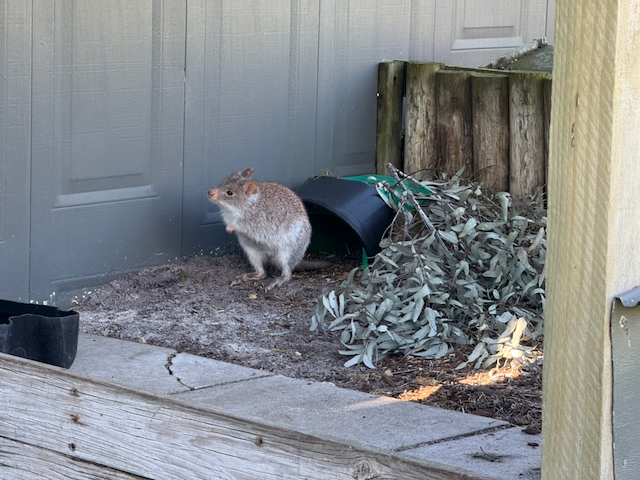
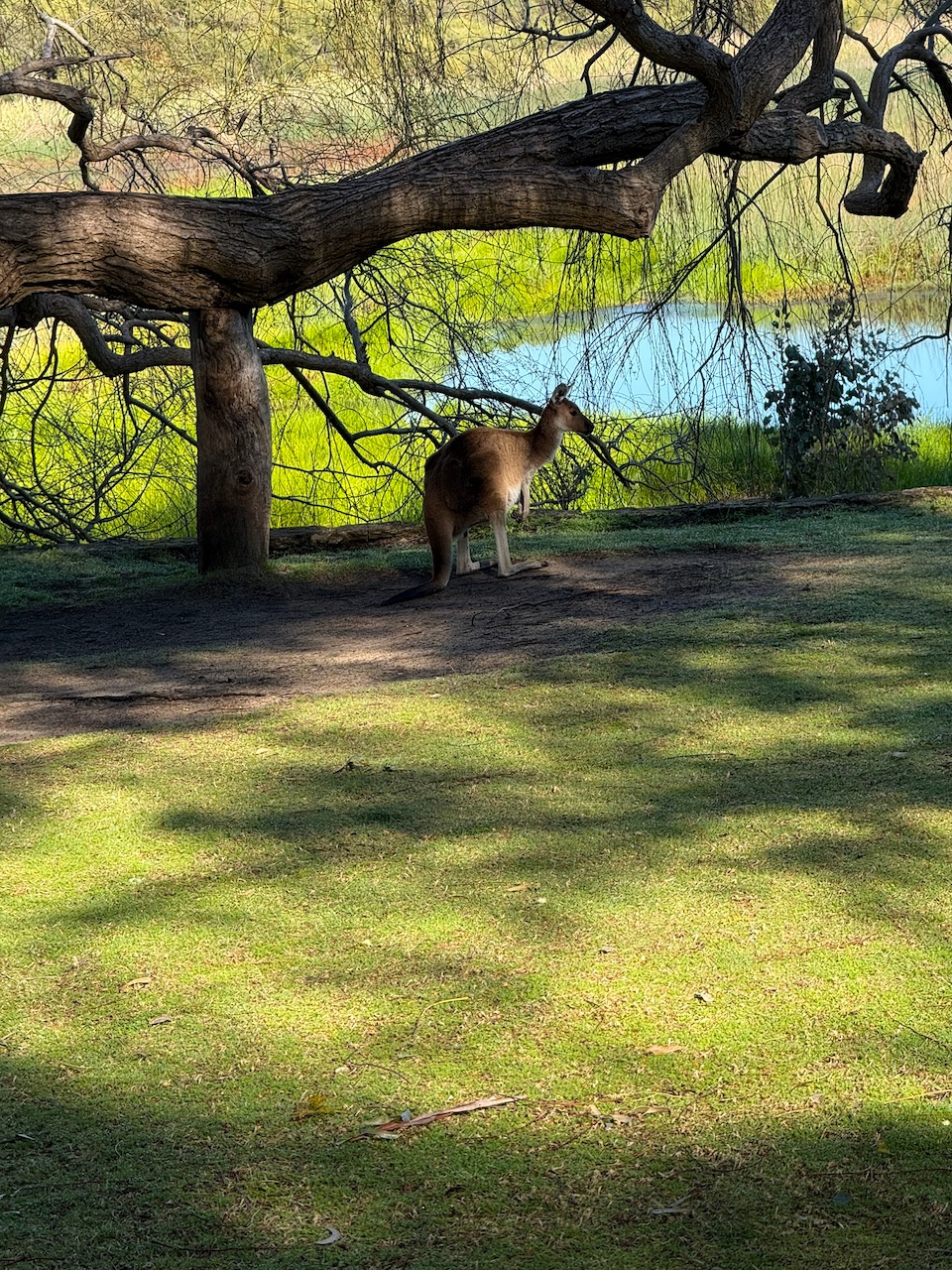
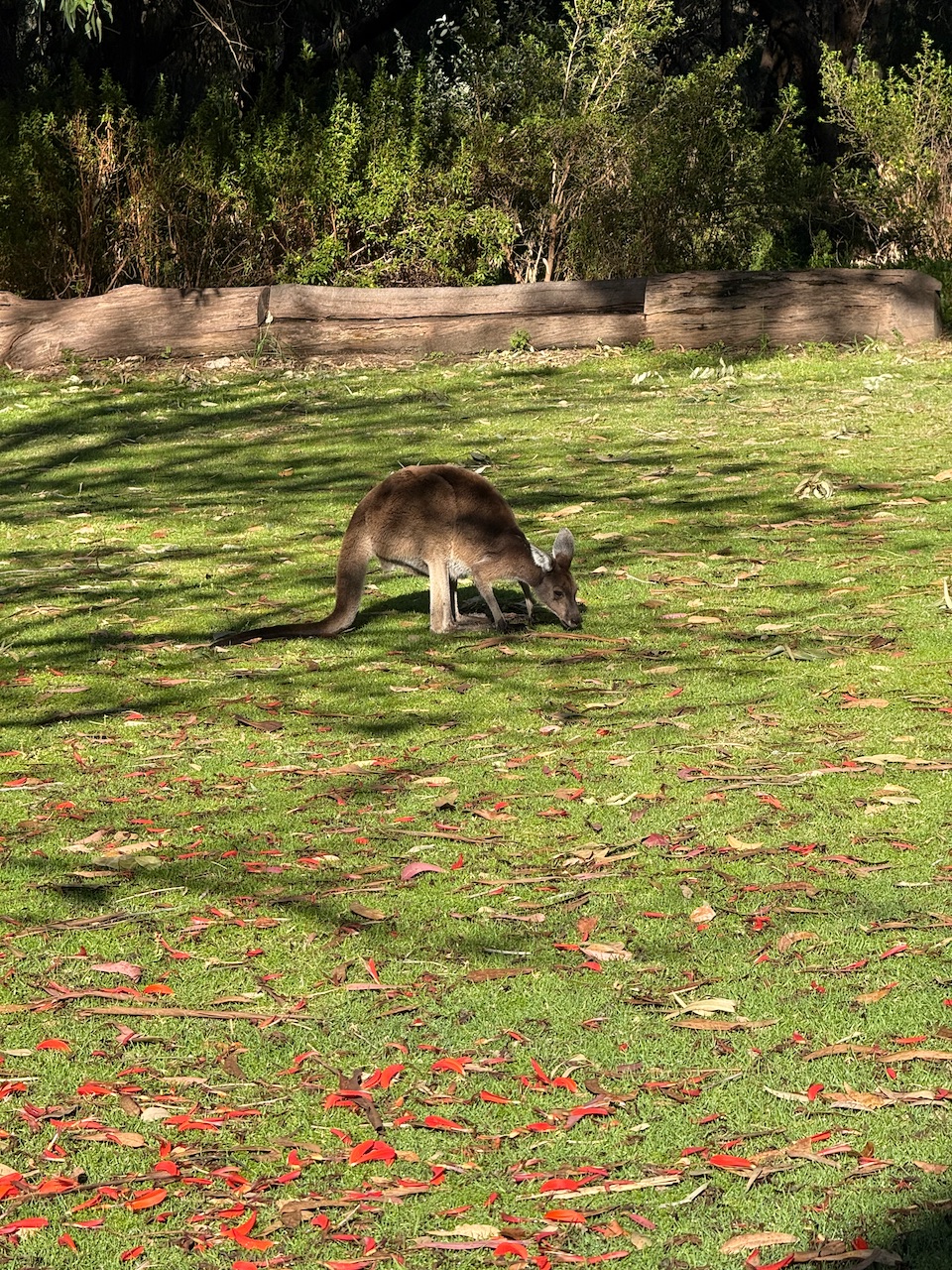
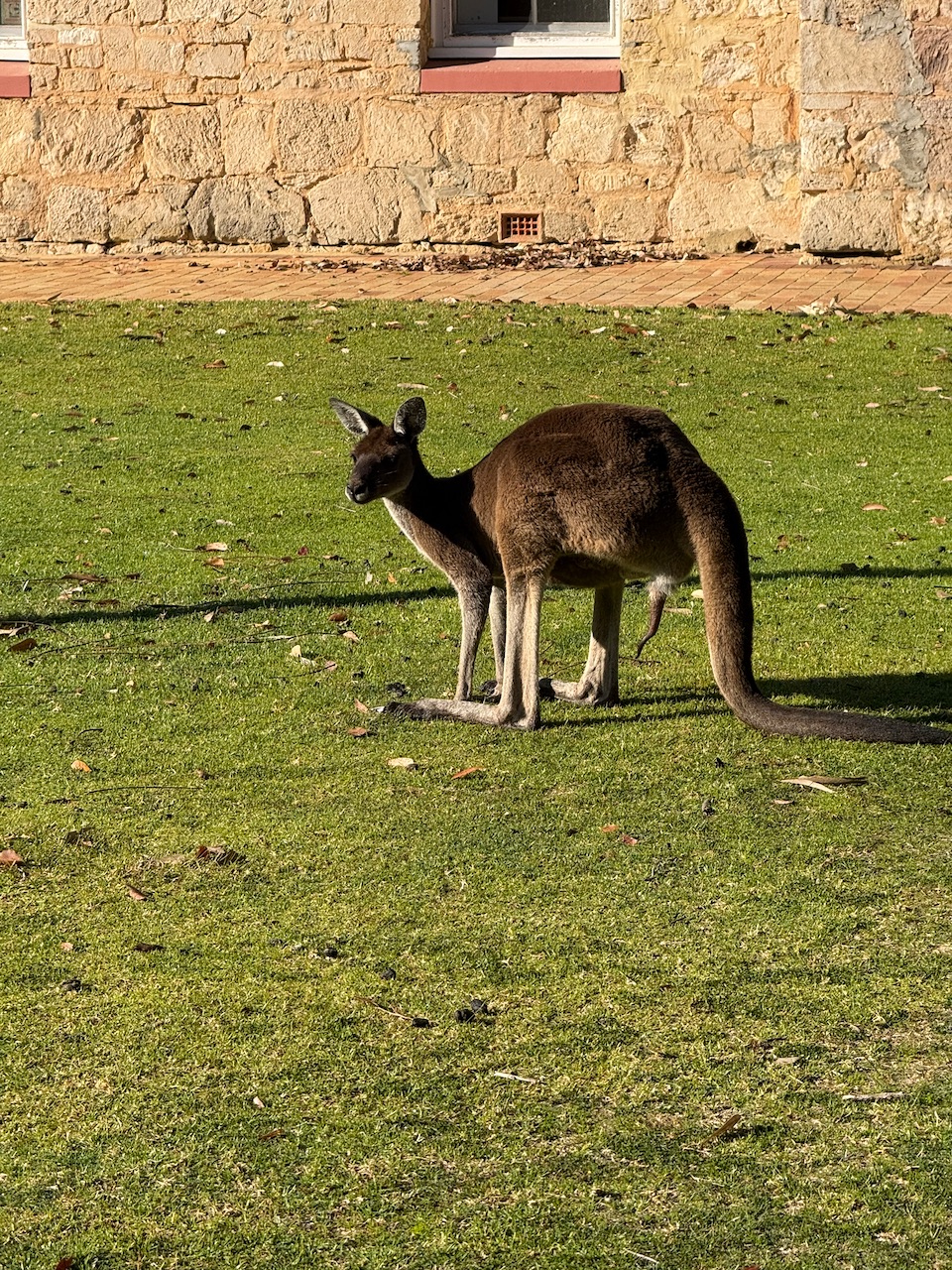
I managed with difficulty to get to the ‘wildlife park’ which was (a) tiny – about the size of our house and garden; and (b) not entirely full of native animals found in the region (like pademelons). It was a bit of a cheat, really. Doug arrived there just as I did, and we went slowly around the enclosure. It was nice to see the animals, but I was in too much pain to enjoy it much.

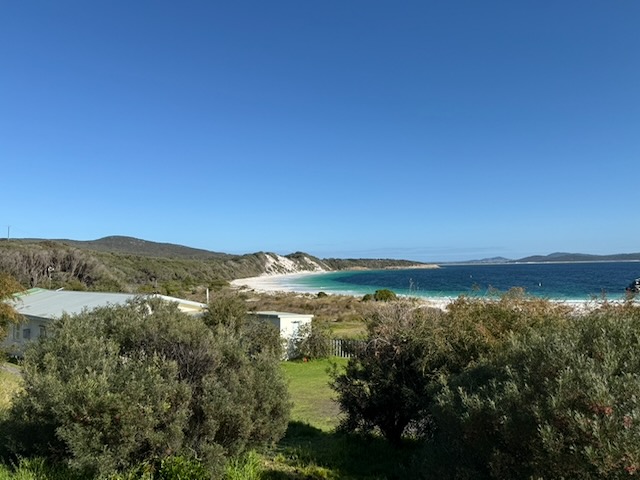
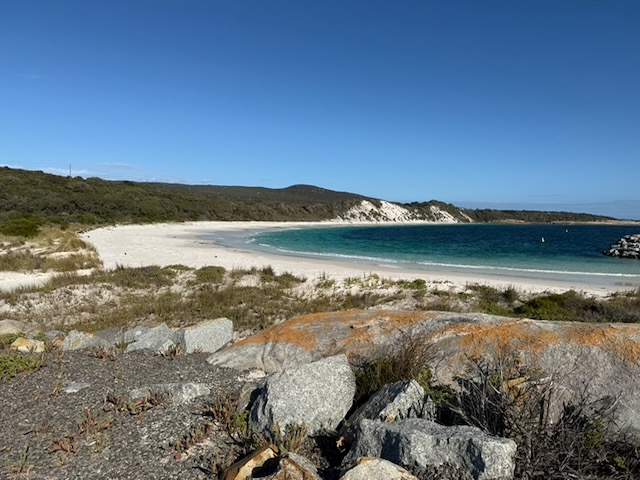
Despite the leg, I could still drive as long as I didn’t try to get out of the car. We drove to Frenchman Bay beach, Peak Head, the Vancouver Peninsula, and back to the Mount Melville lookout from which, this time, the views were perfect.

I gave up on sightseeing after that, but Doug wanted to see the Amity Brig, he did that and visited the Albany museum as well while I stayed in the apartment.

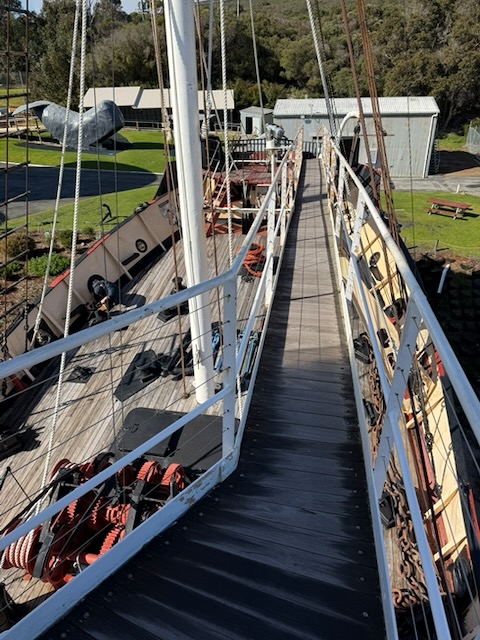
“The Brig Amity is a replica of the original vessel which brought the first white settlers to Albany.  Open to the public, for a small entrance fee you can roam above decks and explore below deck to see how the crew members lived during their journey from Sydney across the Great Australian Bight, finally arriving in Western Australia for the first time. The Replica was built in 1975 and is placed a few hundred metres from where Major Edmund Lockyer and the party of forty-five arrived on the shores of Princess Royal Harbour on Christmas Day 1826, officially being the first people to land and settle in WA.”

Middleton Beach and Emu Point

The weather forecast was just awful for the next day, a Sunday, but we thought it was worth going out somewhere, even if Doug wasn’t going to make it to the one place he hoped to go while in Albany.

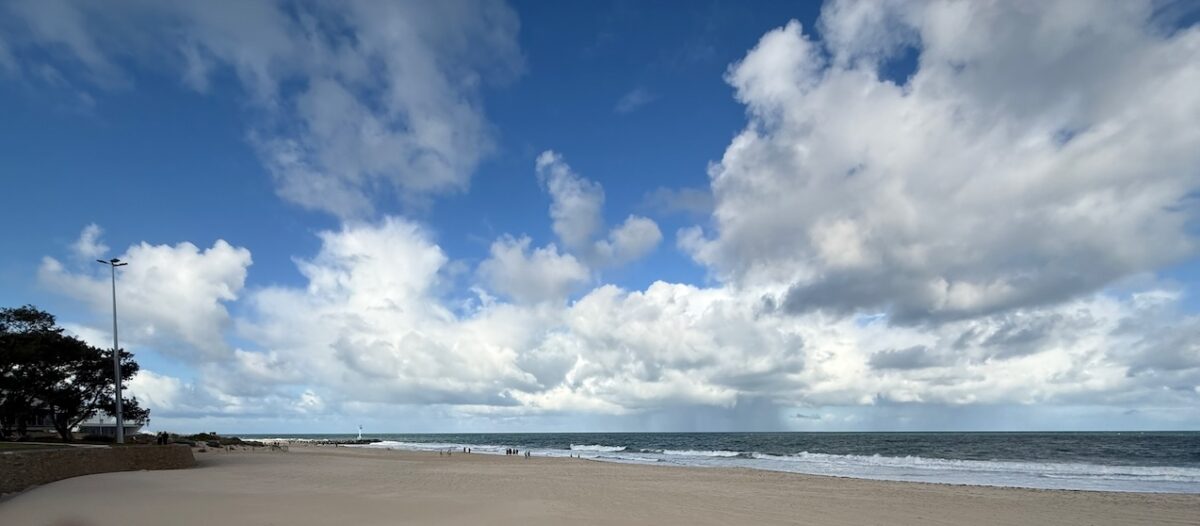
We drove to Emu Point, had a hasty coffee before showers returned, and drove back via Middleton Beach, which is probably amazing in sunshine. In the rain, not so much 🙂

West Cape Howe and Torndirrup National Parks

Weather forecast was for heavy intermittent showers, but we were lucky enough to have beautiful weather until nearly noon, time enough to see quite lot of the gorgeous Torndirrup NP, and to drop into the historic whaling station to find out if it was worth visiting and when it was open. Though not long enough to go into the whaling station for a proper visit because it started to tip down just as we left there. (Never mind, we went back two days later!)

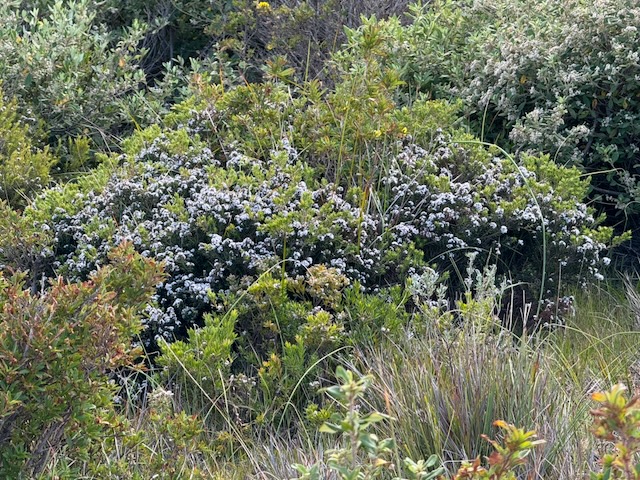
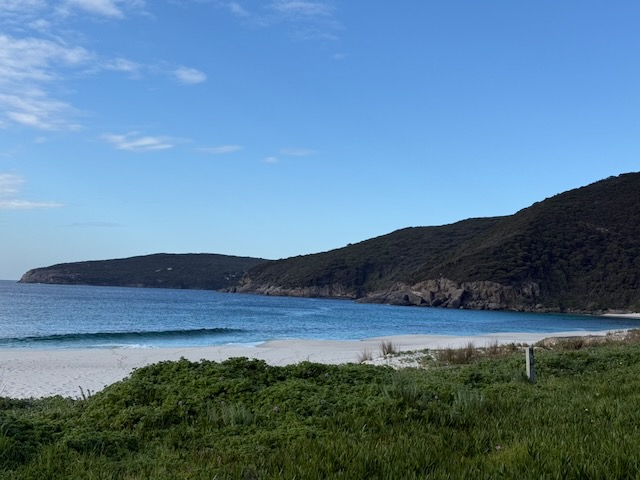
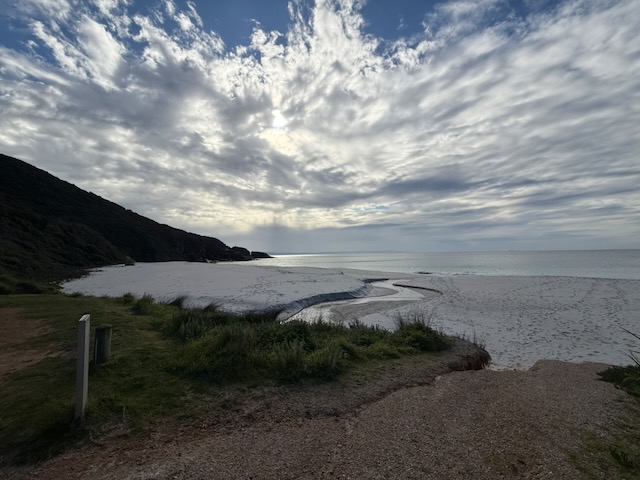
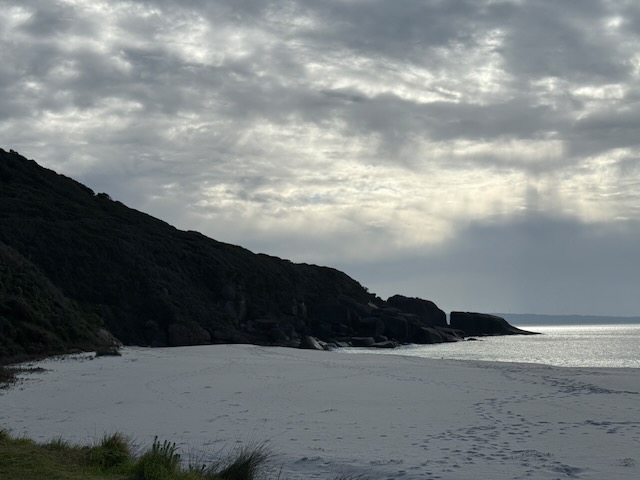
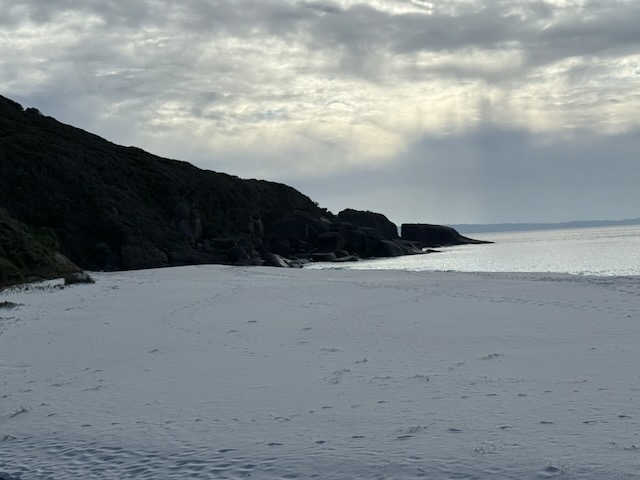
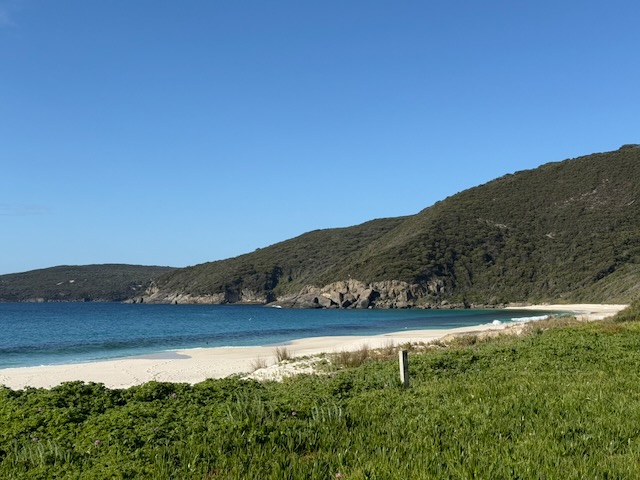
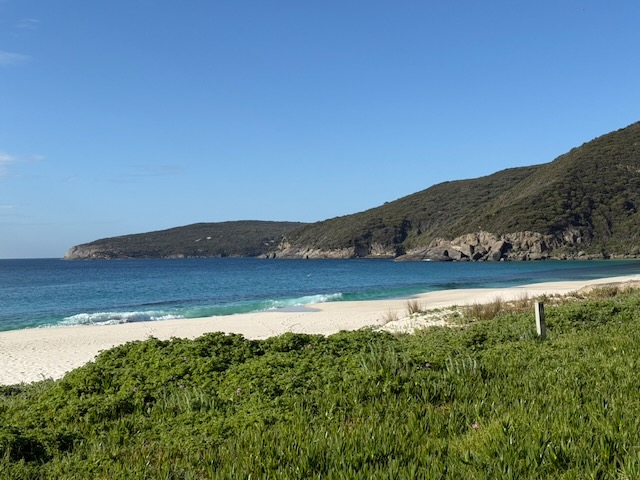
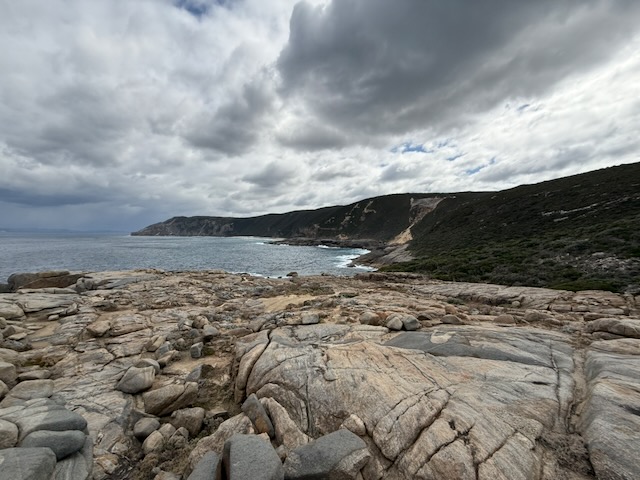
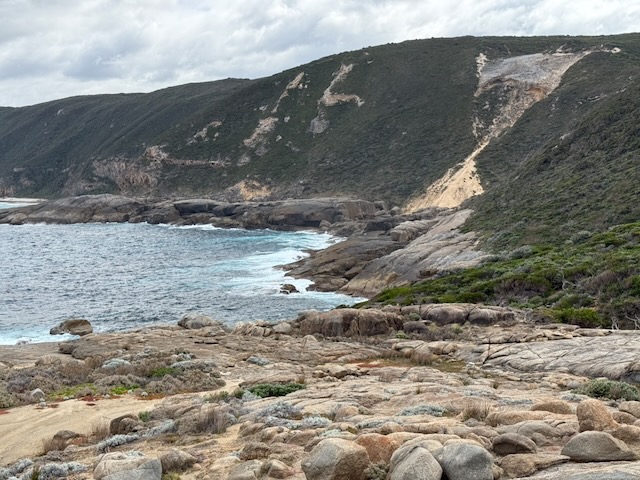
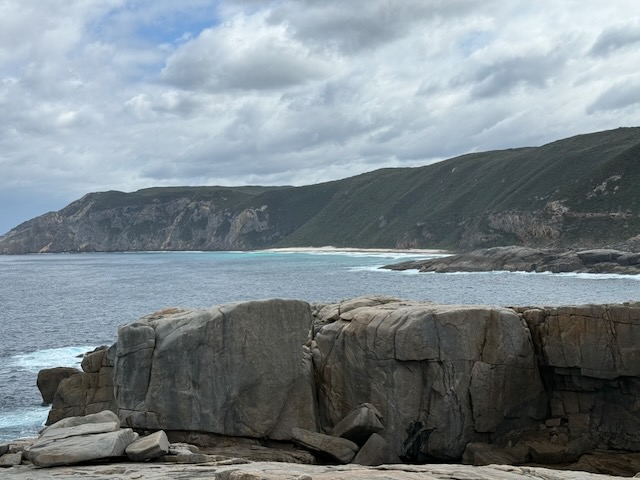
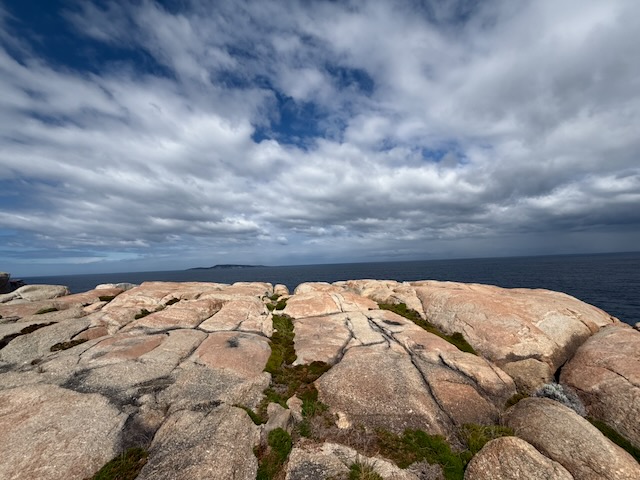
The national park is pretty big with lots to see, so doing it in two days was fine by me. Our first stop was in a national park on a peninsula west of Torndirrup –West Cape Howe NP. Though we drove through showers, when we arrived at Shelley Beach, the rain had stopped, and we got some spectacular skies as well as the scenery.

There is no 2Wd access to Muttonbird Beach and Shelter Rock so we had to make do with the lookout (and, unfortunately, the most disgusting public toilet I’ve ever seen in any country!)

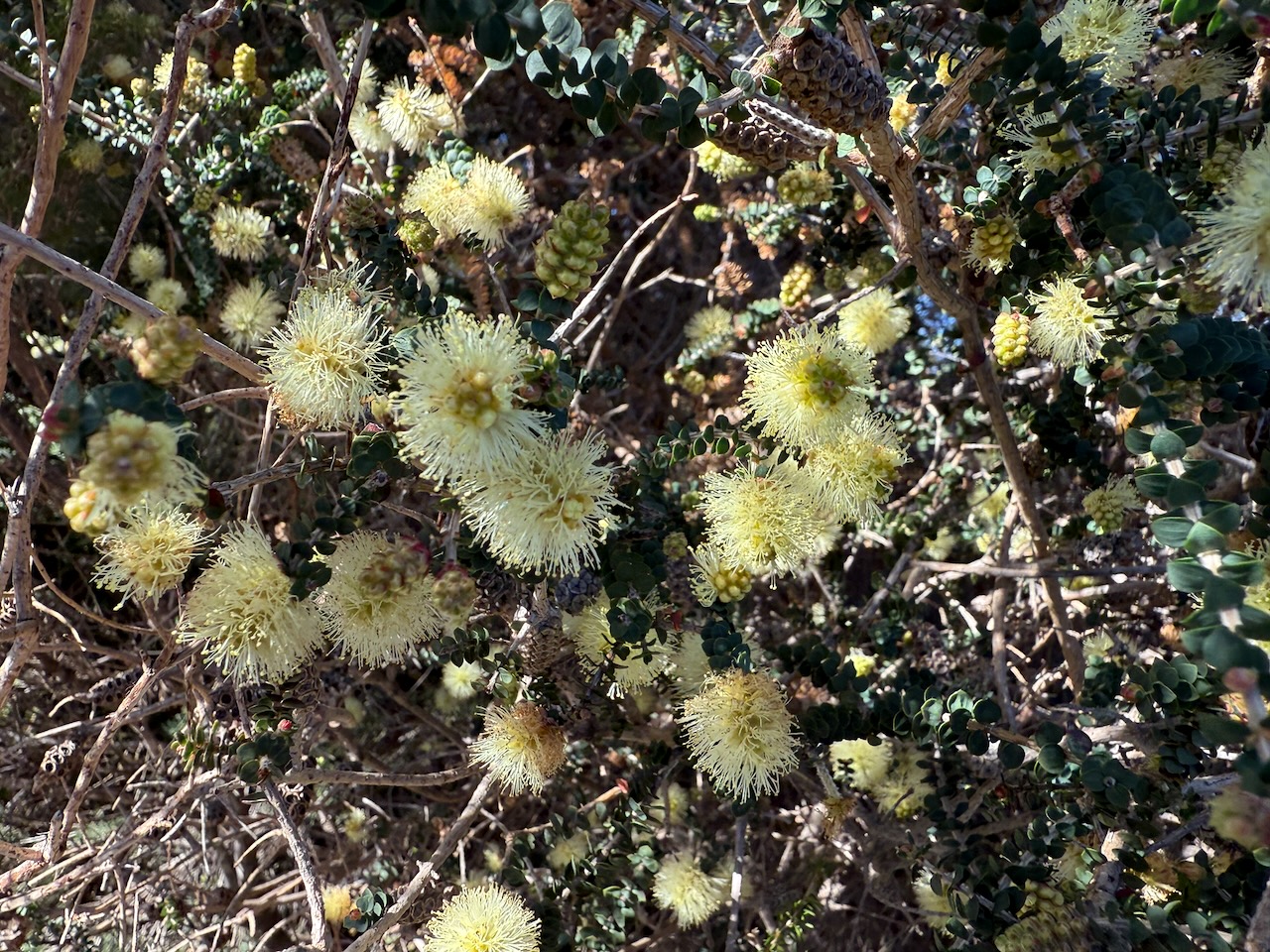
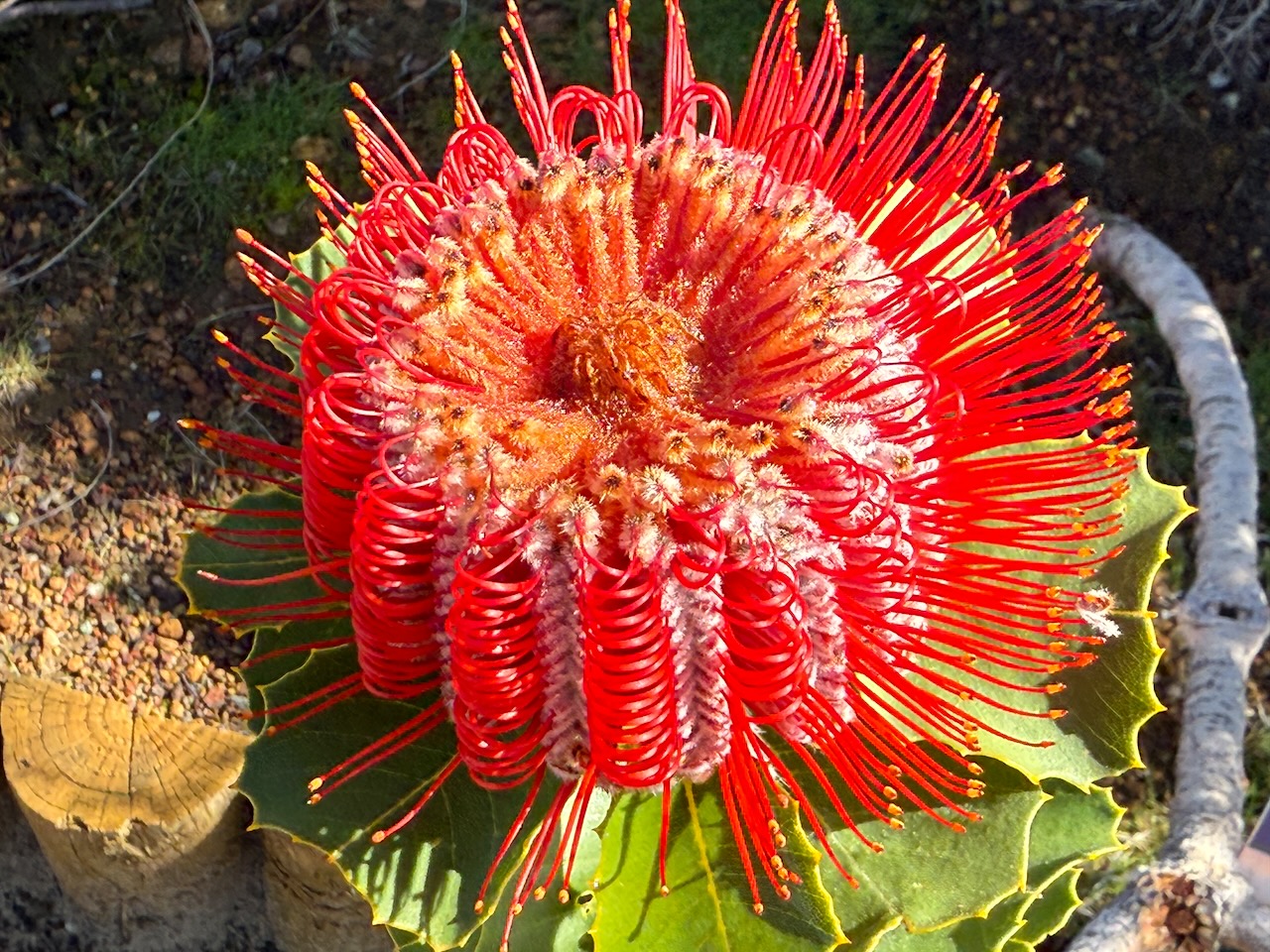
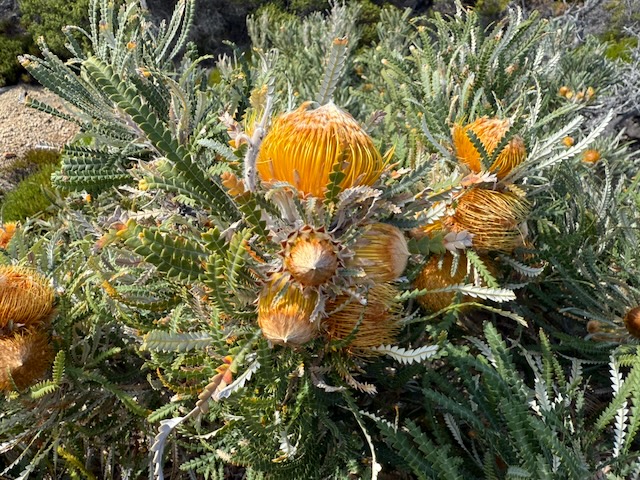
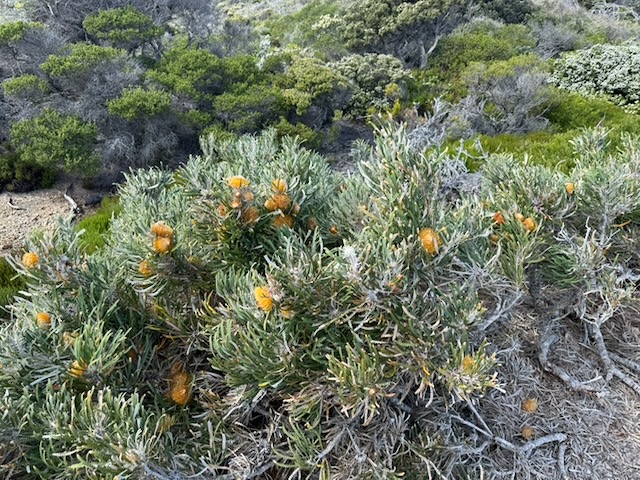
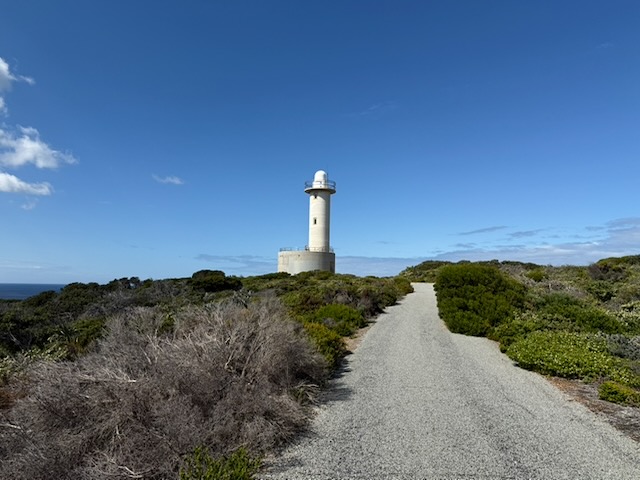
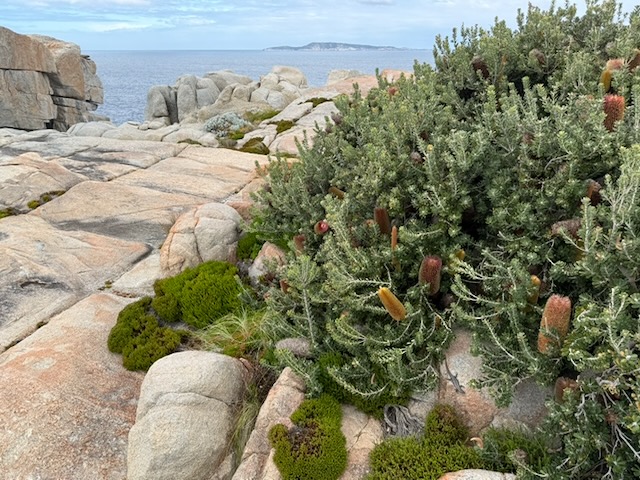
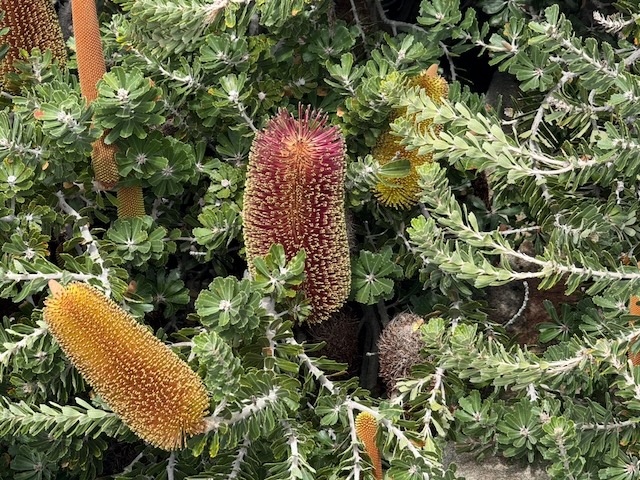
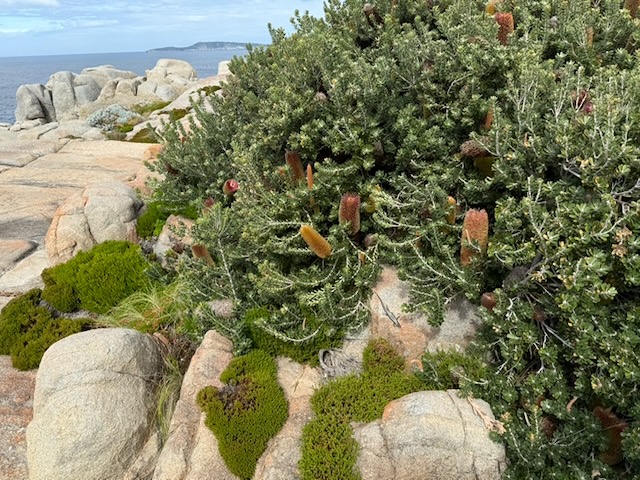
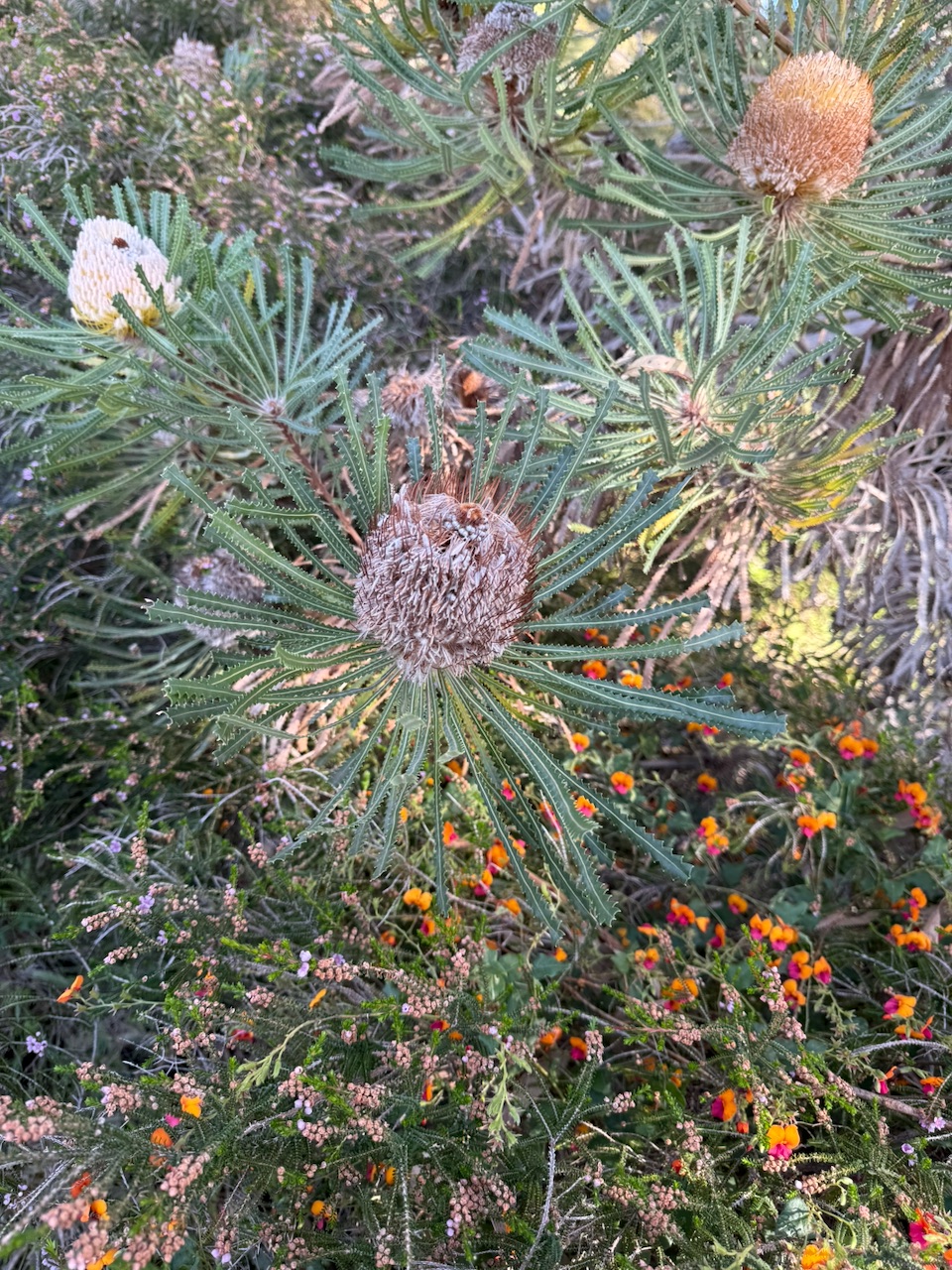
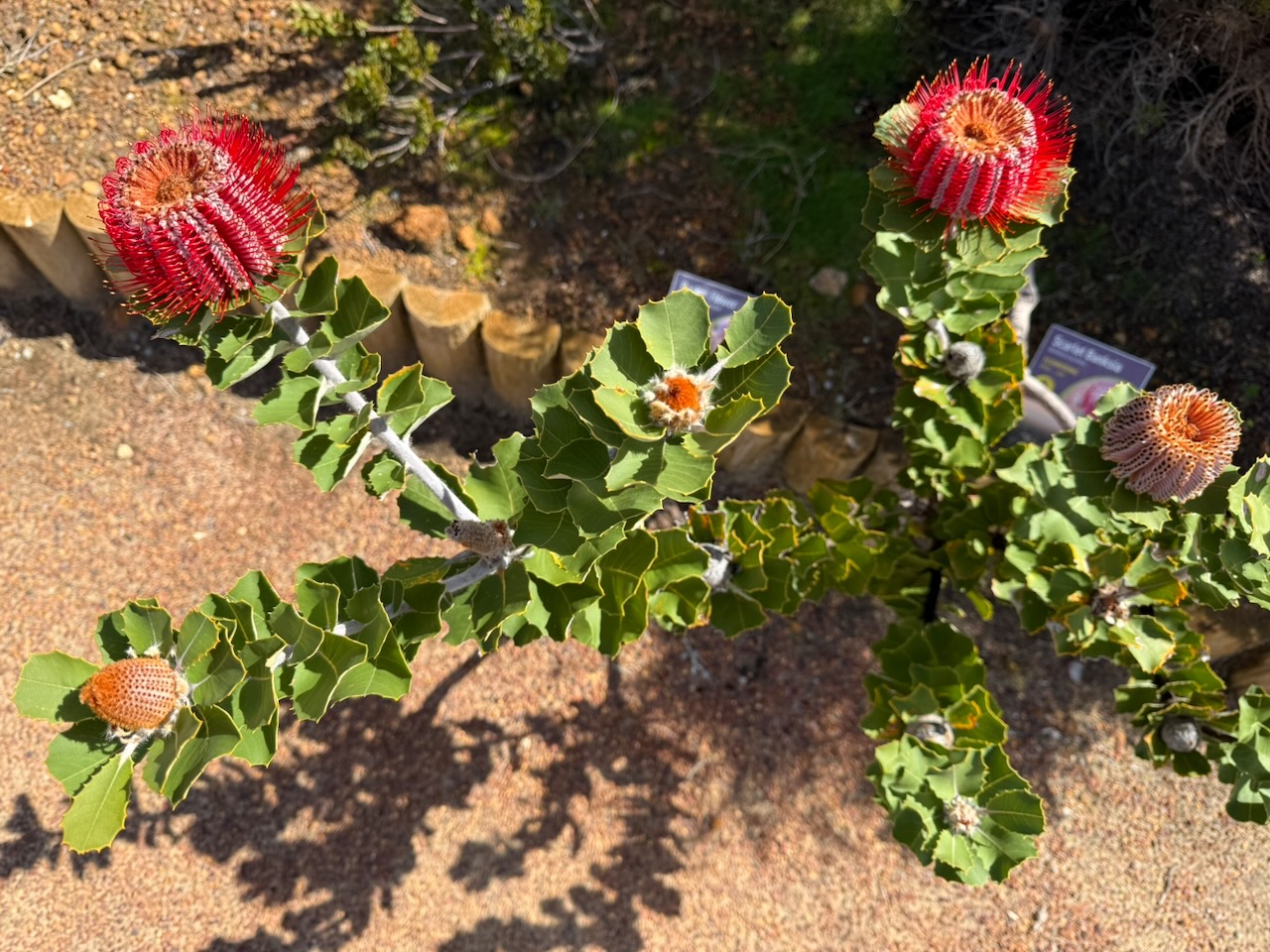
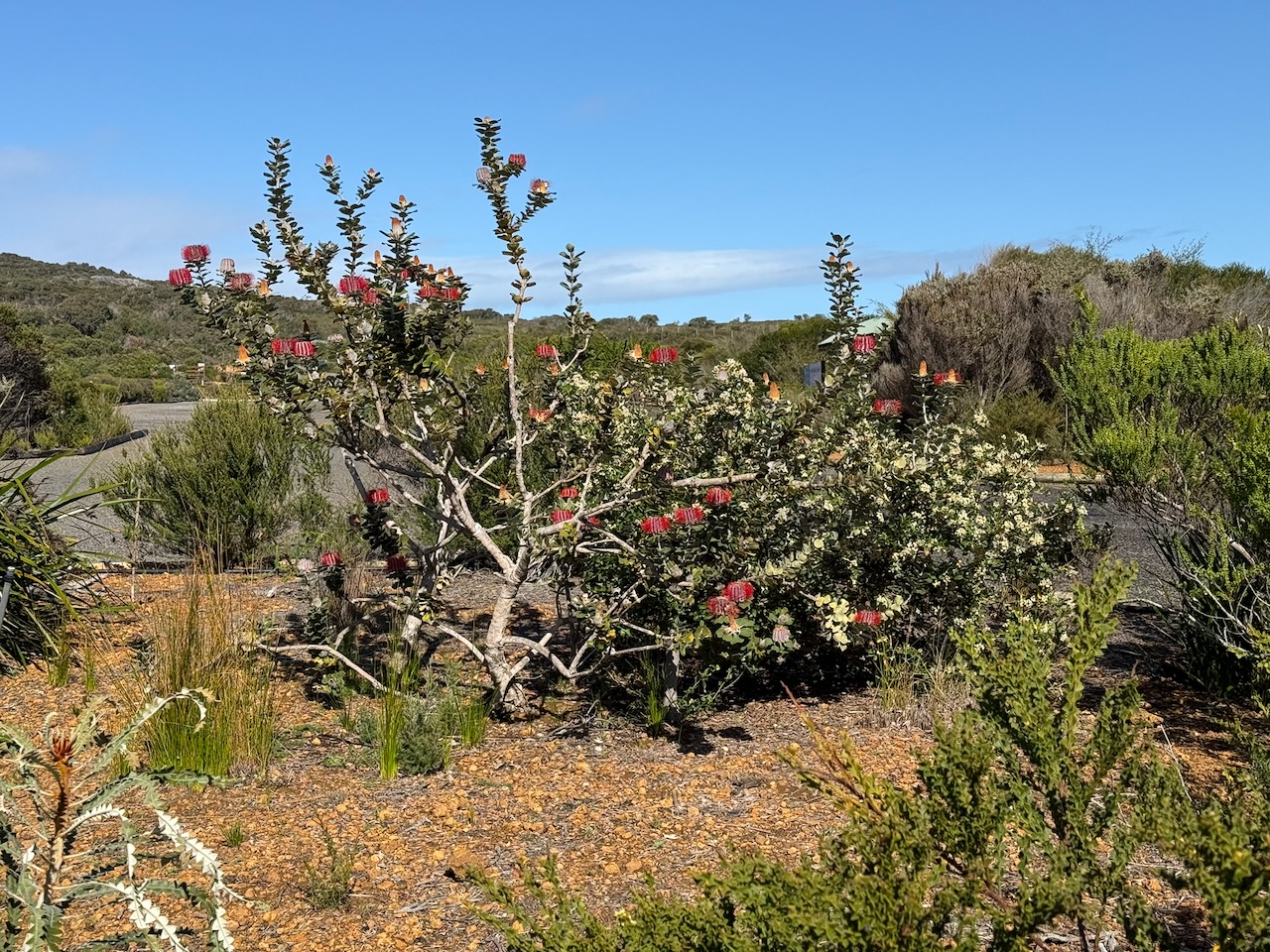
Cable Beach and Cave Point Lighthouse had both scenery and greenery, so Doug was ecstatic. The lighthouse is closed to road traffic, probably permanently for safety reasons, but the area around it has been revegetated with native plants and flowers, especially banksias. And they were putting on a show for us. Many birds, especially honeyeaters, but the little blighters are really difficult to photograph, so you’ll have to take my word for it 🙂

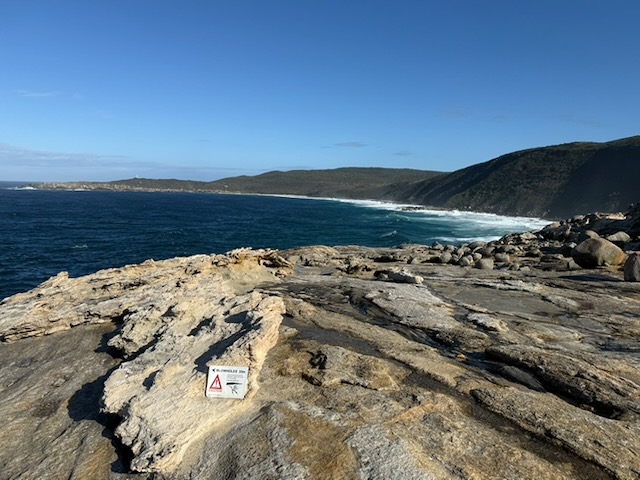
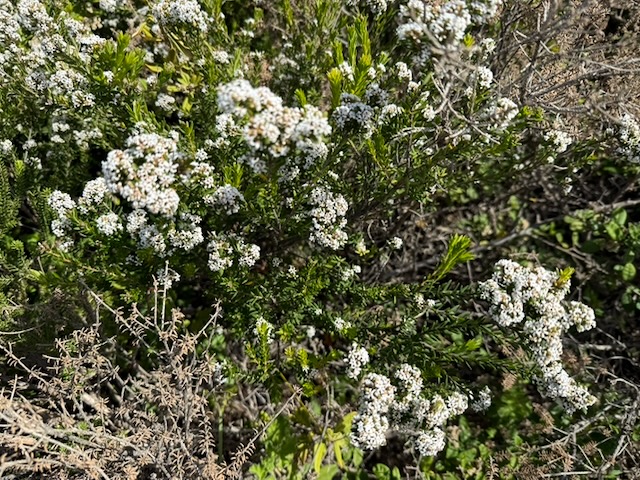
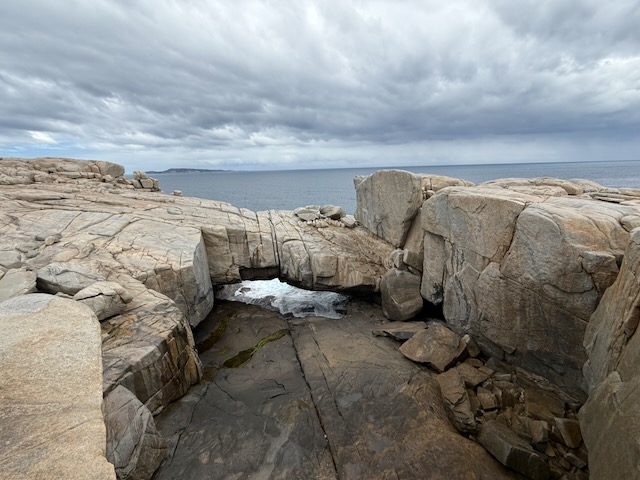
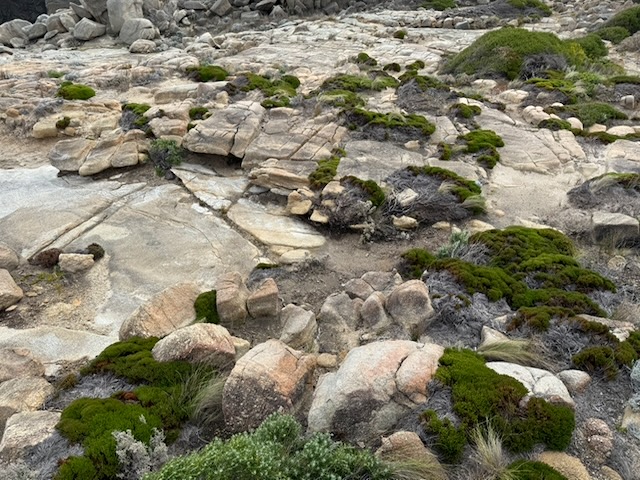
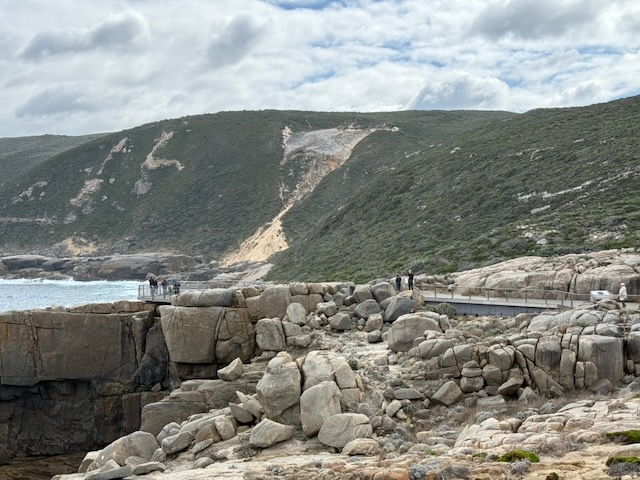
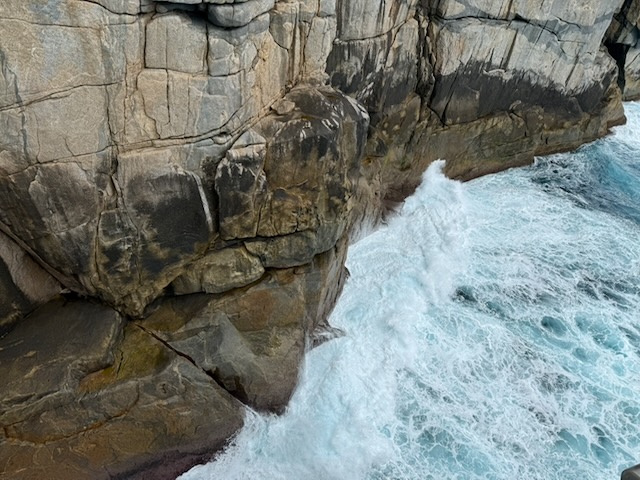
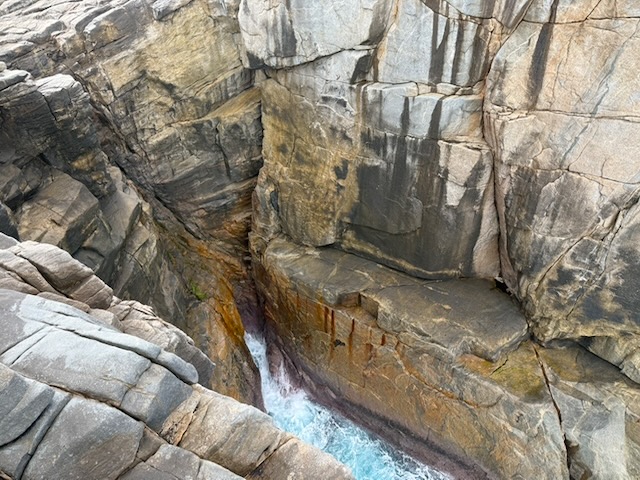
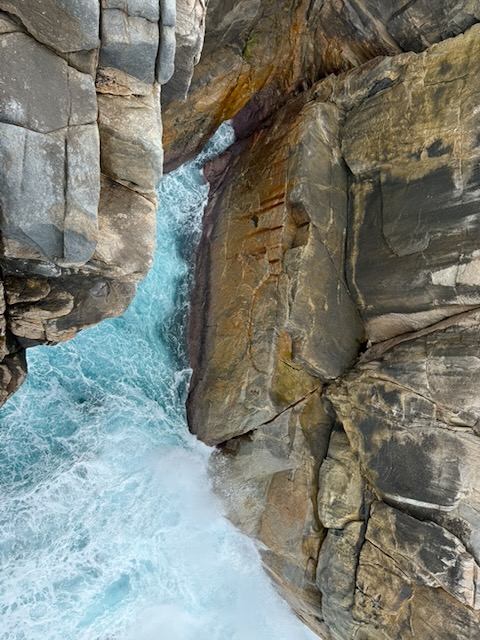
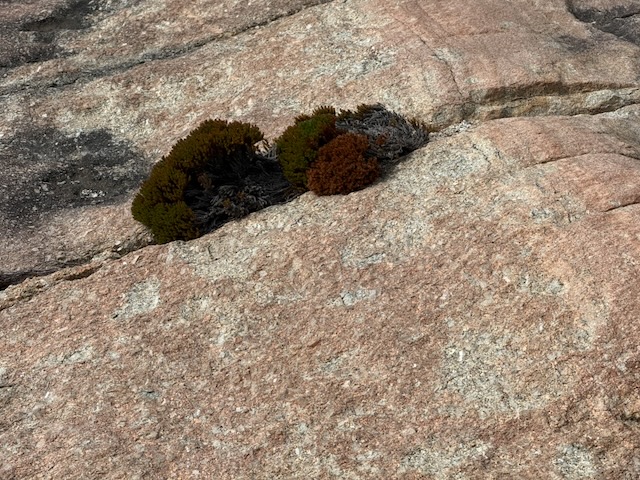
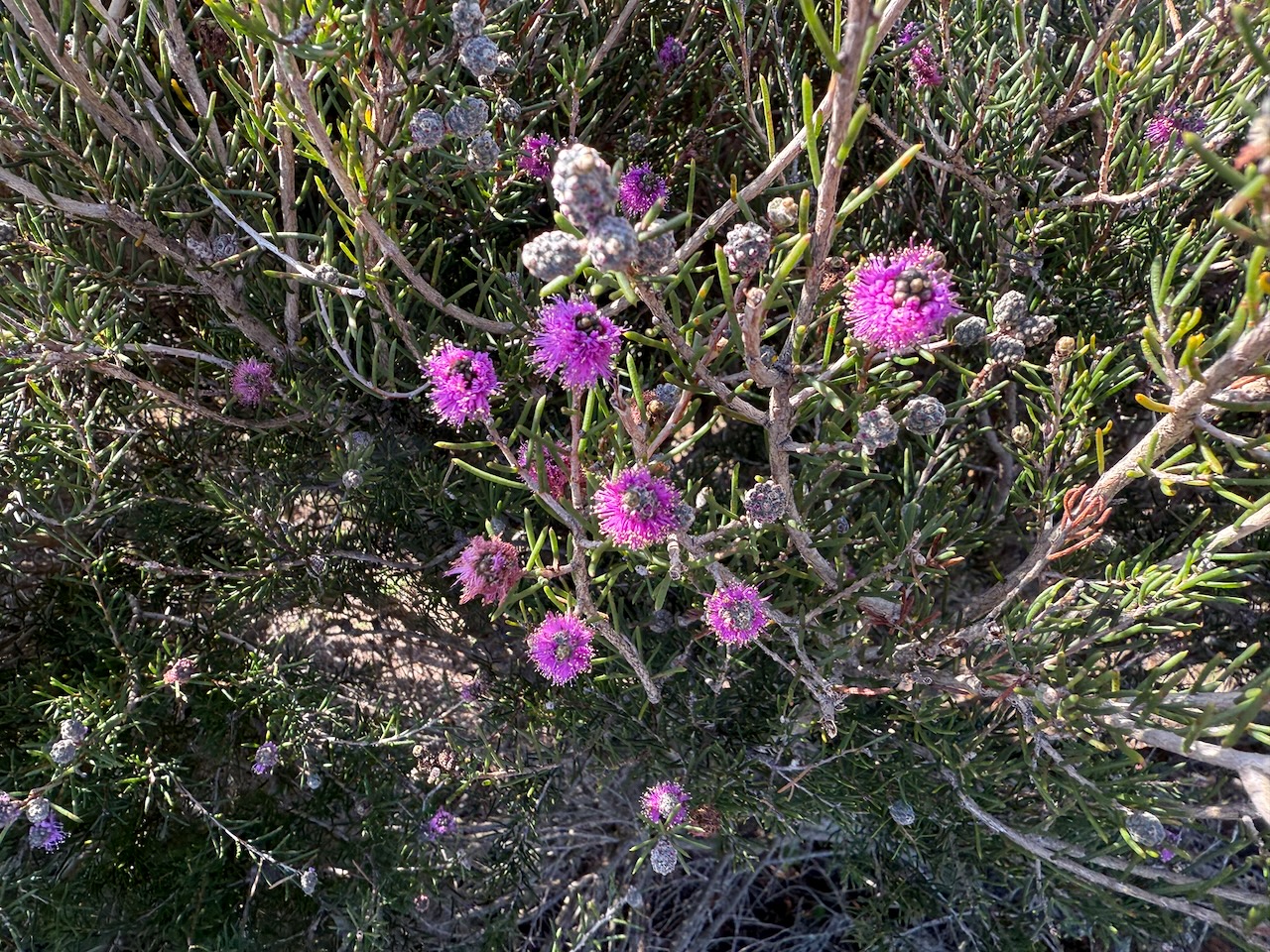
The Gap and Natural Bridge are immensely popular for a reason – the scenery is stunning. So are the flowers.
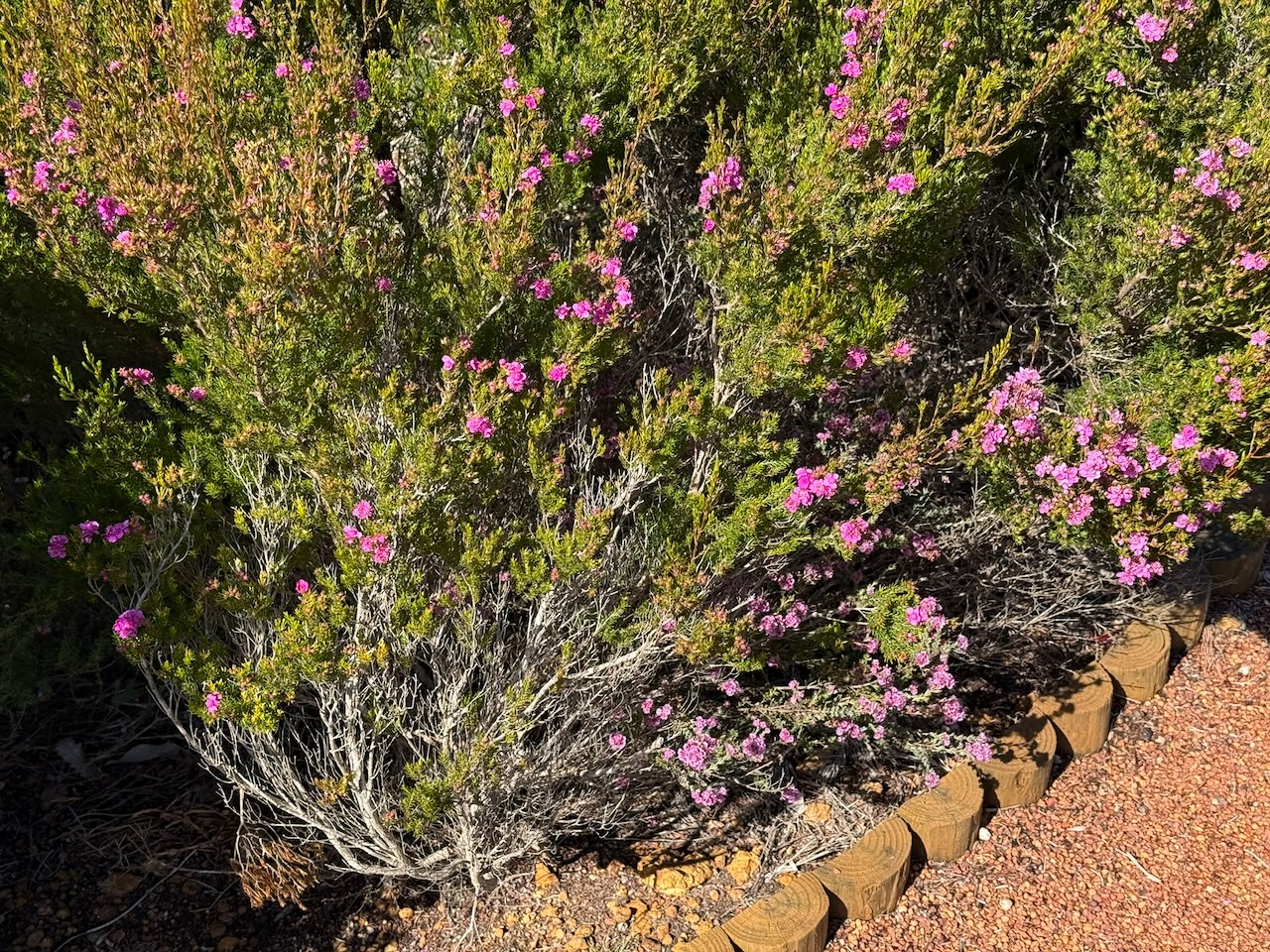
“The Gap is an impressive rugged granite channel carved by the waves of the Great Southern Ocean crashing against the granite coastline forming a spectacular sheer drop of almost twenty five metres.”

“The Natural Bridge is a granite formation that looks just like a giant rock bridge! This ‘bridge’ is caused by the gradual wearing away of the granite rock by the Great Southern Ocean.”

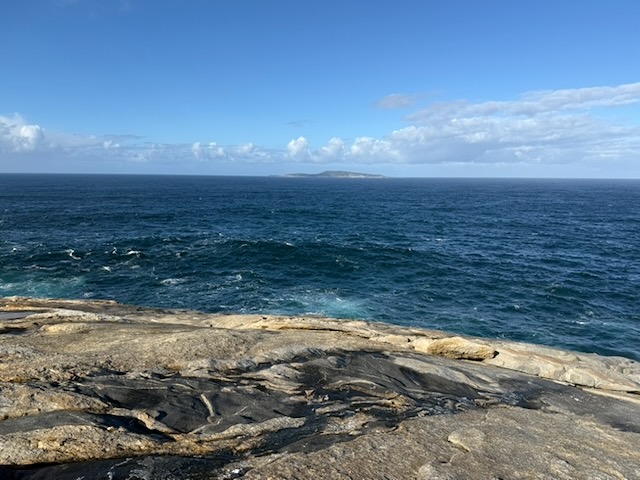
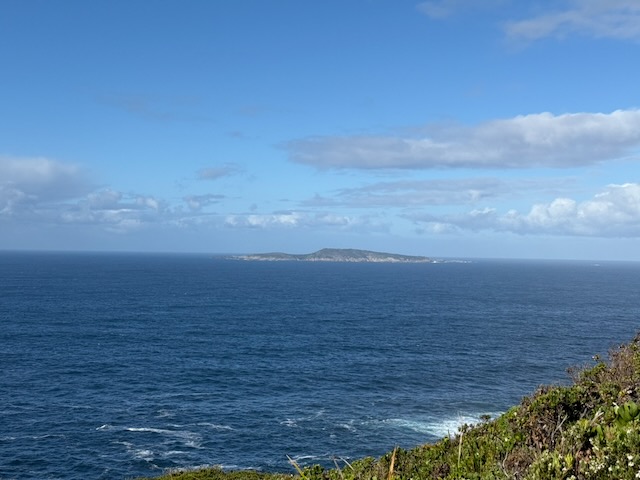
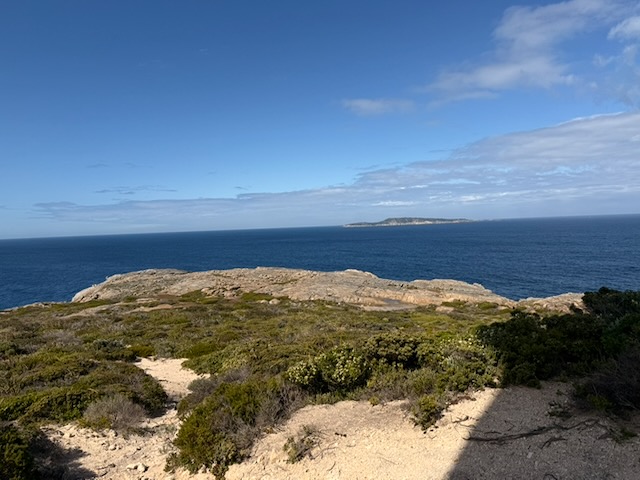
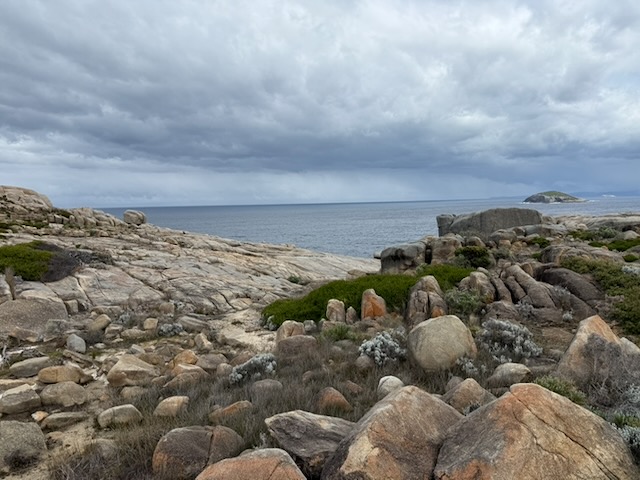
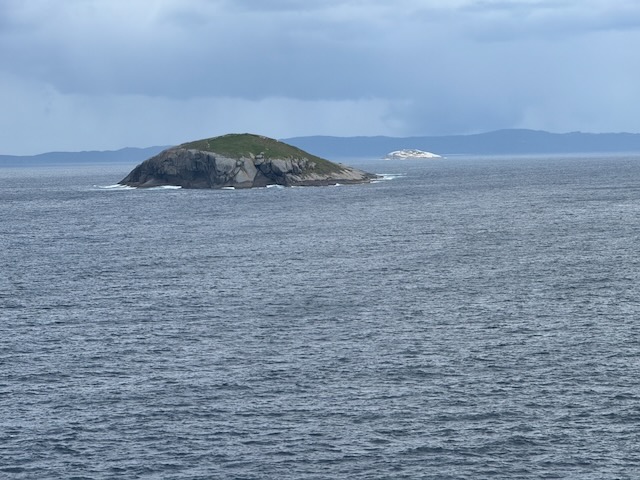
The island visible off shore is Eclipse Island.

Valley of the Giants, Walpole-Nornalup National Park

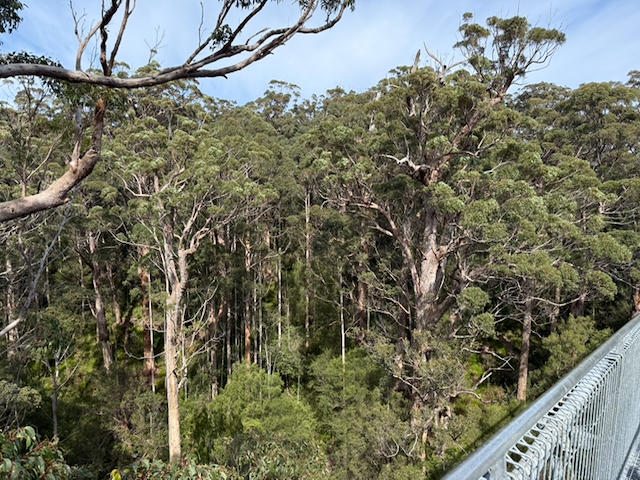
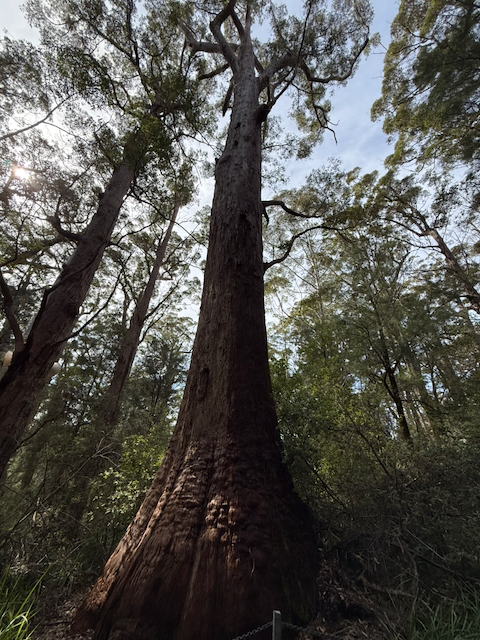
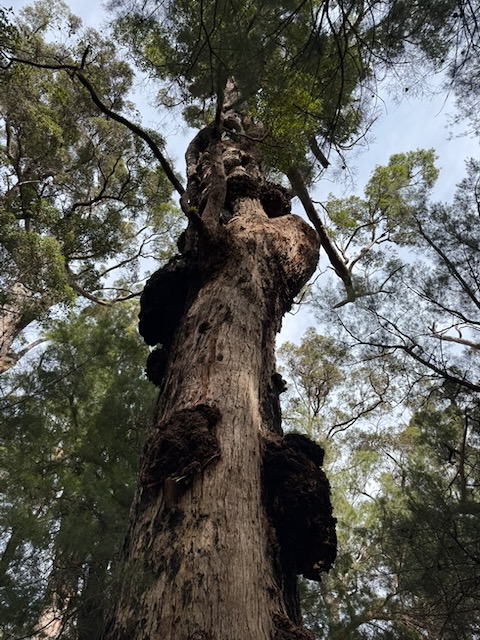
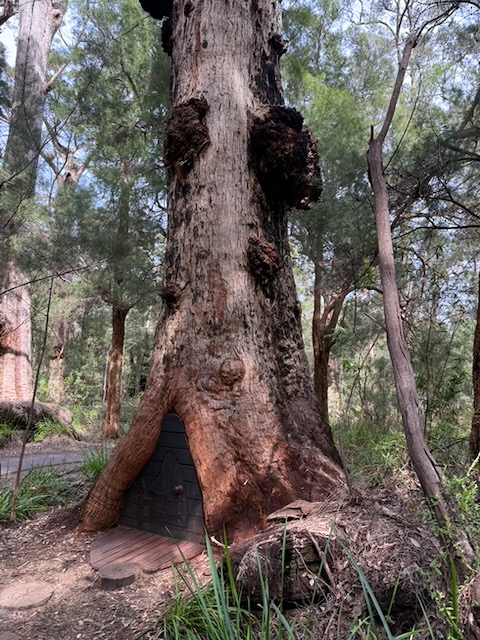
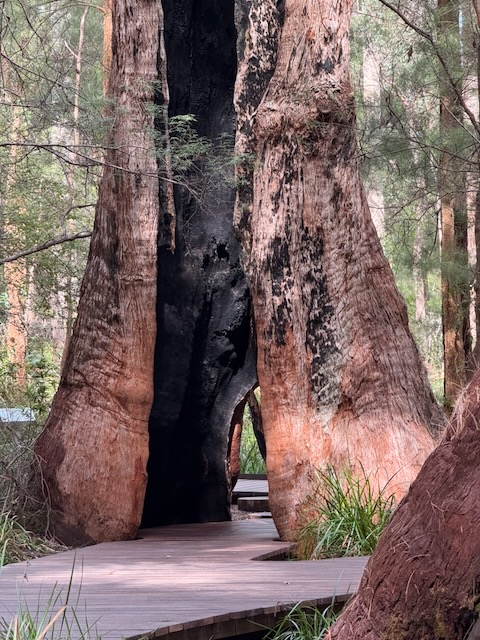
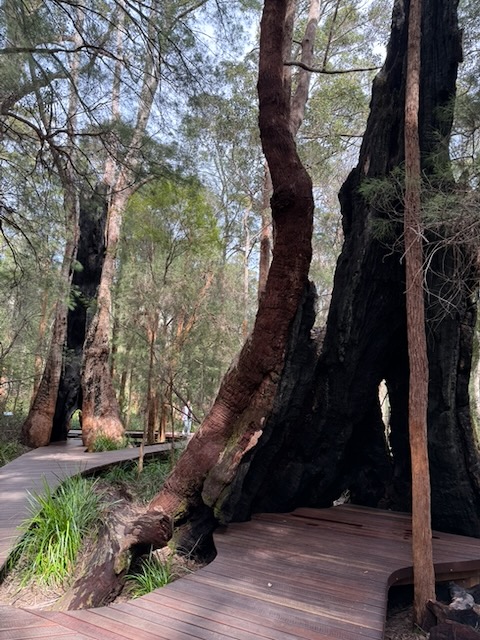
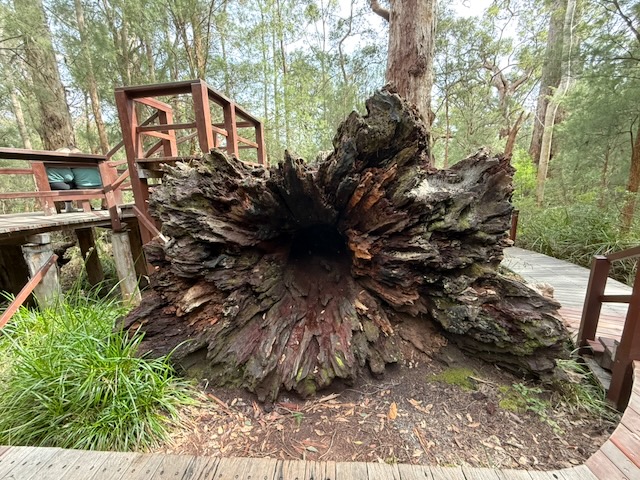
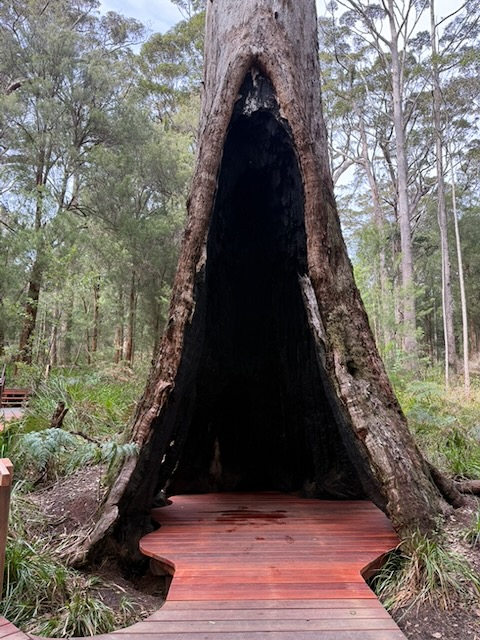
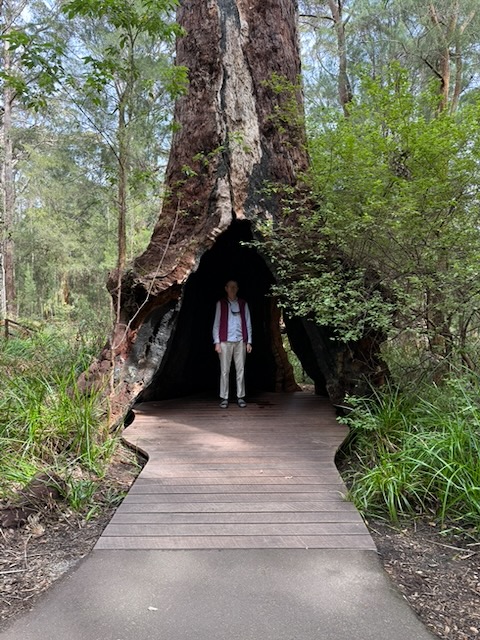
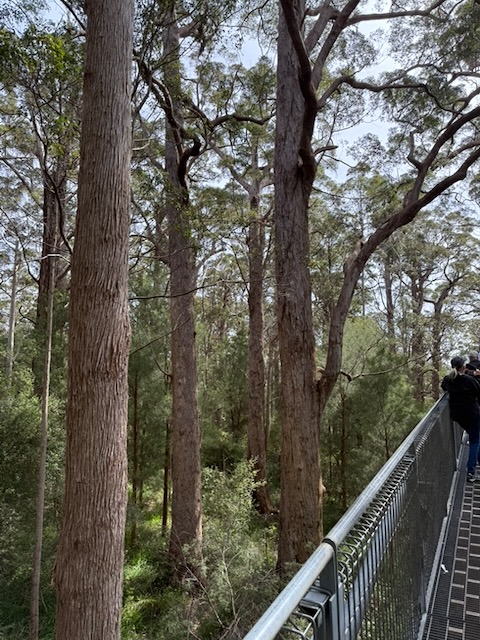
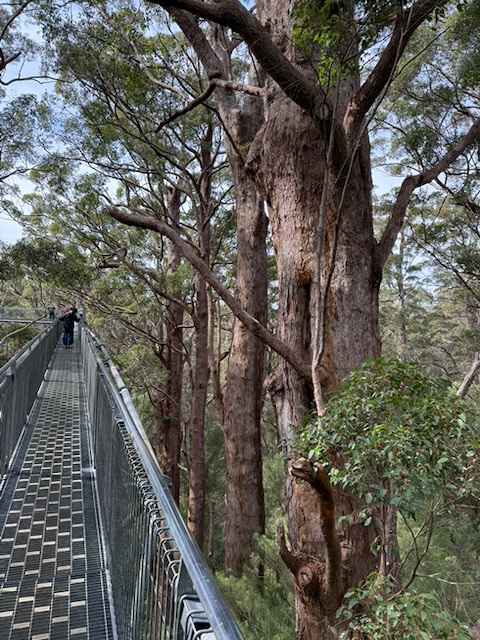
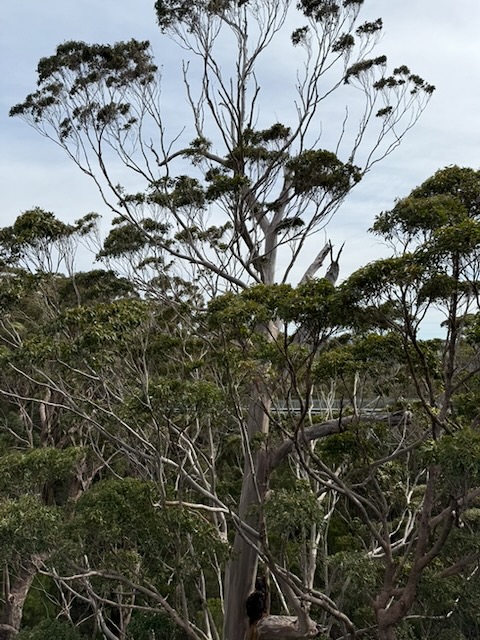
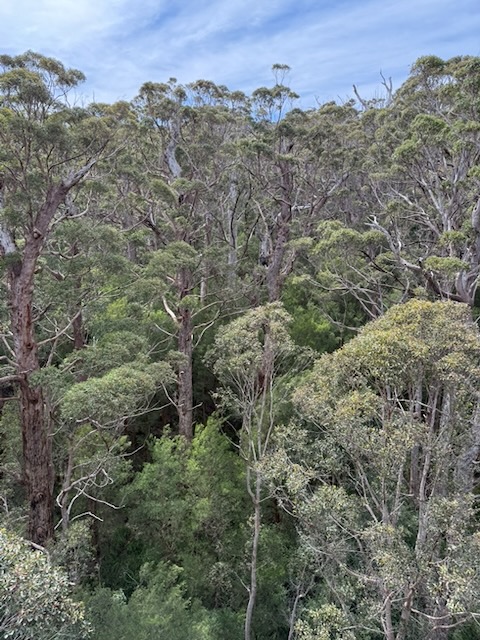
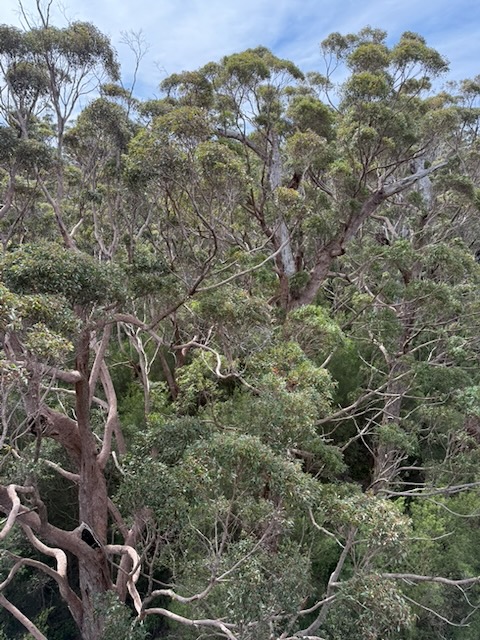
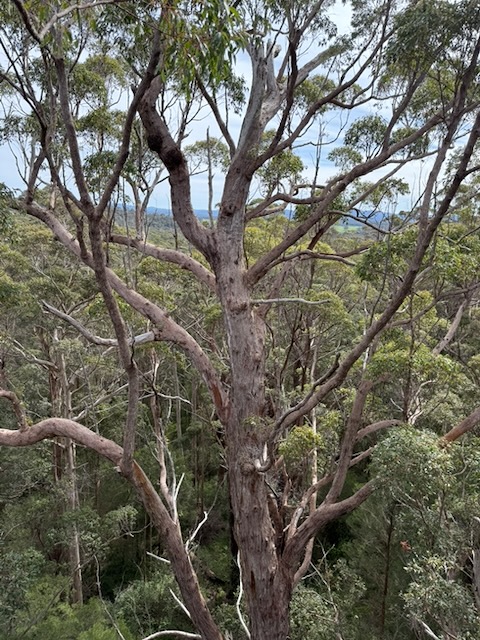
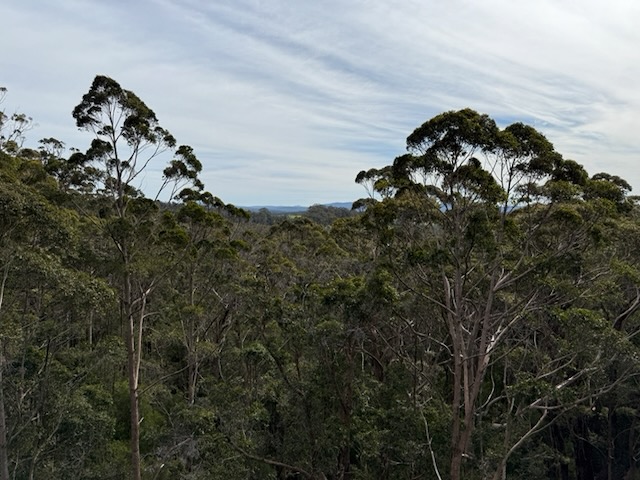
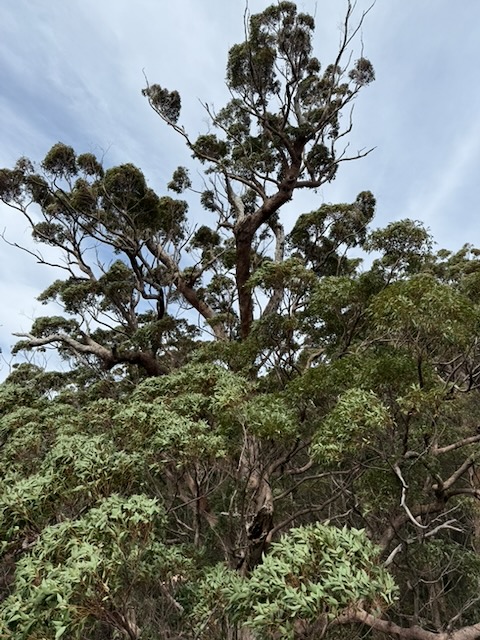
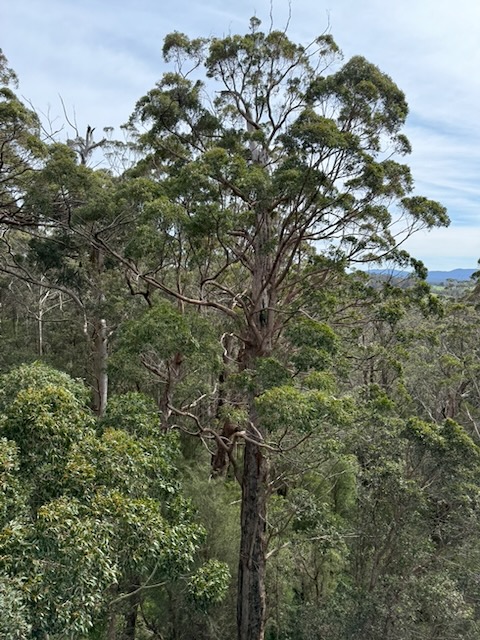
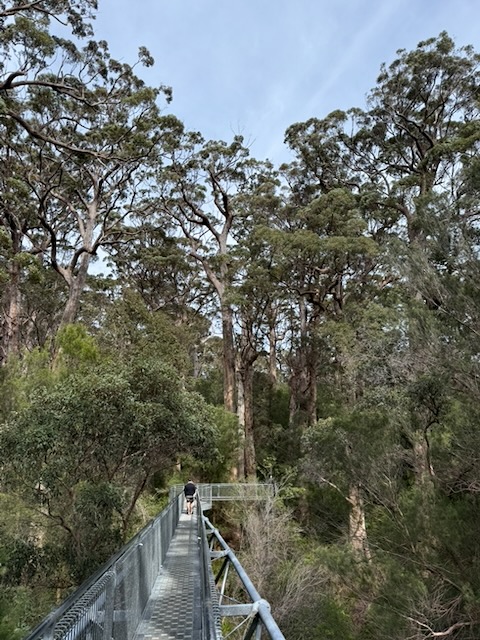
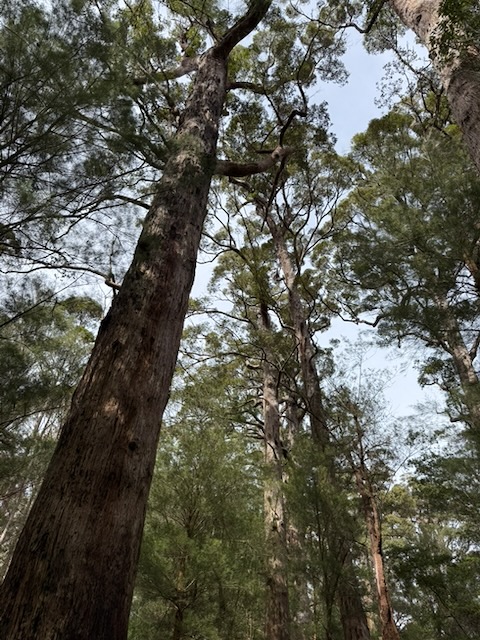
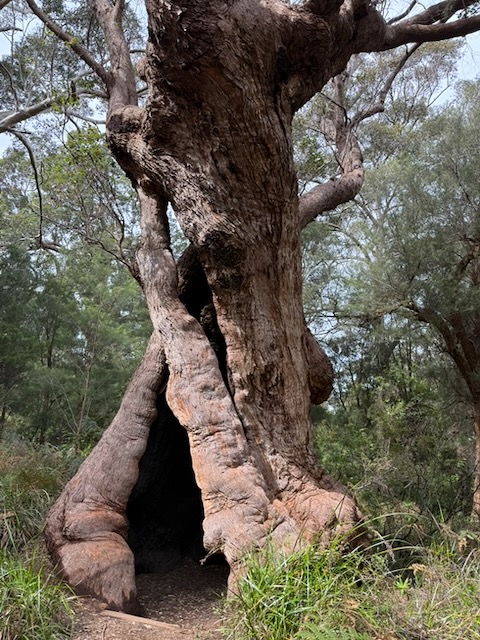
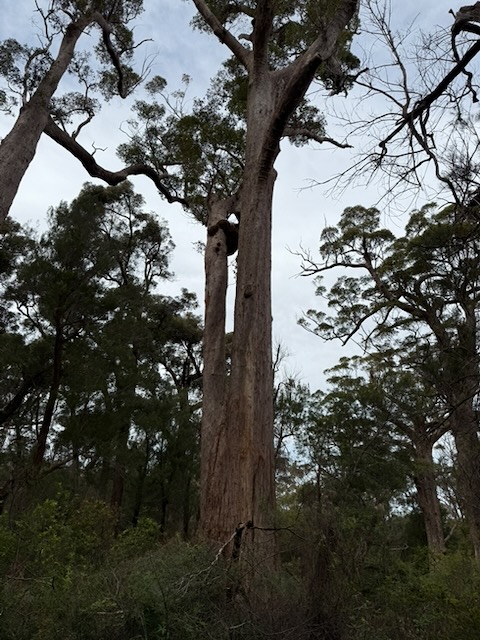
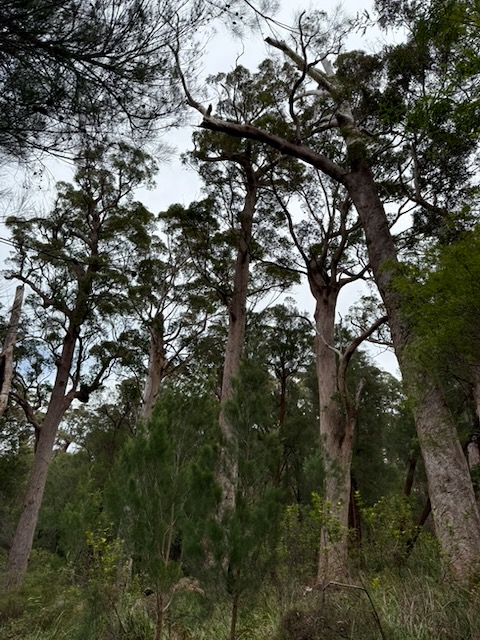
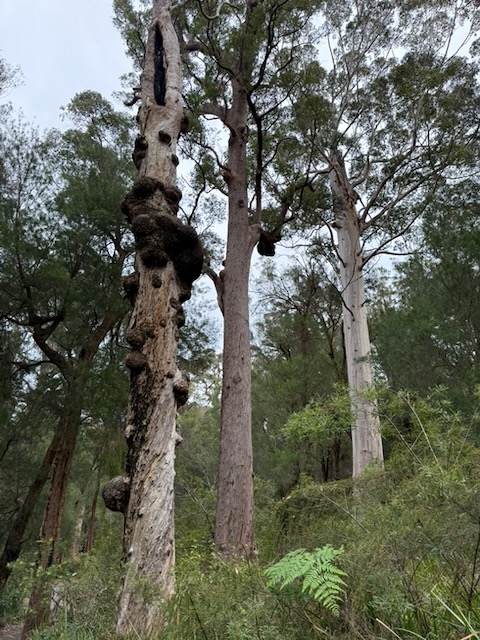
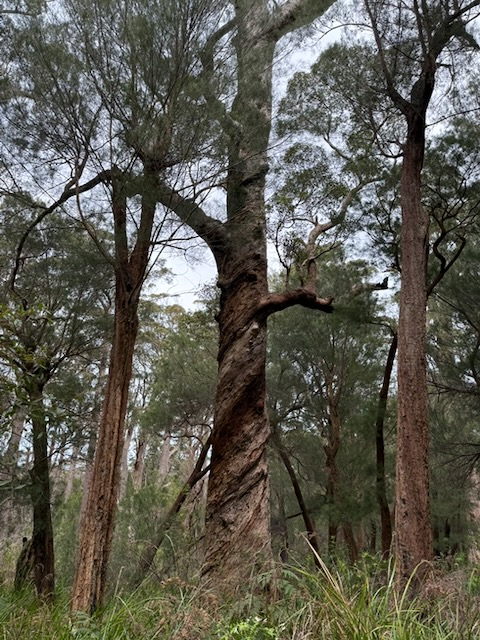
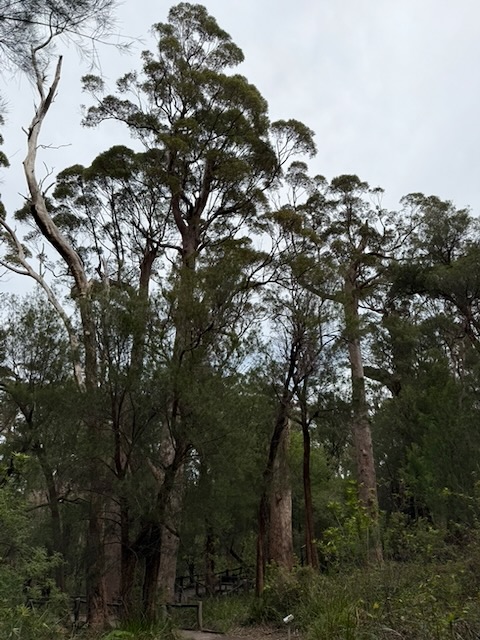
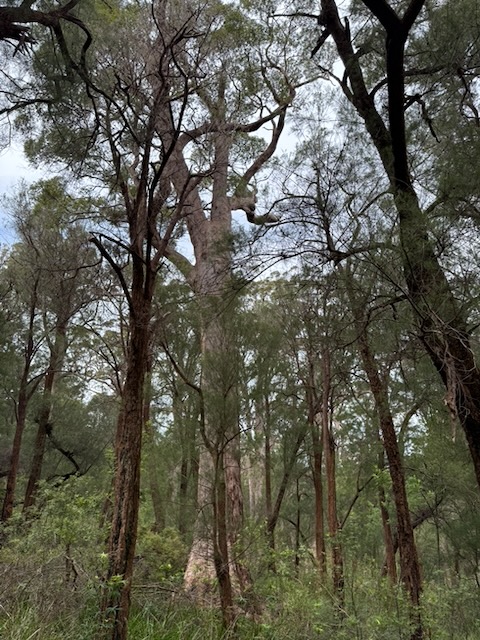
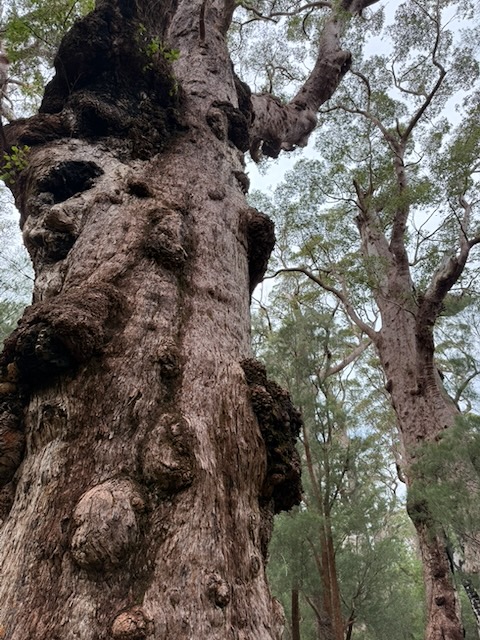
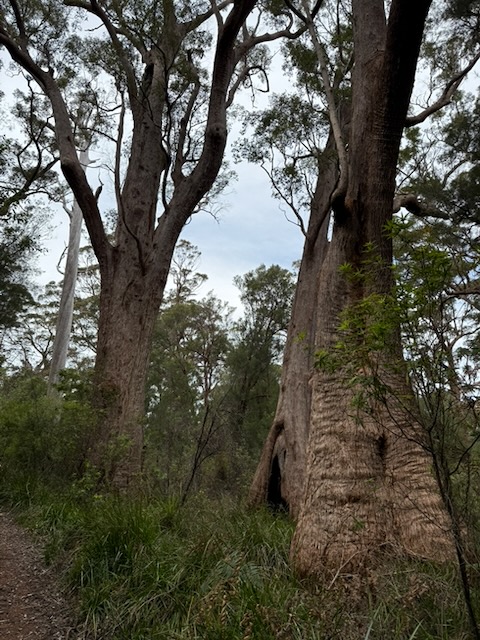
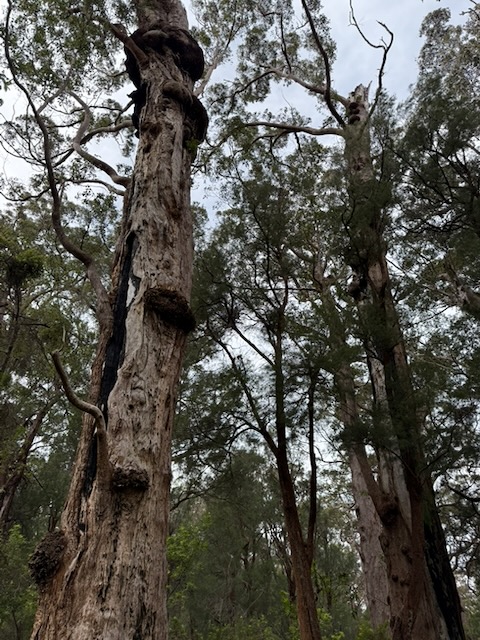
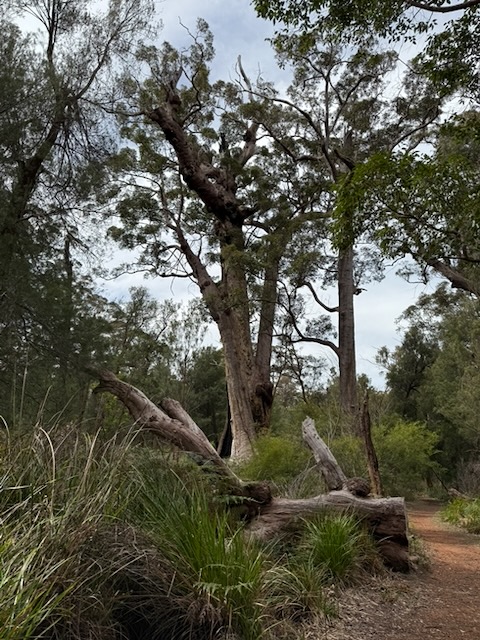
We were fighting showers on our way from Albany through Denmark and onto Walpole-Nornalup NP but the rain gradually cleared and the drive was lovely through forests. The ‘giants’ in the Valley of the Giants are the red tingle trees, Eucalyptus jacksonii, which have an extremely limited distribution in southwest Australia, now restricted largely to the national park and a few isolated places elsewhere. The tree top walk is the main attraction and well worth the entry fee, but what first-time visitors don’t realise is there is as much to see at ground level within the grounds, and all of that is completely free to access. So if the forty metre elevation of the main walk terrifies you, it’s still definitely worth visiting, and with a coffee van, excellent loos and a great little gift shop, is a good place to stop.

The walk boasts of being completely accessible for most people, and it really is – the climb is gradual, and the entrance and exits are fully wheelchair friendly. All of which makes it easier for people like me as well 🙂 (I’m fitter, a lot fitter, but you know, I’ll take the easy way if I can!) The views are very nice, although not hugely varied, and you can do a free guided tour if you like (we didn’t). Doug did the walk twice, but I found the ground level stuff much more photogenic and fascinating.
After we finished at the tree top walk, we drove onto see the Giant Tingle Tree, which I was quite keen to see. Unfortunately, disaster struck when, ten metres from the car as we headed to the path to see it, the sole of my walking shoe fell off. (This is the second pair of shoes this has happened to – the glue just fails. No one stitches soles on any more, at least, not on any shoes I can afford!) So I had to wait while Doug did his thing.
That put paid to any more exploring for me, so we drove to Walpole to have lunch at one of the several places to eat opposite the visitor centre. It’s a pretty town, and there is a bit to explore, but I was too pissed off to contemplate sitting for hours in the car while Doug got to see the fun stuff. And the weather was breaking down again. So we stopped at the John Rate lookout a little up the road from Walpole, Doug took some photos, and we drove home. Fortunately, I’d brought a good pair of walking sandals with me on the trip as well as the closed in pair that failed, so we could continue exploring the next day.

Perth 6 – 11 September

We flew Virgin business class (only virtue being it’s not Qantas) and arrived in a wet and extremely cold (13°) Perth just as it was getting dark. The house, in a quite lovely neighbourhood with many parks, looked quite unassuming from the front, but was in fact on three levels down the slope of the block.

Continue reading “Perth 6 – 11 September”

Gnowangerup

Gnowangerup is a tiny, extremely neat, and pretty town in southwest WA whose name* means “place of the malleefowl”. We didn’t see any malleefowl 🙂

(I’m so glad you asked. There are so many places in West Australia ending in ‘up’ because in a dialect of Noongar, an Australian Aboriginal language, “-up” means “place of”.)

We stopped here for a break, coffee, and something to eat, and though it’s basically a place you drive through on the way to somewhere else (unless you live there), if you do find yourself stopping there, you should go to the Roast and Brew café on the main drag. Because it was very very good and the banana bread is amazing.
Rottnest Island

Rottnest Island (“Wadjemup” to Indigenous people) is both one of the most beautiful places on earth with stunning scenery and amazing biodiversity, and a former prison with some incredibly grim history, used by colonisers to lock up Indigenous men for being black without permission from a white man.

Continue reading “Rottnest Island”

King’s Park, Perth

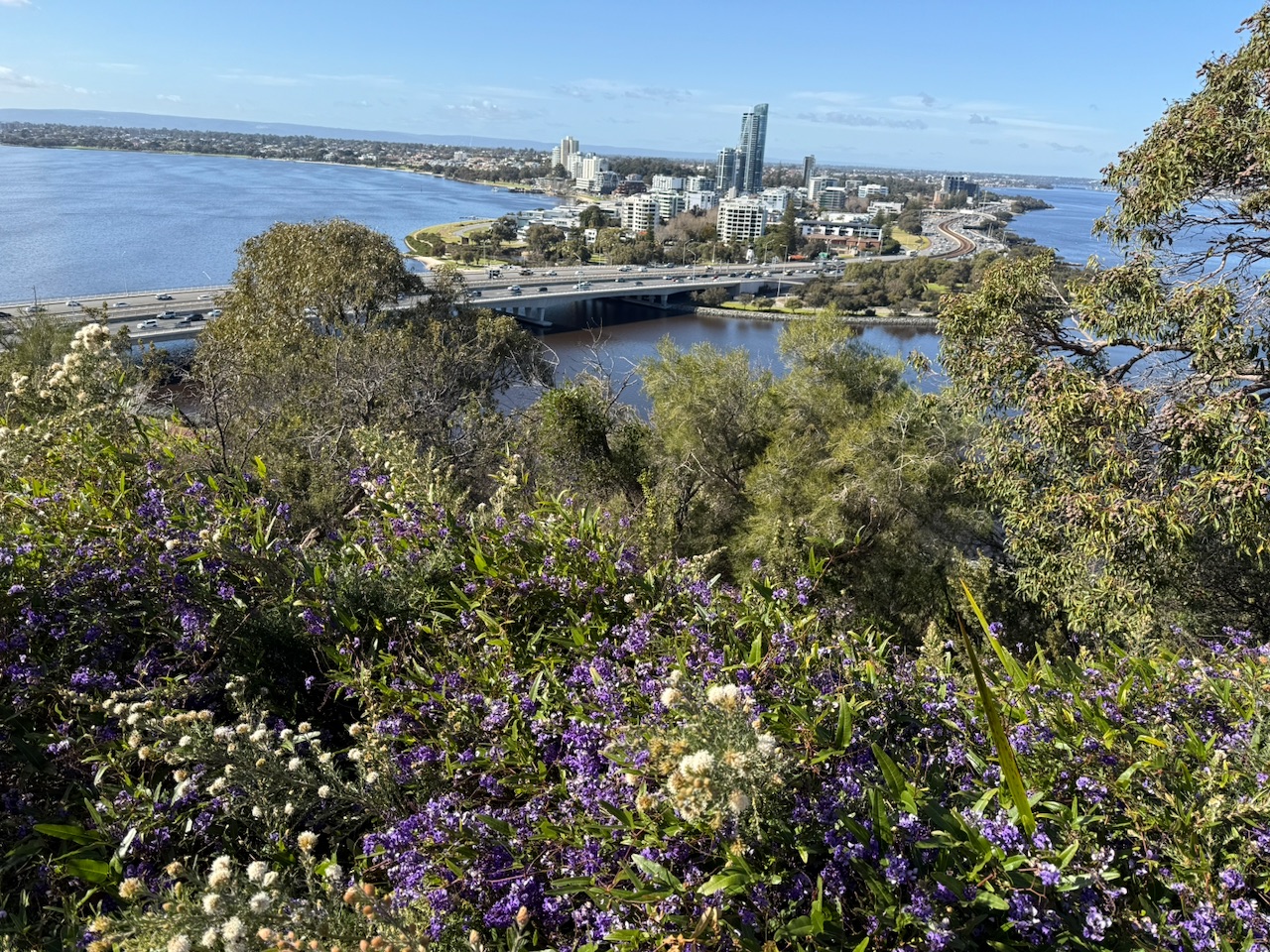
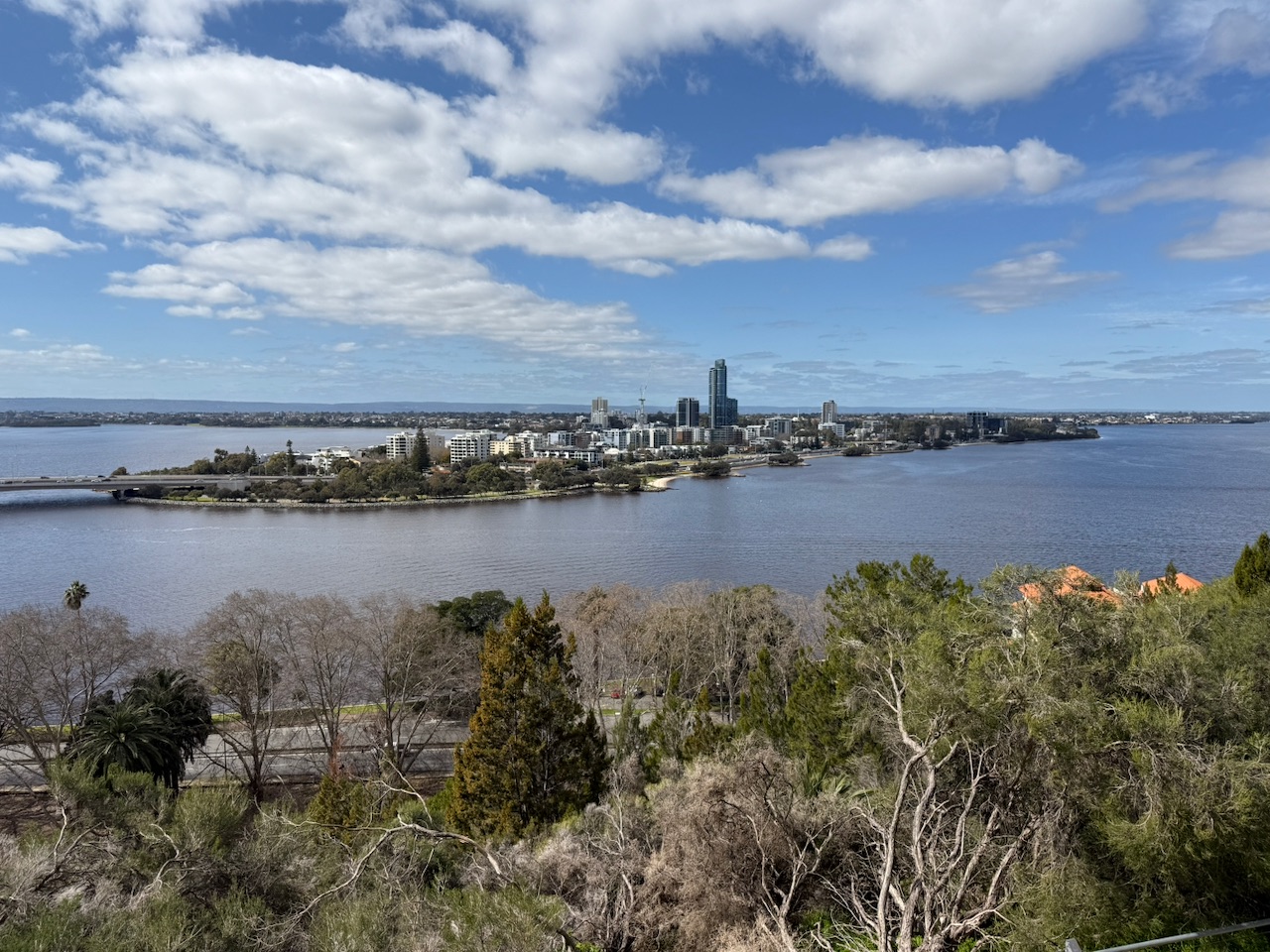
At 400 hectares (4 square kilometres), Kings Park in Perth is one of the world’s largest inner city parks. It would take several days to see it all, and you would probably wish to revisit in different seasons and subsequent years. The main car park delivers you to the Kings Park Gallery Shop, the Visitor Information Centre, and restaurants. From there the escarpment offers stunning views of the Swan and Canning Rivers, the city skyline and the Darling Ranges to the east. Heading along this escarpment takes you to the Western Australian Botanic Garden, dramatically situated on the slope.

Once I realised I was there, I set about exploring it, using the well-made paths that zigzag back and forth, including a raised walkway that gives you an even higher view. The Garden had some lovely flowers, shrubs and trees, but with a somewhat neglected feel and a shortage of identification labels. On the side furthest from the escarpment, near the main road through the park there were temporary police signs asking you to report suspicious behaviour, but no indication of what you might see.

I followed another road for a while until I realised it was taking me down to the river. Two thirds of the park is protected as native bushland. I cut across a bushland trail that took me back to the main road which I then followed westward until I found a side path shortcut back to our accommodation. What I saw of the bushland was fairly dense and uniform paperbarks in mainly grassland, strangely with white freesias along the roadside, perhaps Freesia laxa, originally from southern Africa, but naturalized in Australia.

Click on any image below to see a slideshow, then use the ⓘ symbol on the right for the description. (My husband, the trained nurseryman, couldn’t identify many of the plants, unfortunately, and most weren’t labelled, he says.)

Yanchep National Park

Doug put Yanchep NP on his lists of things to do in WA because there is a famous cave there, but you have to take a tour and we weren’t able to visit on a day when they were running.
As it turns out, all the other things to do and see, or where you could eat or buy coffee or get information, were closed. So we did the best we could, did the walk around the wetland which was lovely, and came back to the cursed holiday house. I can’t judge what it would be like when everything was operating and open, but it’s not on my “must go back and see” list, though it was a pleasant outing on a cold, bright day when we had had so much lousy weather that week.
Click on any image below to see a slideshow, then use the ⓘ symbol on the right for the description