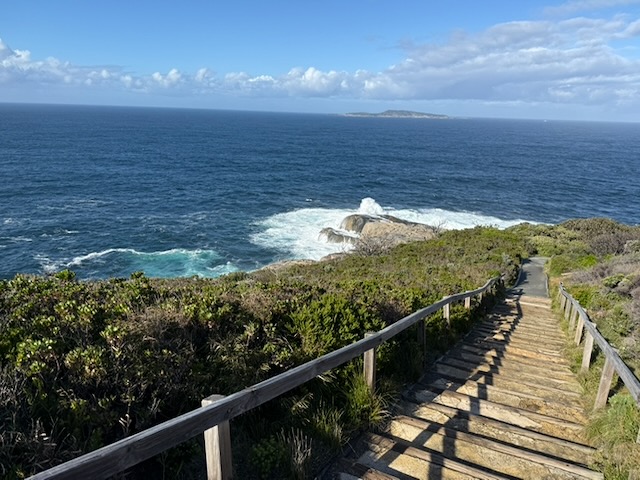
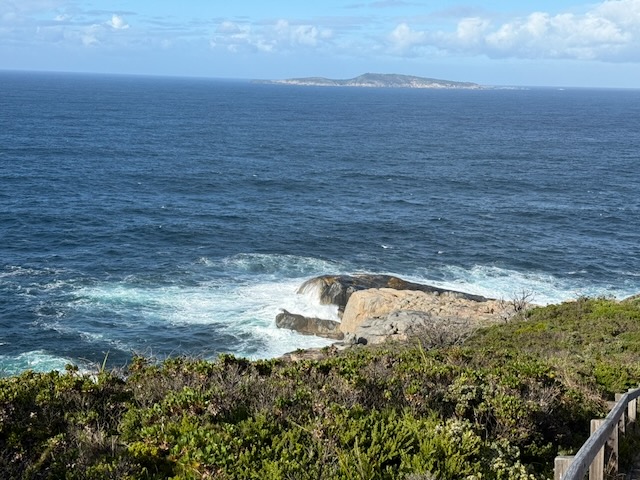
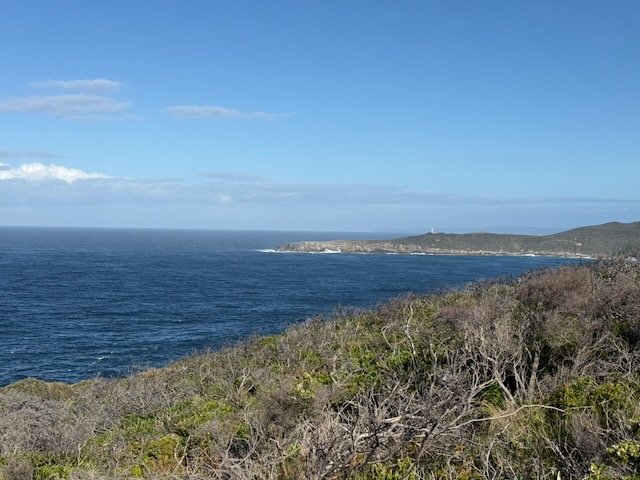
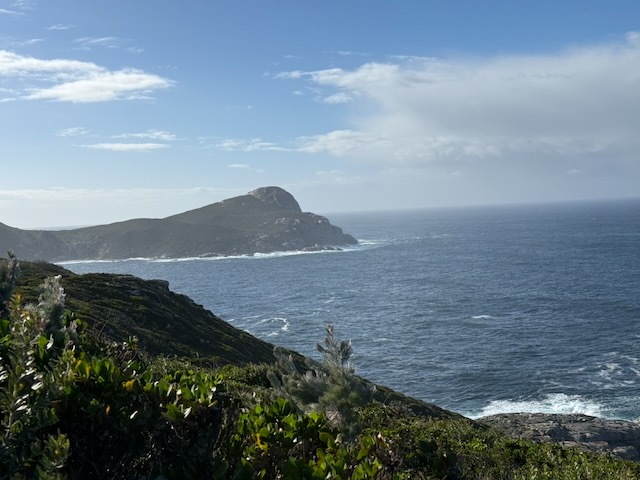
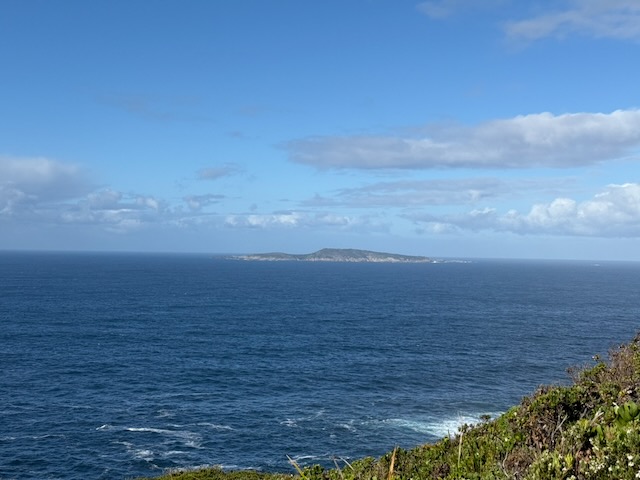
Doug wanted to look at the Blowholes on our way to the whaling station, but he wasn’t able to get close enough to see the actually blowhole blowing. Pretty scenery though.
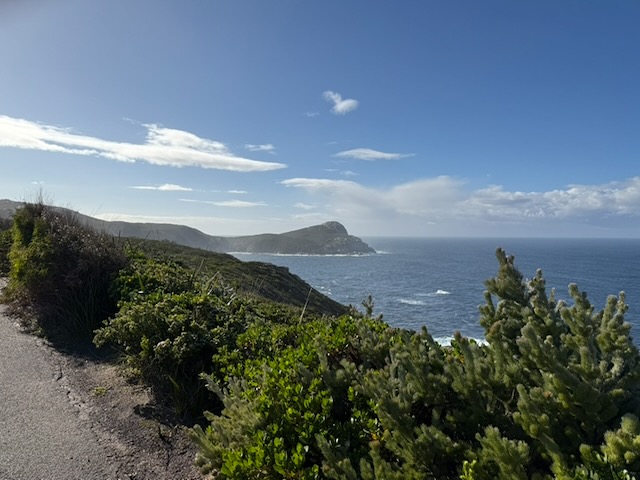
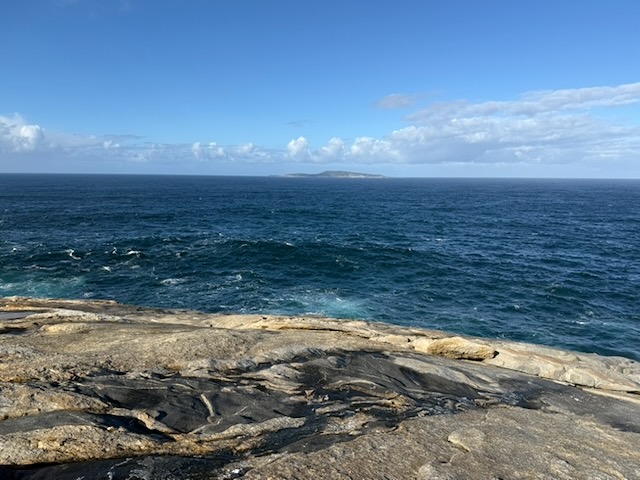
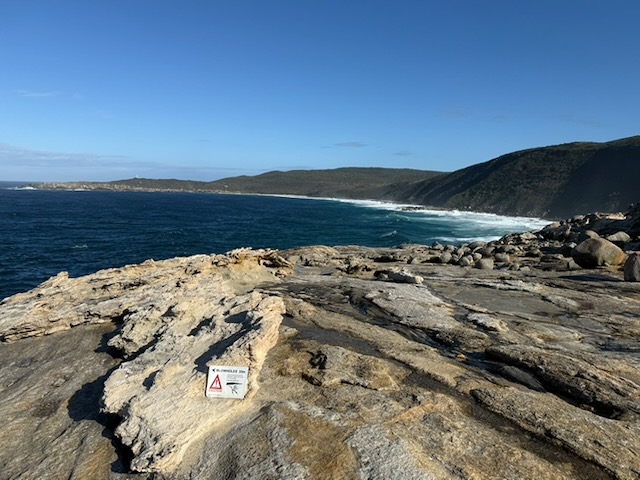
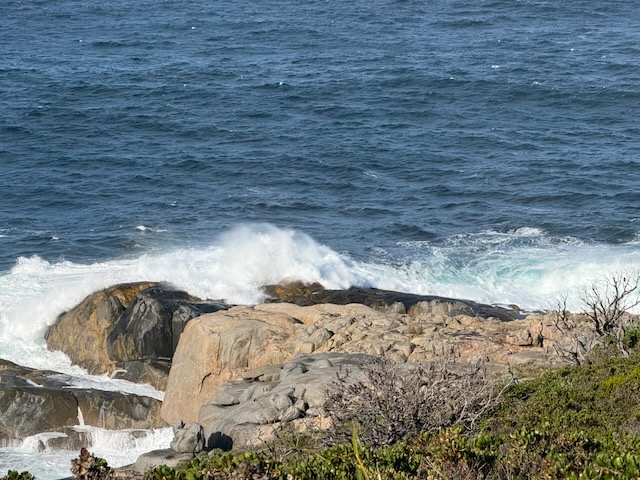
Then on to the Historic Whaling Station. “Albany’s Historic Whaling Station was the last operating station in Australia and provides a fascinating insight into Albany’s colourful past.” Which I had no interest in, thanks. So Doug did the actual station. He wrote up a little description about it for this post:
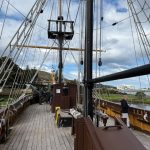
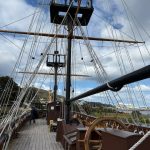
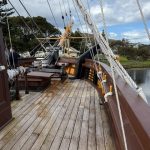
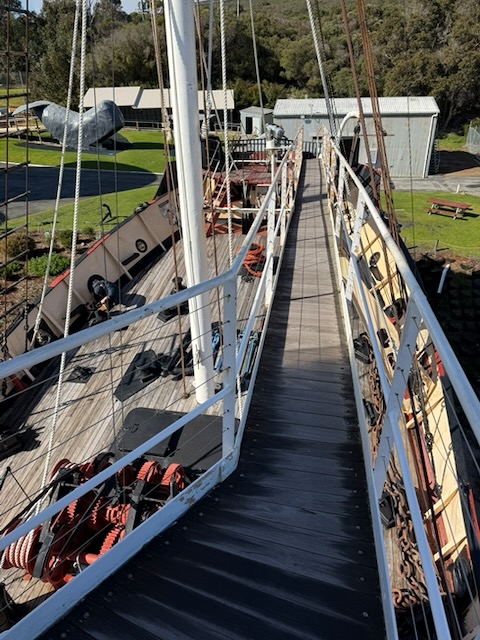
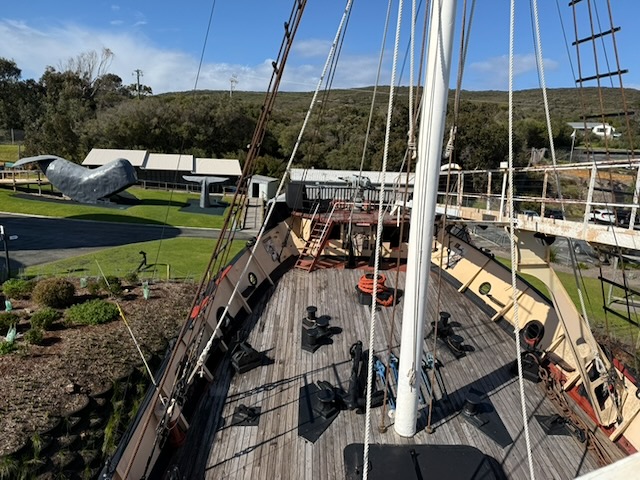
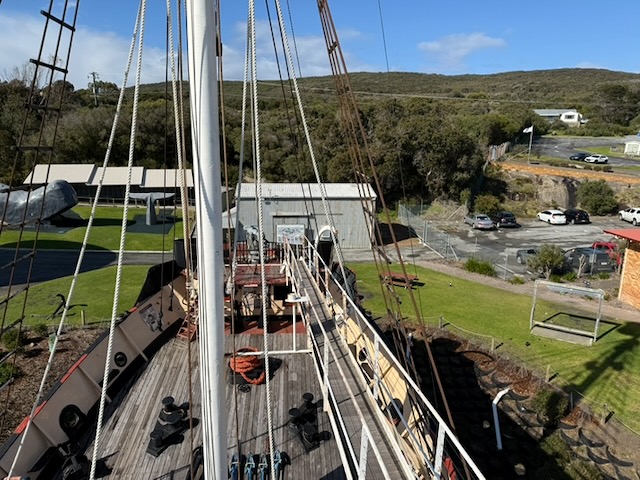
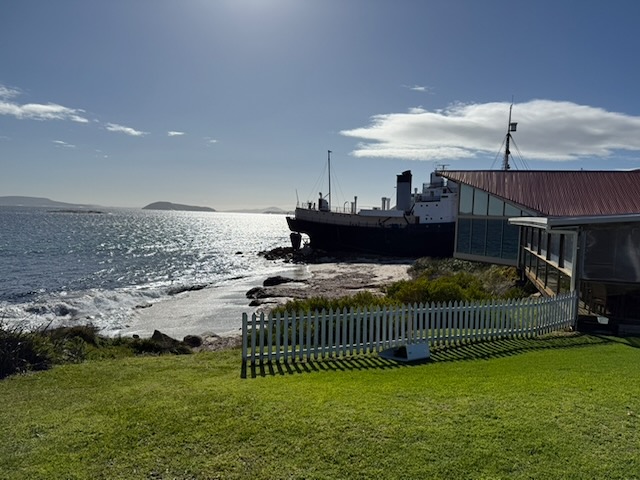
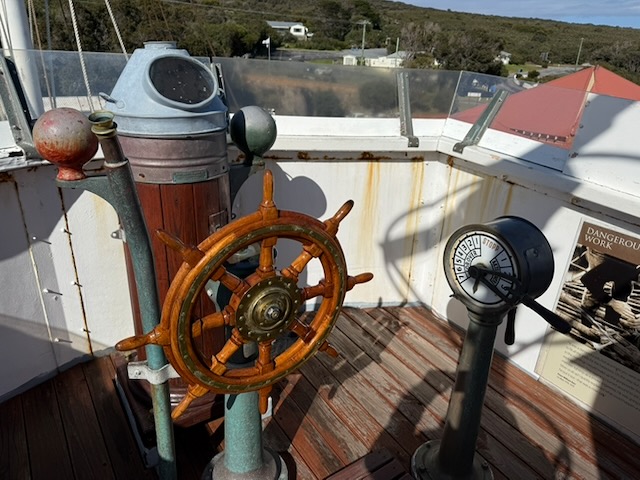
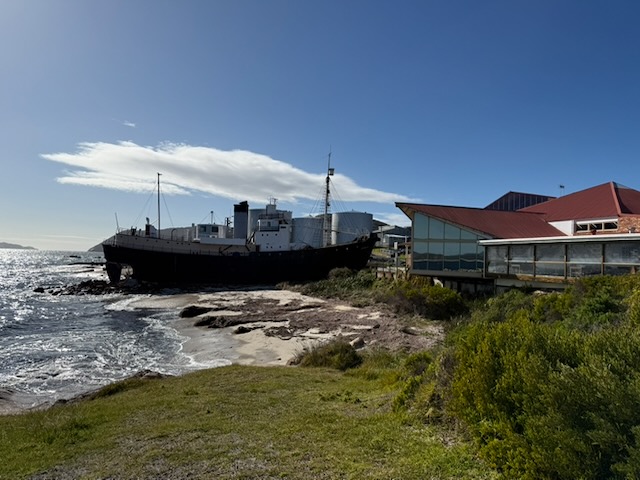
If shells are your thing, then the beautifully displayed collection in the connecting room between the reception area and the whaling station is worth visiting. The first stop after that is a very prominent whaling vessel. You can climb on board and explore most of it, although the area where the whales were hauled in and processed seemed to be off limits. There are many cabins, indicating that the crew was more numerous than I had imagined.
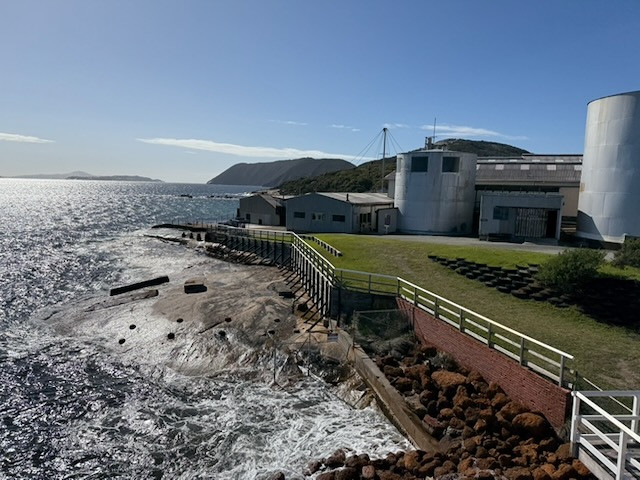
The feature that most struck me was the high-level gangway along one side of the ship taking you directly from the bridge to the forecastle so that crew could rush to man the harpoon. When you disembark there is a recommended route around the station sheds, including the workshop and the shed where the blubber and spermaceti were rendered. One of the silos which stored the oil has been adapted into a multi-level photograph display area.
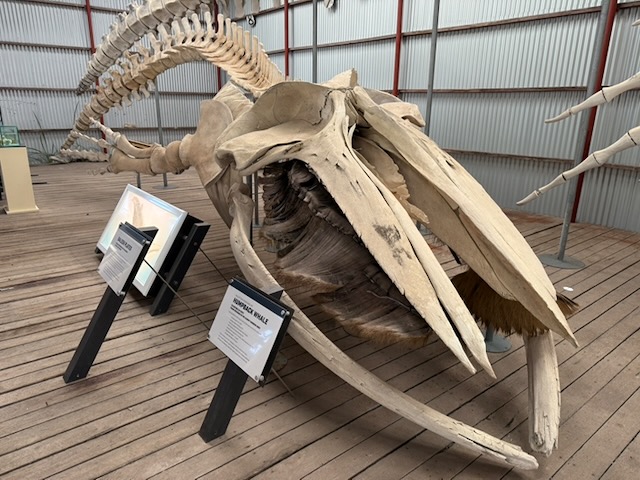
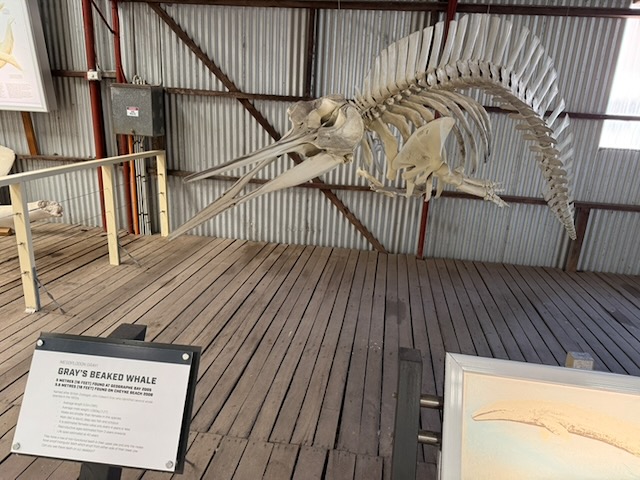
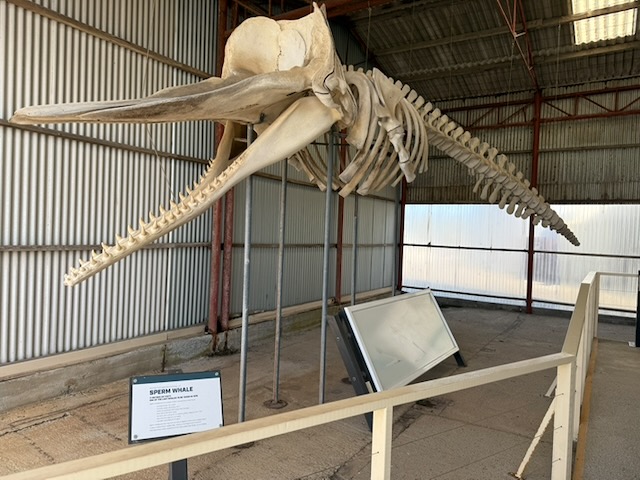
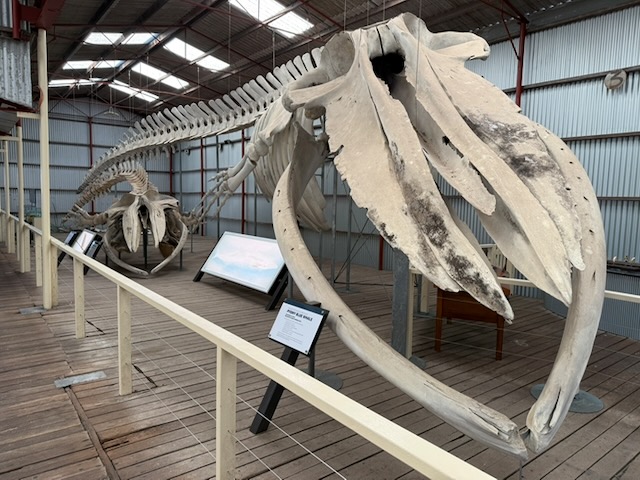
Another shed has mounted skeletons (including a sperm whale and a pygmy blue whale), another displays scrimshaw and another a spotter plane and aerial footage of whales. I found myself torn between fascination and revulsion, deciding to skip most of the photographs. I rejoice that the industry has largely ceased and found the apparent nostalgia in some of the exhibits unsettling. Whaling is part of our history, but not something to celebrate.
Meanwhile I went to the Regional Wildflower Garden next door and the very misleadingly named Australian Wildlife Park next to it.
The garden is lovely, and provides a compact introduction to the native flowers of the area.
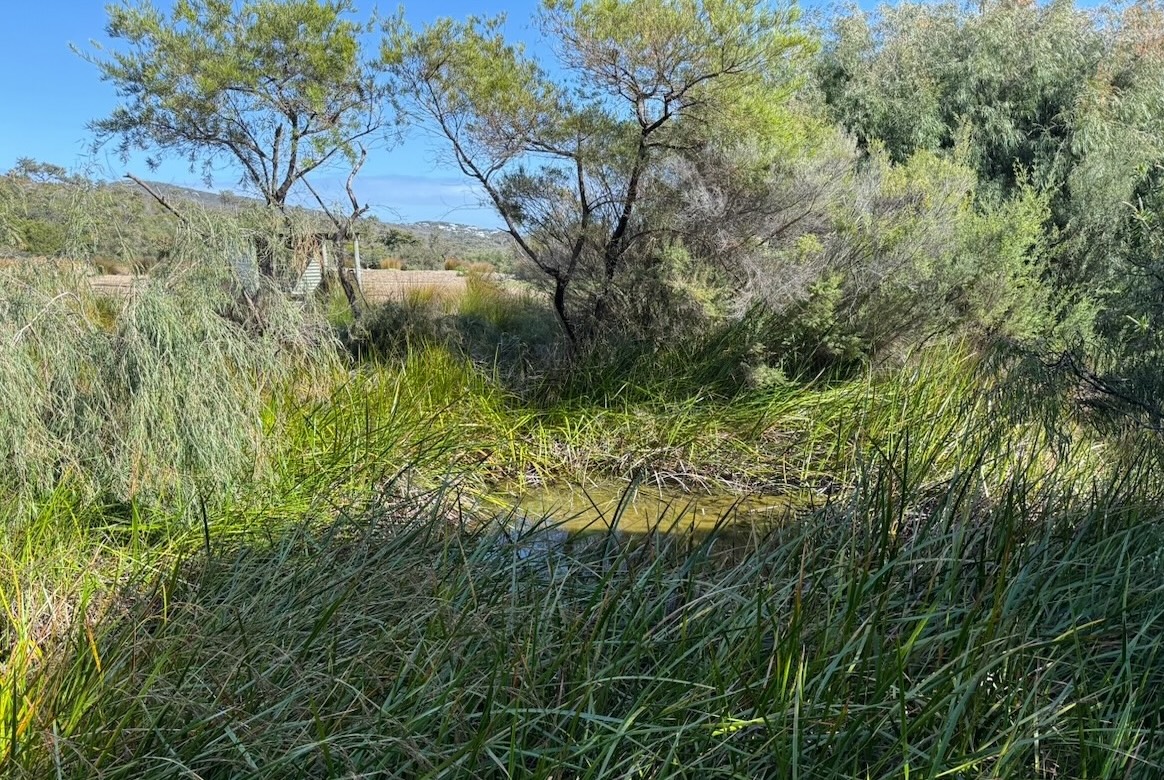


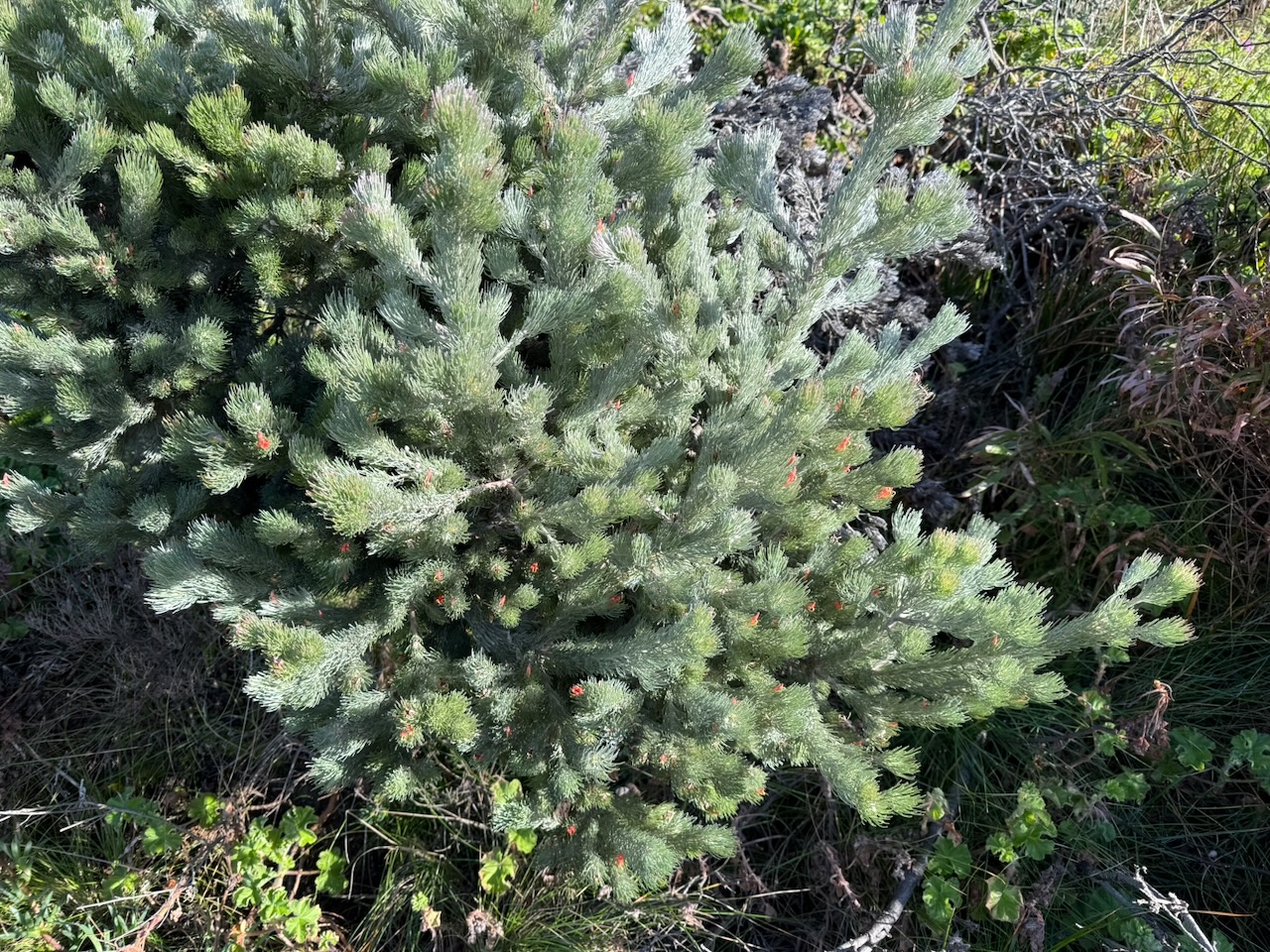

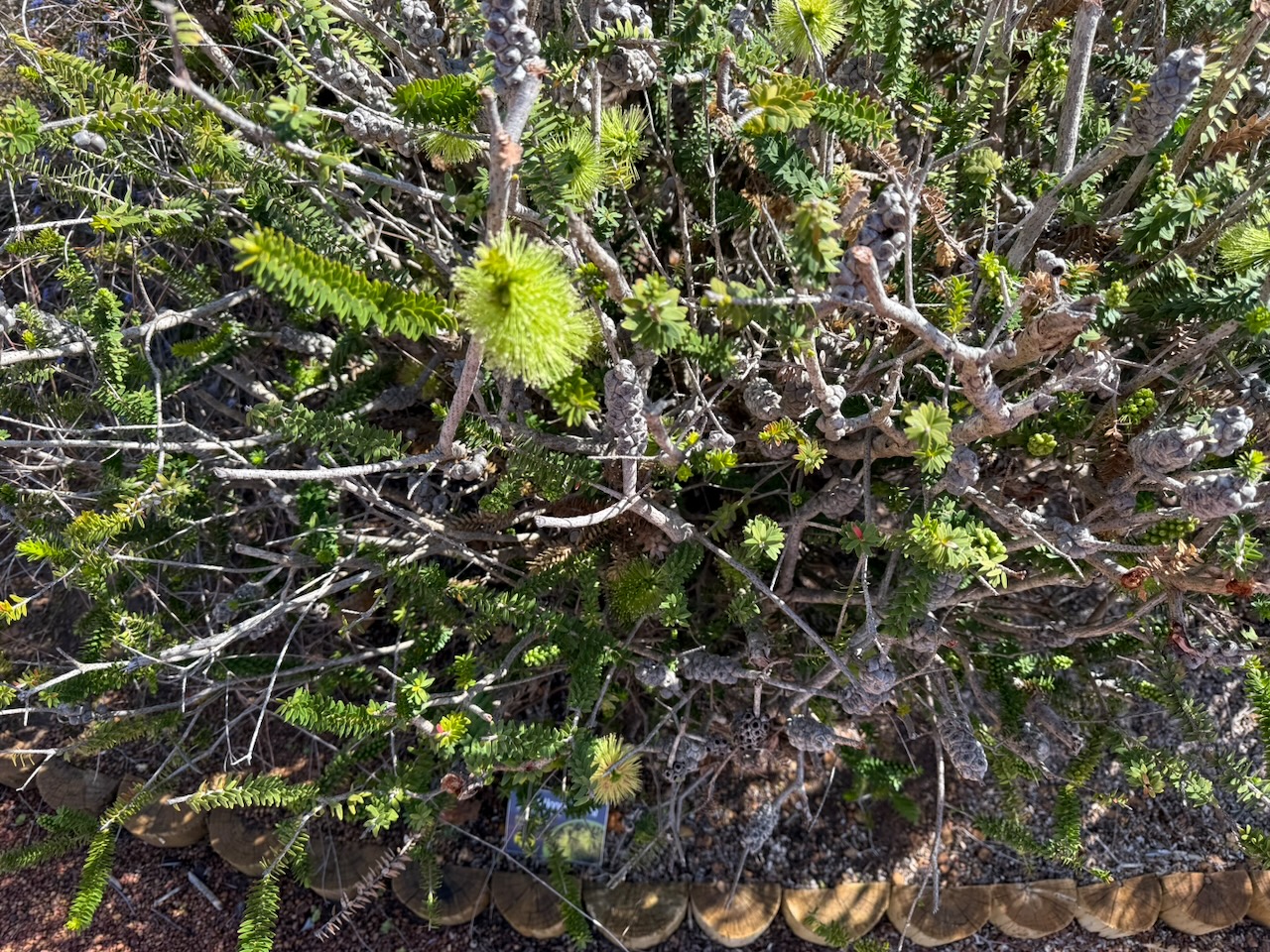
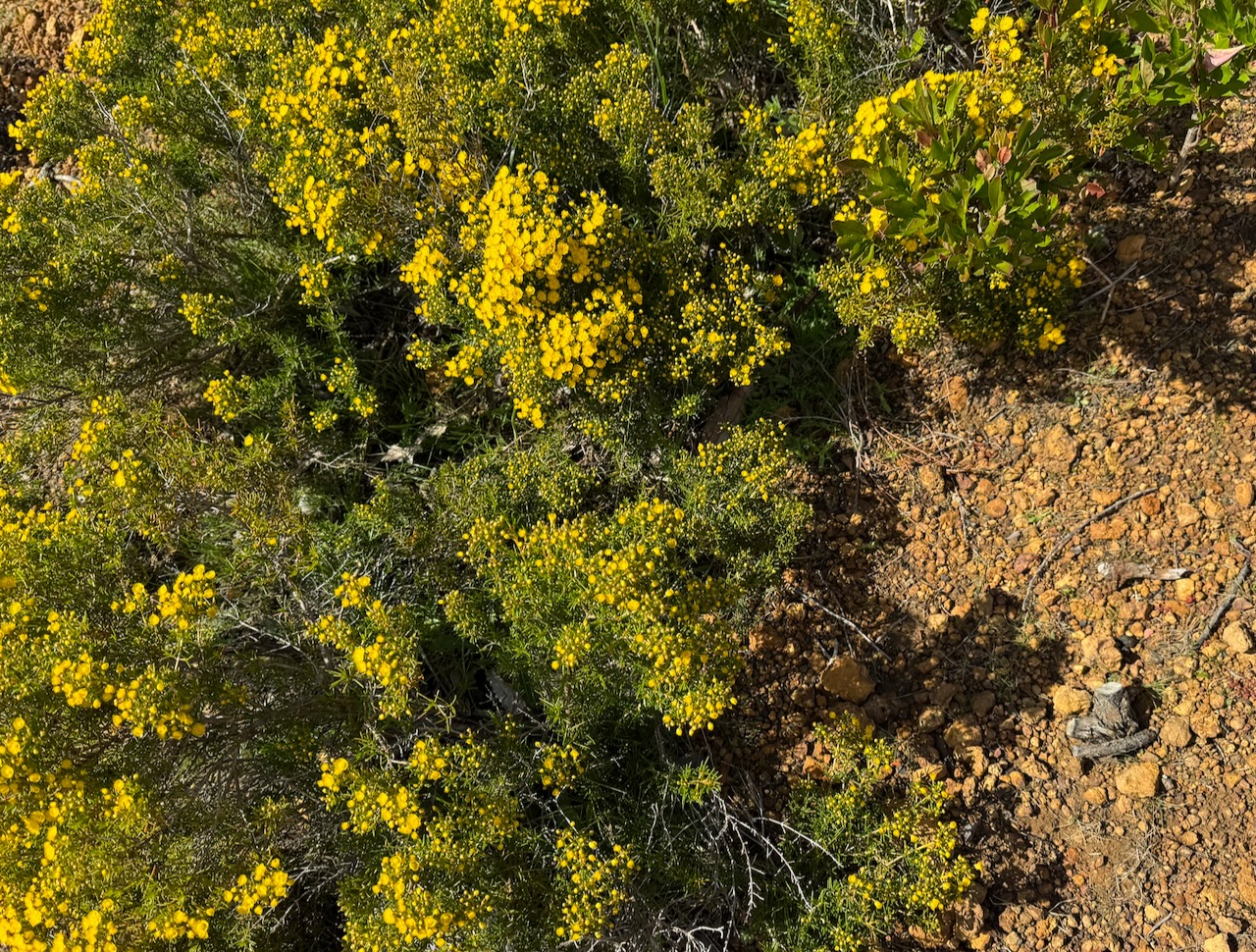

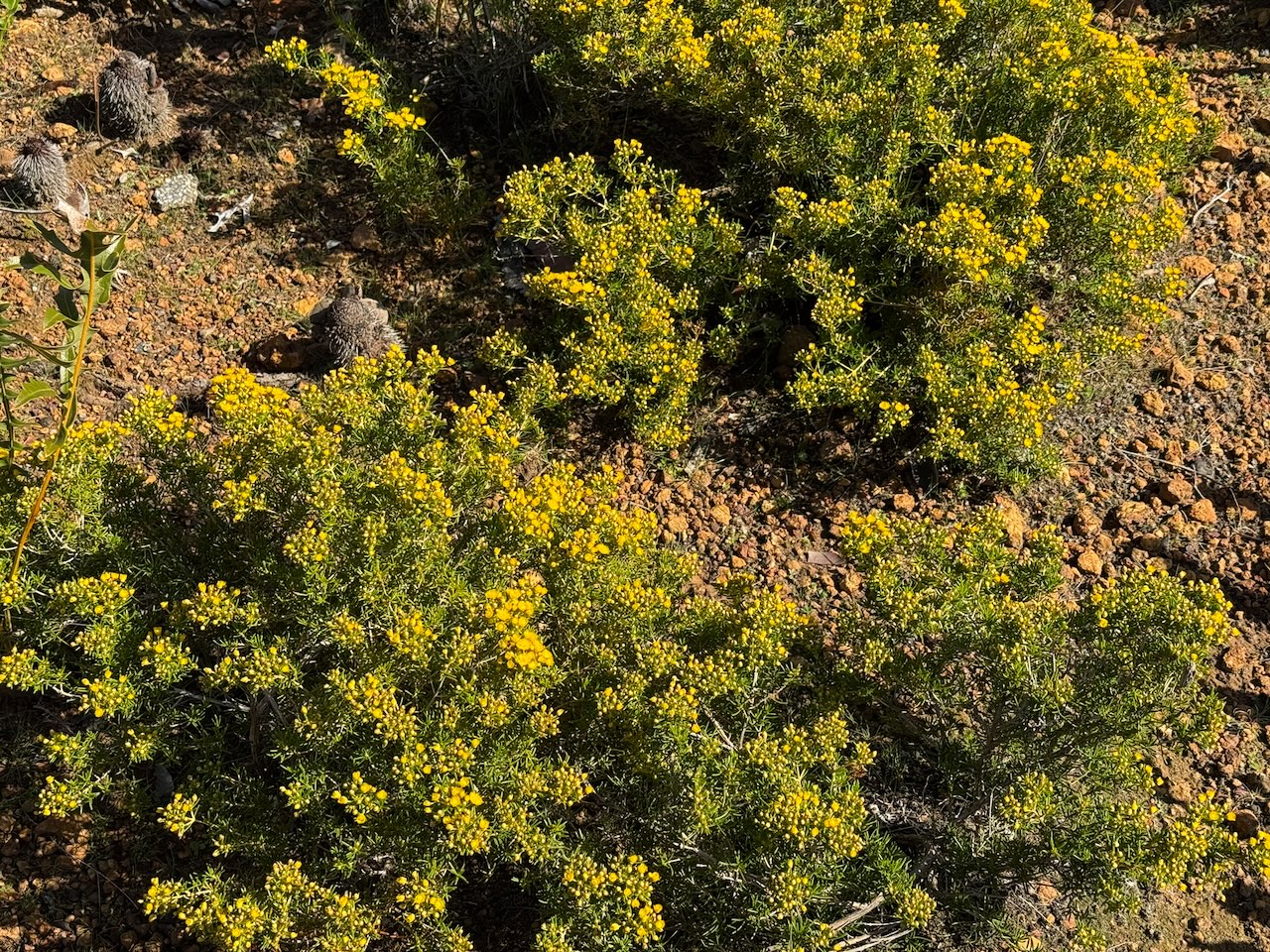
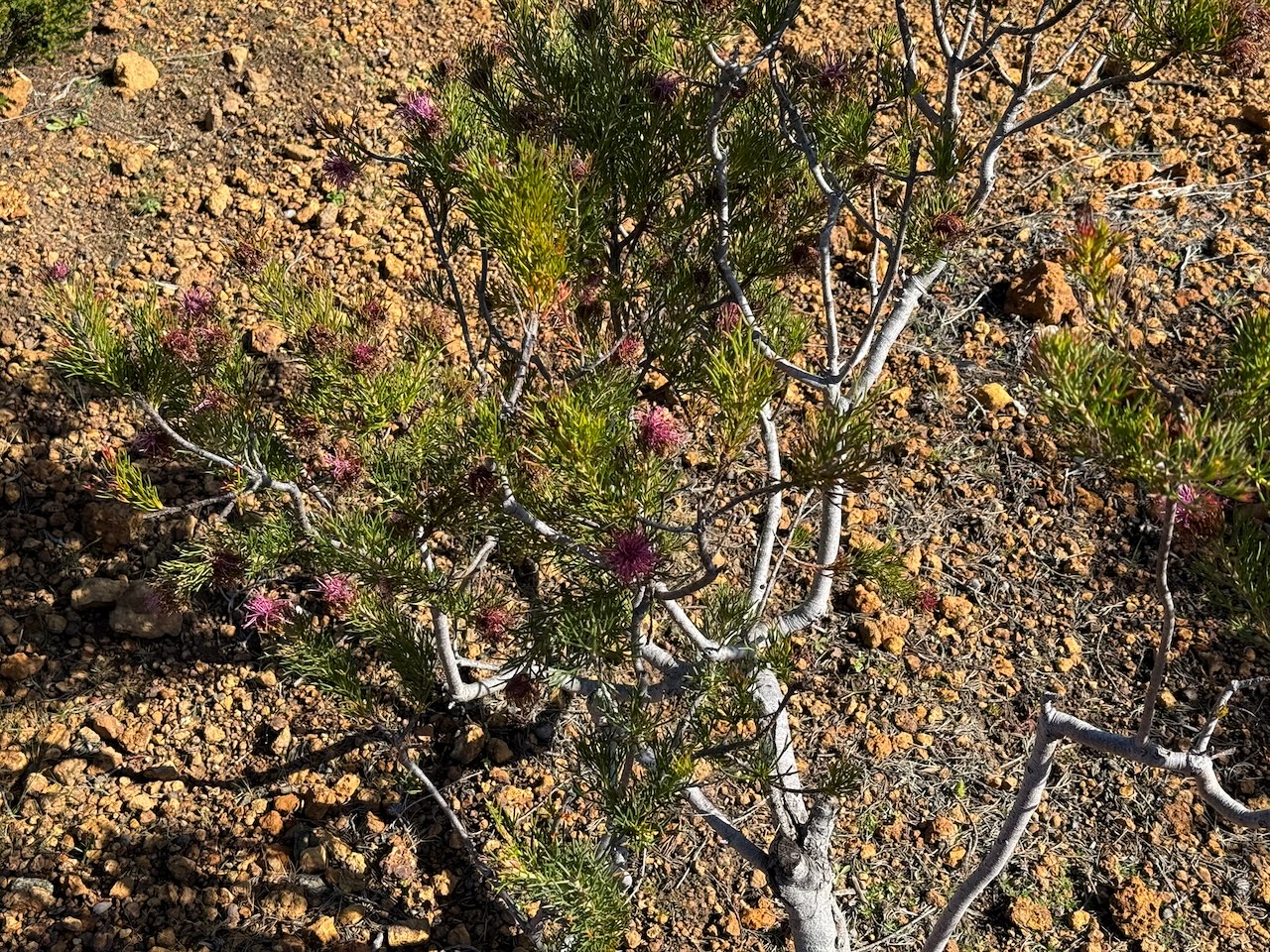
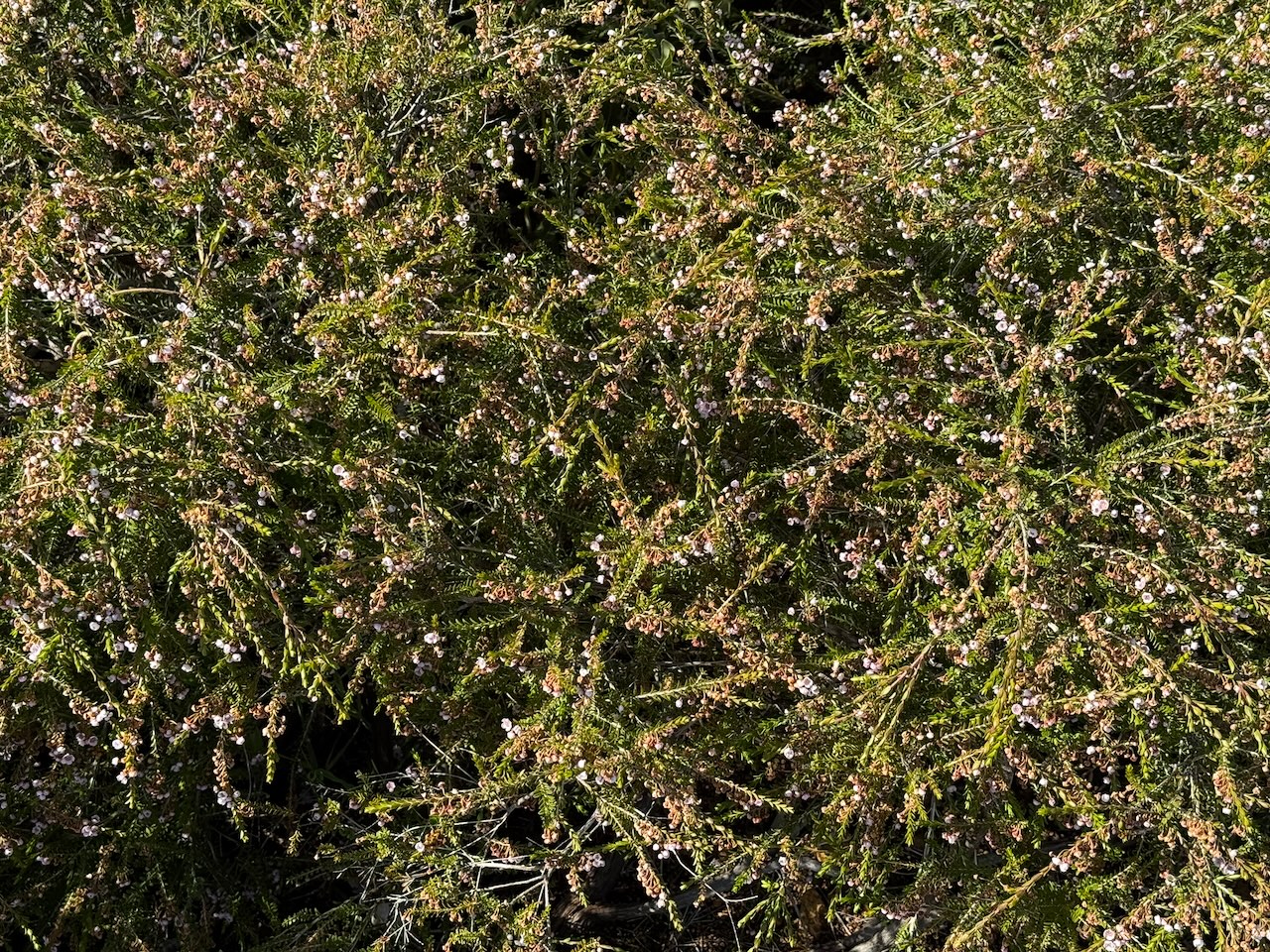
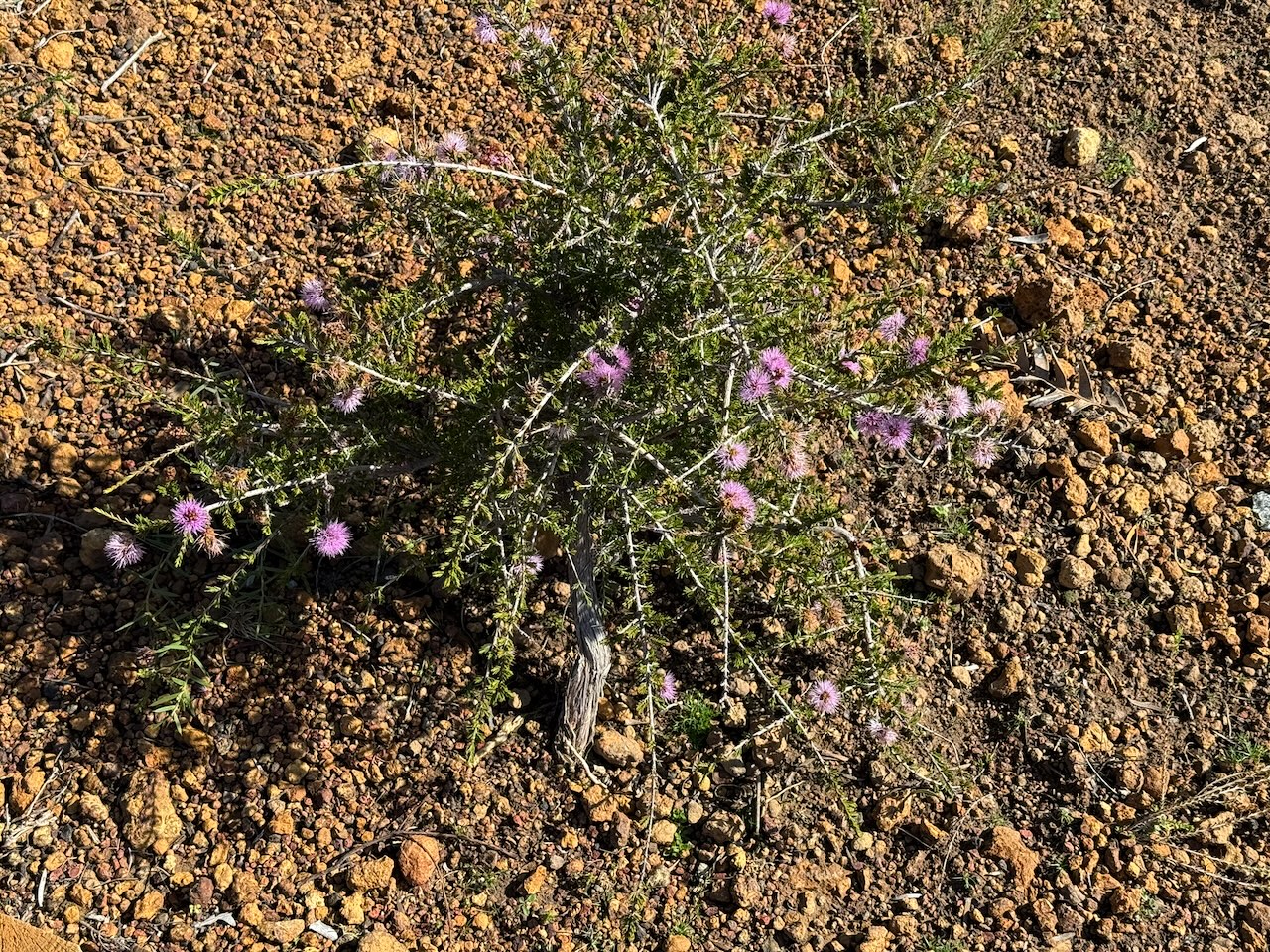
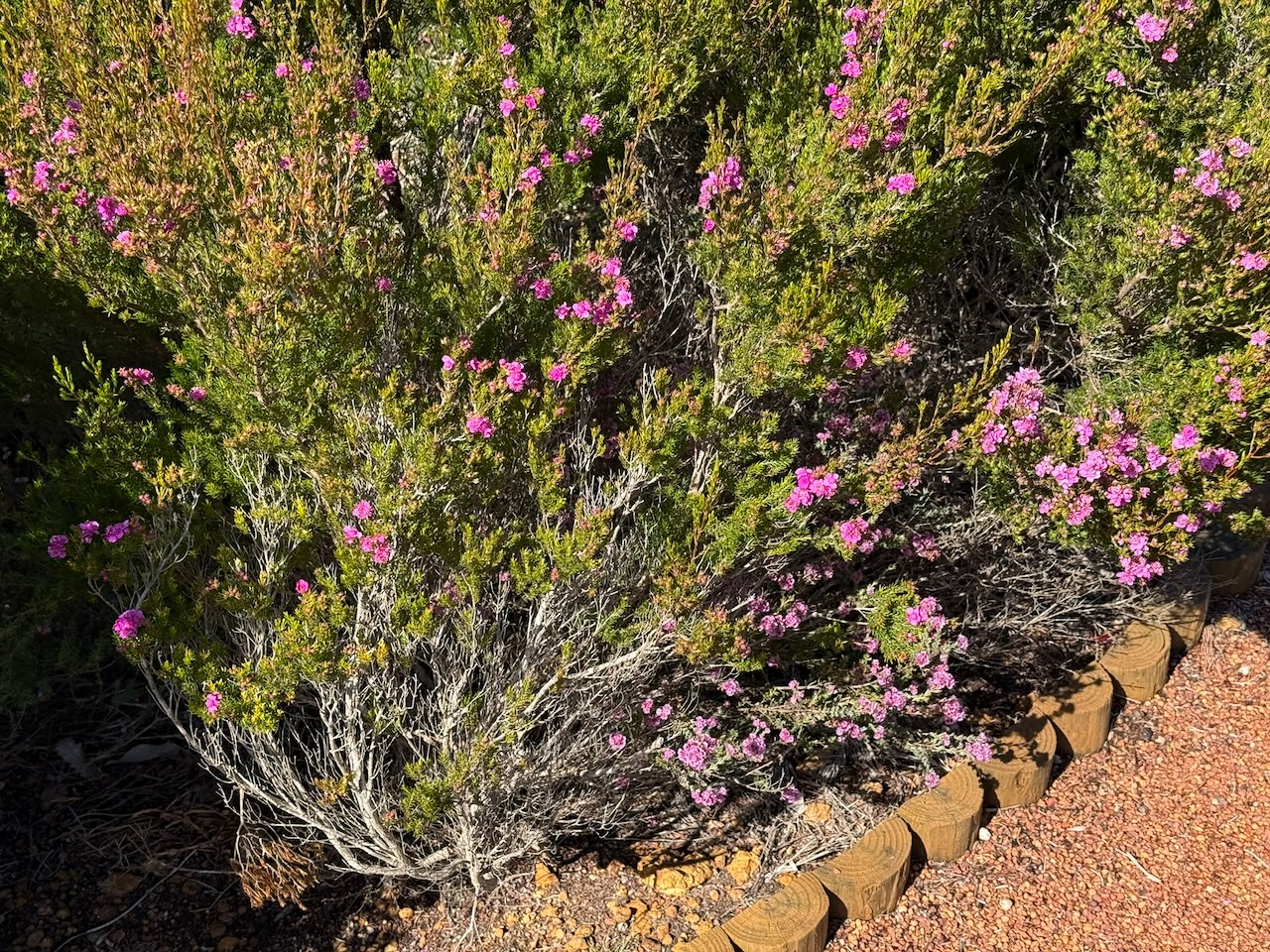
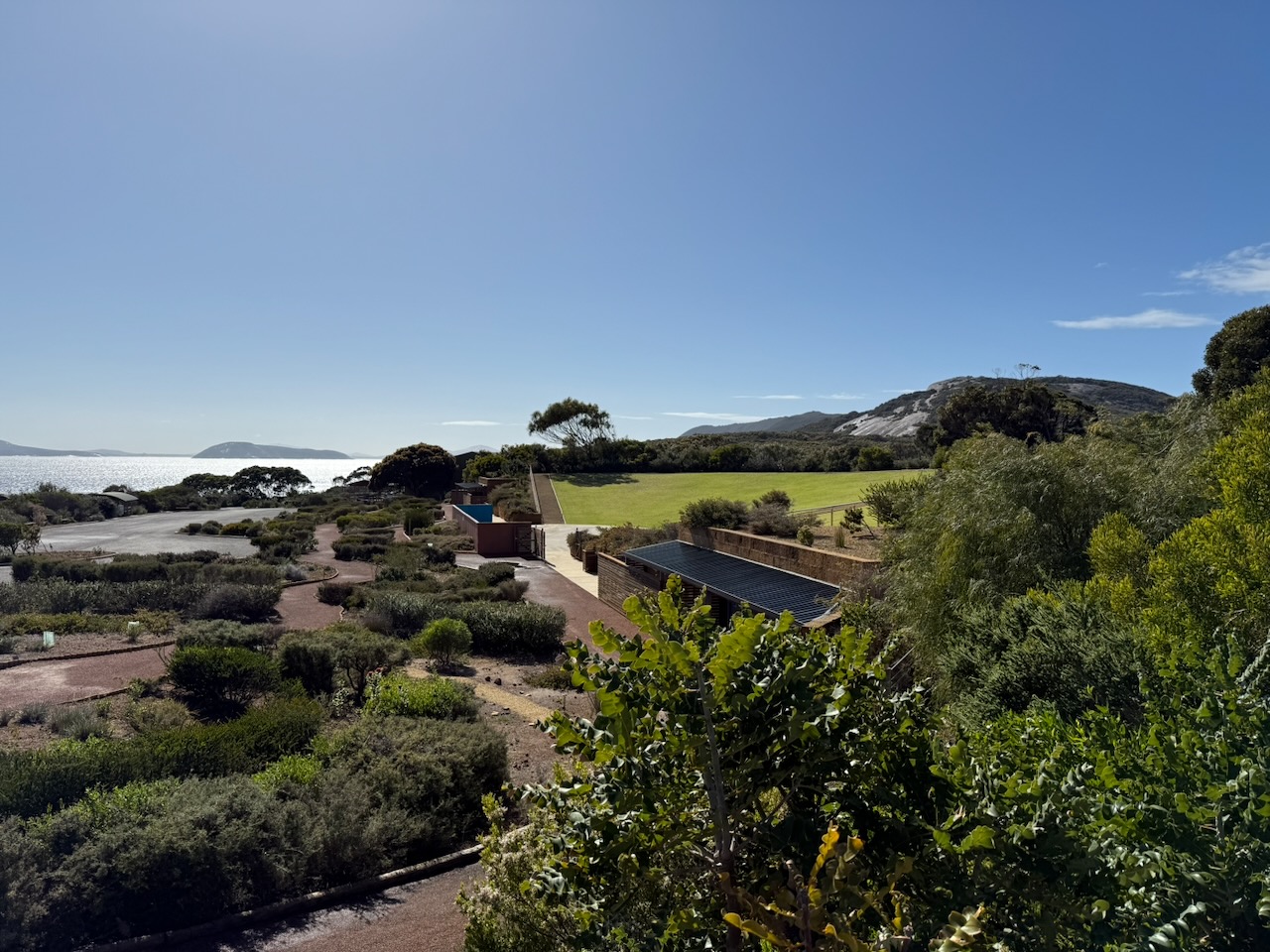
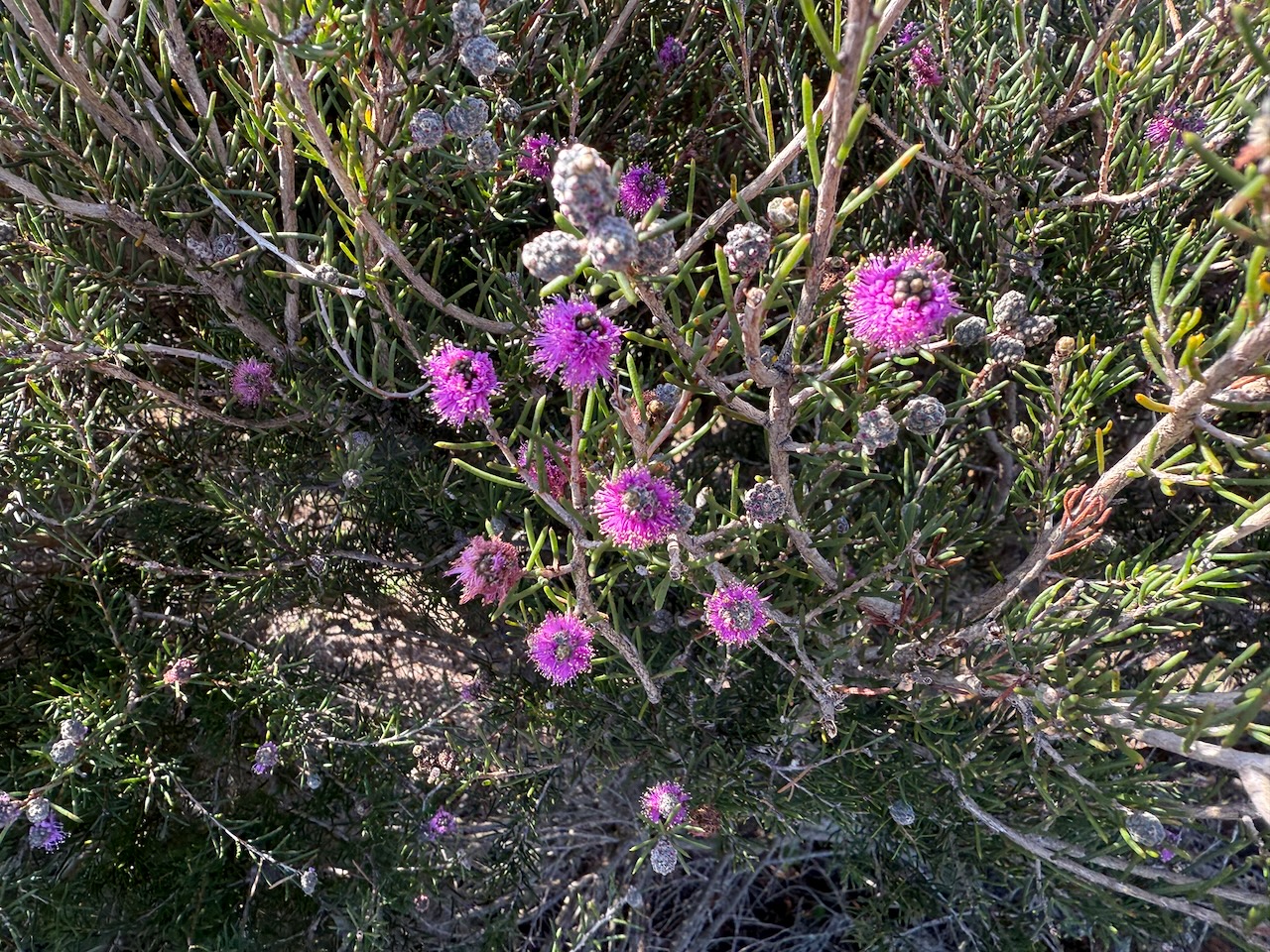
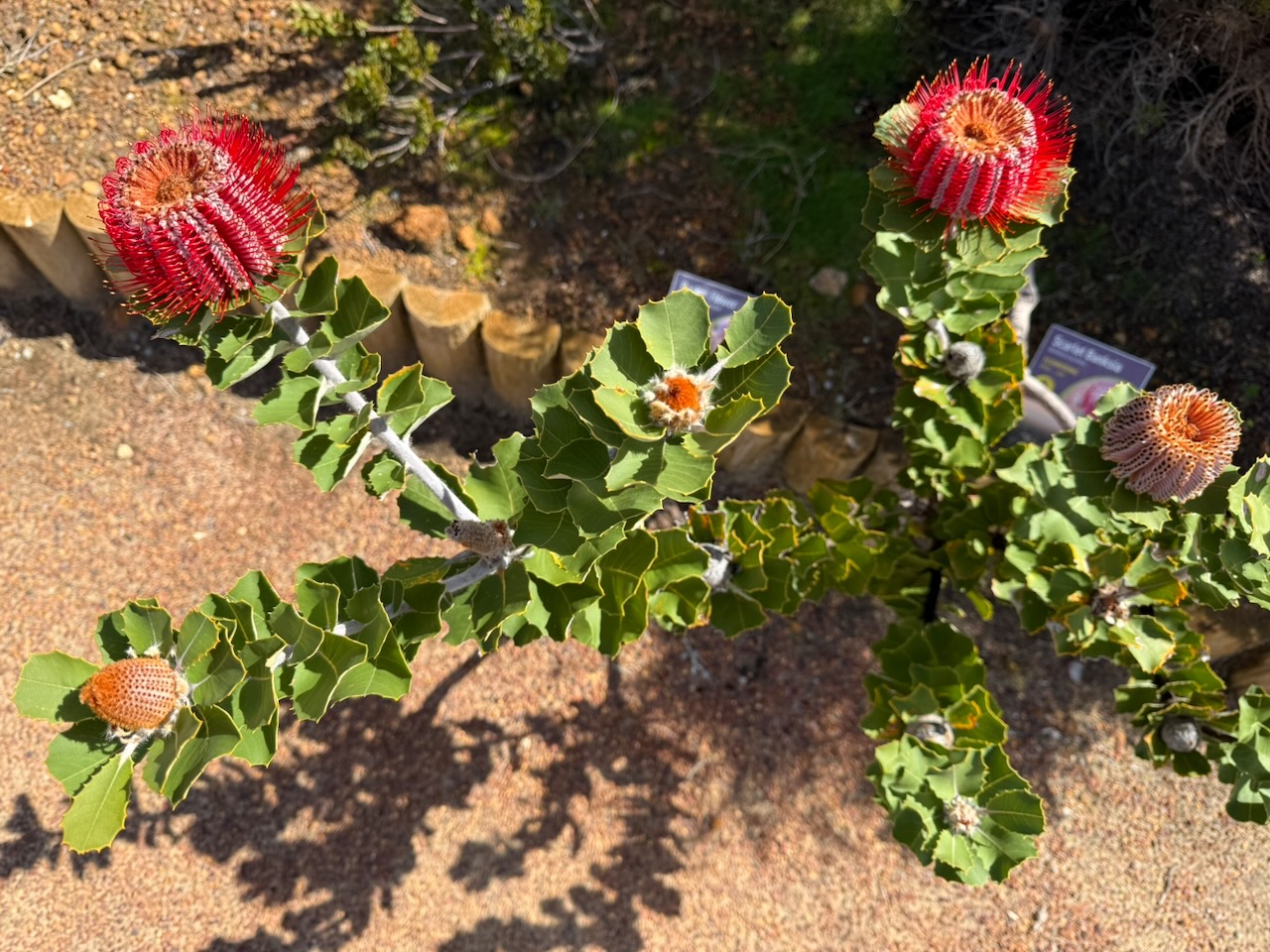
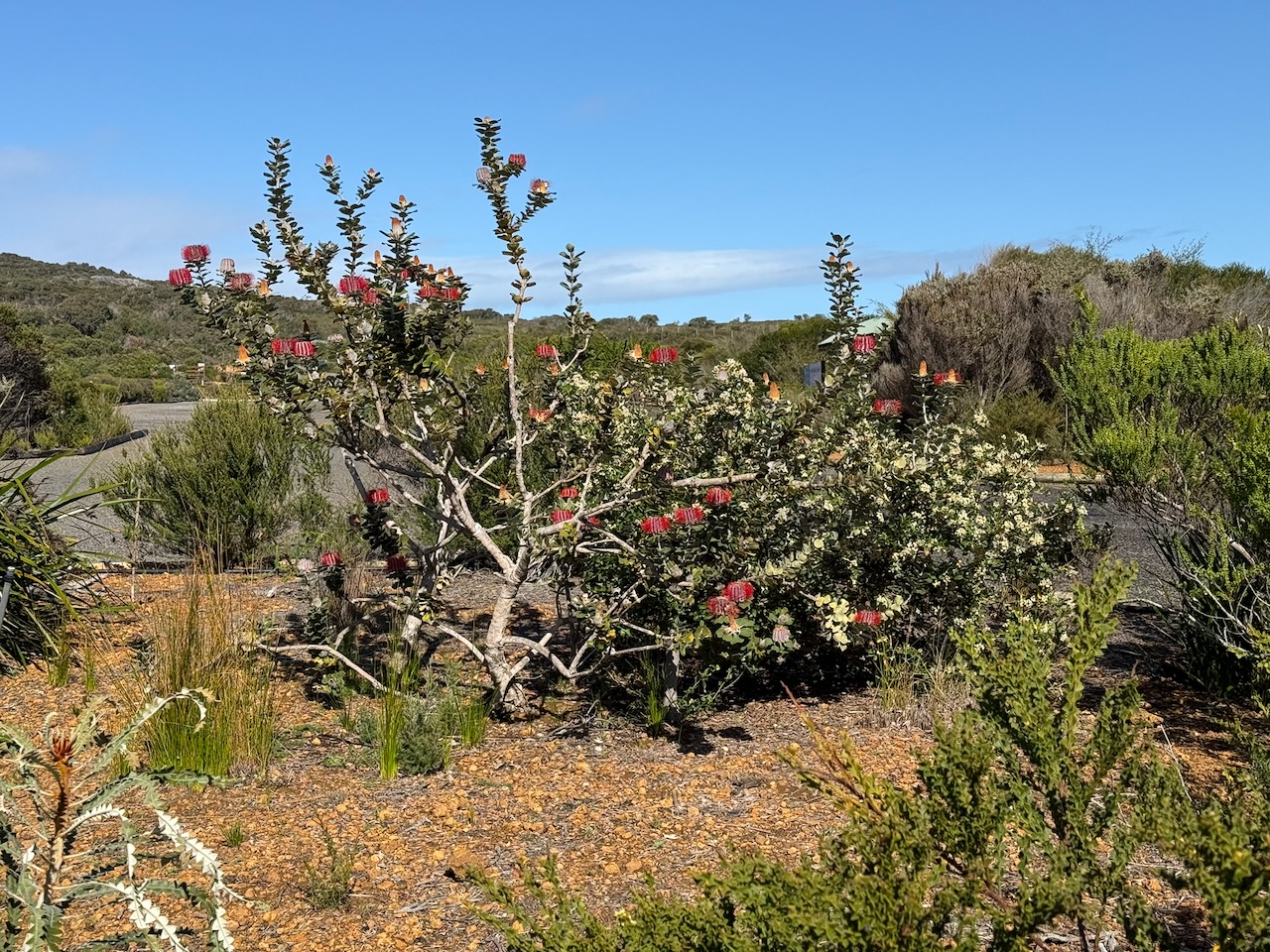
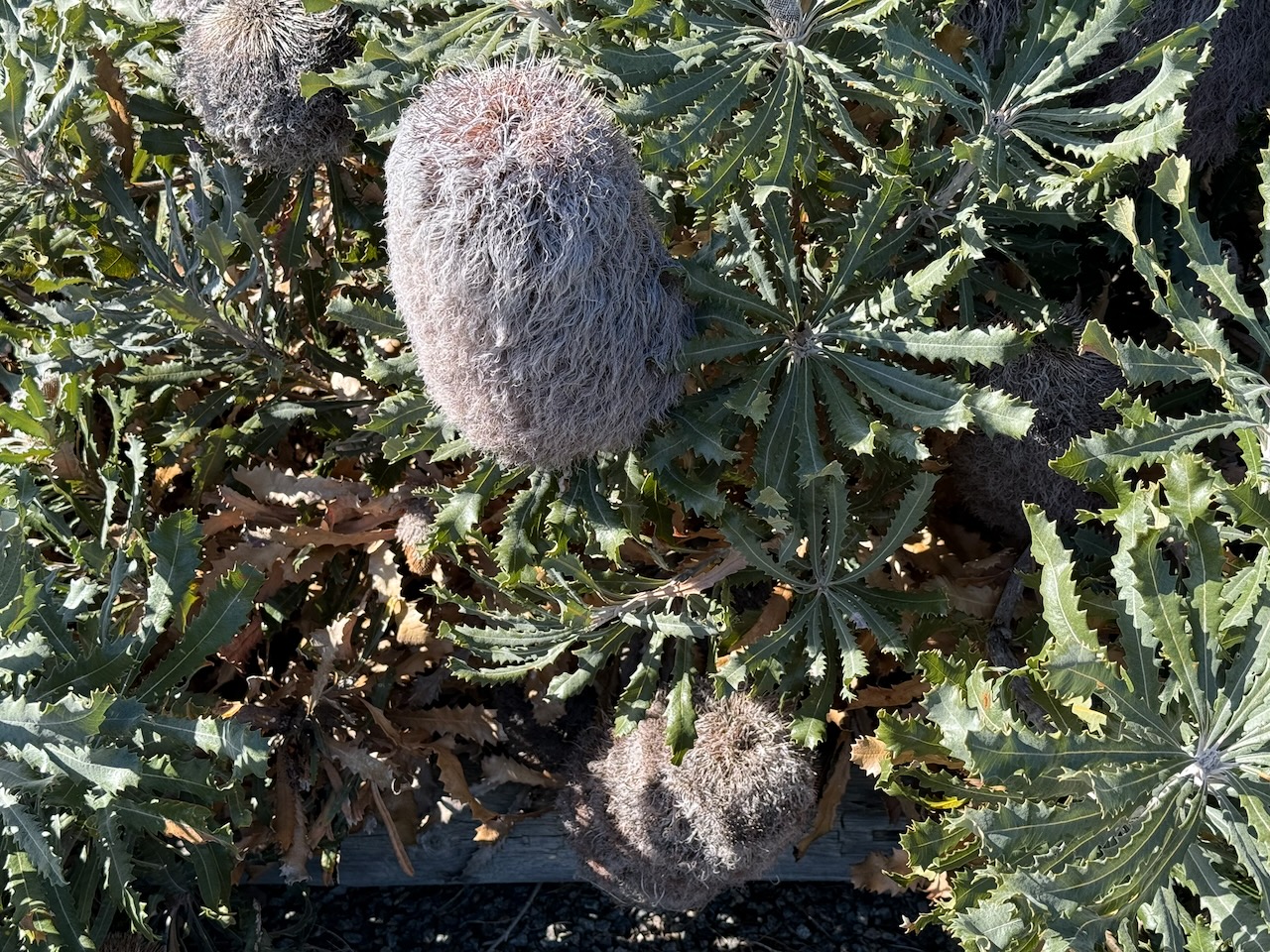
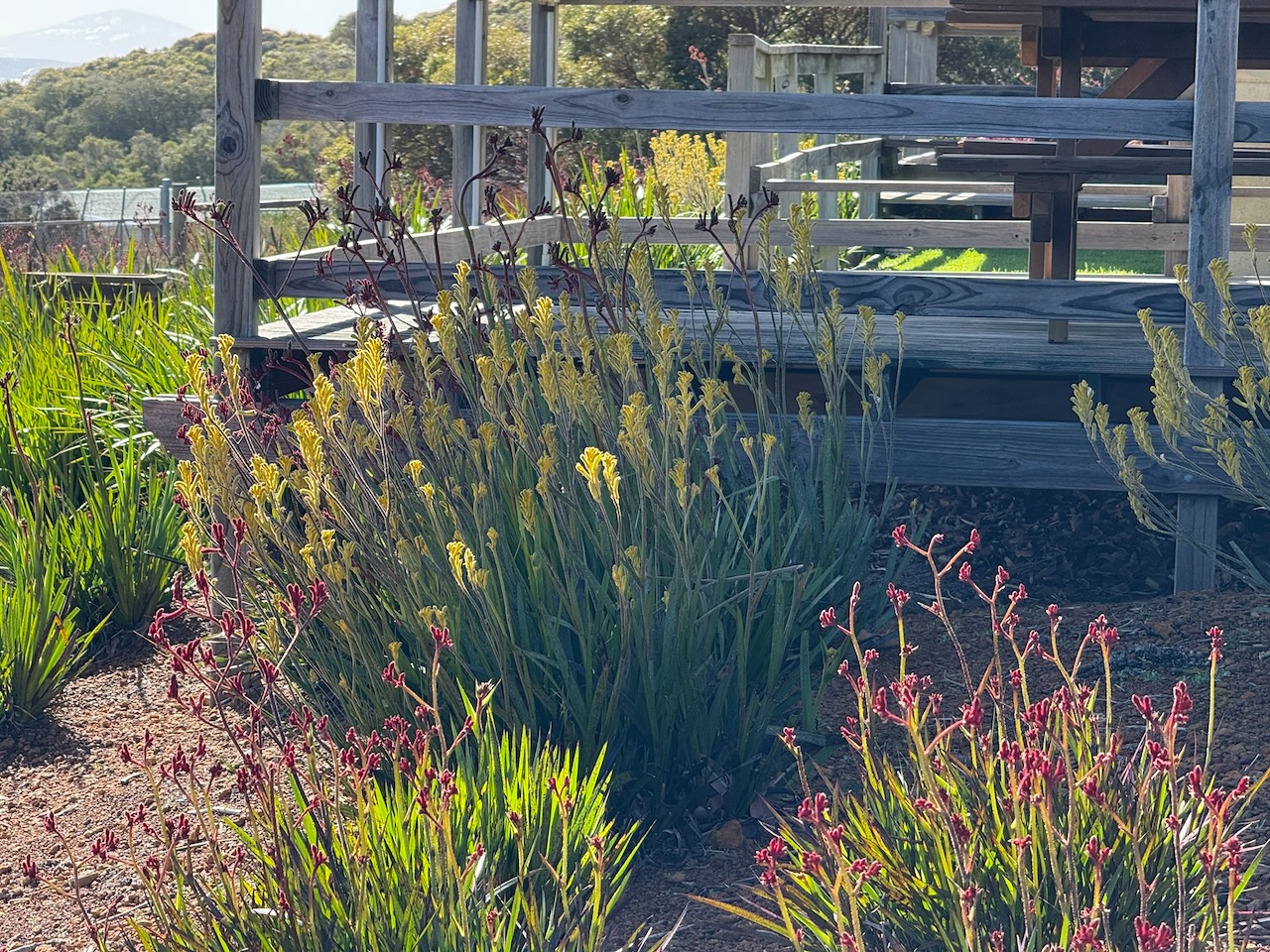
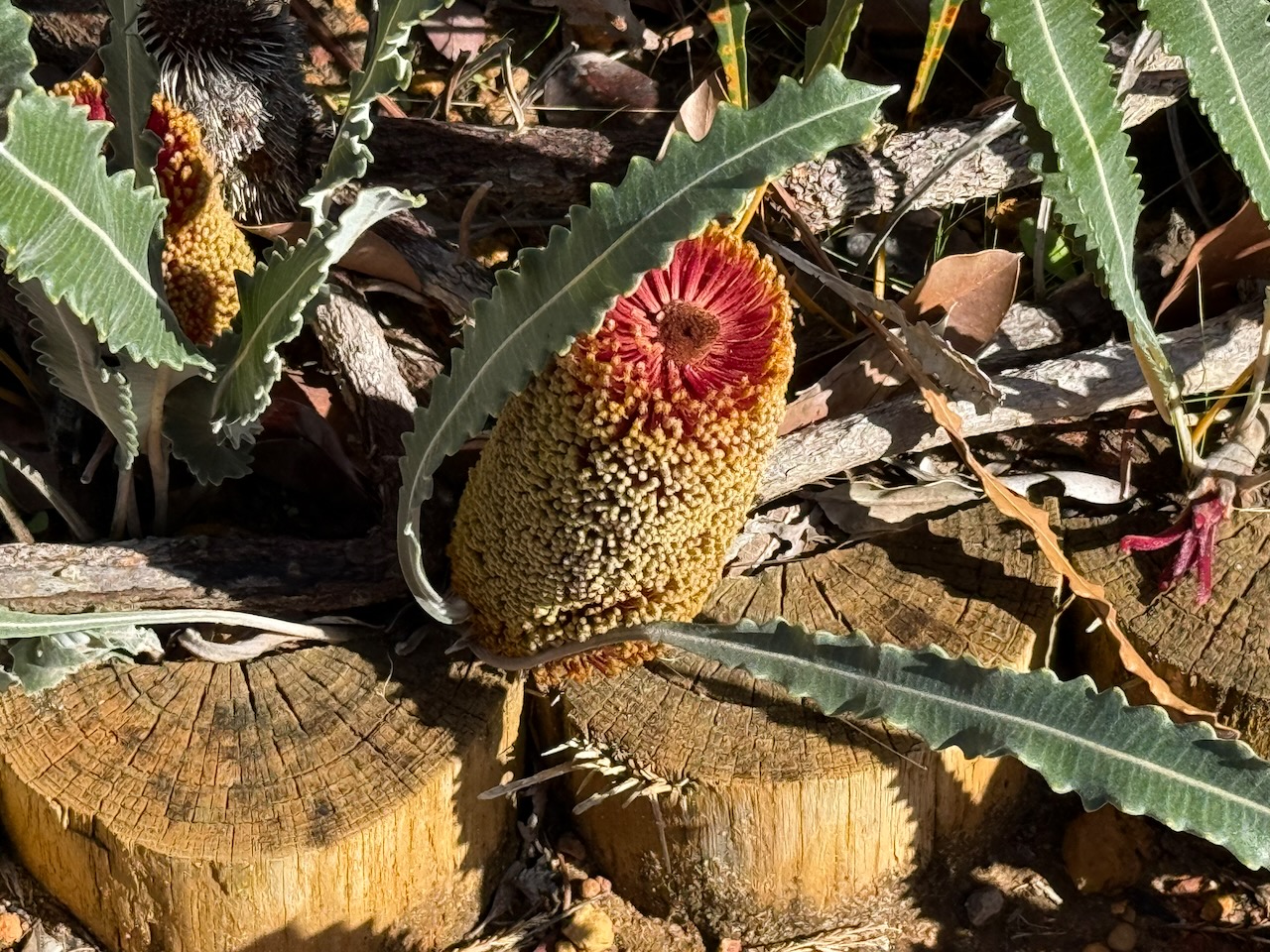
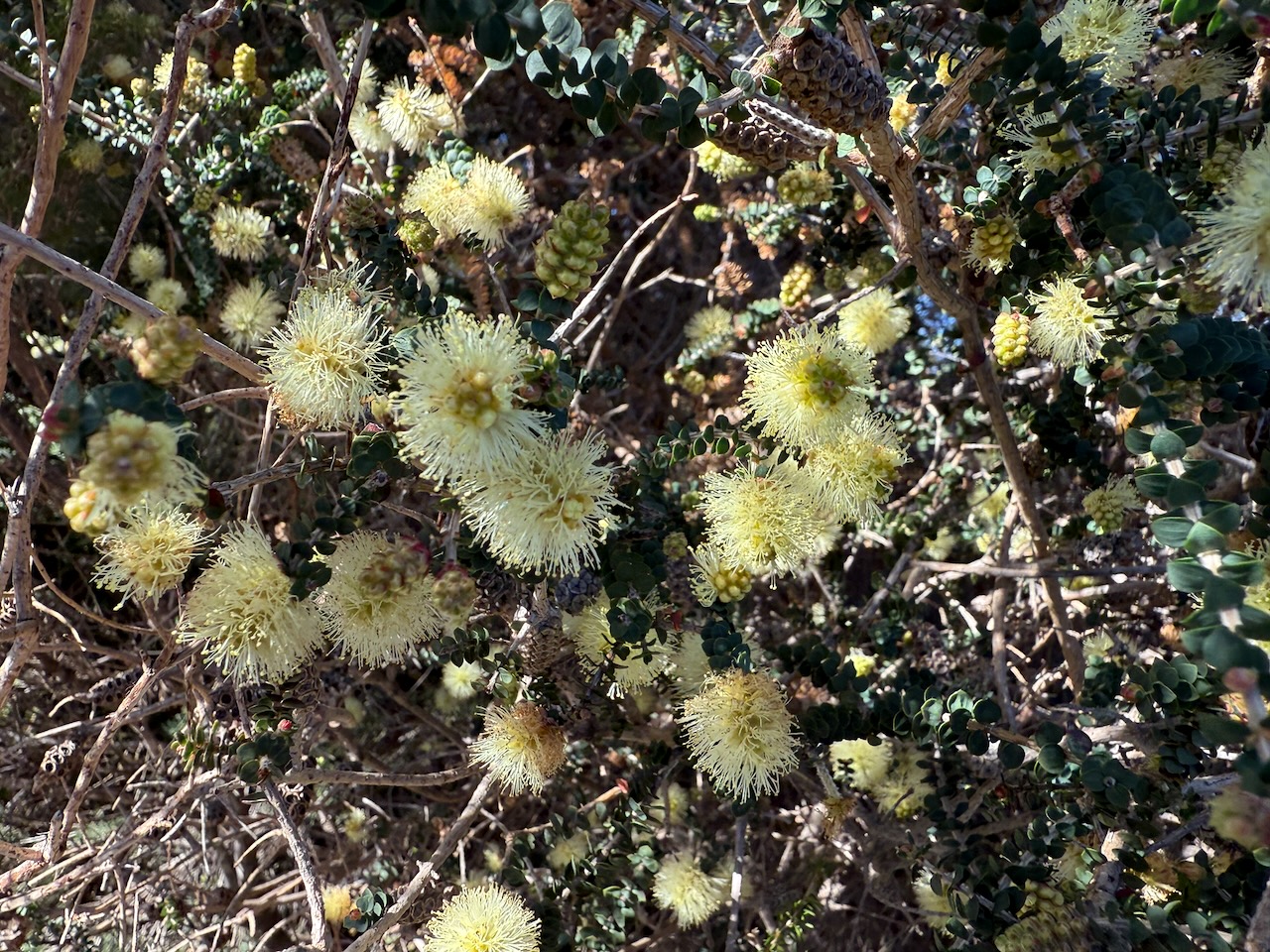
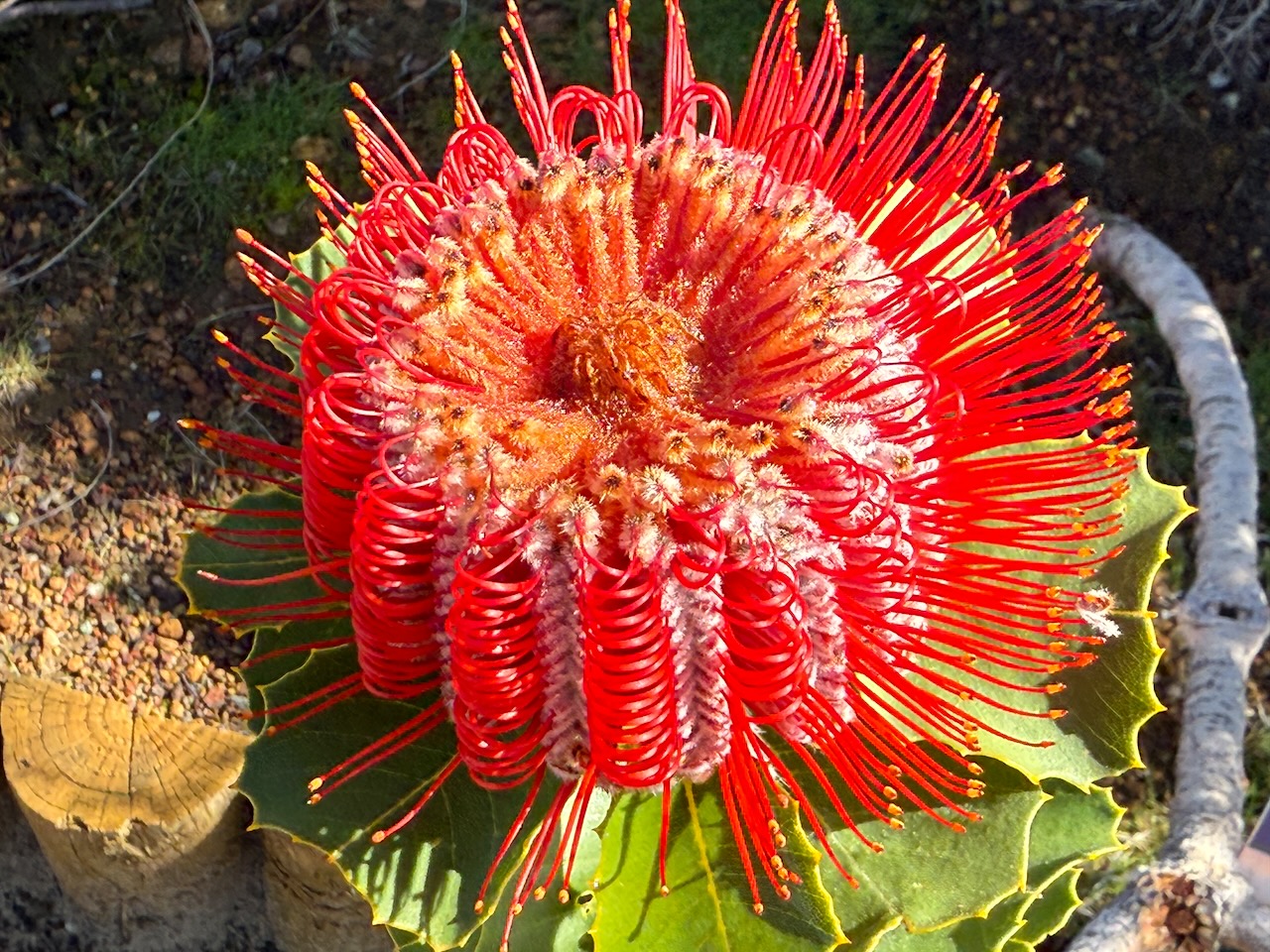
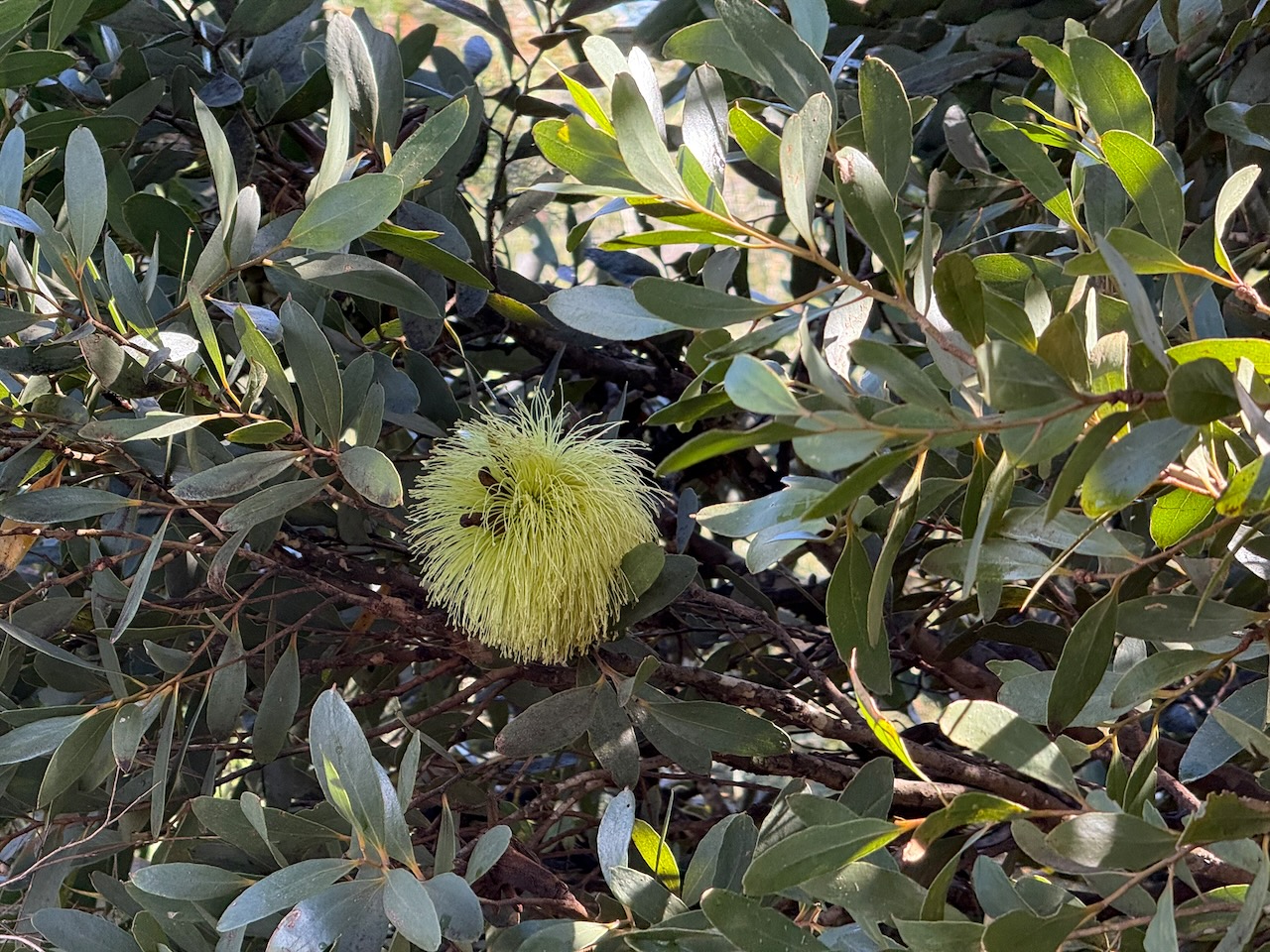
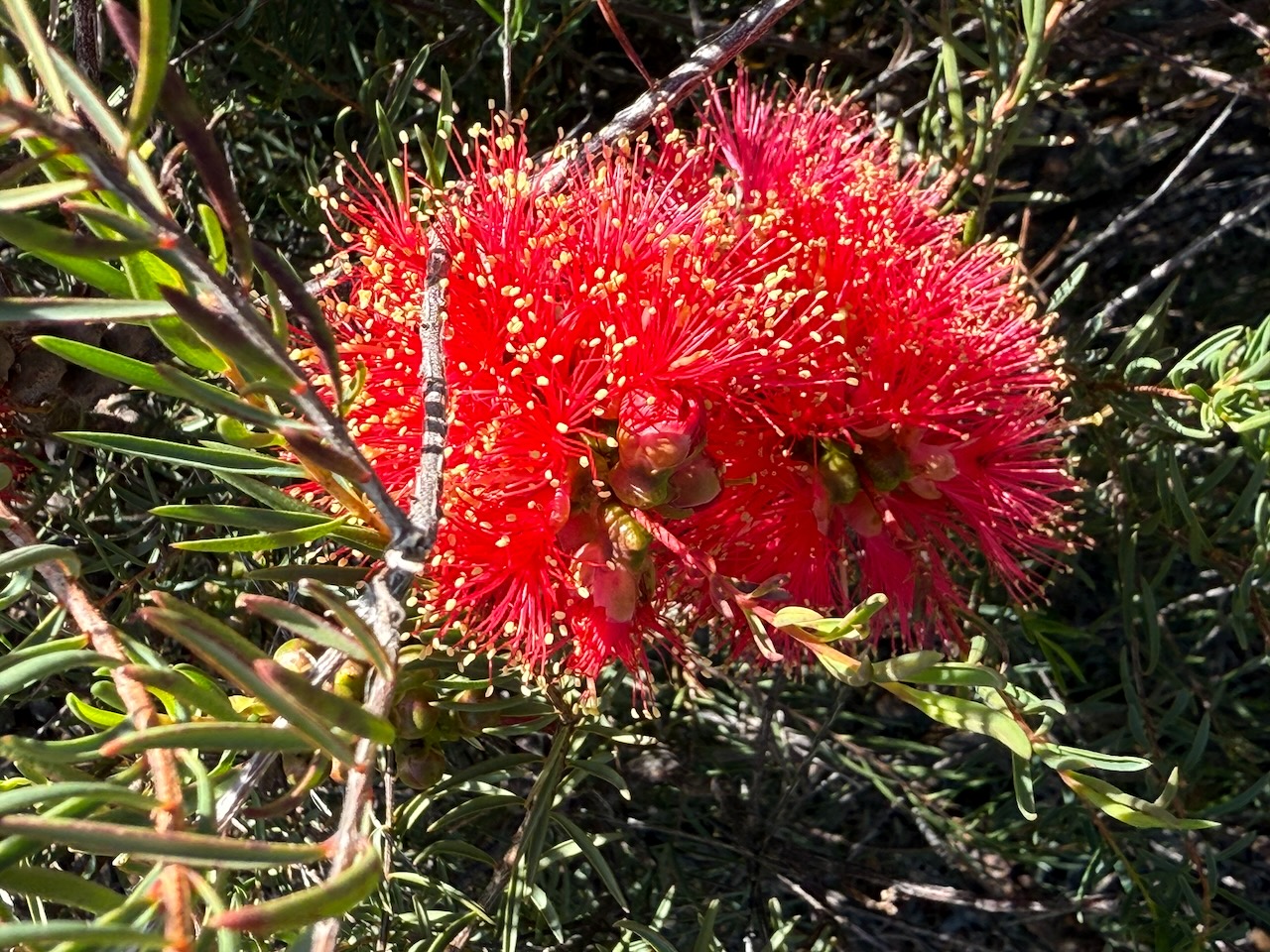
Unfortunately, on a very cold morning after heavy rain, the decking used to make paths to little lookouts around the garden was covered in mud and slippery as ice. My leg went out from under me, and I did something horrible to my thigh muscles which took weeks to come good, and that severely limited my mobility for the rest of our WA trip.
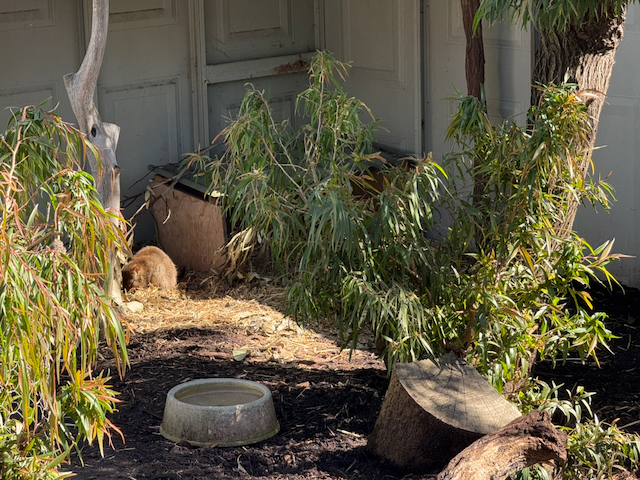
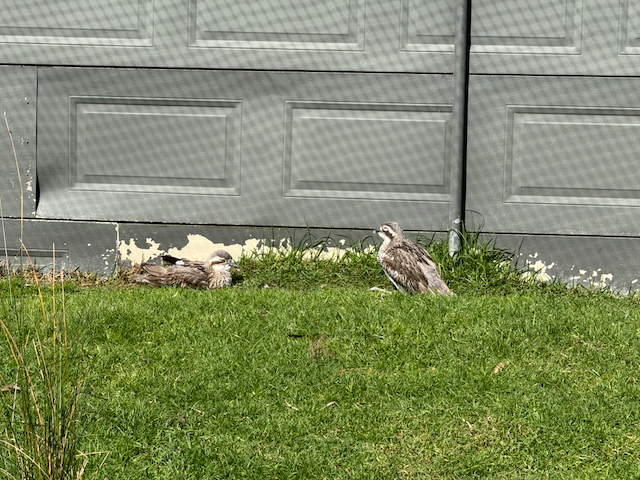
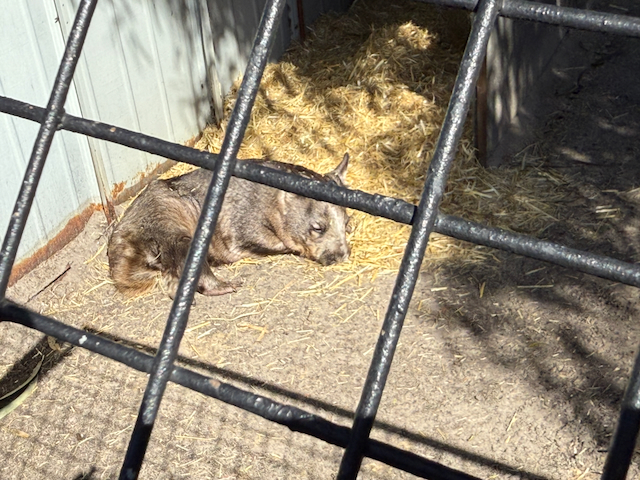
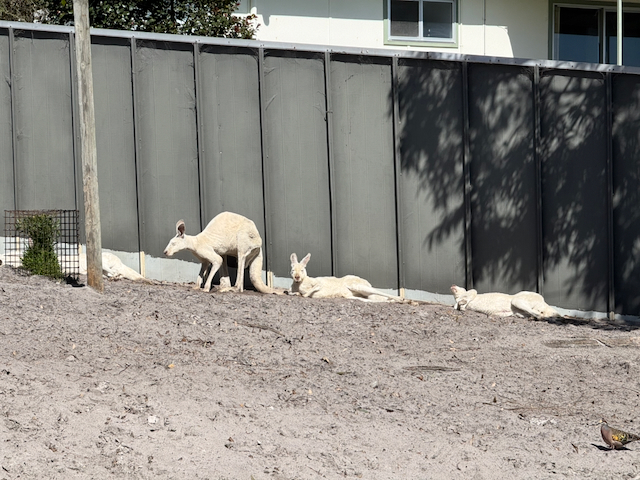
I managed with difficulty to get to the ‘wildlife park’ which was (a) tiny – about the size of our house and garden; and (b) not entirely full of native animals found in the region (like pademelons). It was a bit of a cheat, really. Doug arrived there just as I did, and we went slowly around the enclosure. It was nice to see the animals, but I was in too much pain to enjoy it much.
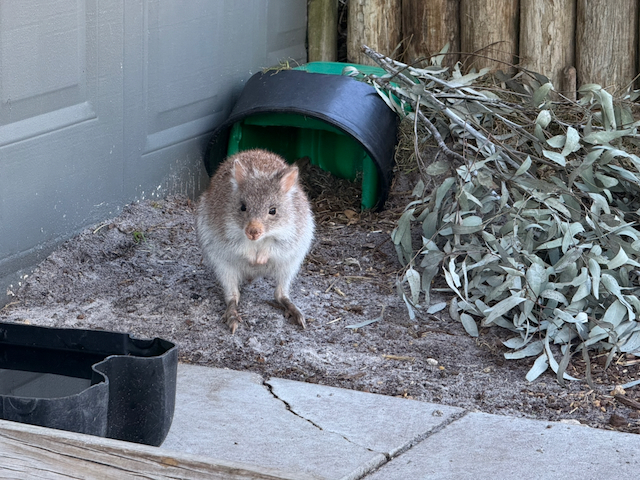
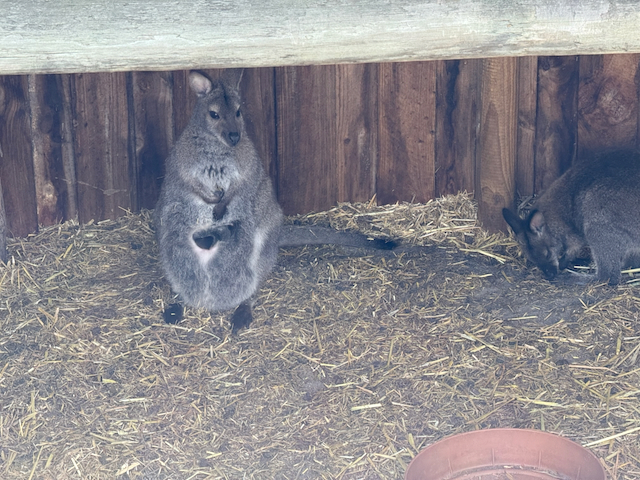
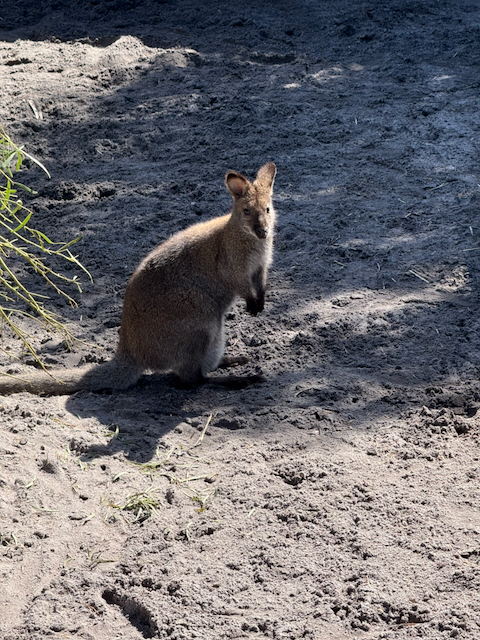
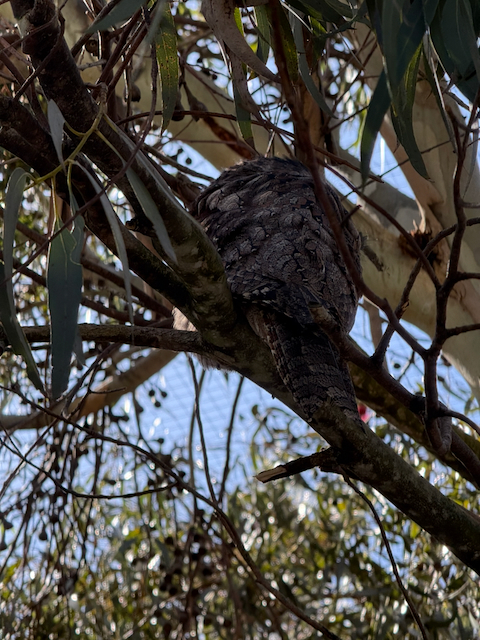
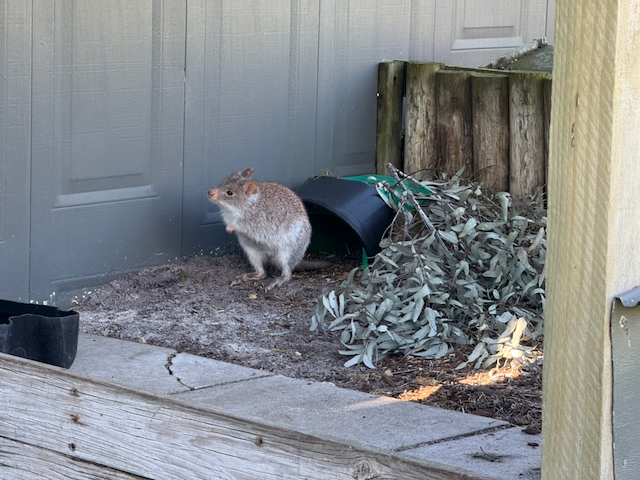
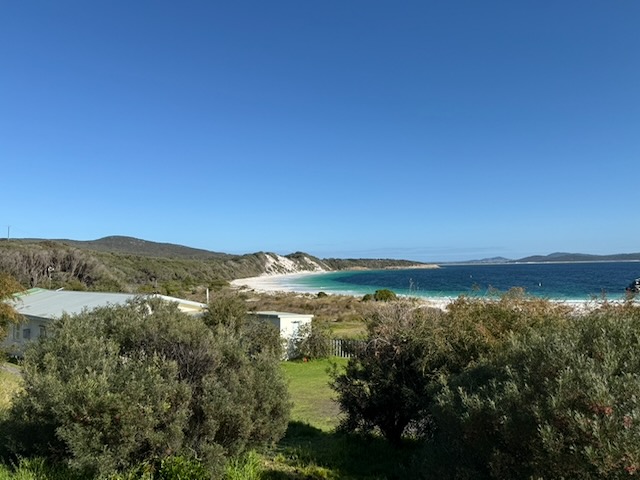
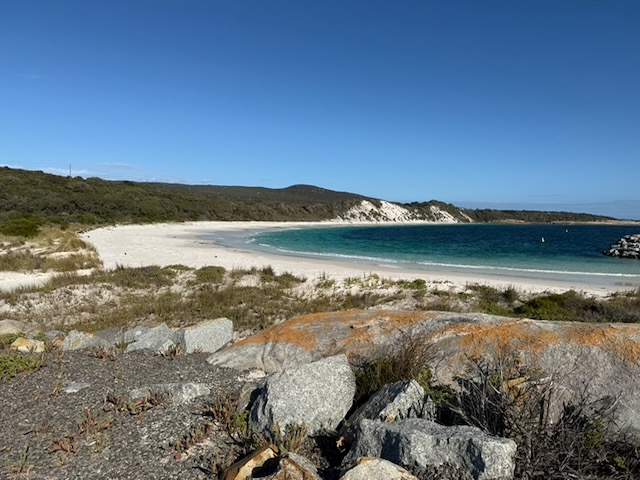
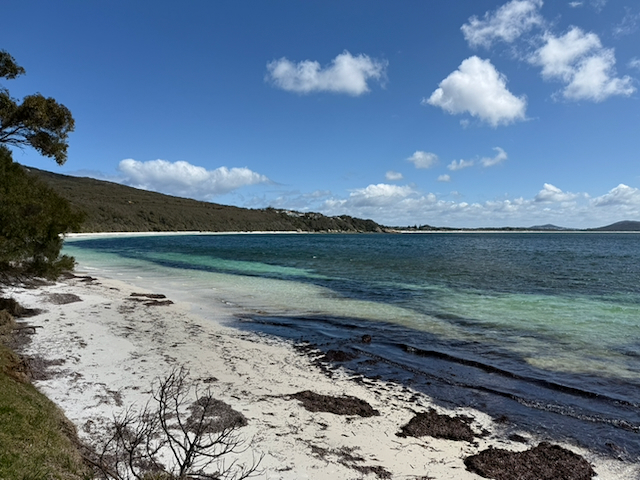
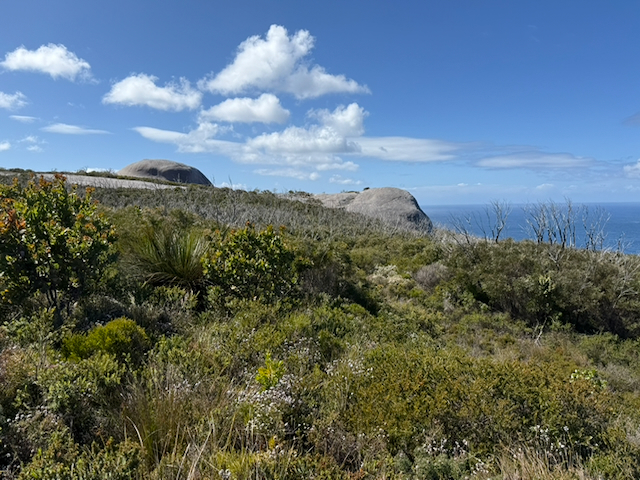
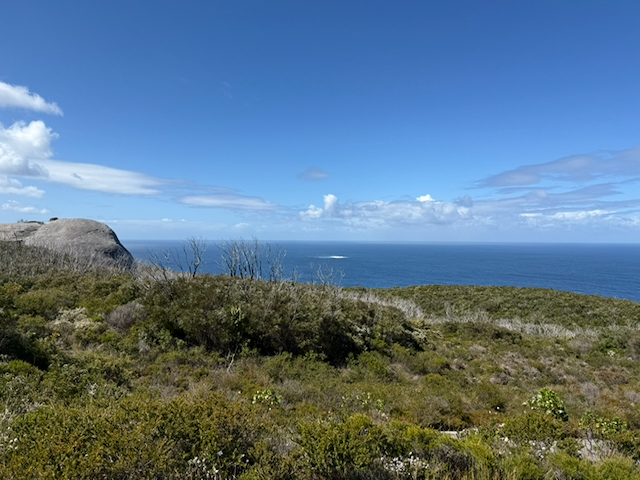
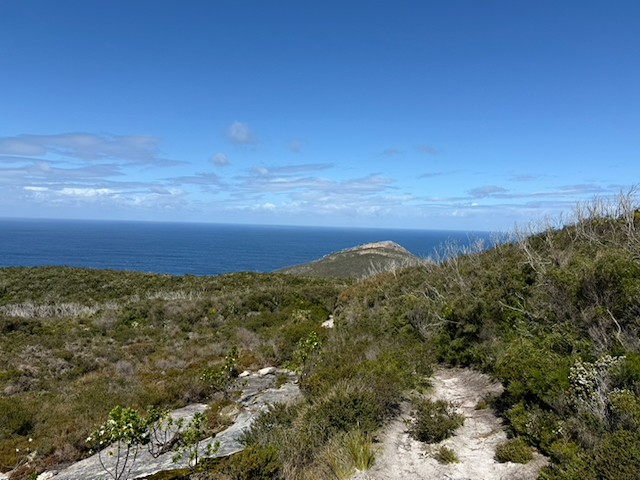
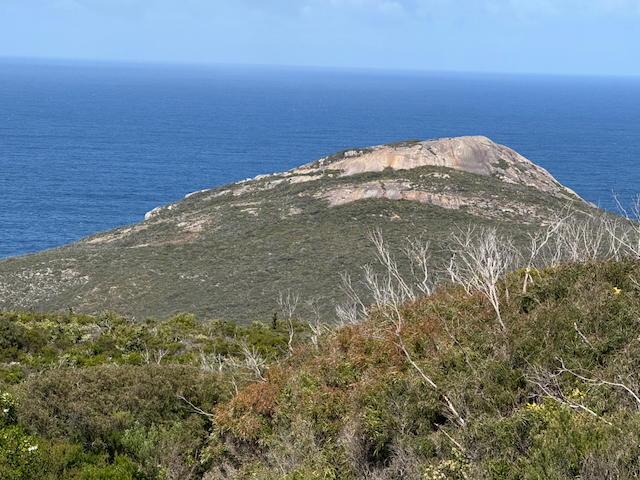
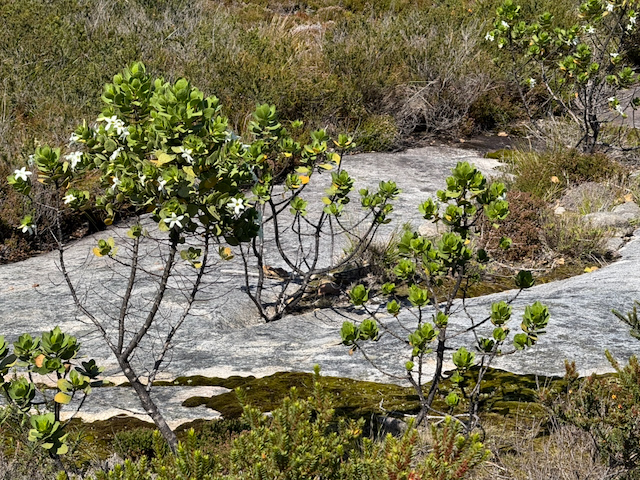
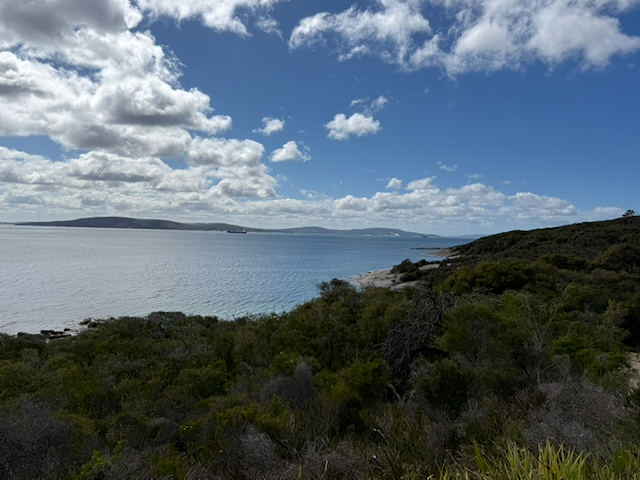
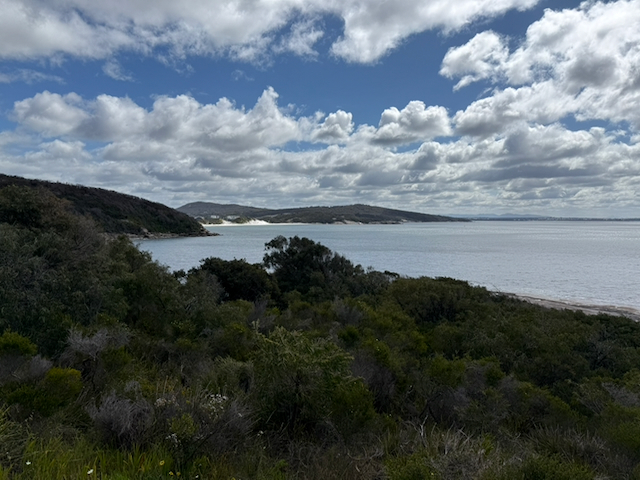
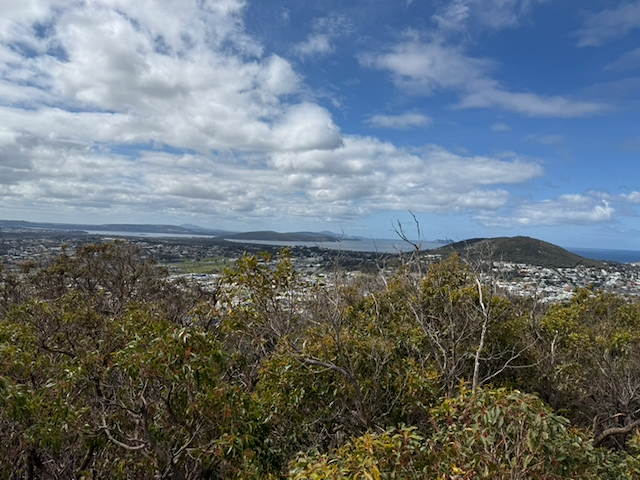
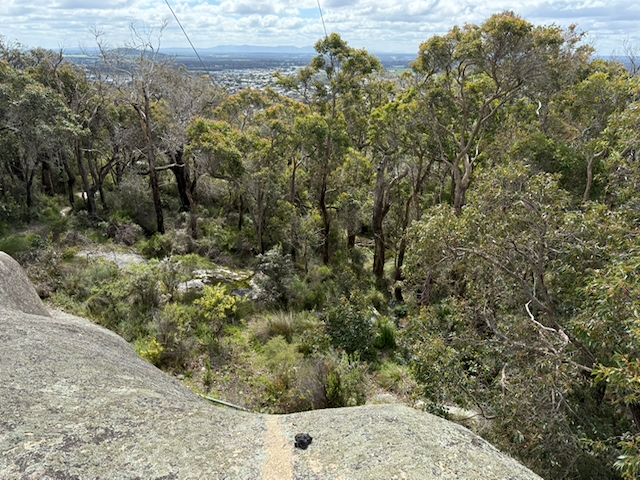
Despite the leg, I could still drive as long as I didn’t try to get out of the car. We drove to Frenchman Bay beach, Peak Head, the Vancouver Peninsula, and back to the Mount Melville lookout from which, this time, the views were perfect.
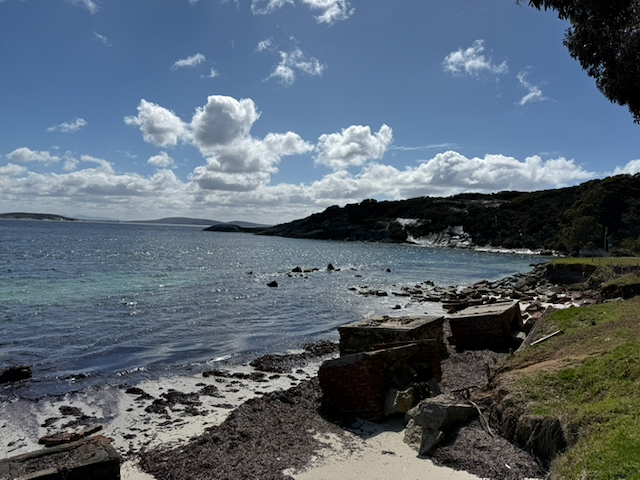
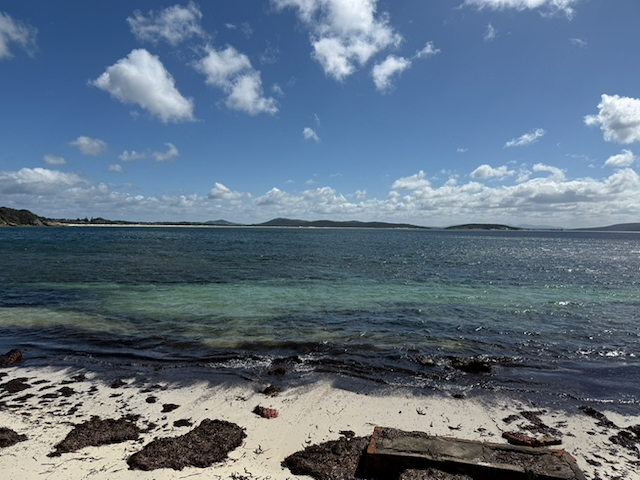
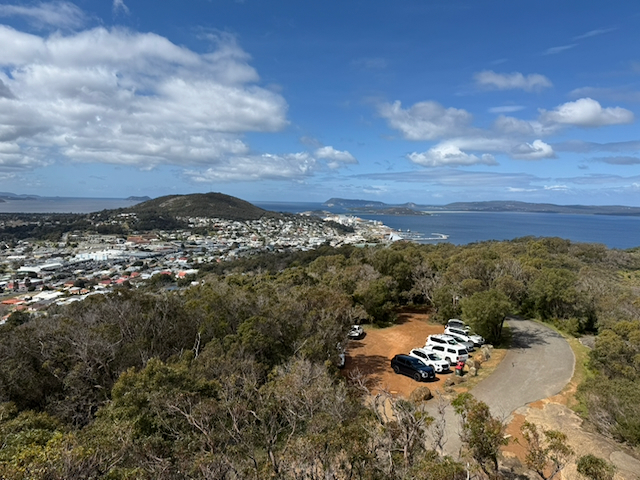
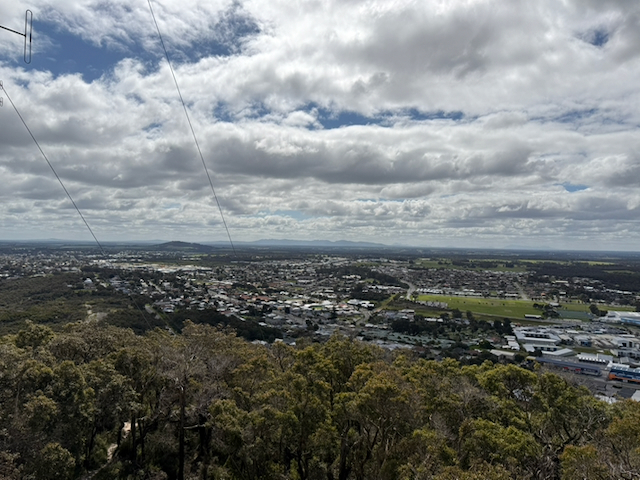
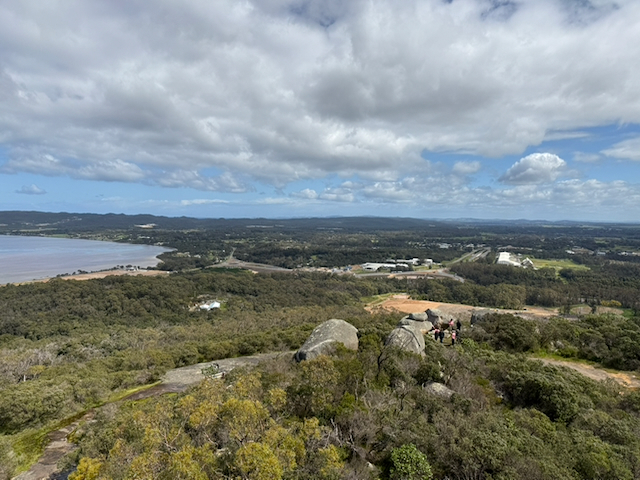
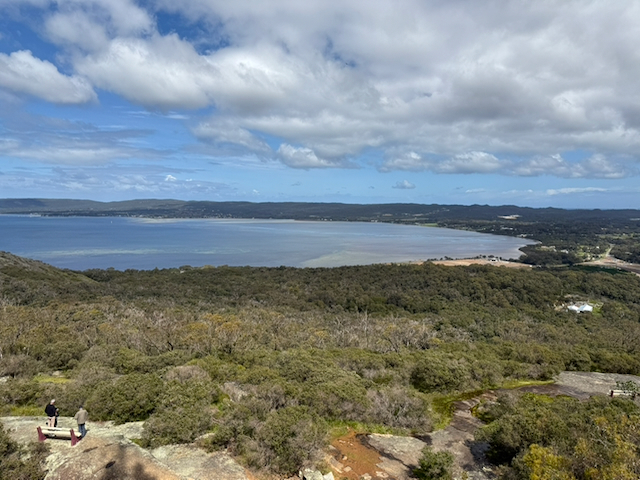
I gave up on sightseeing after that, but Doug wanted to see the Amity Brig, he did that and visited the Albany museum as well while I stayed in the apartment.