Rottnest Island (“Wadjemup” to Indigenous people) is both one of the most beautiful places on earth with stunning scenery and amazing biodiversity, and a former prison with some incredibly grim history, used by colonisers to lock up Indigenous men for being black without permission from a white man.
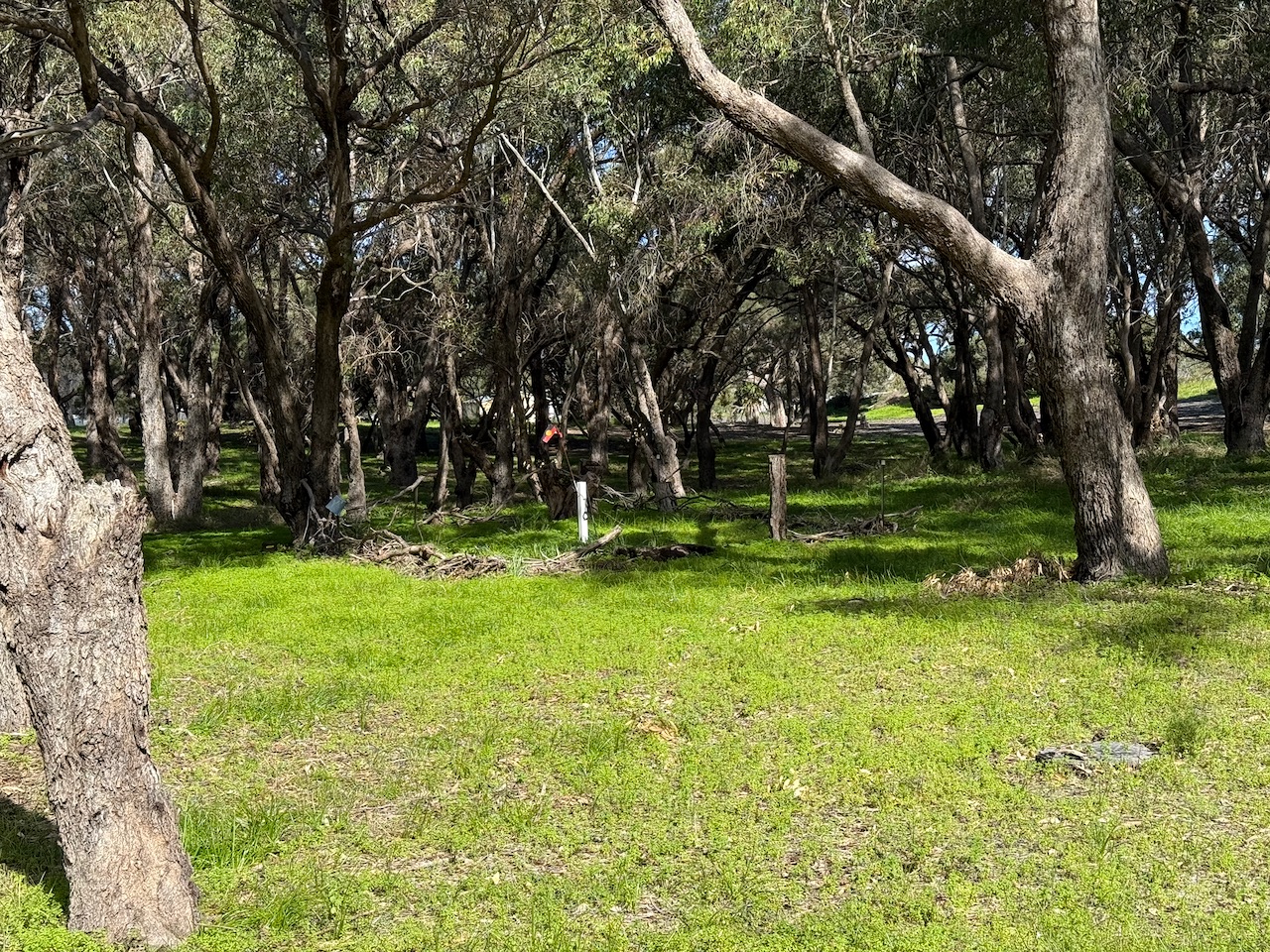
A large section at the far end of the Settlement is a burial ground with the unmarked graves of at least 373 men, a minimum of ten percent of the imprisoned population at the time. The island’s history of the prison is hard to ignore since the prison and colonial administrative building still stand, and in one case, is being renovated to become a museum. Walking around the peaceful burial ground, it’s hard not to be moved by it. Still, most visitors are there for the quokkas and the scenery, and probably don’t care about the rest of it.
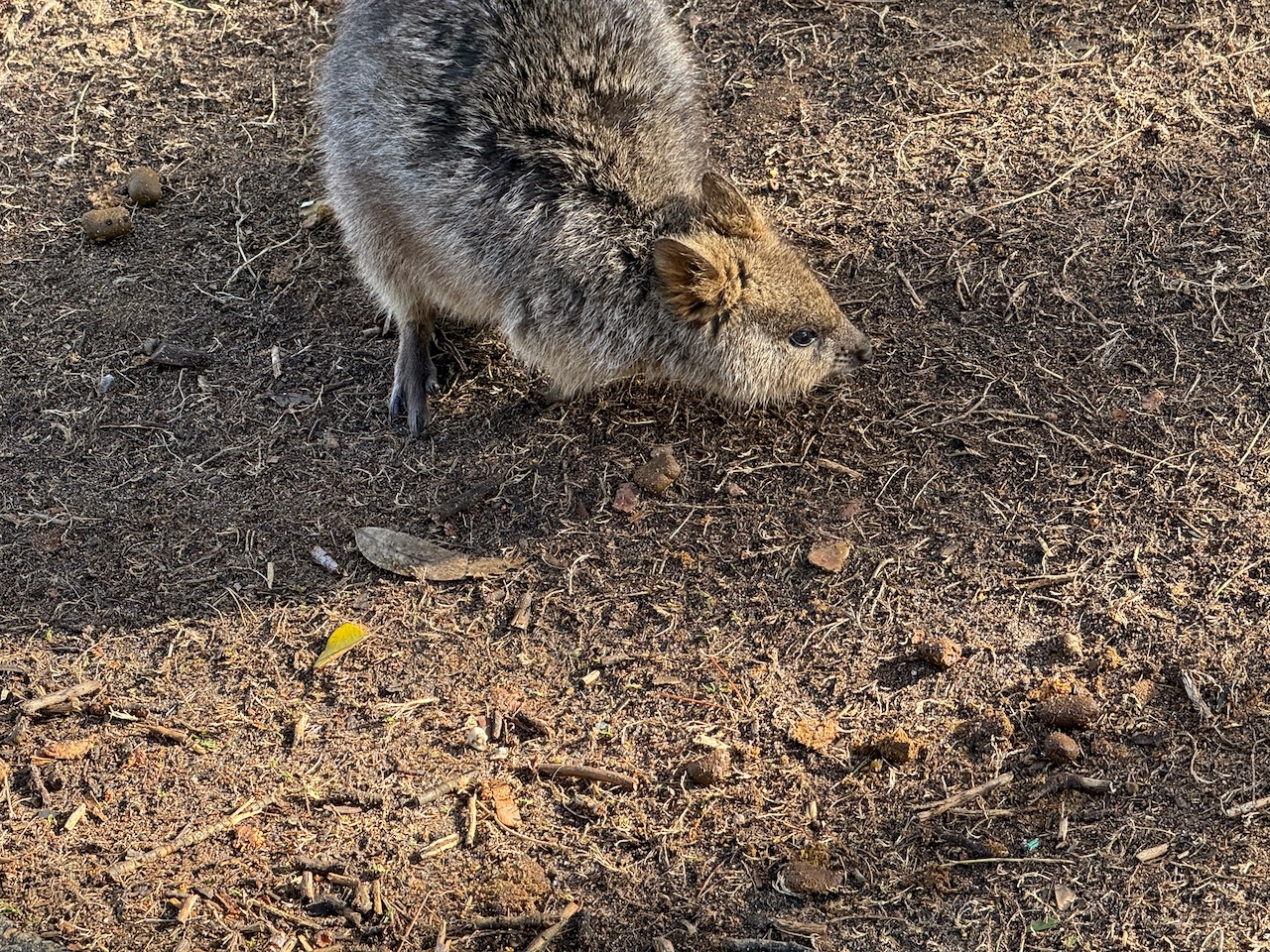
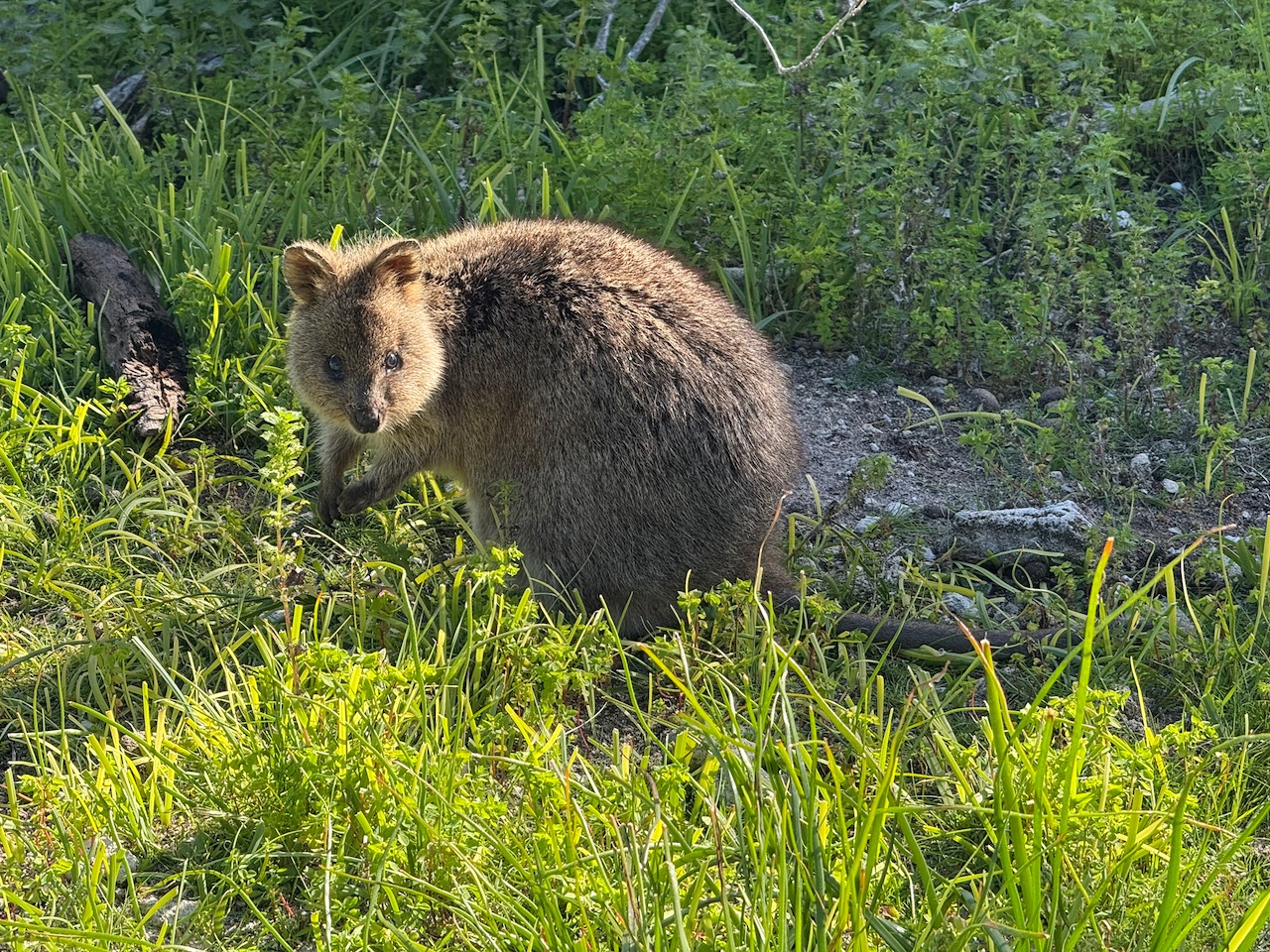
They also don’t care about the welfare of the quokkas who hang around the settlement looking for food. I used zoom for ‘closeups’ and in the one case where a quokka came right up to us, I didn’t bend to pet it or interfere with it (very hard to resist because they are cuter than kittens.) I can assure you that none of the photos of quokkas here were taken by approaching or touching or feeding the animals, but that is not true for a lot of the photos you will see of the ‘smiling’ quokkas on the internet. The behaviour of island visitors made me want to kick them 🙁
The artworks and sculptures are part of the Wadjemup Museum, formerly the Old Mill and Hay Store. Small, neat, and well worth a visit. Very helpful volunteer was on duty, part of a team of such volunteers who run small tours at points around the island and provide information about the history and environment of the place. Another volunteer gave us a plant talk and walk at the West End which is what they call the furthermost western tip of the island.
Click on any image below to see a slideshow, then use the ⓘ symbol on the right for the description. Some of the location information might be inaccurate as we didn’t have WiFi for a lot of the ride around the island on the Island Explorer, so the data aren’t recorded with the photos.
Zoom shot of rainbow in stormy skies above the marina at Hillary’s Boat Harbour
Zoom shot of rainbow in stormy skies above the marina at Hillary’s Boat Harbour
Closeup of a quokka on bare ground at the Settlement
Closeup of a quokka on bare ground at the Settlement
A closeup of a quokka joey eating a piece of fruit from one of the trees in the Settlement, sitting next to a visitor’s foot
A closeup of a quokka joey eating a piece of fruit from one of the trees in the Settlement, sitting next to a visitor’s foot
A shady grove of native trees with straggly grass over stony ground covers the unmarked graves of nearly 400 Indigenous men and boys who died while imprisoned by British colonisers. In the middle of the photo is a home-made memorial surrounded by fallen tree branches. In the centre, a small Aboriginal flag on a pole is tied to a short white post.
A shady grove of native trees with straggly grass over stony ground covers the unmarked graves of nearly 400 Indigenous men and boys who died while imprisoned by British colonisers. In the middle of the photo is a home-made memorial surrounded by fallen tree branches. In the centre, a small Aboriginal flag on a pole is tied to a short white post.
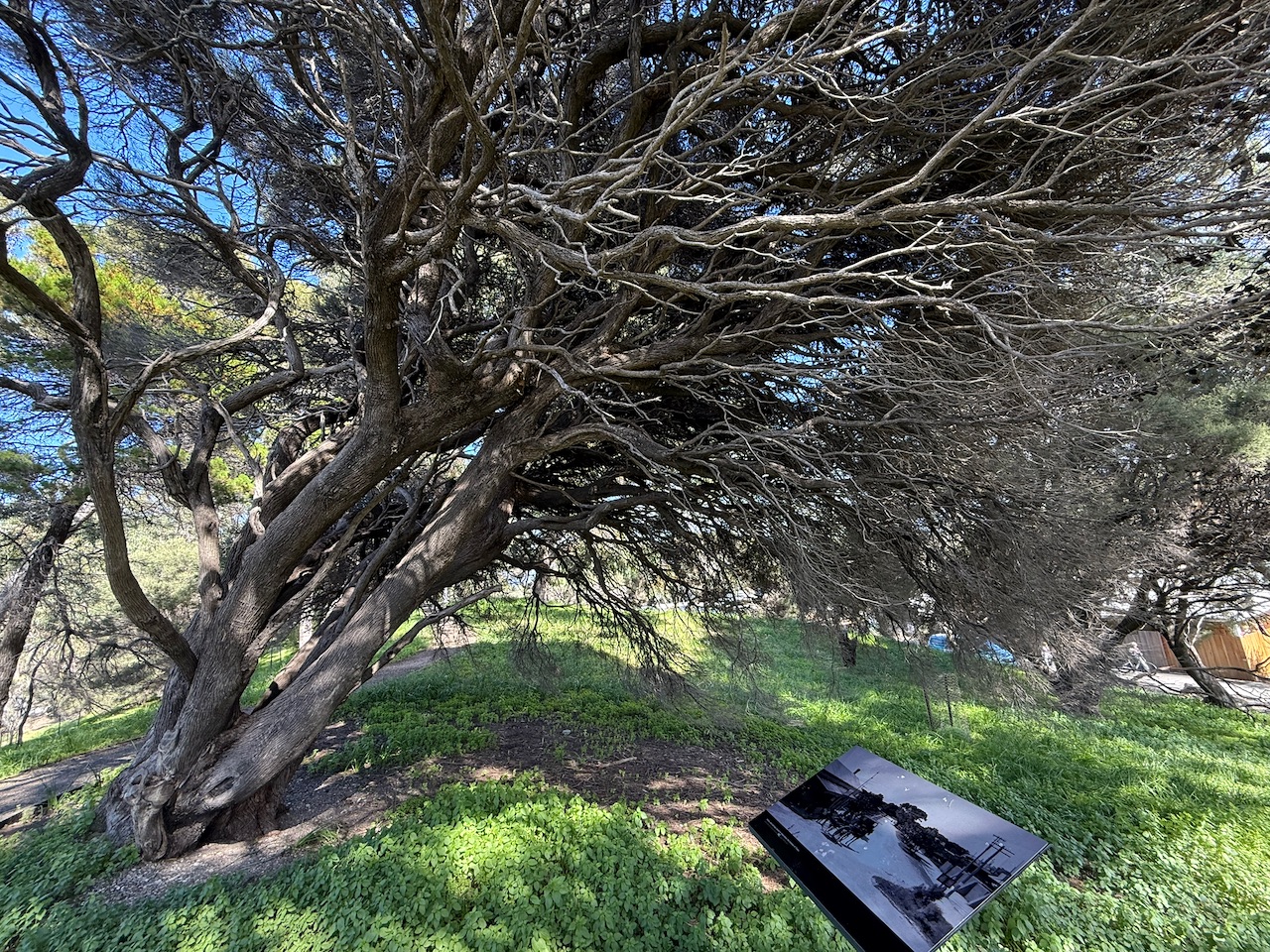
A bent tree at Signal Hill showing the prevailing wind direction from Thomson Bay. There is a historical photograph on an information sign next to the tree showing part of the Settlement in past times
A bent tree at Signal Hill showing the prevailing wind direction from Thomson Bay. There is a historical photograph on an information sign next to the tree showing part of the Settlement in past times
Artwork inside the museum, “Whadjuk Wadjemup” by Kevin Bynder (2015),in Indigenous dot style, showing a map of the lakes and burial ground on the island, and the places where the original Whadjuk people lived and travelled.
Artwork inside the museum, “Whadjuk Wadjemup” by Kevin Bynder (2015),in Indigenous dot style, showing a map of the lakes and burial ground on the island, and the places where the original Whadjuk people lived and travelled.
Adult quokka looking at the camera while amongst weeds on stony ground in an area away from the main visitor area in the Settlement
Adult quokka looking at the camera while amongst weeds on stony ground in an area away from the main visitor area in the Settlement
A closeup of a quokka joey examining a piece of litter sitting next to a visitor’s foot
A closeup of a quokka joey examining a piece of litter sitting next to a visitor’s foot
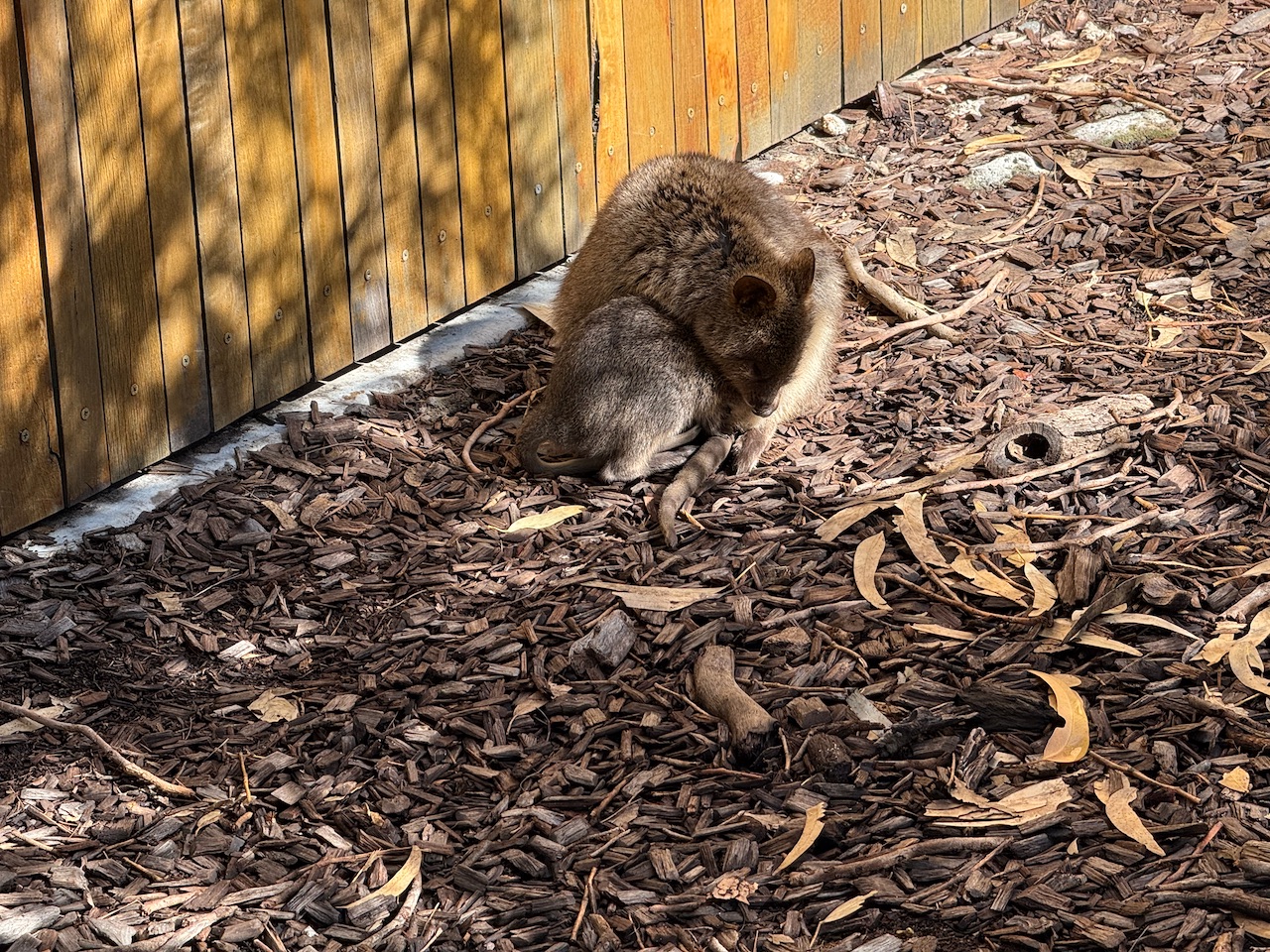
Quokka with feeding joey on bark mulch next to a wooden wall in the Settlement
Quokka with feeding joey on bark mulch next to a wooden wall in the Settlement
Quokka on dried grass next to a path in the Settlement
Quokka on dried grass next to a path in the Settlement
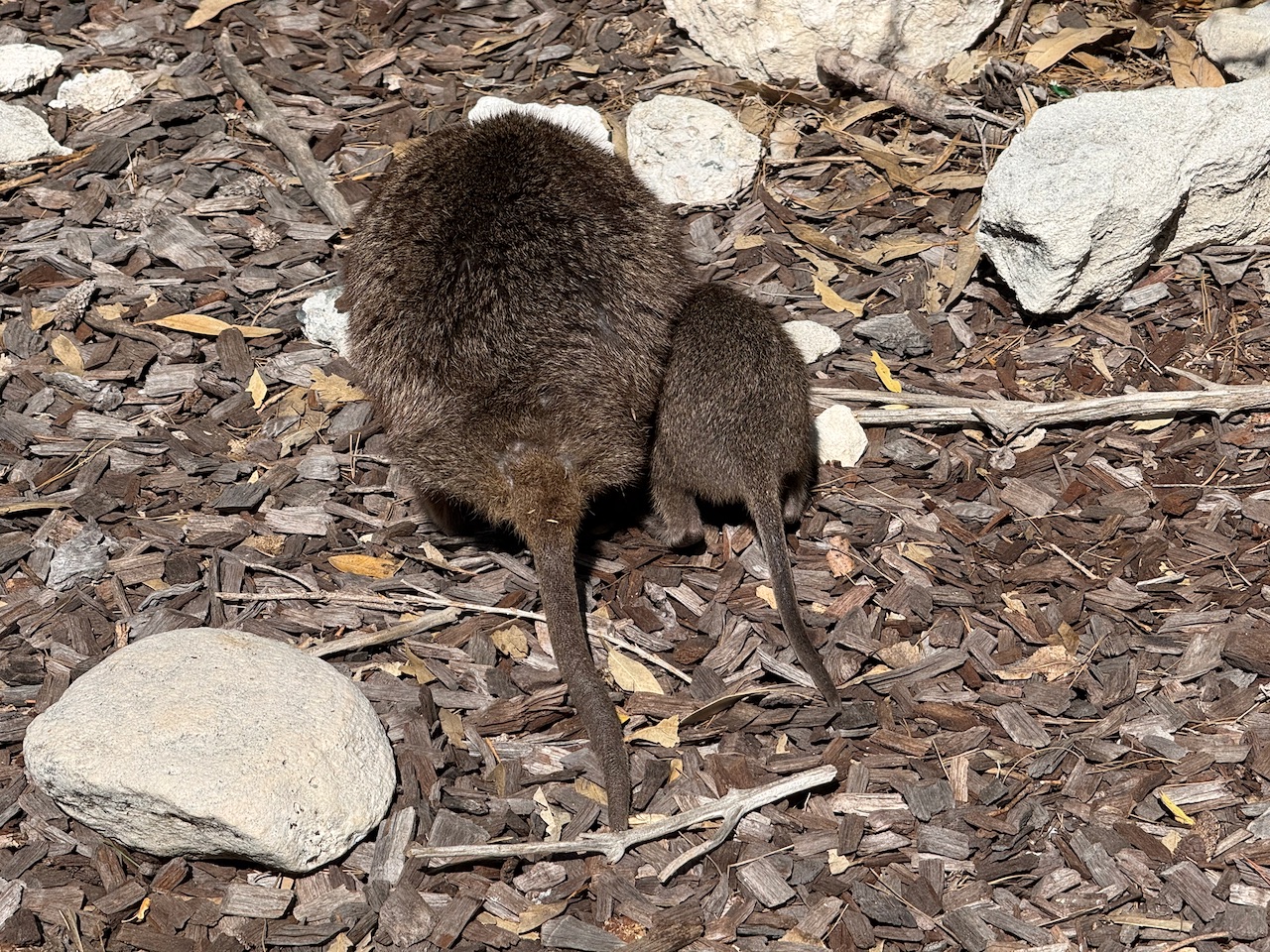
Quokka and joey with their backs to us, standing on bark mulch at the Settlement
Quokka and joey with their backs to us, standing on bark mulch at the Settlement
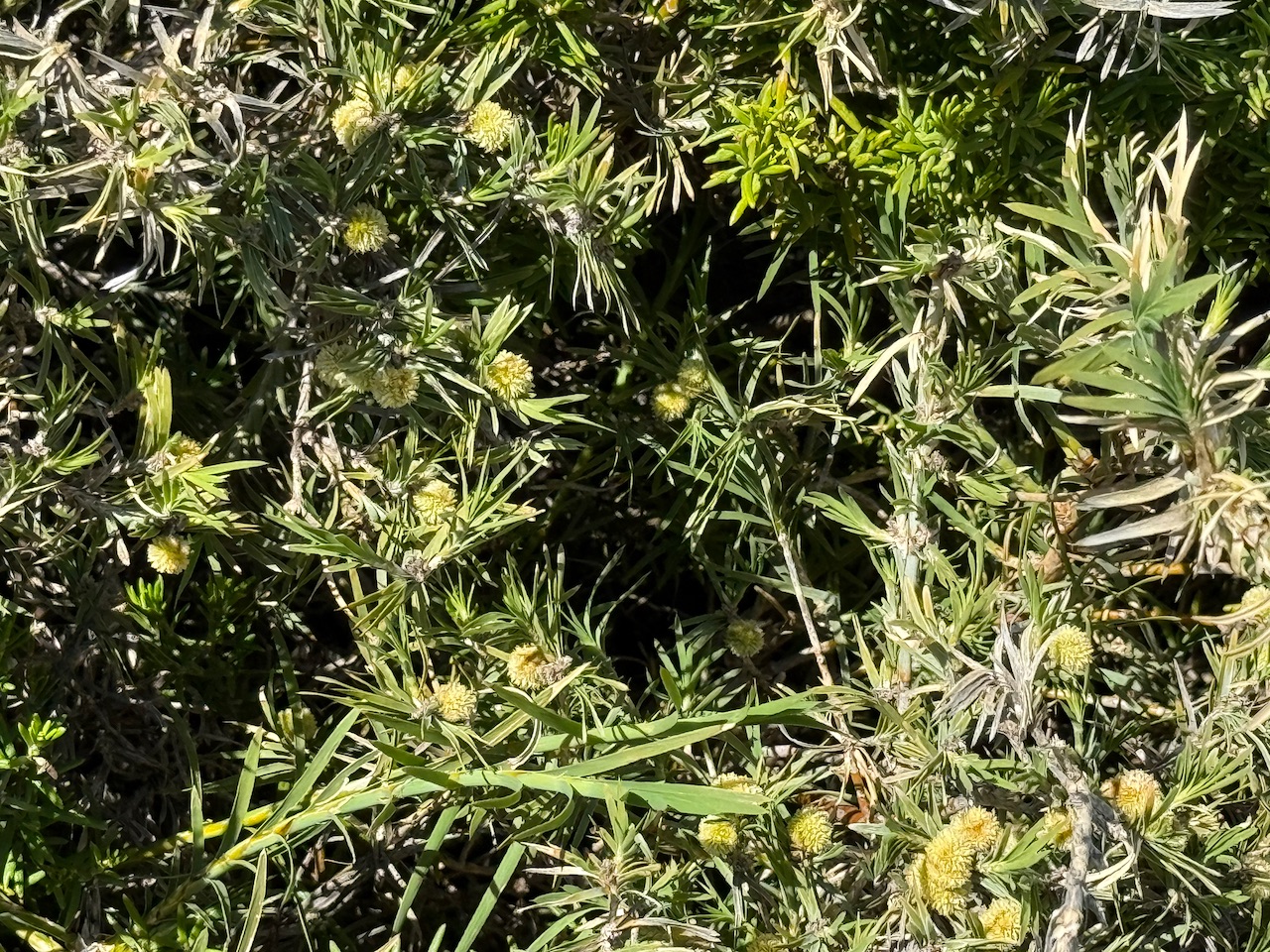
Small pale yellow ball-shaped blossoms and green foliage on the foreshore near Fish Hook Bay
Small pale yellow ball-shaped blossoms and green foliage on the foreshore near Fish Hook Bay
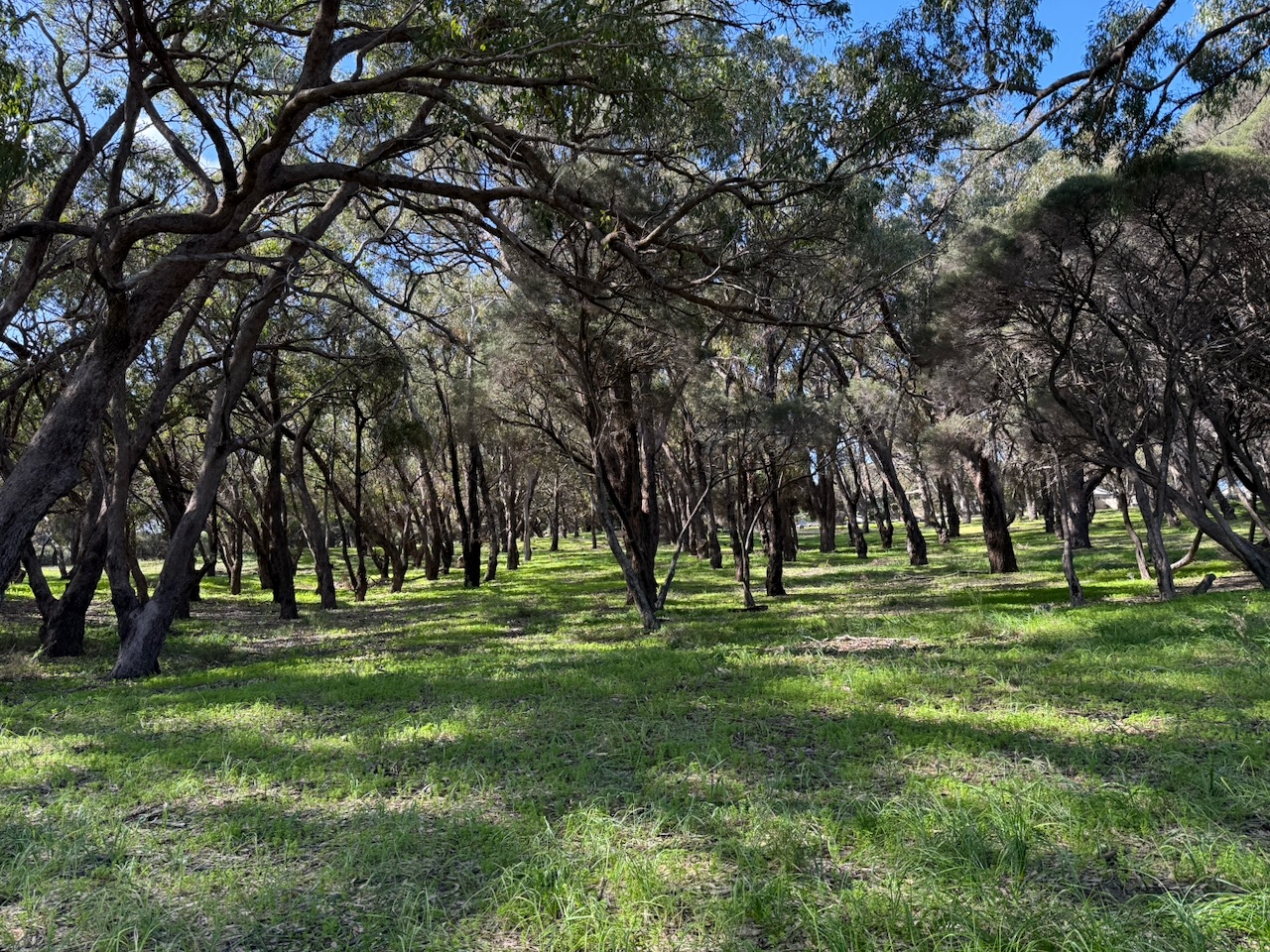
A large shady grove of native trees and straggly grass covers the unmarked graves of nearly 400 Indigenous men and boys who died while imprisoned by British colonisers.
A large shady grove of native trees and straggly grass covers the unmarked graves of nearly 400 Indigenous men and boys who died while imprisoned by British colonisers.
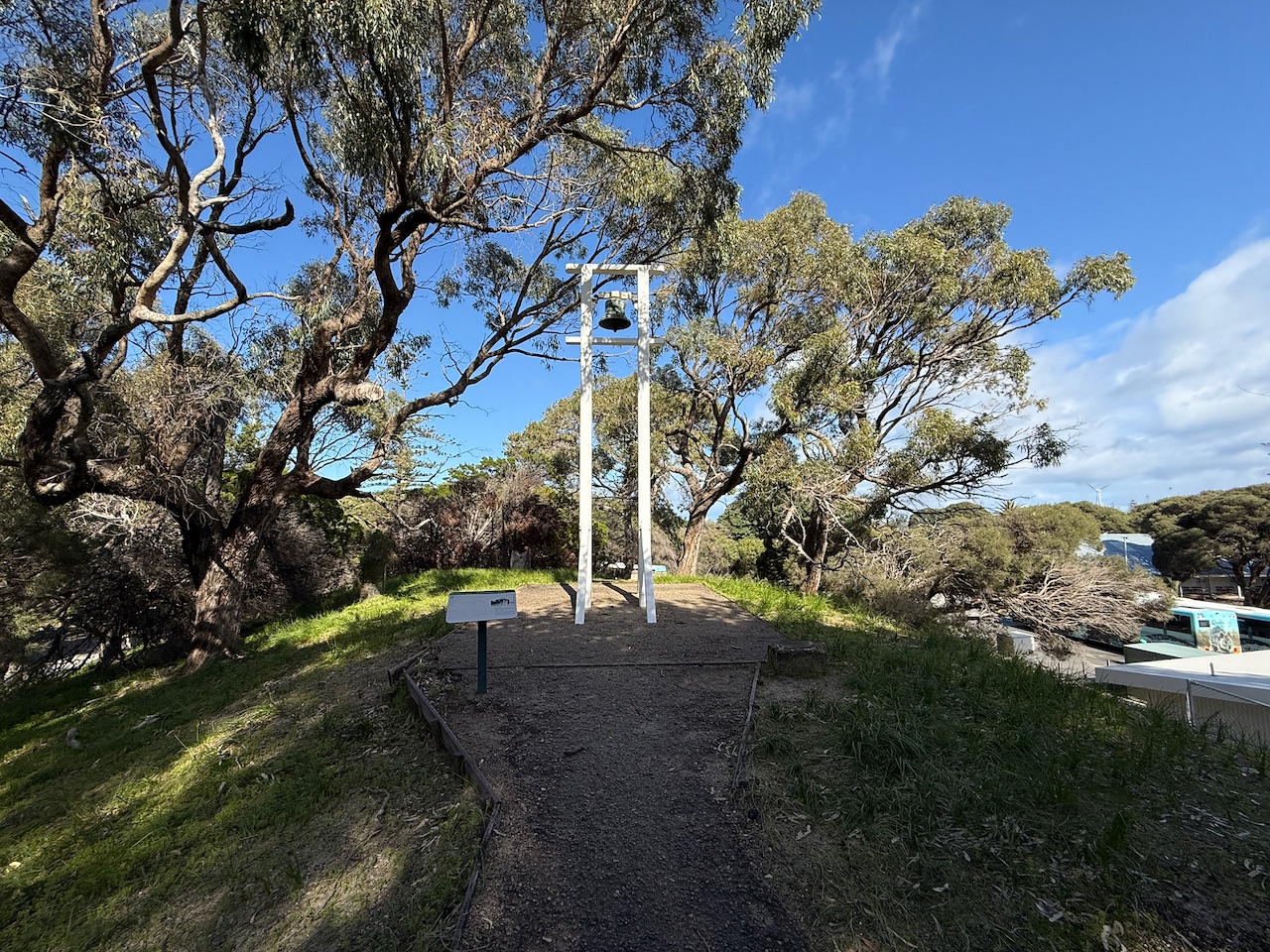
A bell suspended on tall wooden posts is a replacement for the original prison bell on Signal Hill. The bell regulated the daily routine of the island prison and rang in festivities and emergencies.
From an information board next to the bell:
“Communicating with the rest of the world whilst on Rottest seems easy. We have
telephones, two-way radios, frequent ferry services, and even the flying doctors are easily accessible in case of emergencies.
Prior to 1900, however, the only reliable form of communication with the mainland was to send messages by boat. The journey could take up to eight hours each way! To improve communications, early Rottnest Islanders used this hill to send signals… using either flags, fires, or a heliograph.”
A bell suspended on tall wooden posts is a replacement for the original prison bell on Signal Hill. The bell regulated the daily routine of the island prison and rang in festivities and emergencies.
From an information board next to the bell:
“Communicating with the rest of the world whilst on Rottest seems easy. We have
telephones, two-way radios, frequent ferry services, and even the flying doctors are easily accessible in case of emergencies.
Prior to 1900, however, the only reliable form of communication with the mainland was to send messages by boat. The journey could take up to eight hours each way! To improve communications, early Rottnest Islanders used this hill to send signals… using either flags, fires, or a heliograph.”
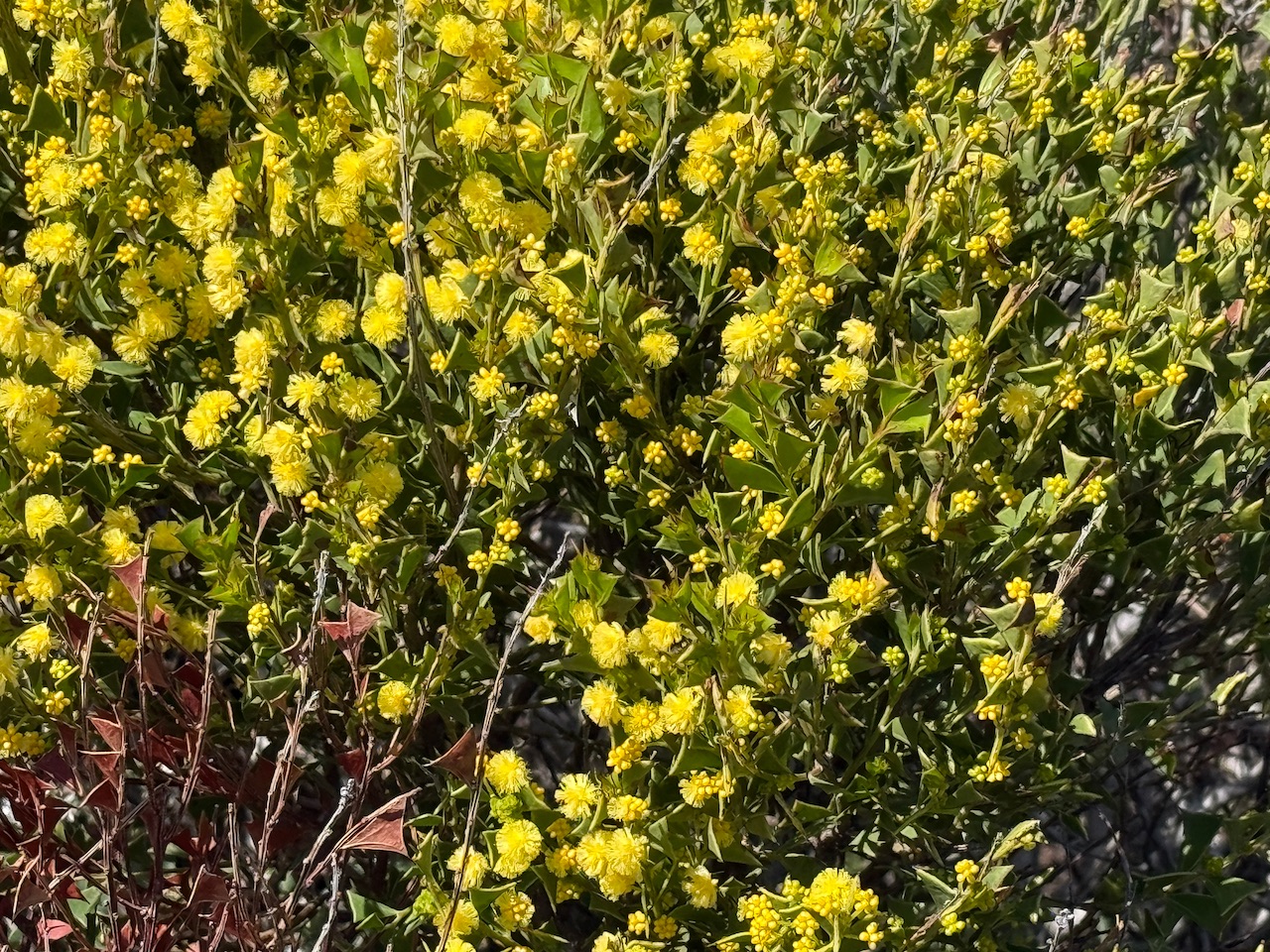
Bright yellow fluffy blossoms of a low-growing coastal wattle
Bright yellow fluffy blossoms of a low-growing coastal wattle
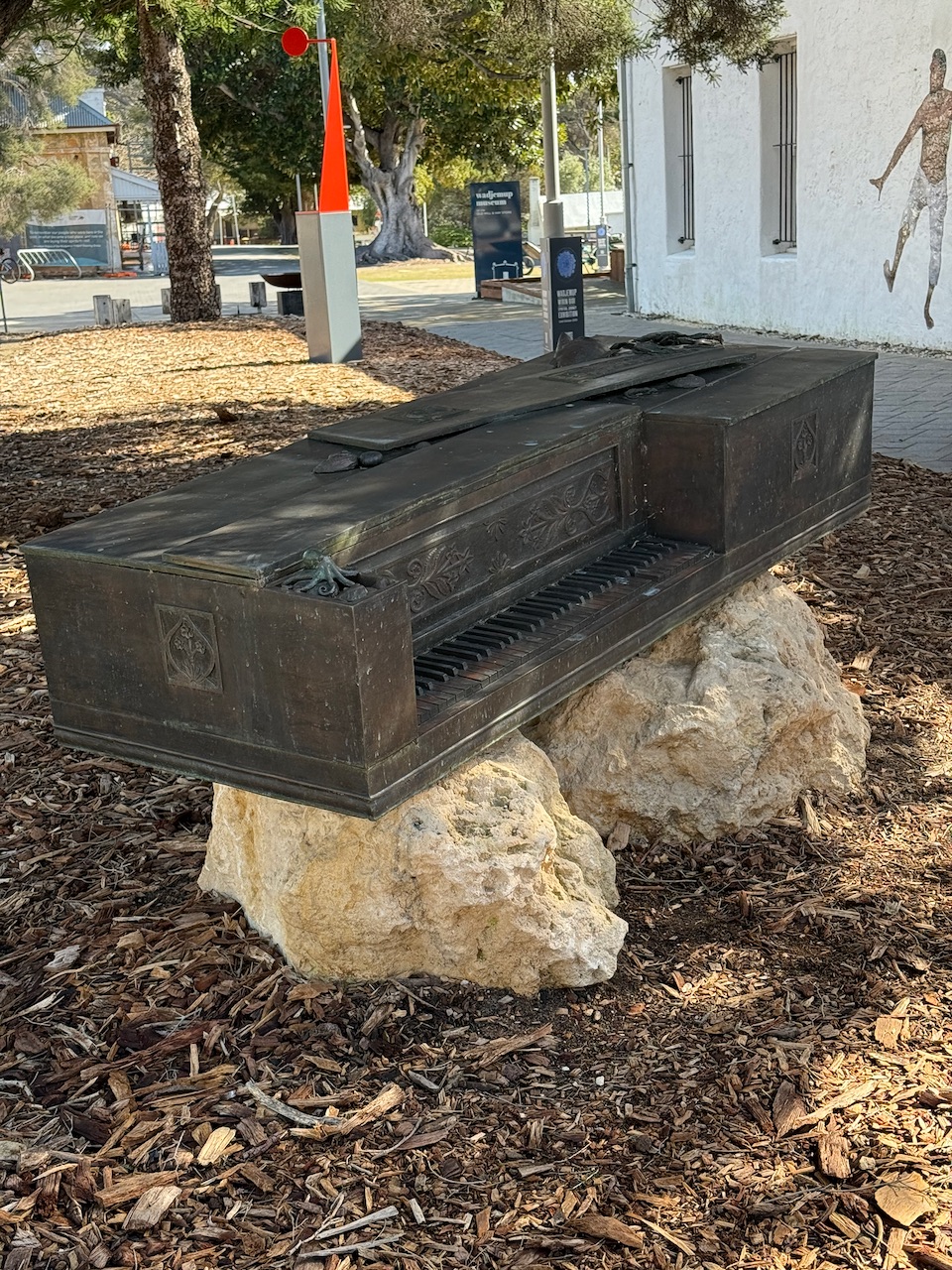
Bronze piano sculpture outside the museum
Bronze piano sculpture outside the museum
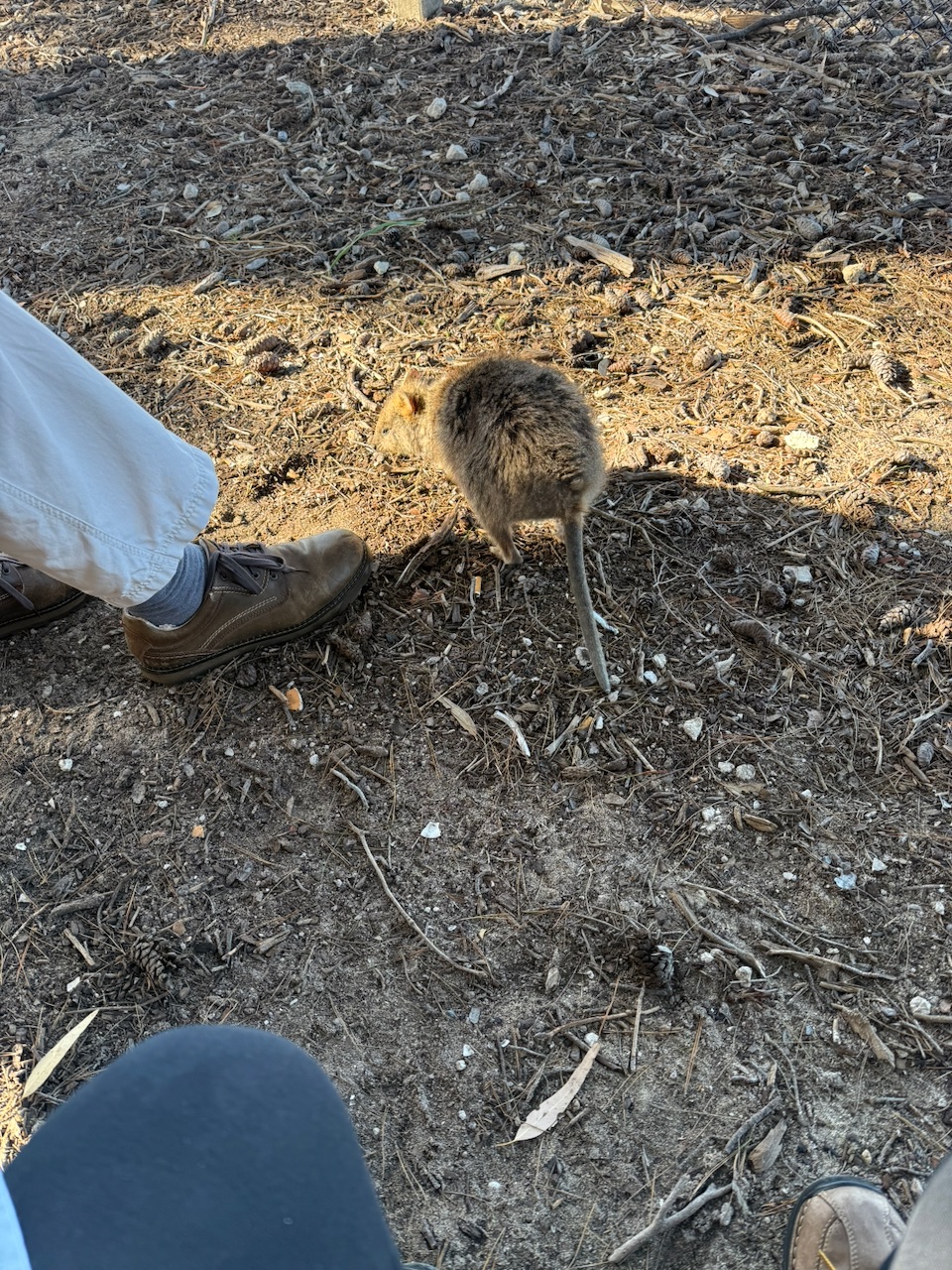
Quokka at Doug’s foot
Quokka at Doug’s foot
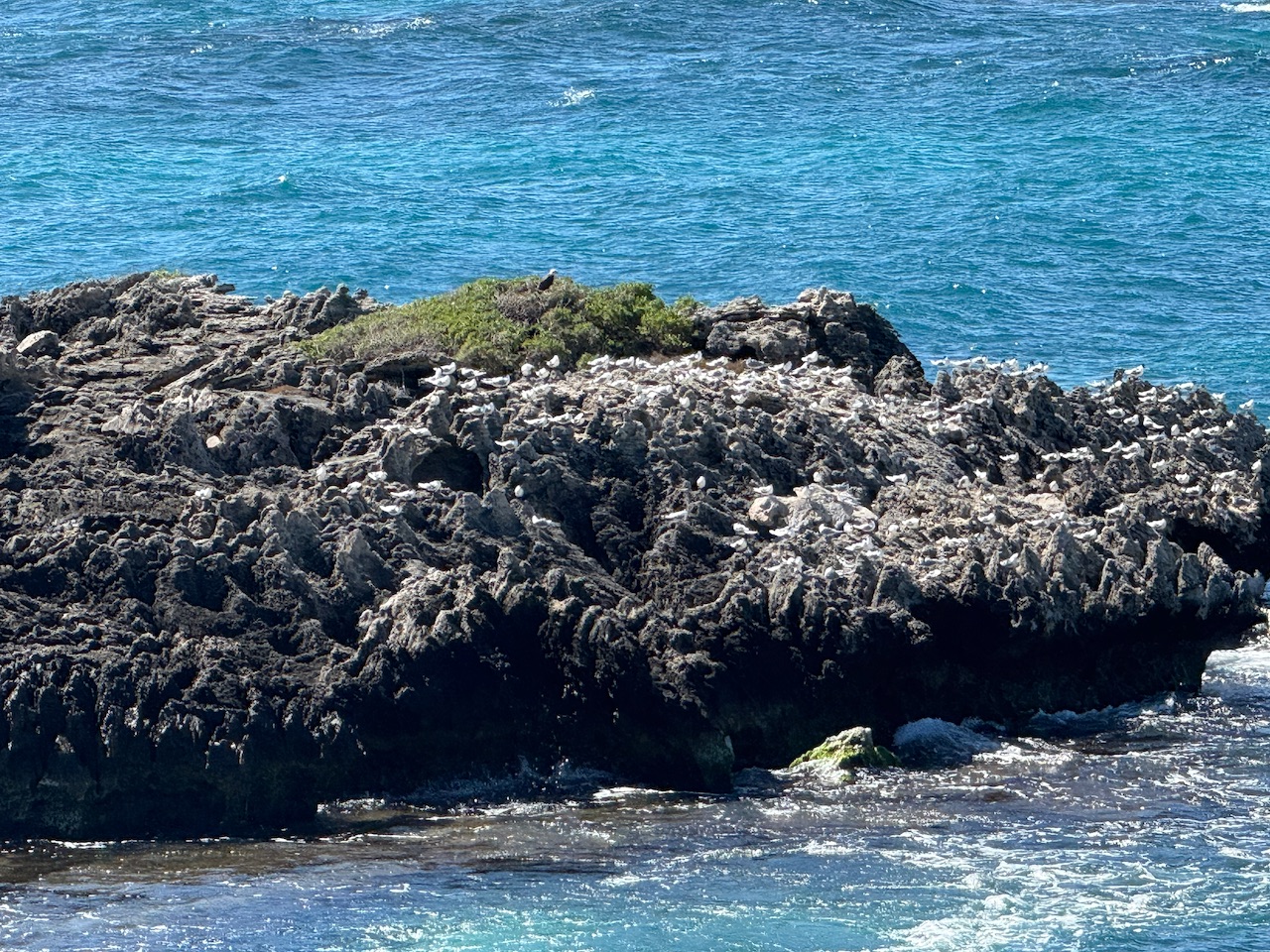
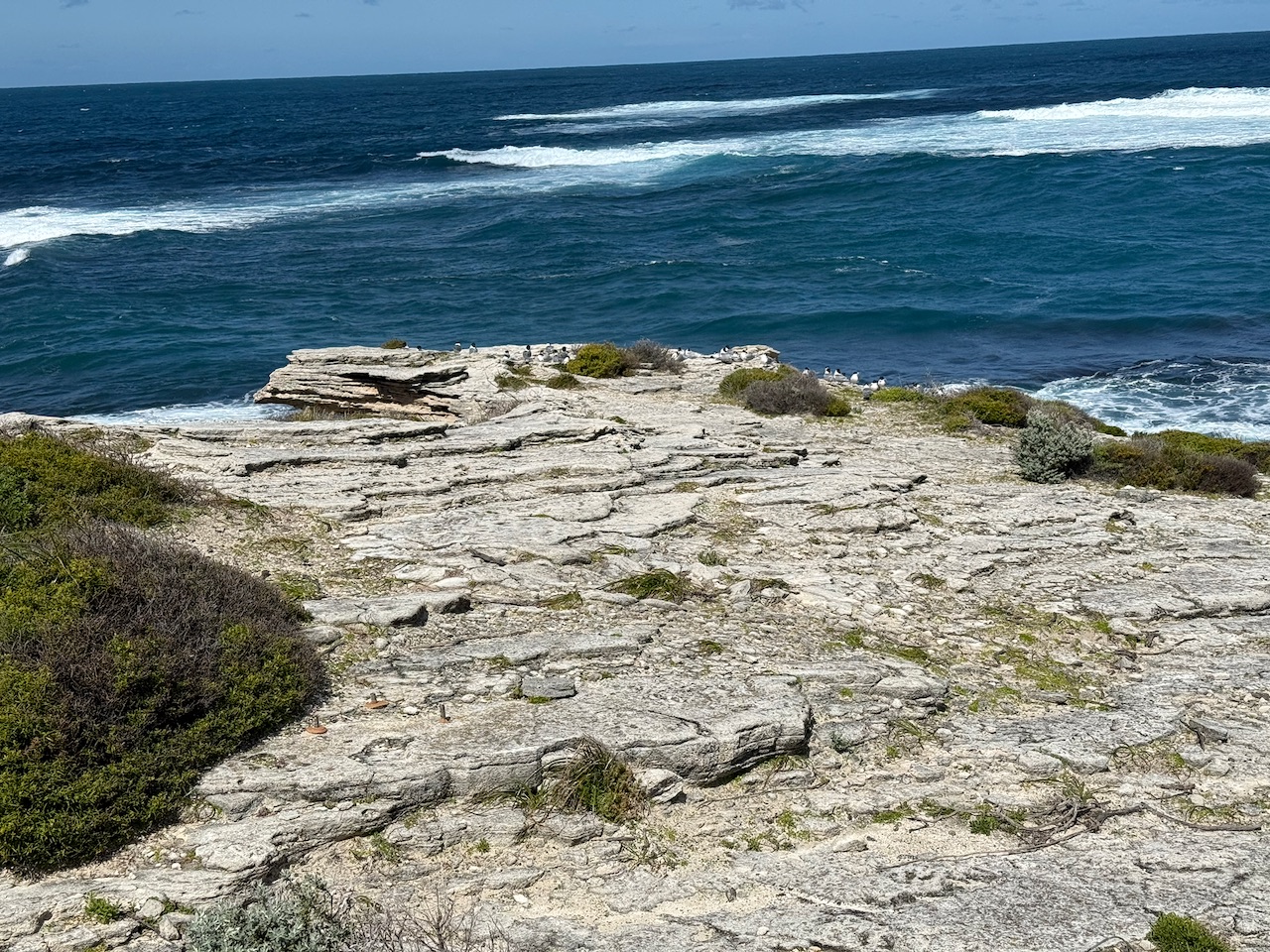
Silver gulls resting on an eroded limestone outcrop. An osprey has built a nest in the middle of the vegetation on the outcrop
Silver gulls resting on an eroded limestone outcrop. An osprey has built a nest in the middle of the vegetation on the outcrop
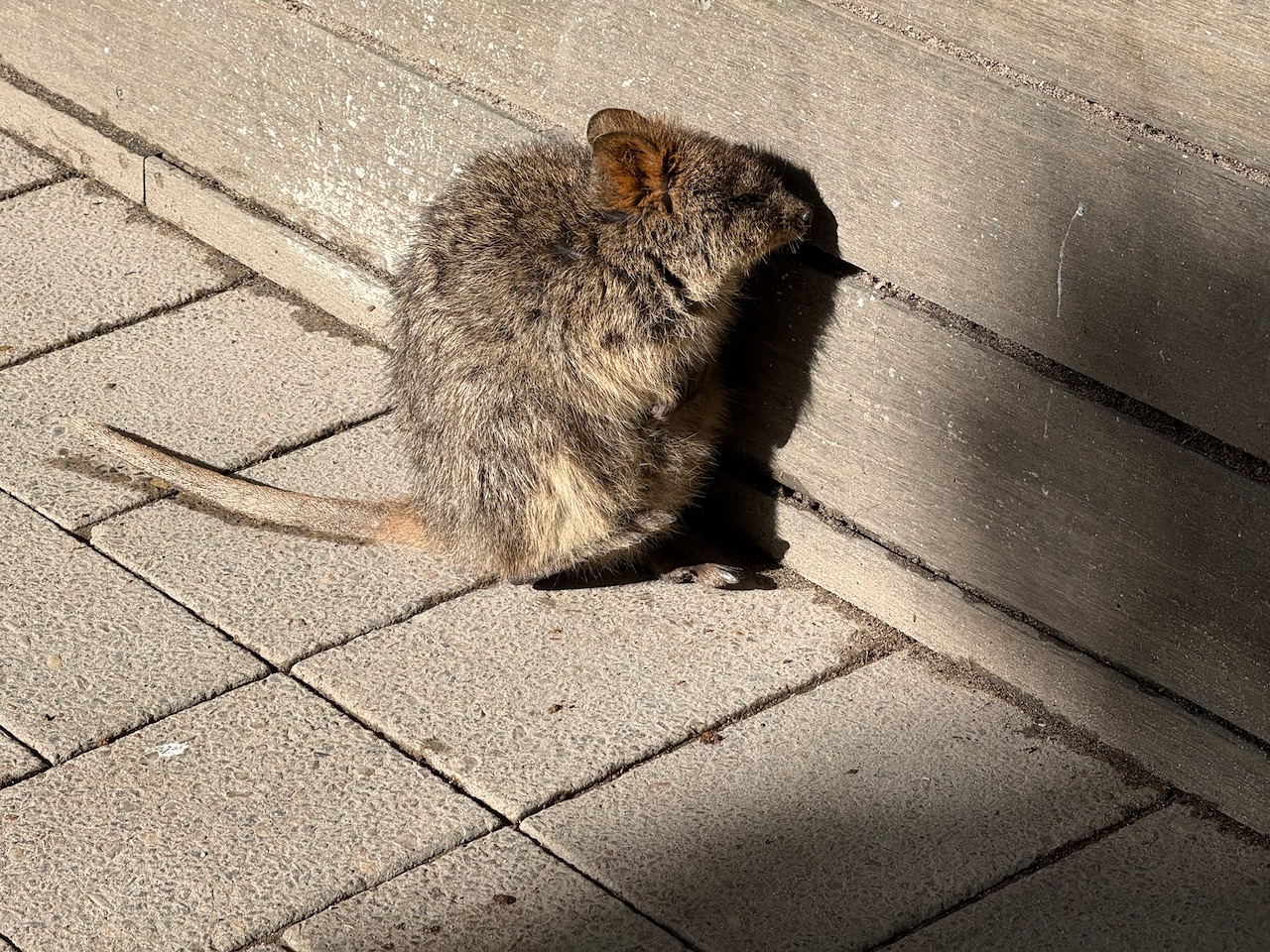
Quokka sits in a patch of sun next to a wooden wall at the Settlement, its head turned into the wall as if a bit sick of all the annoying tourist attention.
Quokka sits in a patch of sun next to a wooden wall at the Settlement, its head turned into the wall as if a bit sick of all the annoying tourist attention.
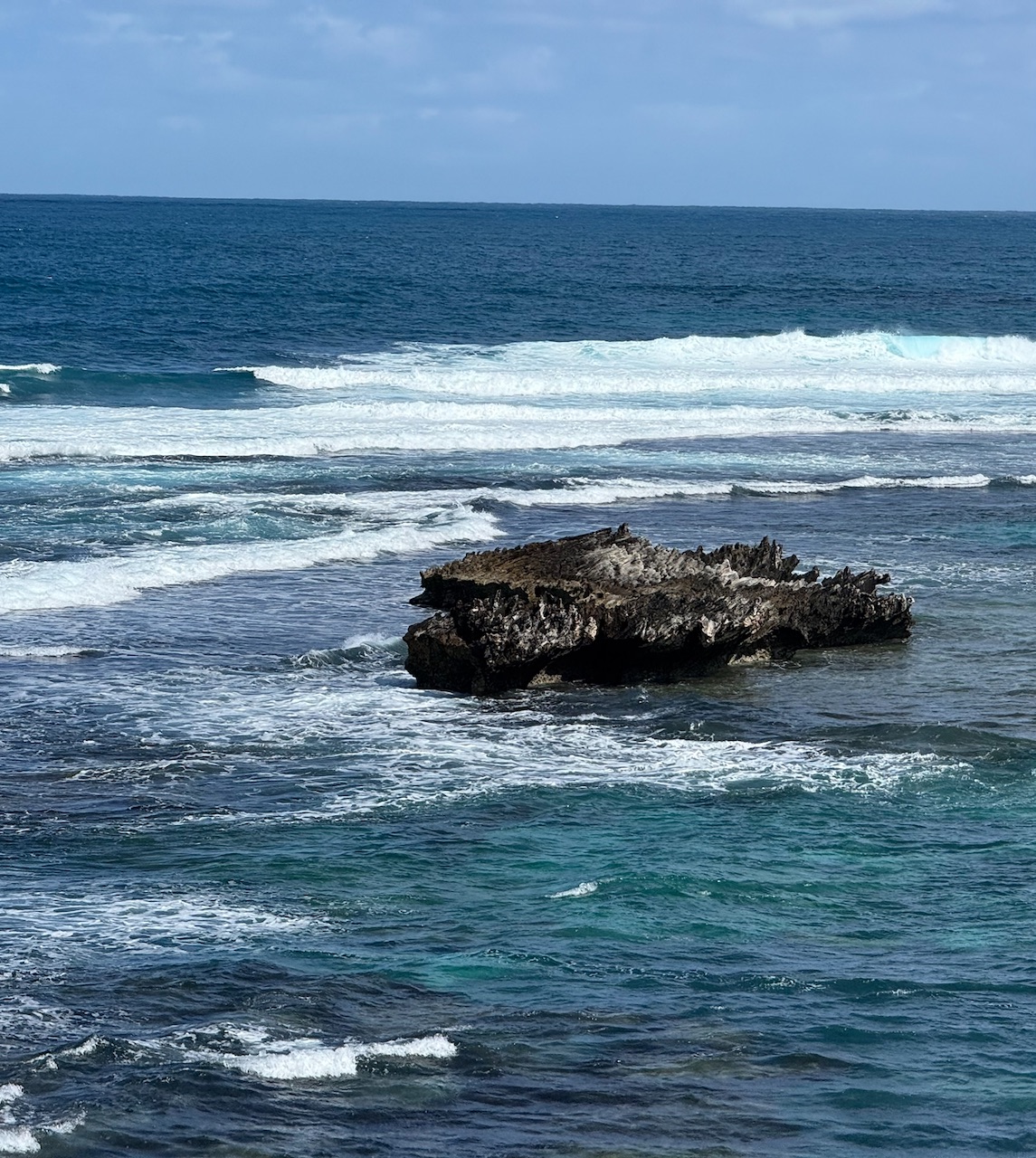
Eroded limestone on the shore at Cape Vlamingh
Eroded limestone on the shore at Cape Vlamingh
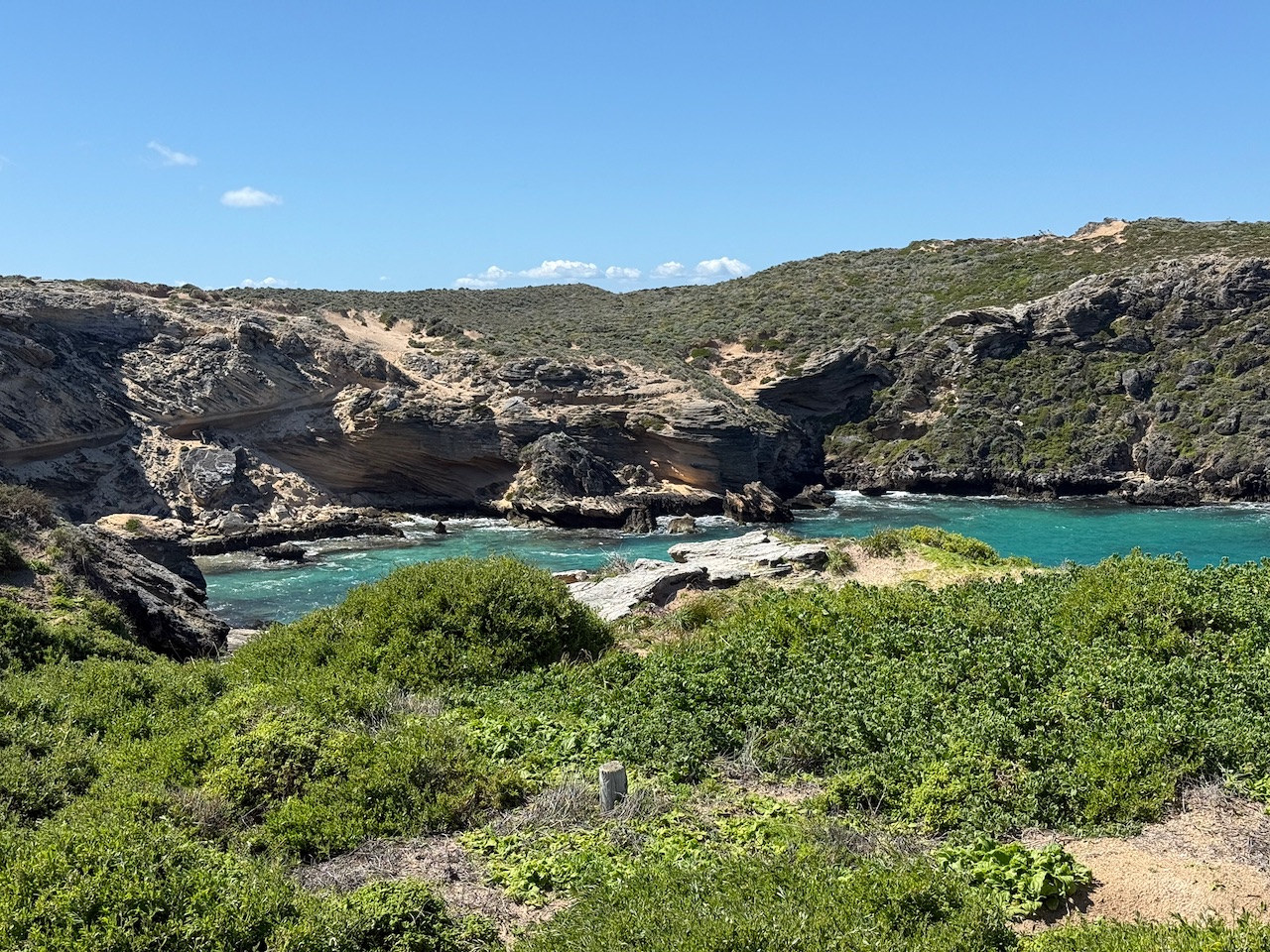
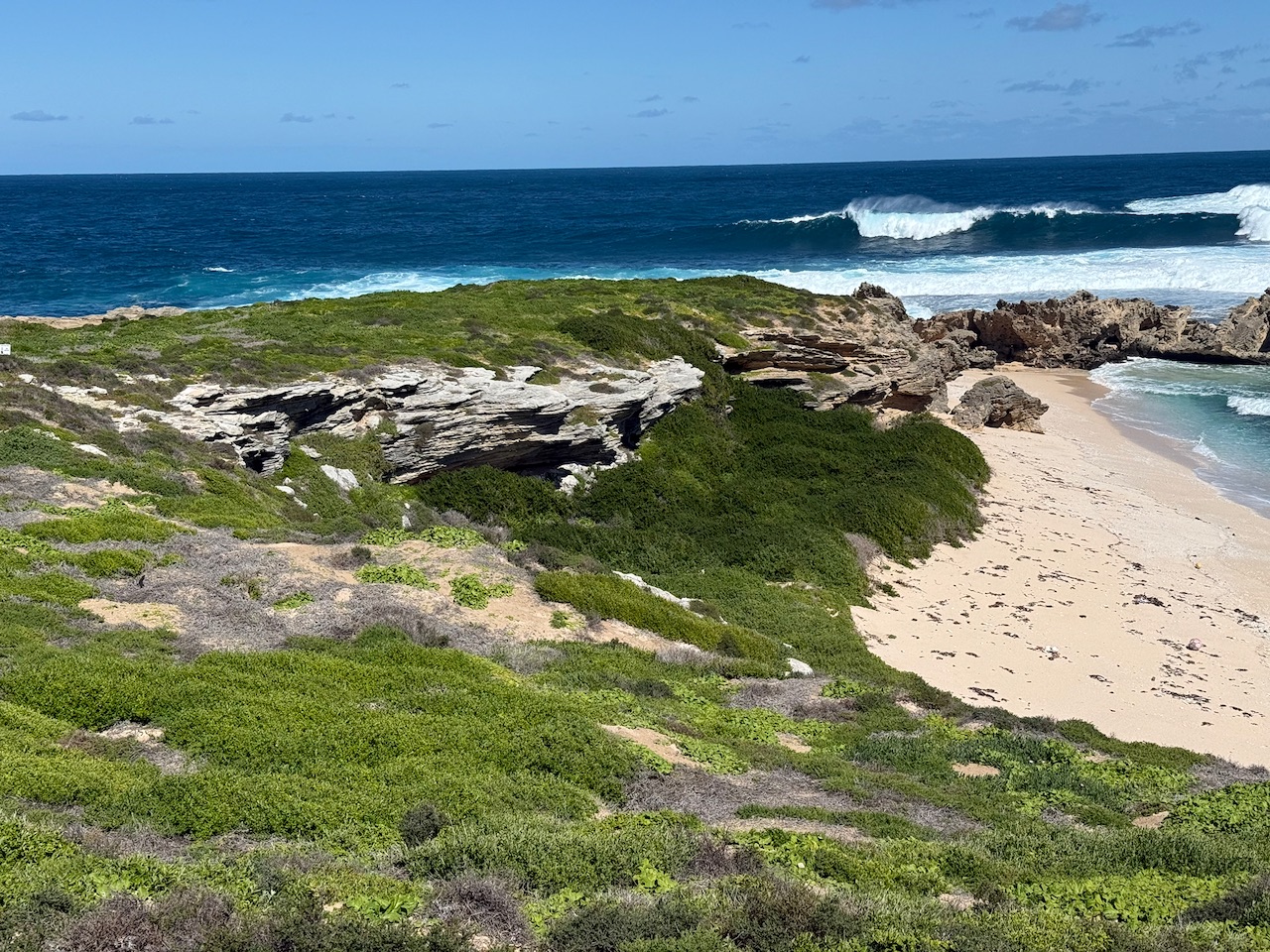
Bay surrounded by vegetation covered and sandy eroded limestone cliffs
Bay surrounded by vegetation covered and sandy eroded limestone cliffs
Layers of pale limestone next to the ocean
Layers of pale limestone next to the ocean
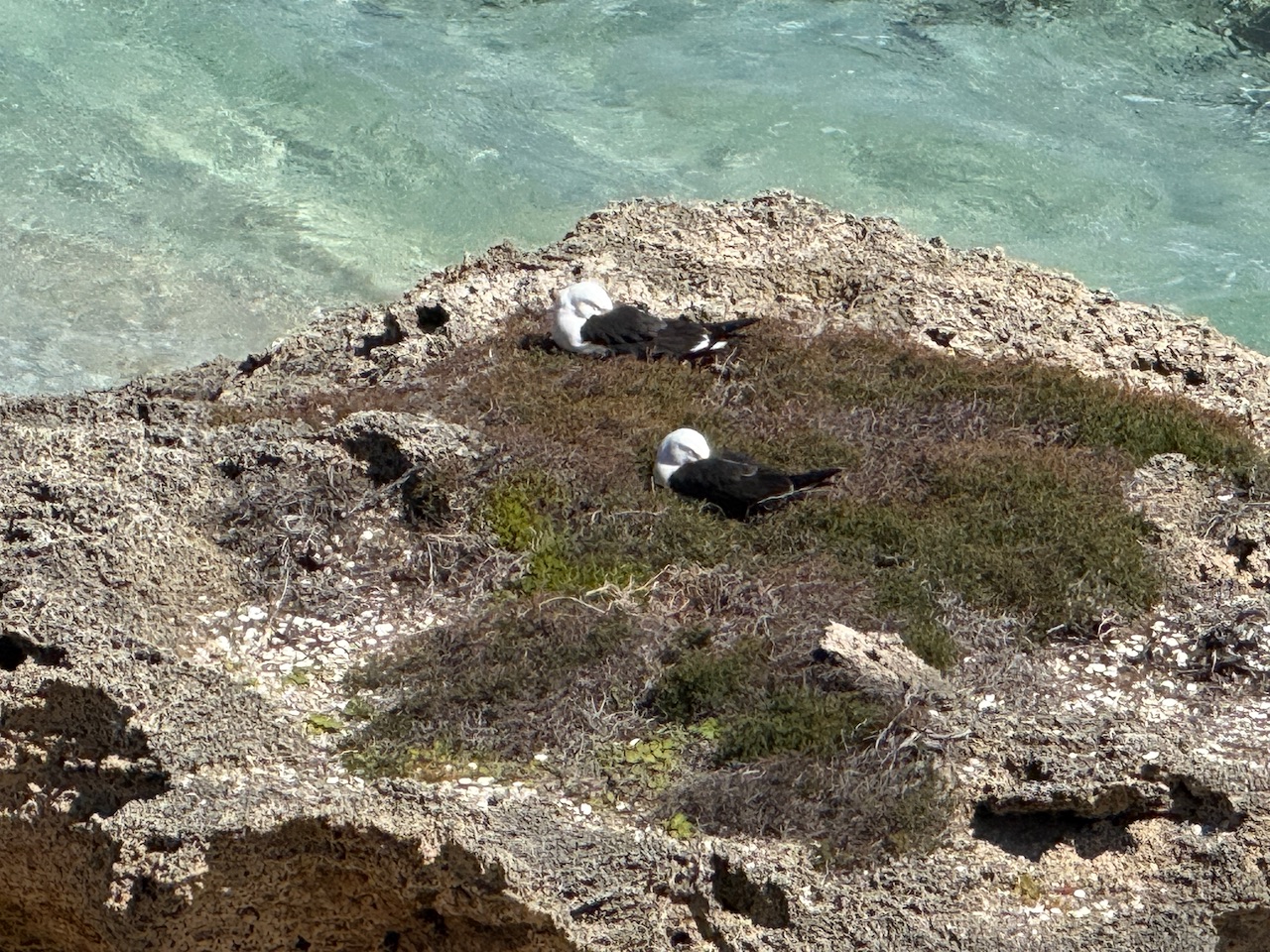
Two Pacific gull sleeping in vegetation on an eroded limestone rock
Two Pacific gull sleeping in vegetation on an eroded limestone rock
Vegetation covered limestone and sandy beach next to a blue ocean
Vegetation covered limestone and sandy beach next to a blue ocean
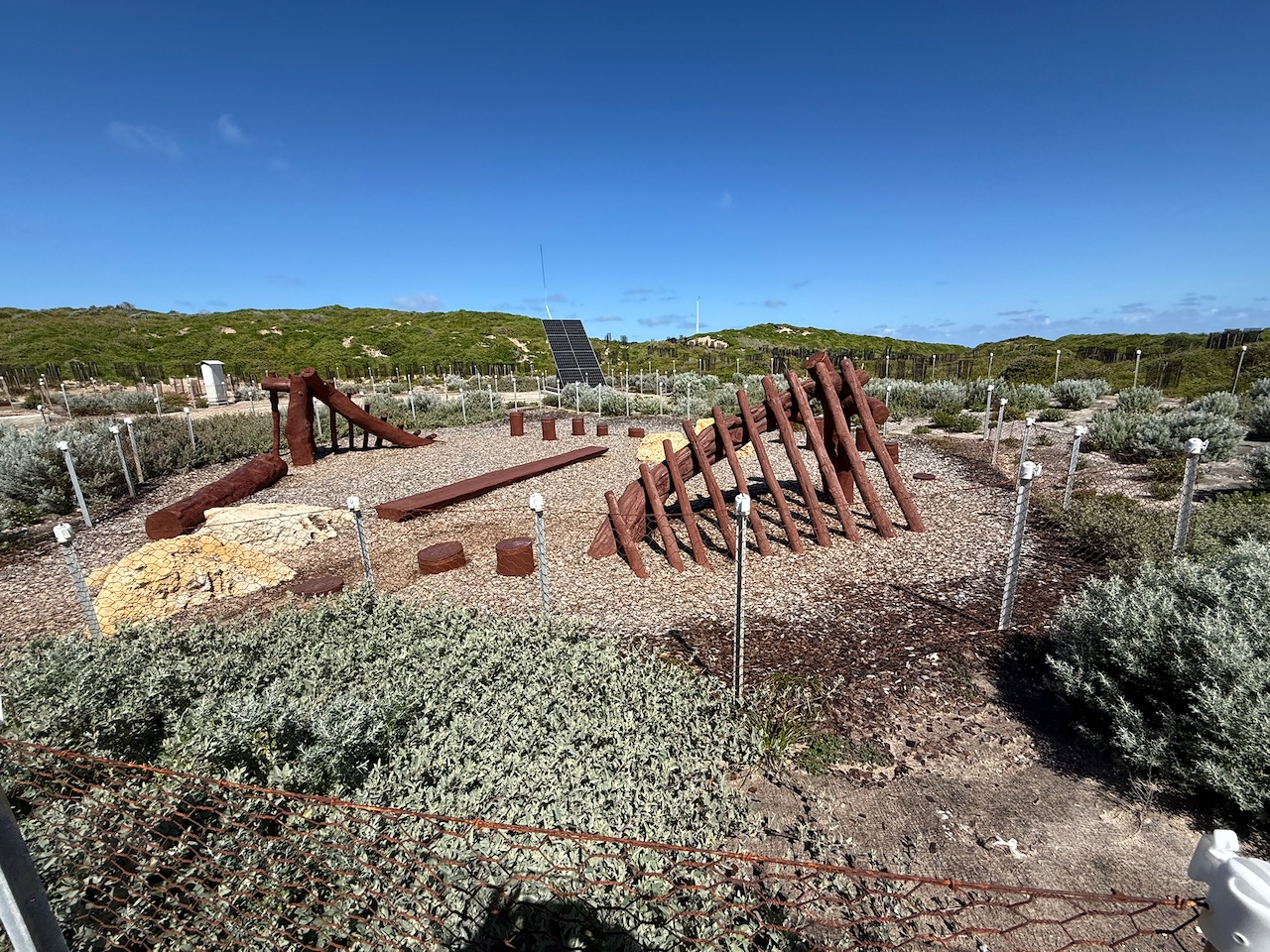
Timber ribs rise from the ground as if from a ship wreck in this art work at the West End bus stop and visitor parking area
Timber ribs rise from the ground as if from a ship wreck in this art work at the West End bus stop and visitor parking area
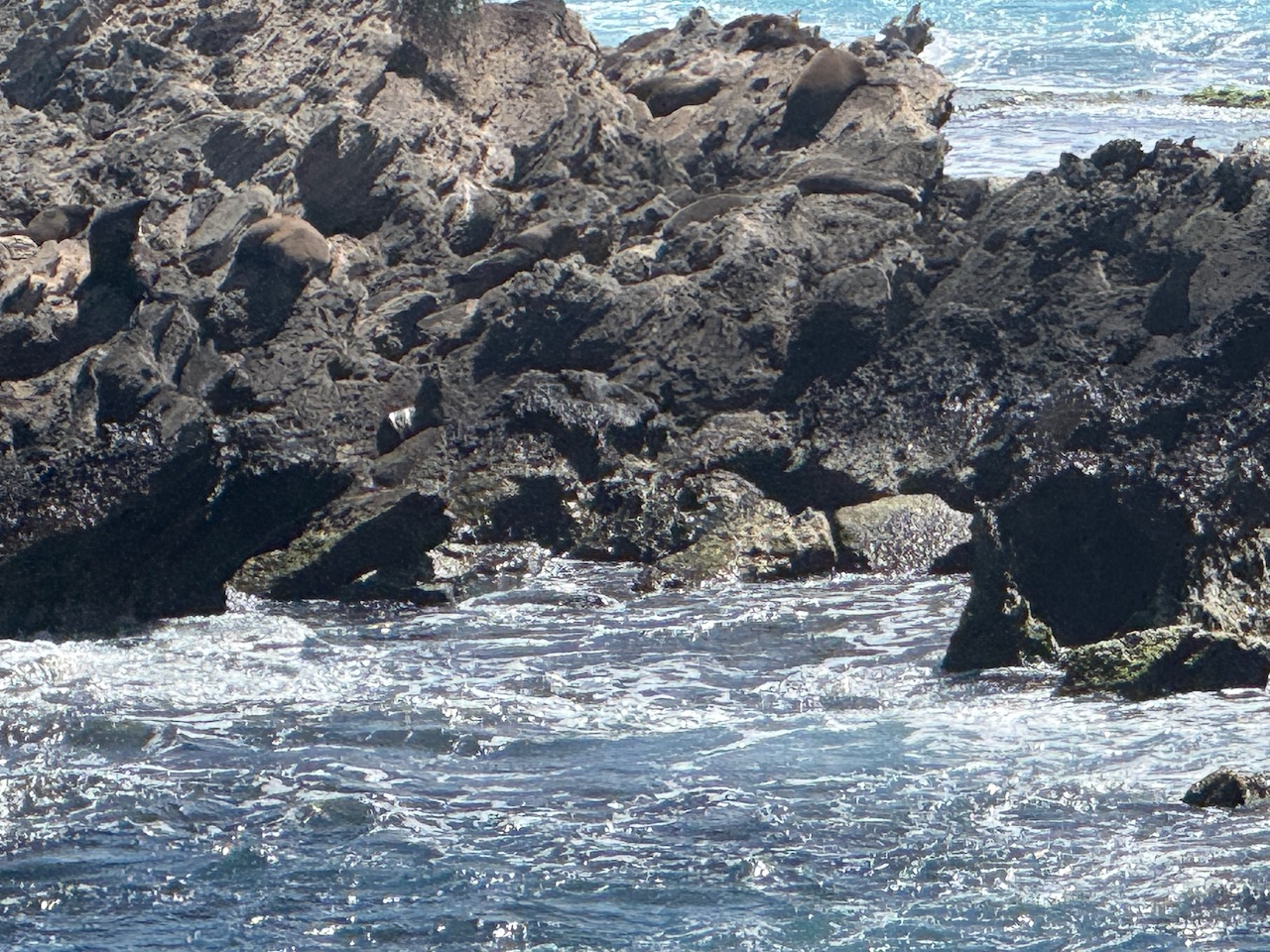
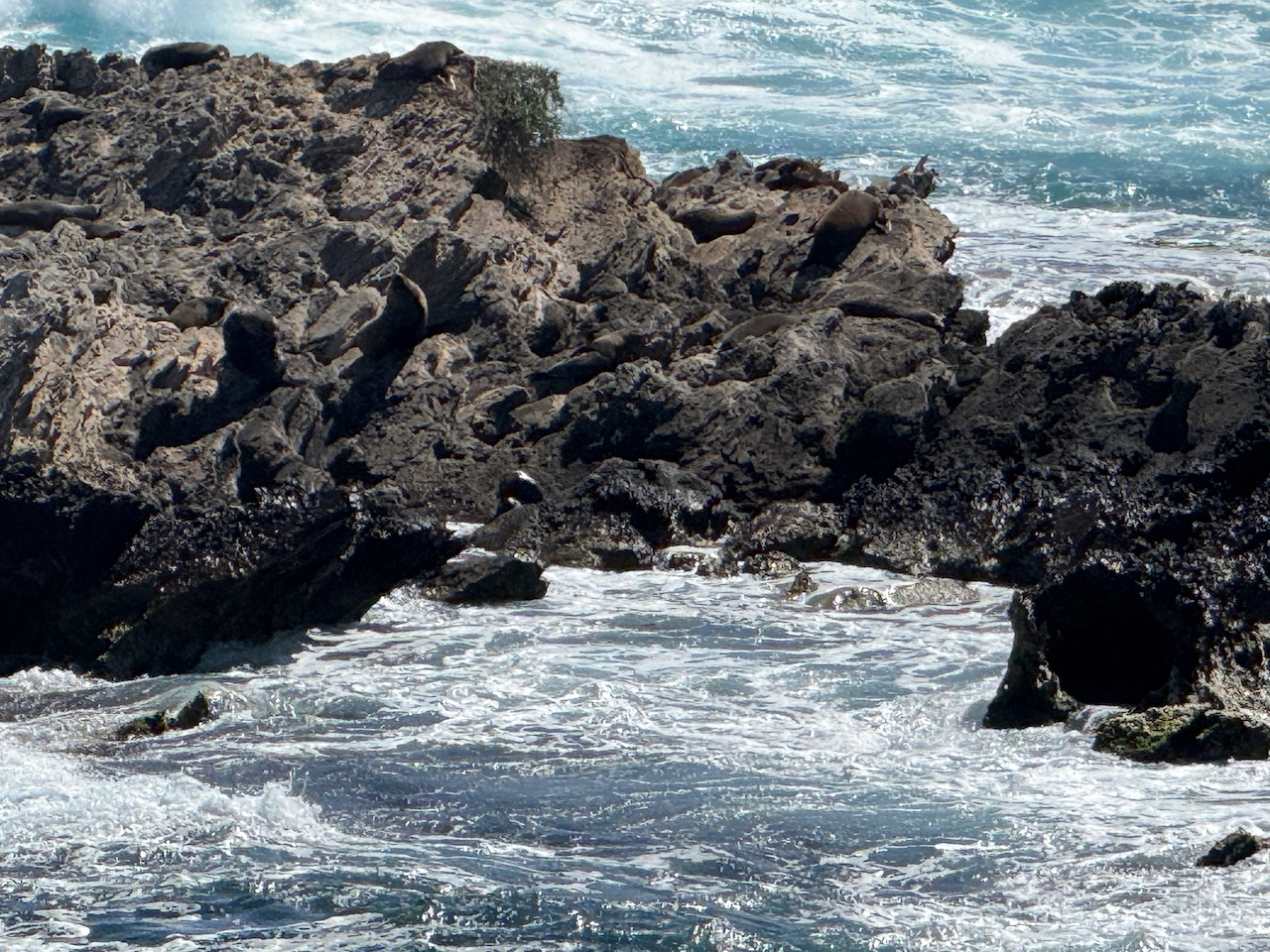
Close up view of sunbathing fur seals on a jagged limestone outcrop in the ocean
Close up view of sunbathing fur seals on a jagged limestone outcrop in the ocean
Close up of wave-surrounded limestone rocks in the ocean on which several sunbathing fur seals are visible
Close up of wave-surrounded limestone rocks in the ocean on which several sunbathing fur seals are visible
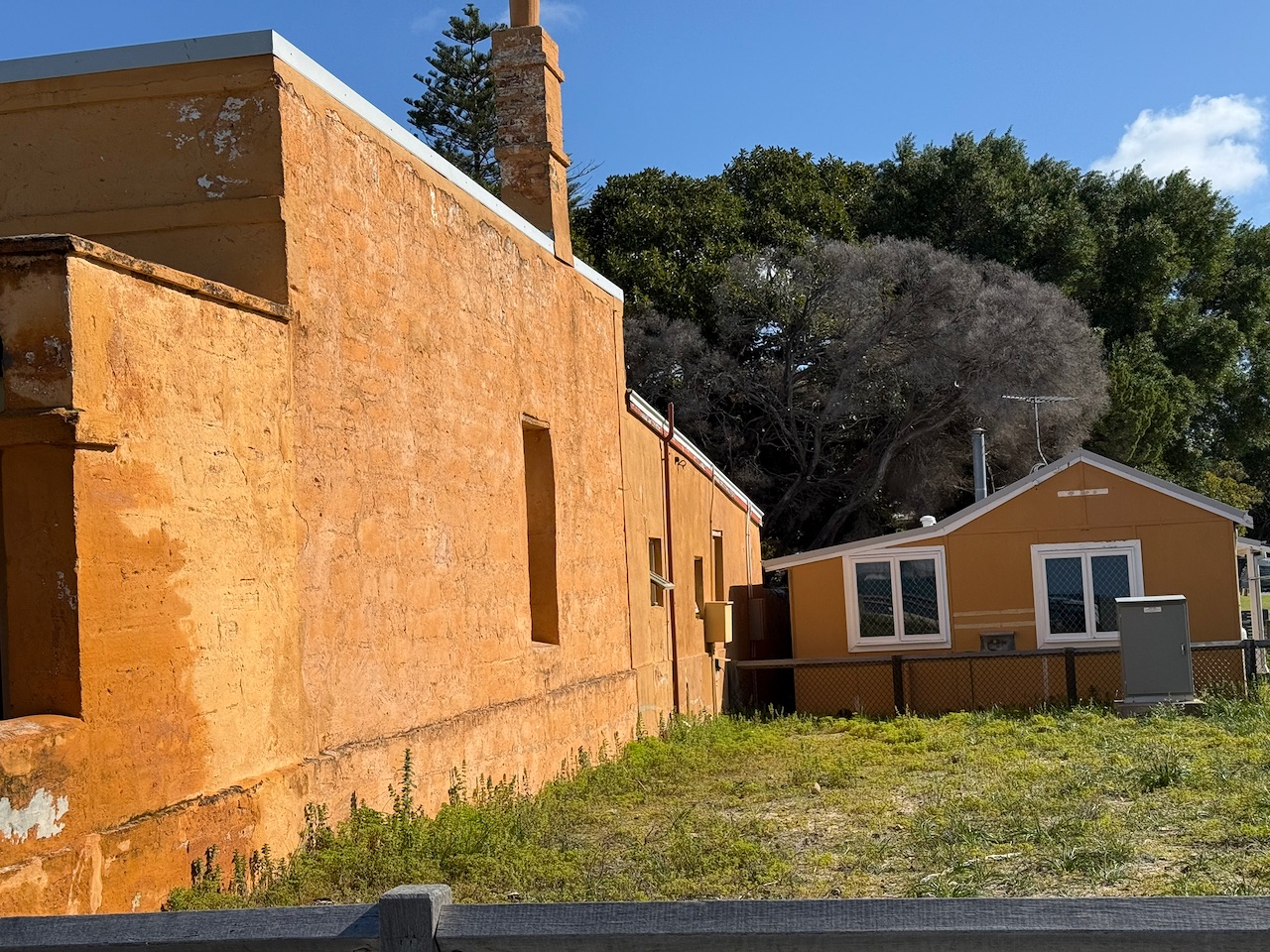
Orange stuccoed side of a terrace of houses for colonial administrators, and a more modern cabin next to it
Orange stuccoed side of a terrace of houses for colonial administrators, and a more modern cabin next to it
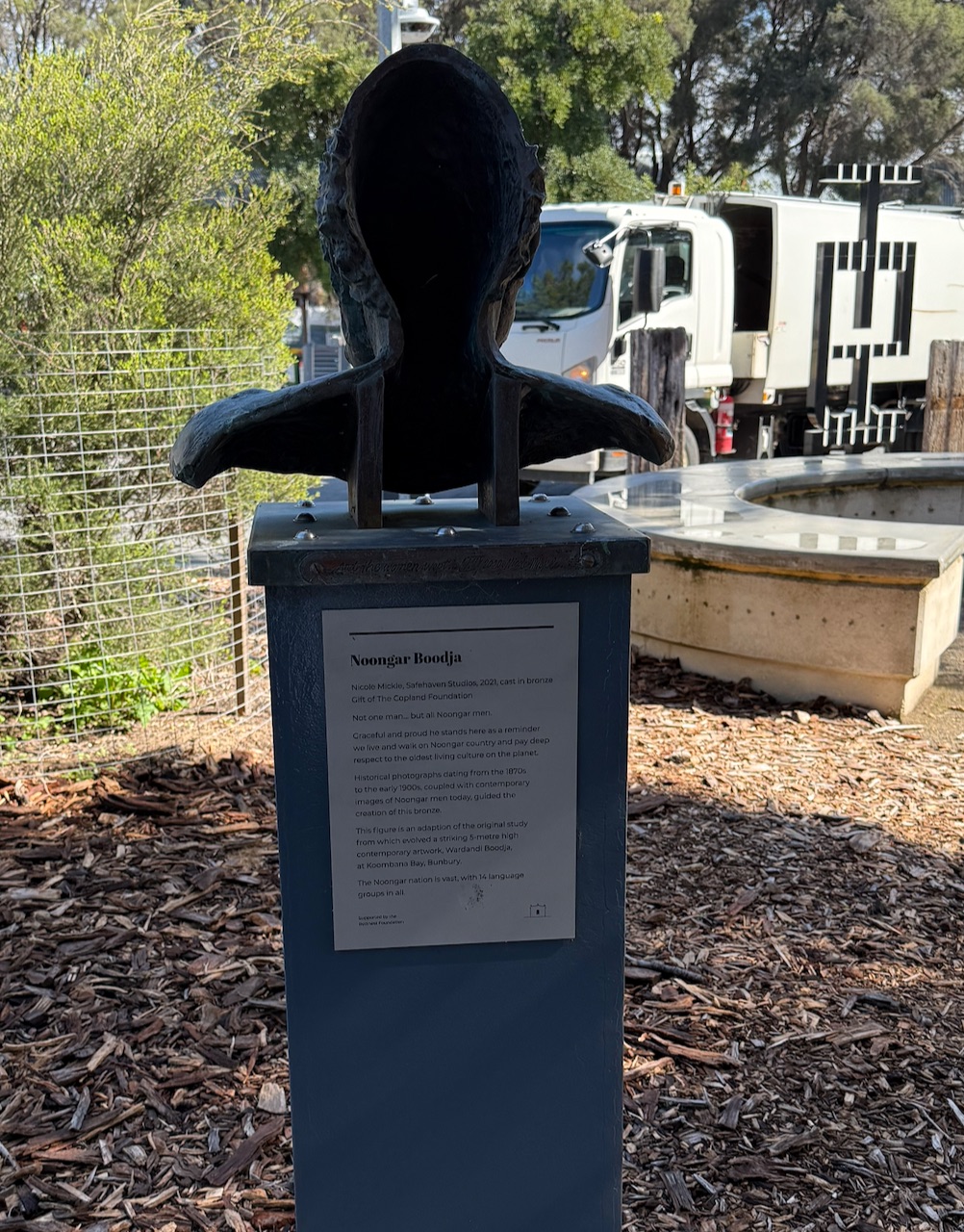
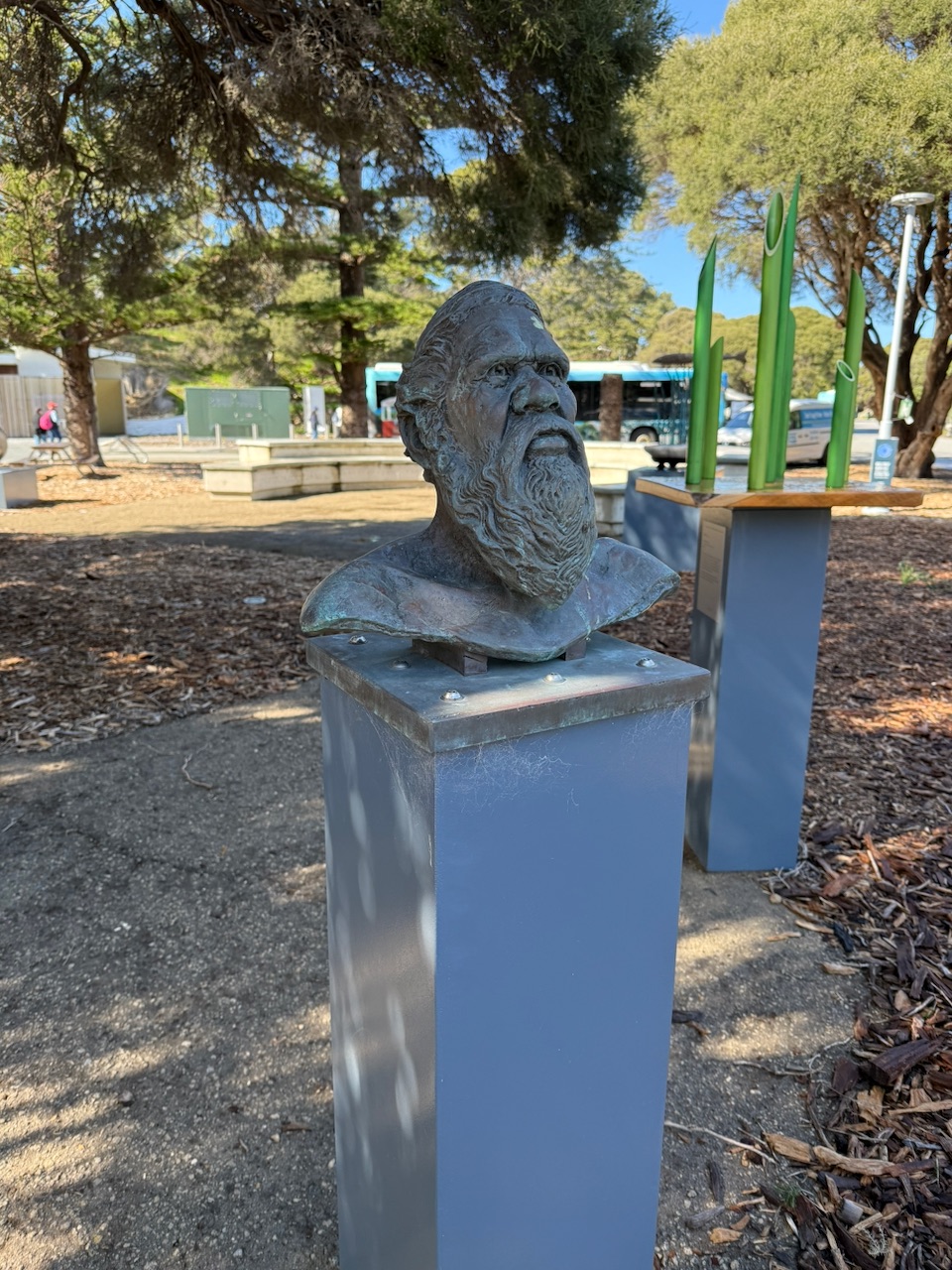
Reverse of Bronze head of Noongar Boodja , sculpture outside the museum by Nicole Mickle, Safehaven Studios, 2021, cast in bronze
Information label reads: ” Noongar Boodja
Nicole Mickle, Safehaven Studios, 2021, cast in bronze
Gift of The Copland Foundation
Not one man… but all Noongar men.
Graceful and proud he stands here as a reminder we live and walk on Noongar country and pay deep respect to the oldest living culture on the planet.
Historical photographs dating from the 1870s to the early 1900s, coupled with contemporary images of Noongar men today, guided the creation of this bronze.
This figure is an adaption of the original study from which evolved a striking 5-metre high contemporary artwork, Wardandi Boodja, at Koombana Bay, Bunbury.
The Noongar nation is vast, with 14 language groups in all”
Reverse of Bronze head of Noongar Boodja , sculpture outside the museum by Nicole Mickle, Safehaven Studios, 2021, cast in bronze
Information label reads: ” Noongar Boodja
Nicole Mickle, Safehaven Studios, 2021, cast in bronze
Gift of The Copland Foundation
Not one man… but all Noongar men.
Graceful and proud he stands here as a reminder we live and walk on Noongar country and pay deep respect to the oldest living culture on the planet.
Historical photographs dating from the 1870s to the early 1900s, coupled with contemporary images of Noongar men today, guided the creation of this bronze.
This figure is an adaption of the original study from which evolved a striking 5-metre high contemporary artwork, Wardandi Boodja, at Koombana Bay, Bunbury.
The Noongar nation is vast, with 14 language groups in all”
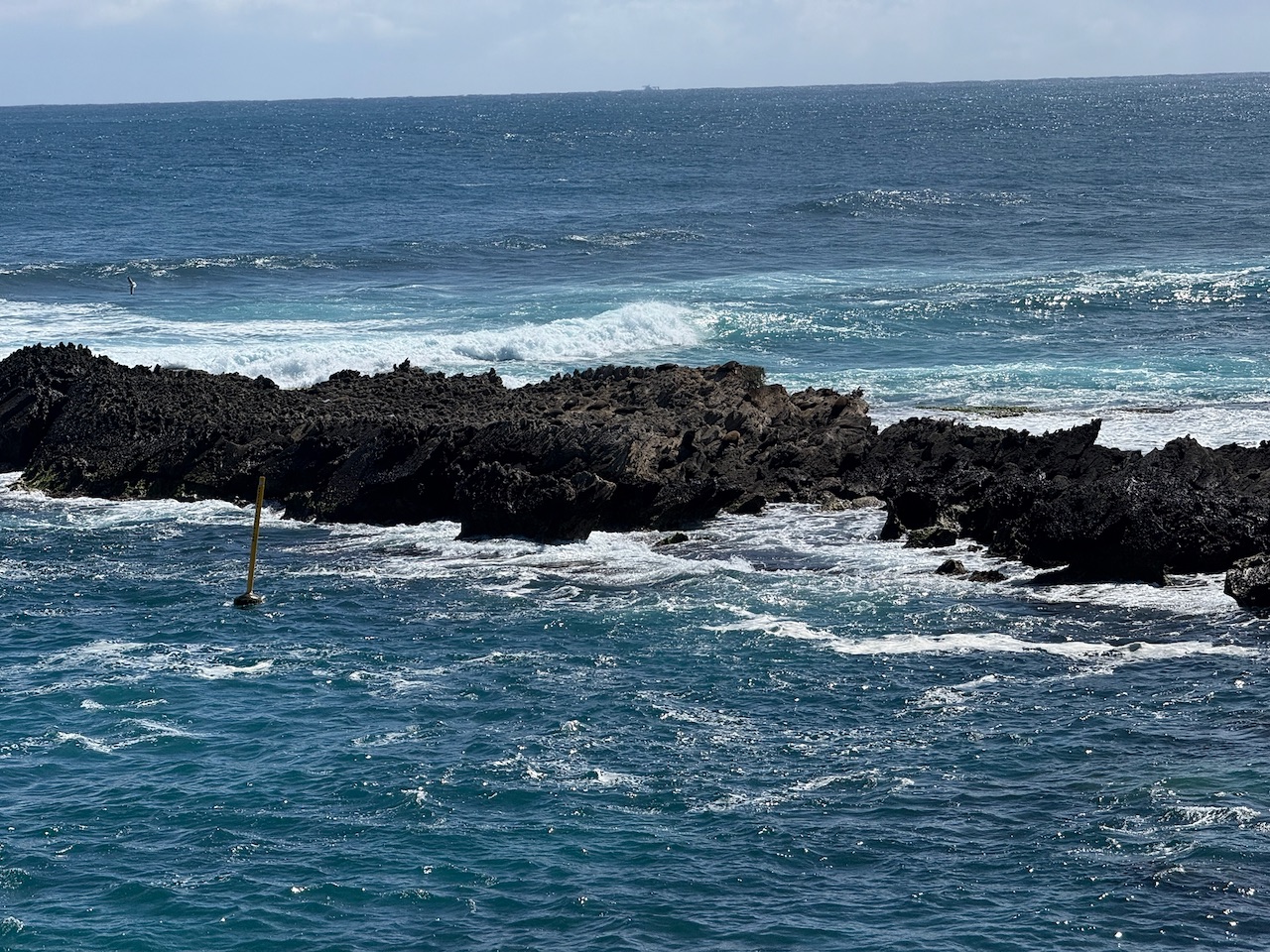
Jagged limestone rocks in the ocean, surrounded by waves, on which there are many fur seals, though they are almost impossible to see at this scale
Jagged limestone rocks in the ocean, surrounded by waves, on which there are many fur seals, though they are almost impossible to see at this scale
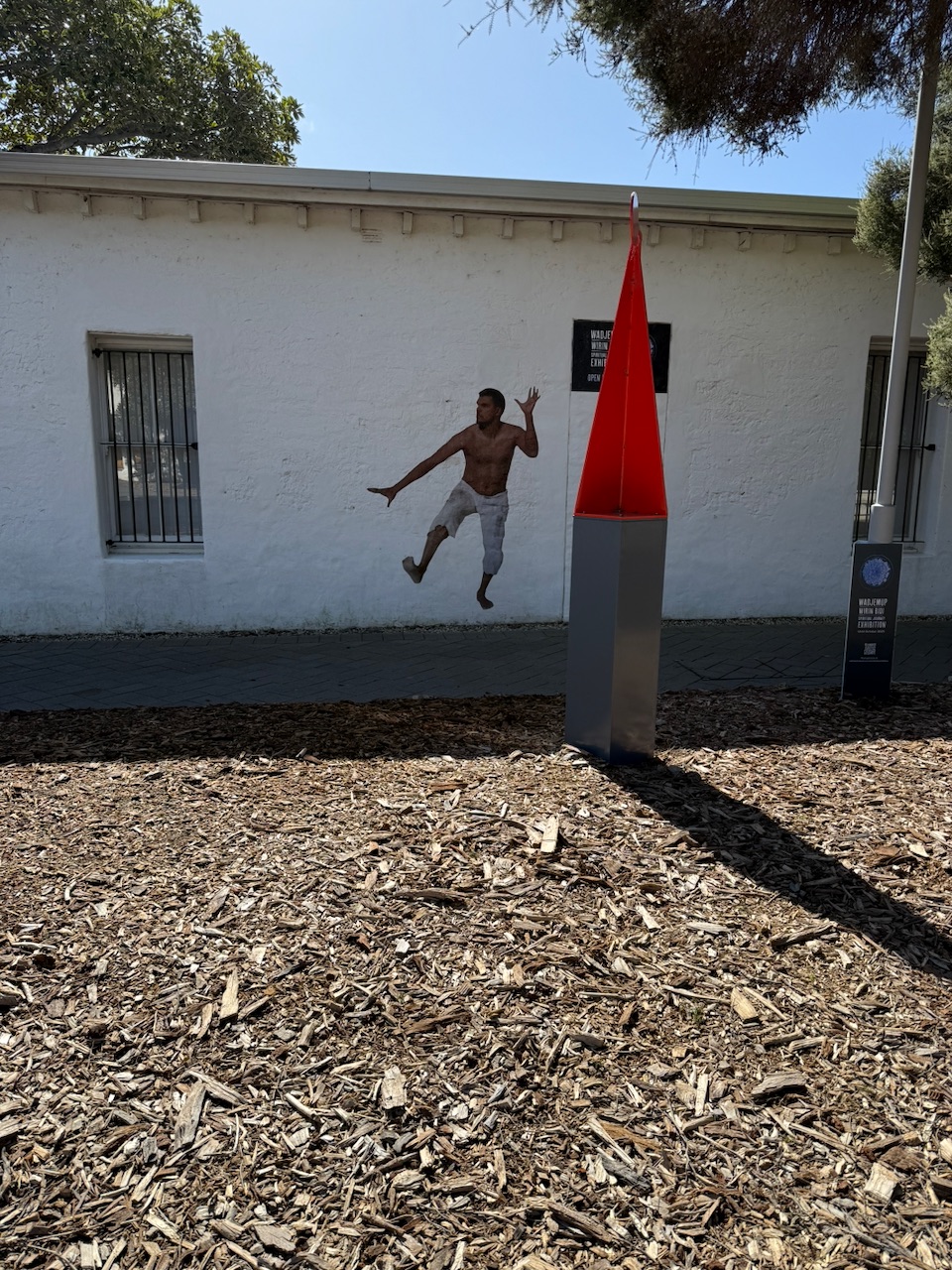
Artwork on side of the museum showing an action figure of a bare-chested Indigenous man in ragged white trousers, one arm and hand raised, the other facing towards the ground, perhaps as if about to throw an invisible weapon.
Artwork on side of the museum showing an action figure of a bare-chested Indigenous man in ragged white trousers, one arm and hand raised, the other facing towards the ground, perhaps as if about to throw an invisible weapon.
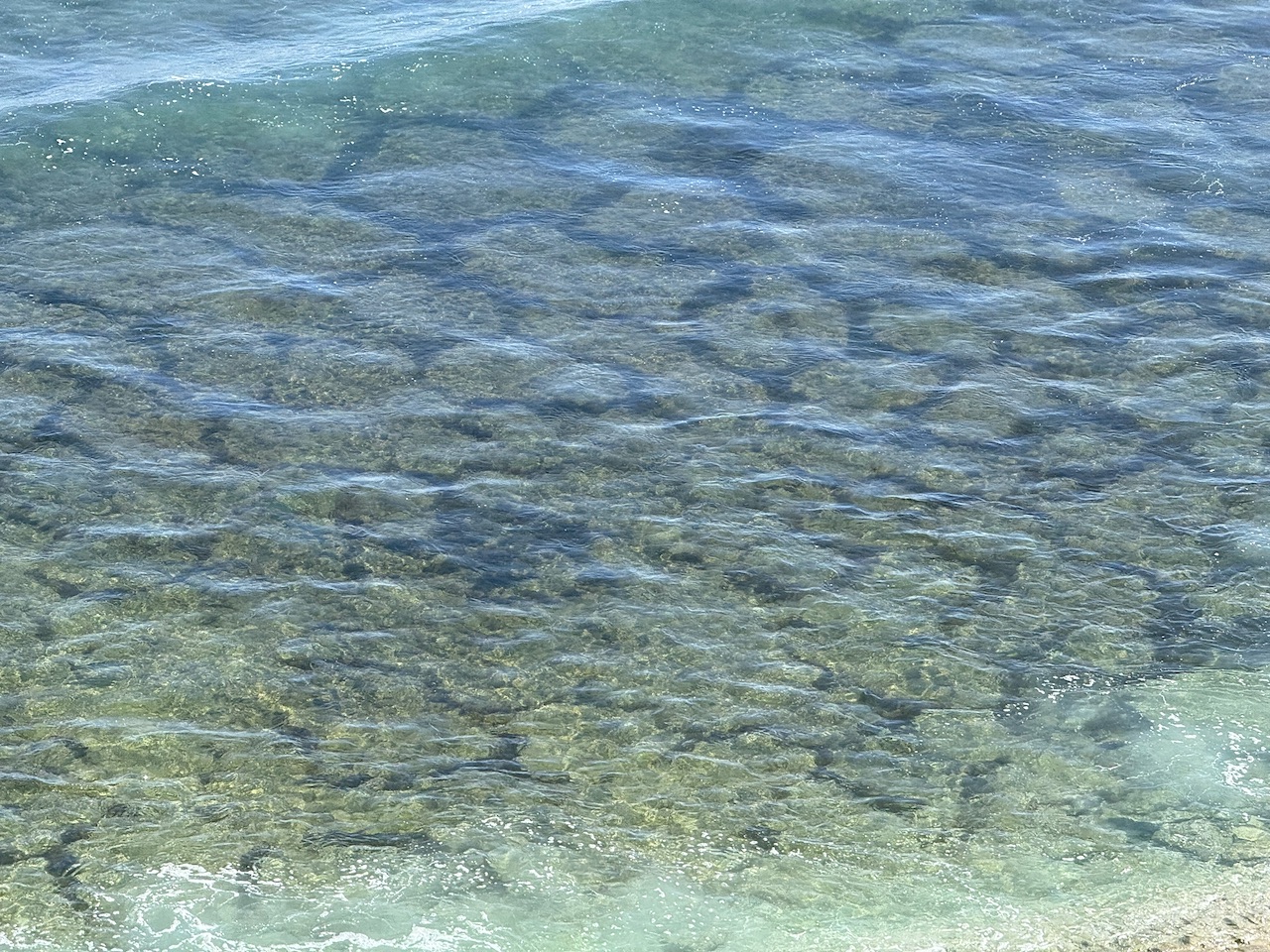
Under clear water, a pattern a little like terrazzo tile is visible. According to scientists Berry and Playford (1992) the brown algae or sargassum seaweed which forms these outlines is a hedge maintained by the buffalo bream, Kyphosus cornelii. Individual fish of both sexes defend contiguous, polygonal territories that cover large areas of shallow limestone shoreline platforms.
Under clear water, a pattern a little like terrazzo tile is visible. According to scientists Berry and Playford (1992) the brown algae or sargassum seaweed which forms these outlines is a hedge maintained by the buffalo bream, Kyphosus cornelii. Individual fish of both sexes defend contiguous, polygonal territories that cover large areas of shallow limestone shoreline platforms.
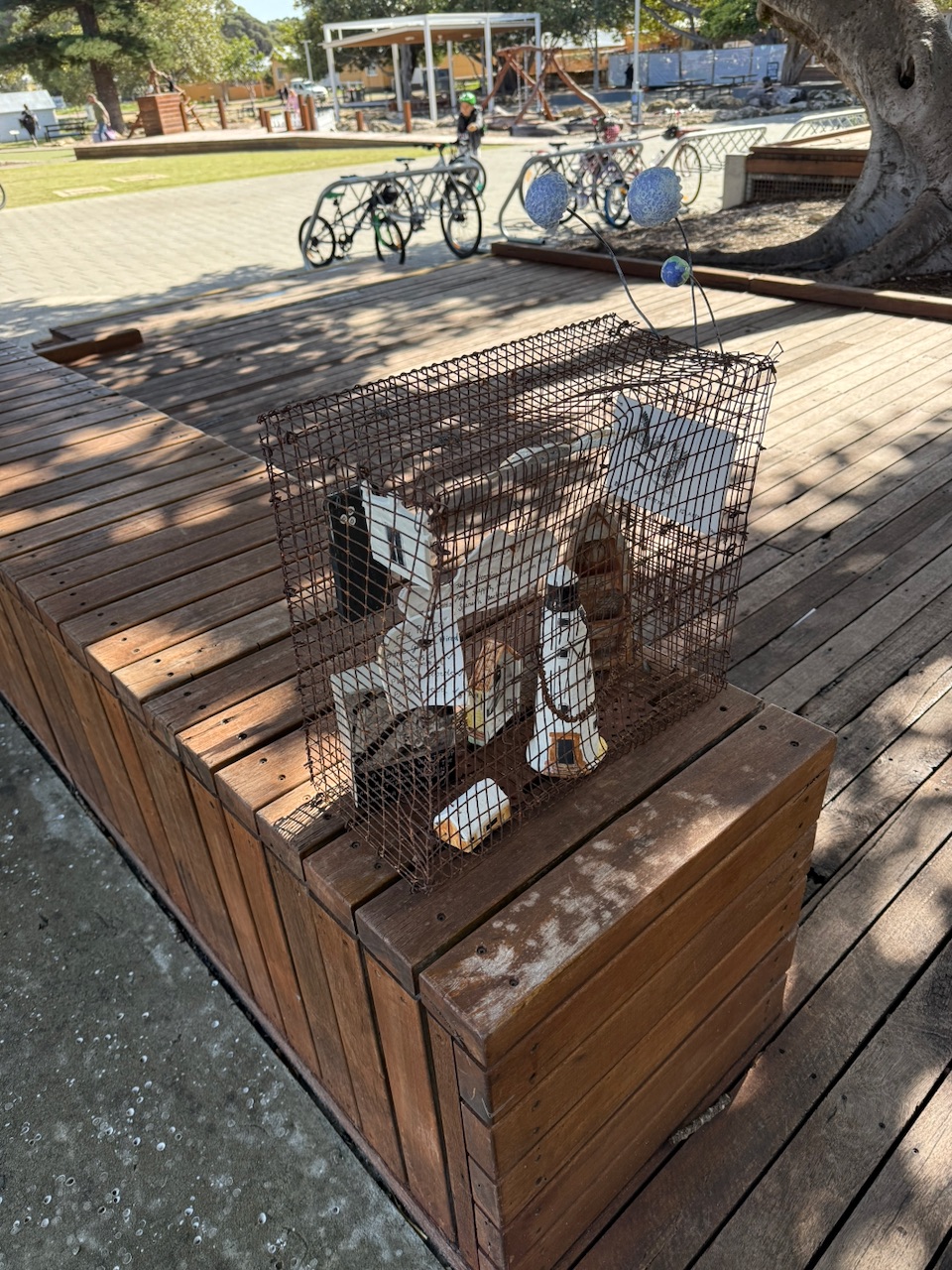
Artwork outside the museum, consisting of a wire mesh cage enclosing objects relating to the history of Rottnest Island
Artwork outside the museum, consisting of a wire mesh cage enclosing objects relating to the history of Rottnest Island
Eroded jagged limestone outcrop and waves in ocean below blue sky. Dark coral is visible in the foreground under the water
Eroded jagged limestone outcrop and waves in ocean below blue sky. Dark coral is visible in the foreground under the water
A Torresian crow (I think) sitting on a wooden fence very close to the photographer. Later a bird very like this divebombed me for my gelato! The start of the ferry jetty is visible behind and below the fence
A Torresian crow (I think) sitting on a wooden fence very close to the photographer. Later a bird very like this divebombed me for my gelato! The start of the ferry jetty is visible behind and below the fence
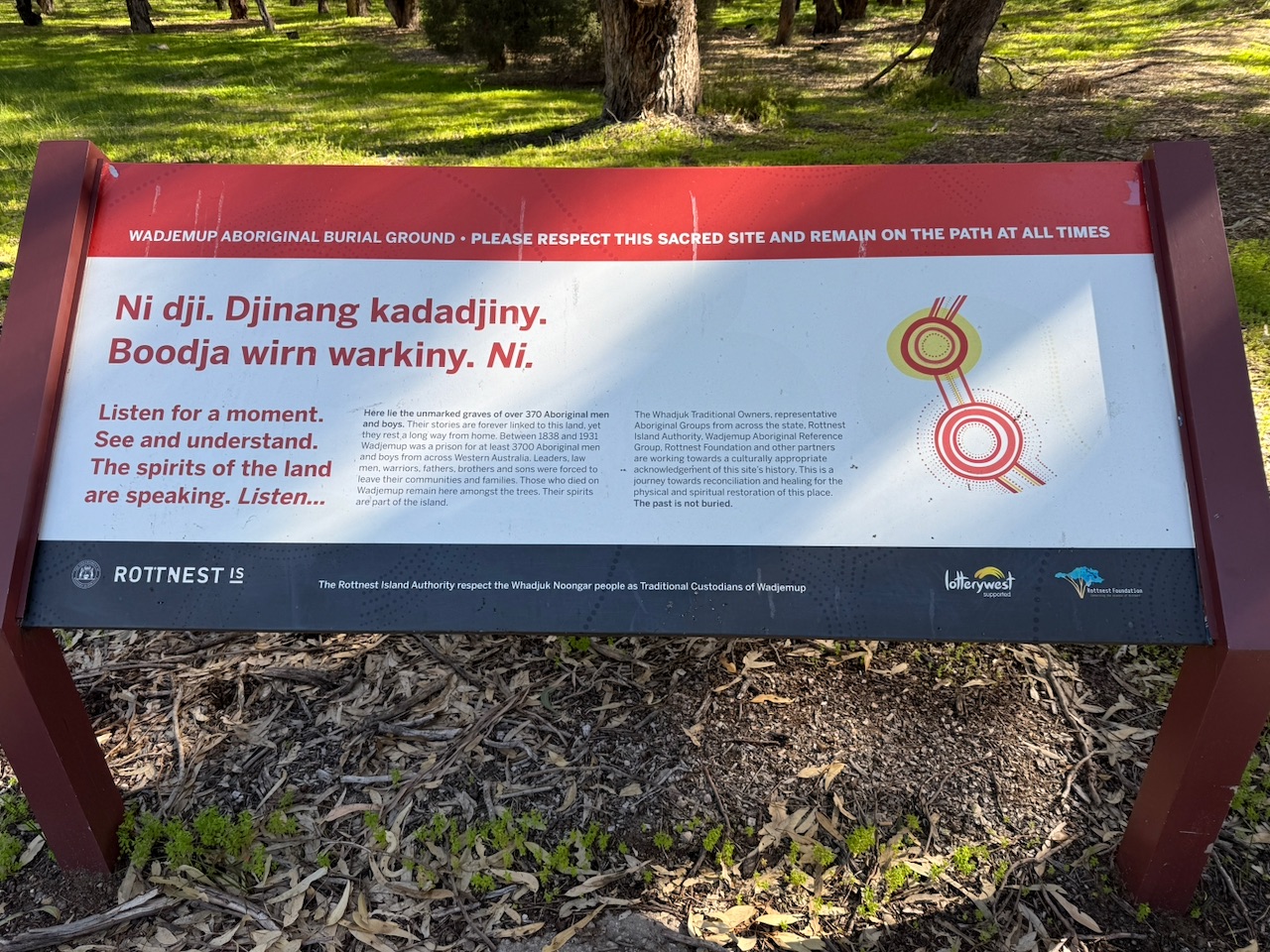
Red white and green sign showing Indigenous art and information about the Indigenous burial ground at the Settlement. It reads:
“WADJEMUP ABORIGINAL BURIAL GROUND • PLEASE RESPECT THIS SACRED SITE AND REMAIN ON THE PATH AT ALL TIMES
Ni dji. Djinang kadadjiny.
Boodja wirn warkiny. Ni.
Listen for a moment.
See and understand.
The spirits of the land are speaking. Listen…
Here lie the unmarked graves of over 370 Aboriginal men and boys. Their stories are forever linked to this land, yet they rest a long way from home. Between 1838 and 1931 Wadjemup was a prison for at least 3700 Aboriginal men and boys from across Western Australia. Leaders, law men, warriors, fathers, brothers and sons were forced to leave their communities and families. Those who died on Wadjemup remain here amongst the trees. Their spirits are part of the island.
The Whadjuk Traditional Owners, representative
Aboriginal Groups from across the state, Rottnest Island Authority, Wadjemup Aboriginal Reference Group, Rottest Foundation and other partners are working towards a culturally appropriate .. acknowledgement of this site’s history. This is a journey towards reconciliation and healing for the physical and spiritual restoration of this place.
The past is not buried.
ROTTNEST IS
The Rottnest Island Authority respect the Whadjuk Noongar people as Traditional Custodians of Wadjemup”
Red white and green sign showing Indigenous art and information about the Indigenous burial ground at the Settlement. It reads:
“WADJEMUP ABORIGINAL BURIAL GROUND • PLEASE RESPECT THIS SACRED SITE AND REMAIN ON THE PATH AT ALL TIMES
Ni dji. Djinang kadadjiny.
Boodja wirn warkiny. Ni.
Listen for a moment.
See and understand.
The spirits of the land are speaking. Listen…
Here lie the unmarked graves of over 370 Aboriginal men and boys. Their stories are forever linked to this land, yet they rest a long way from home. Between 1838 and 1931 Wadjemup was a prison for at least 3700 Aboriginal men and boys from across Western Australia. Leaders, law men, warriors, fathers, brothers and sons were forced to leave their communities and families. Those who died on Wadjemup remain here amongst the trees. Their spirits are part of the island.
The Whadjuk Traditional Owners, representative
Aboriginal Groups from across the state, Rottnest Island Authority, Wadjemup Aboriginal Reference Group, Rottest Foundation and other partners are working towards a culturally appropriate .. acknowledgement of this site’s history. This is a journey towards reconciliation and healing for the physical and spiritual restoration of this place.
The past is not buried.
ROTTNEST IS
The Rottnest Island Authority respect the Whadjuk Noongar people as Traditional Custodians of Wadjemup”
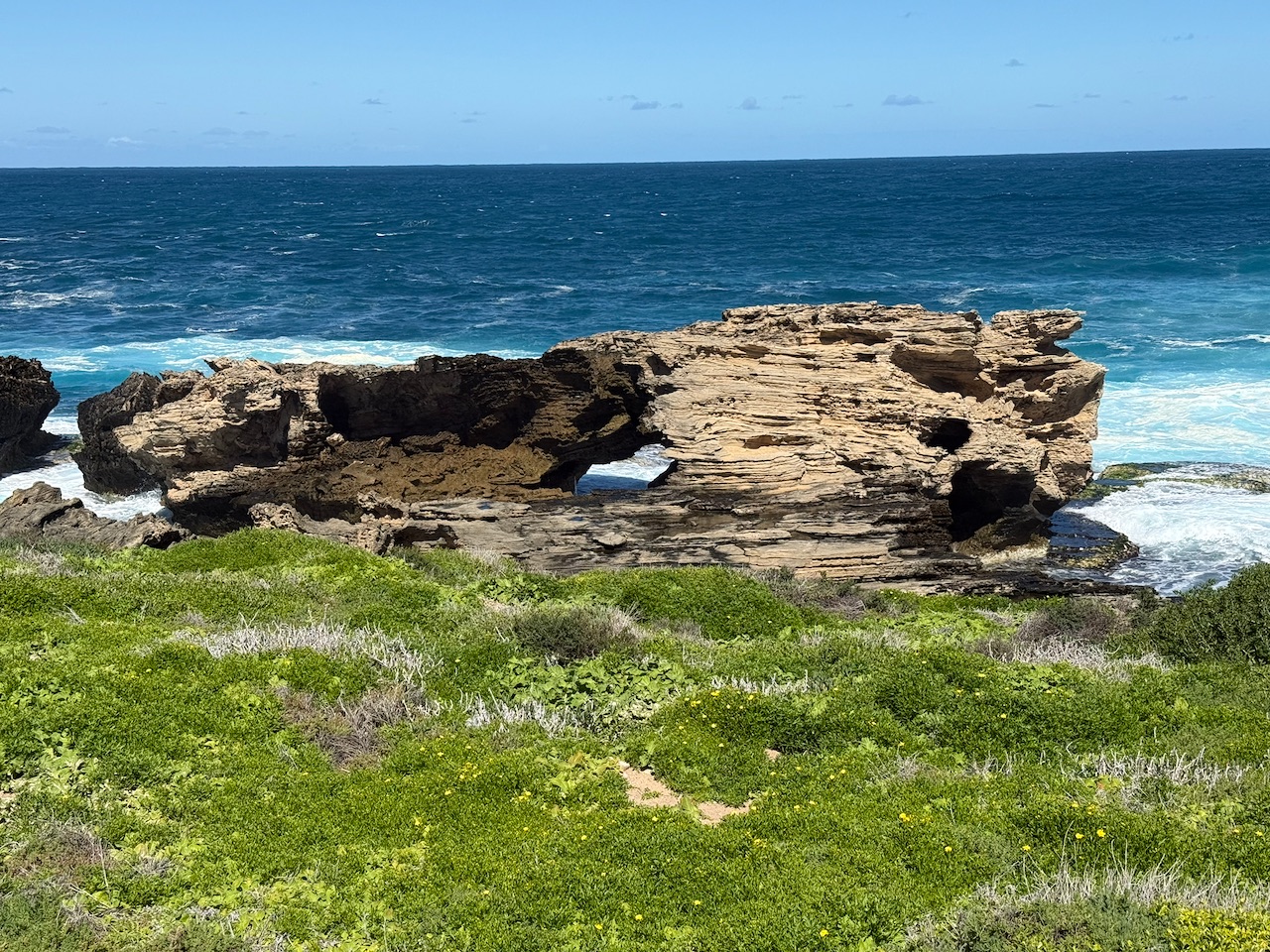
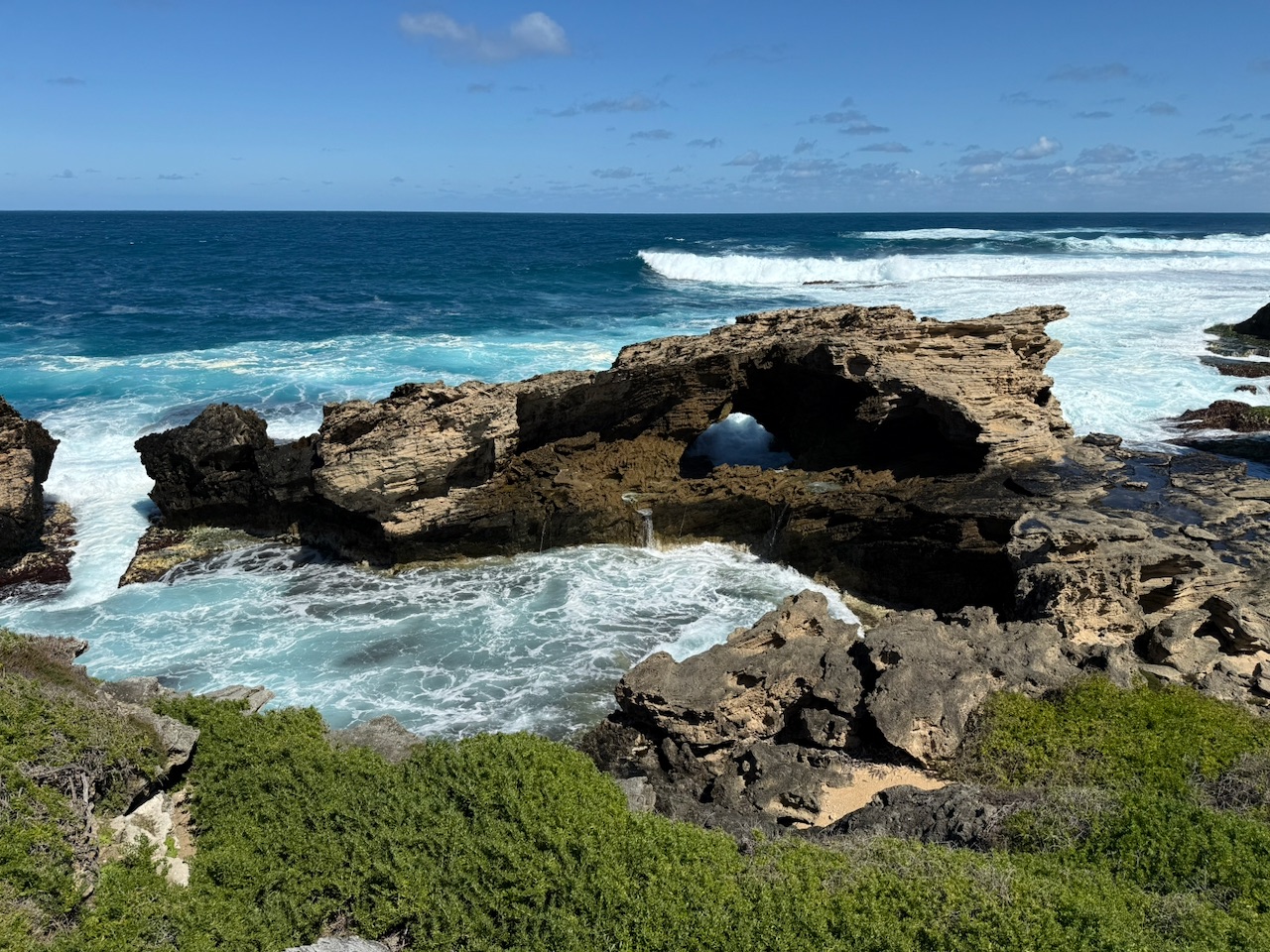
Eroded limestone outcrop making a small bridge, among waves on a deep blue ocean and a blue sky. Green vegetation covers the foreshore
Eroded limestone outcrop making a small bridge, among waves on a deep blue ocean and a blue sky. Green vegetation covers the foreshore
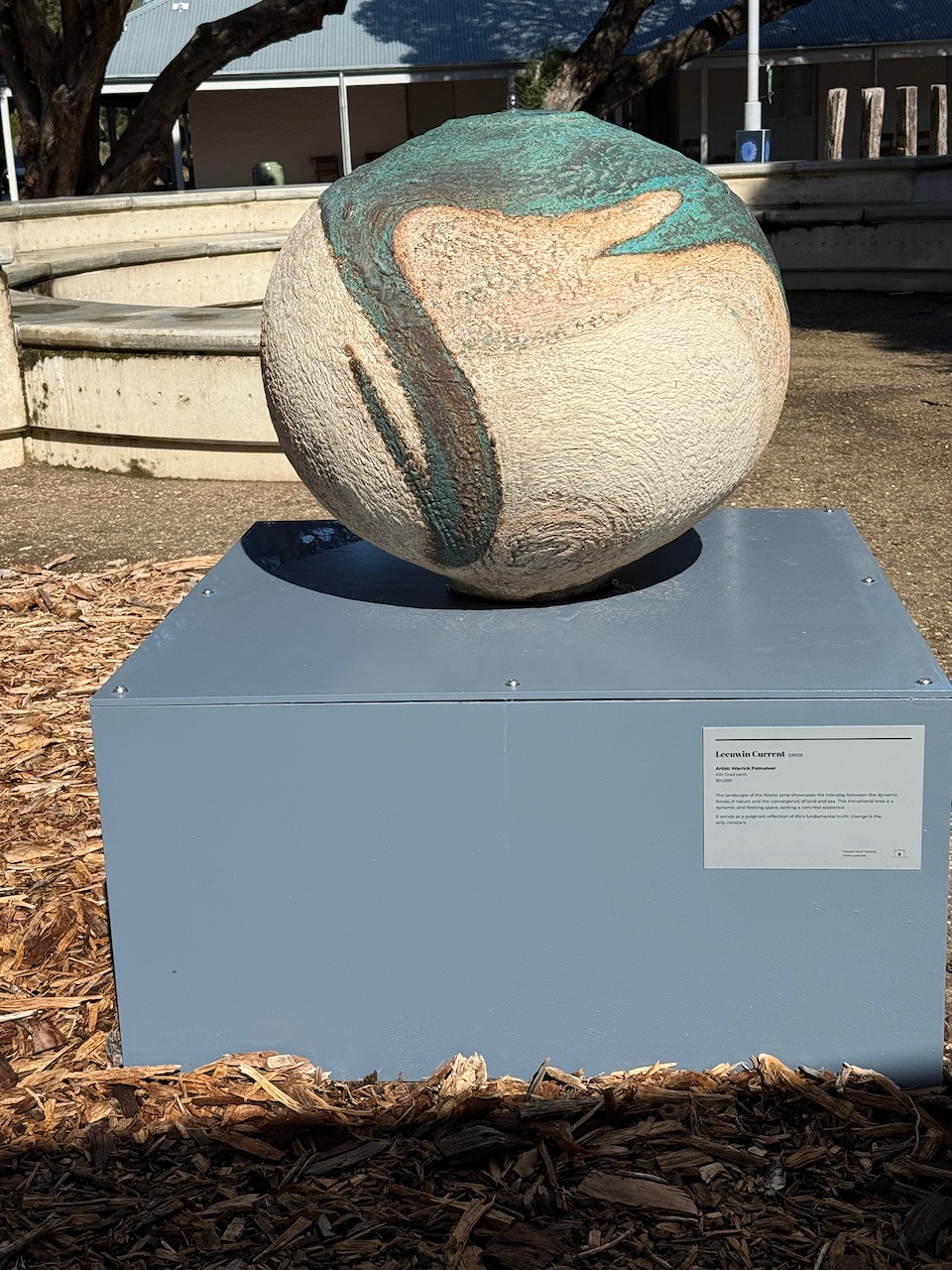
“Leewuwin Current” – a spherical vase sculpture outside the museum.Swirling blue and brown from the top overlays the cream body of the piece.
The Leeuwin Current flows down from Indonesia, stimulating the growth of tropical coral around the island’s marine gardens. This current also increases the water temperature by four degrees compared to the coast of Western Australia, expanding your experiences underwater.
“Leewuwin Current” – a spherical vase sculpture outside the museum.Swirling blue and brown from the top overlays the cream body of the piece.
The Leeuwin Current flows down from Indonesia, stimulating the growth of tropical coral around the island’s marine gardens. This current also increases the water temperature by four degrees compared to the coast of Western Australia, expanding your experiences underwater.
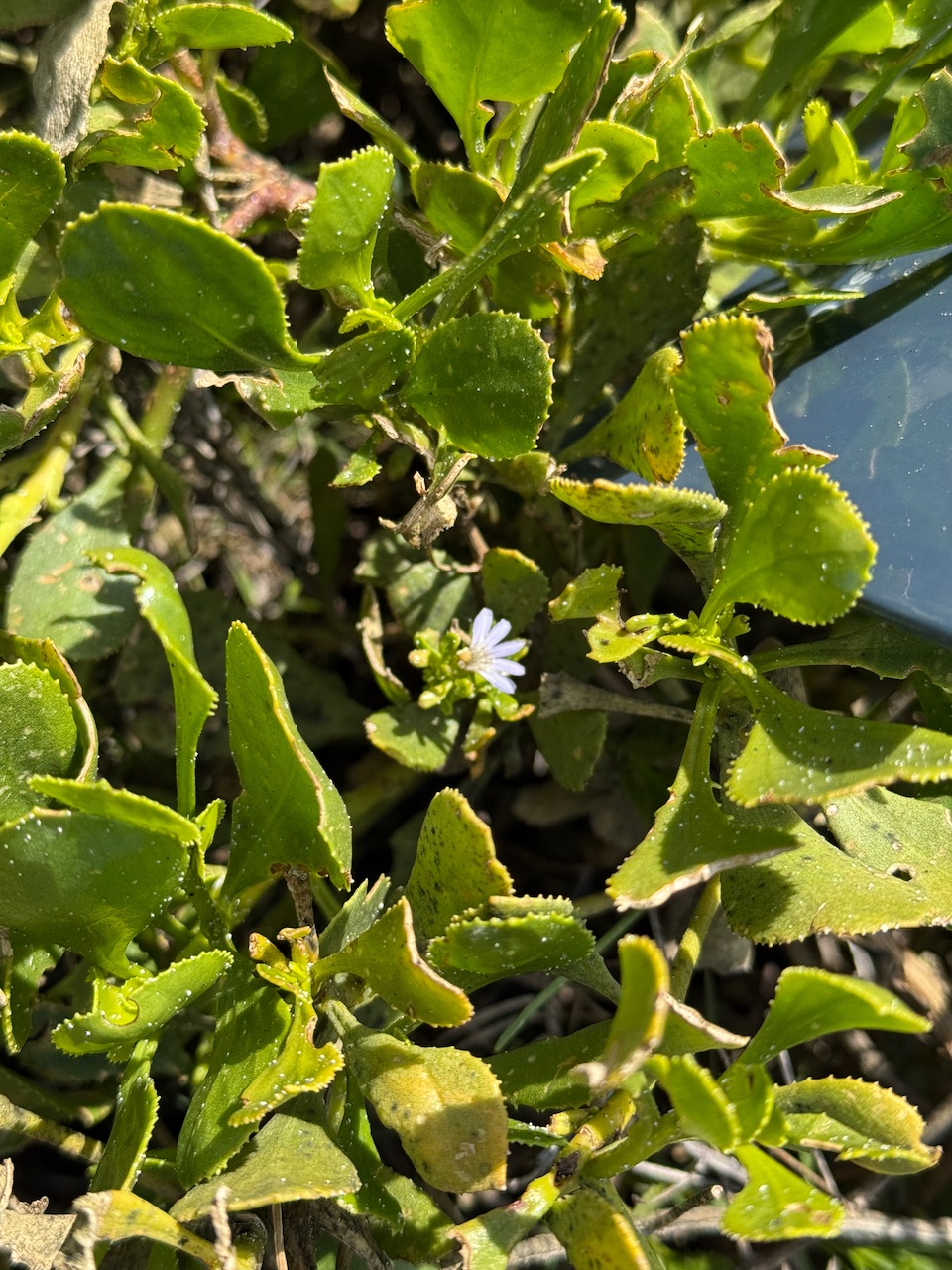
Scaevola crassifolia – Thick-leaved Fan-flower. Green thick, waxy, salt resistant leaves and a single light purple fan-haped flower, shaped as if it has been cut in half. (“Scaevus” means “left-handed” in Latin). It is a West Australian native that grows naturally on sandy coastal sites where there is full sun and exceptionally free draining sandy soils.
Scaevola crassifolia – Thick-leaved Fan-flower. Green thick, waxy, salt resistant leaves and a single light purple fan-haped flower, shaped as if it has been cut in half. (“Scaevus” means “left-handed” in Latin). It is a West Australian native that grows naturally on sandy coastal sites where there is full sun and exceptionally free draining sandy soils.
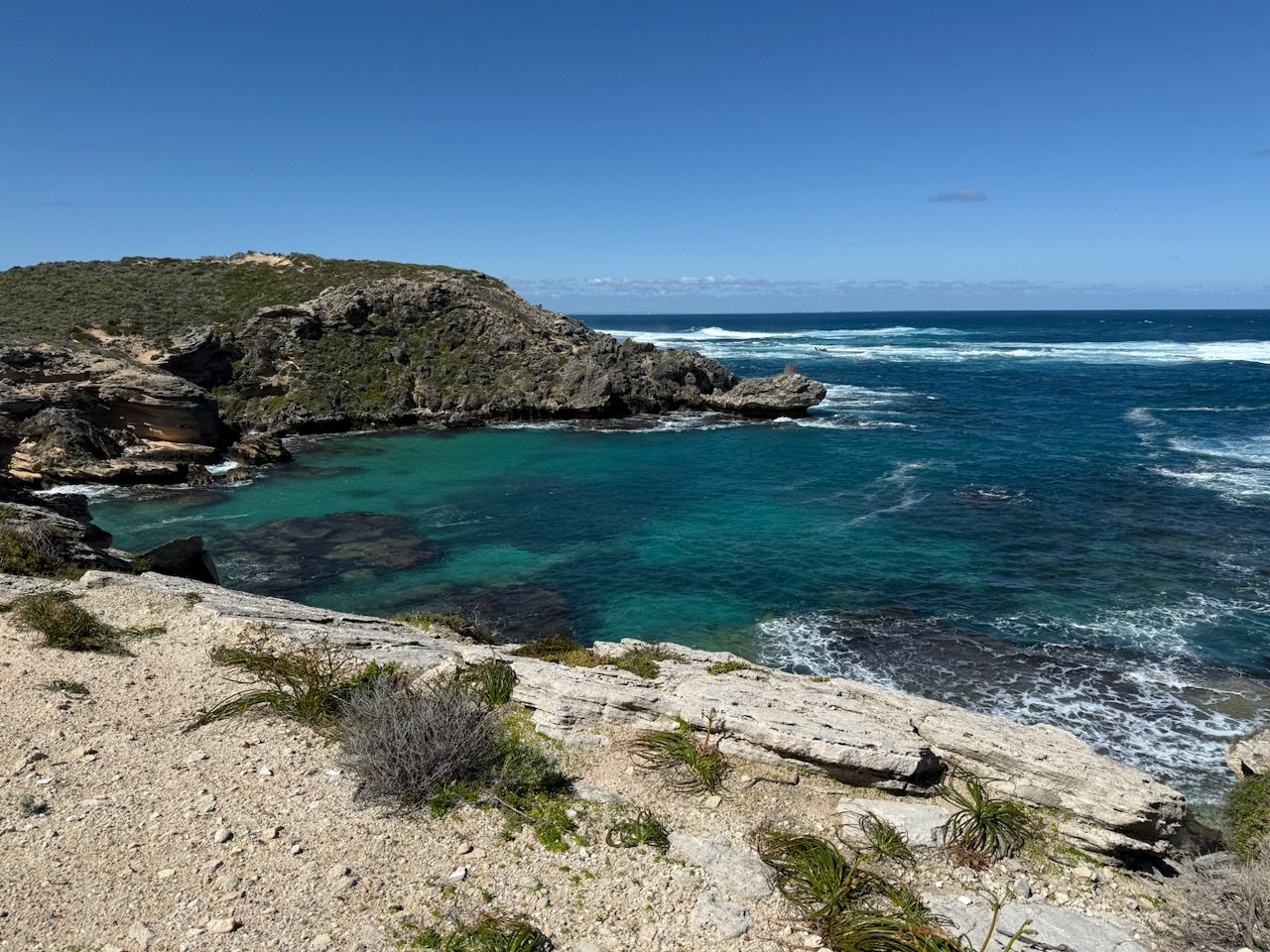
Vegetation covered limestone headland forming a small cove with a rocky beach. Coral is visible under the clear green water. Waves break further out on a reef past the headland.
Vegetation covered limestone headland forming a small cove with a rocky beach. Coral is visible under the clear green water. Waves break further out on a reef past the headland.
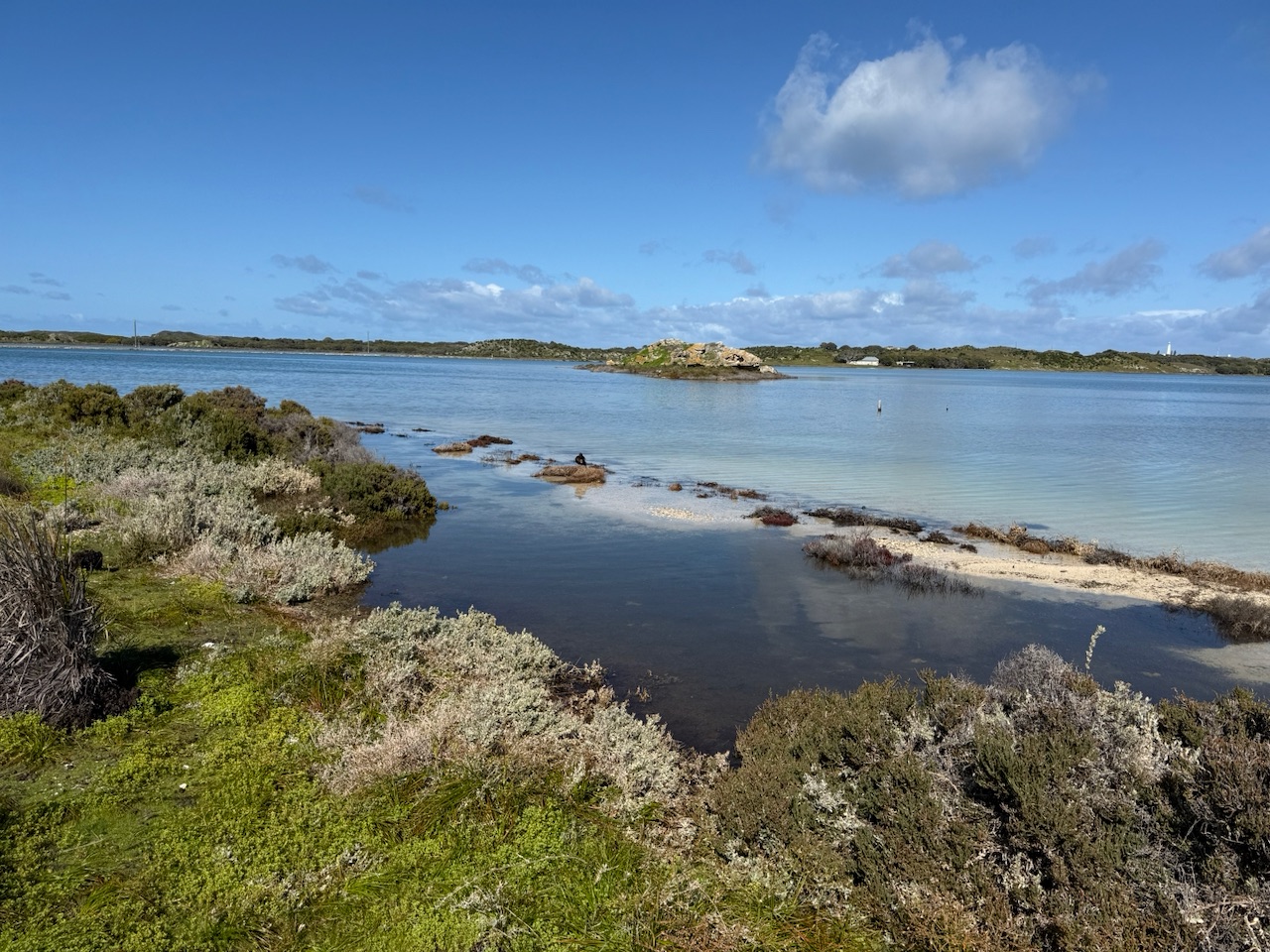
View across a large salt lake and vegetation in the foreground
View across a large salt lake and vegetation in the foreground
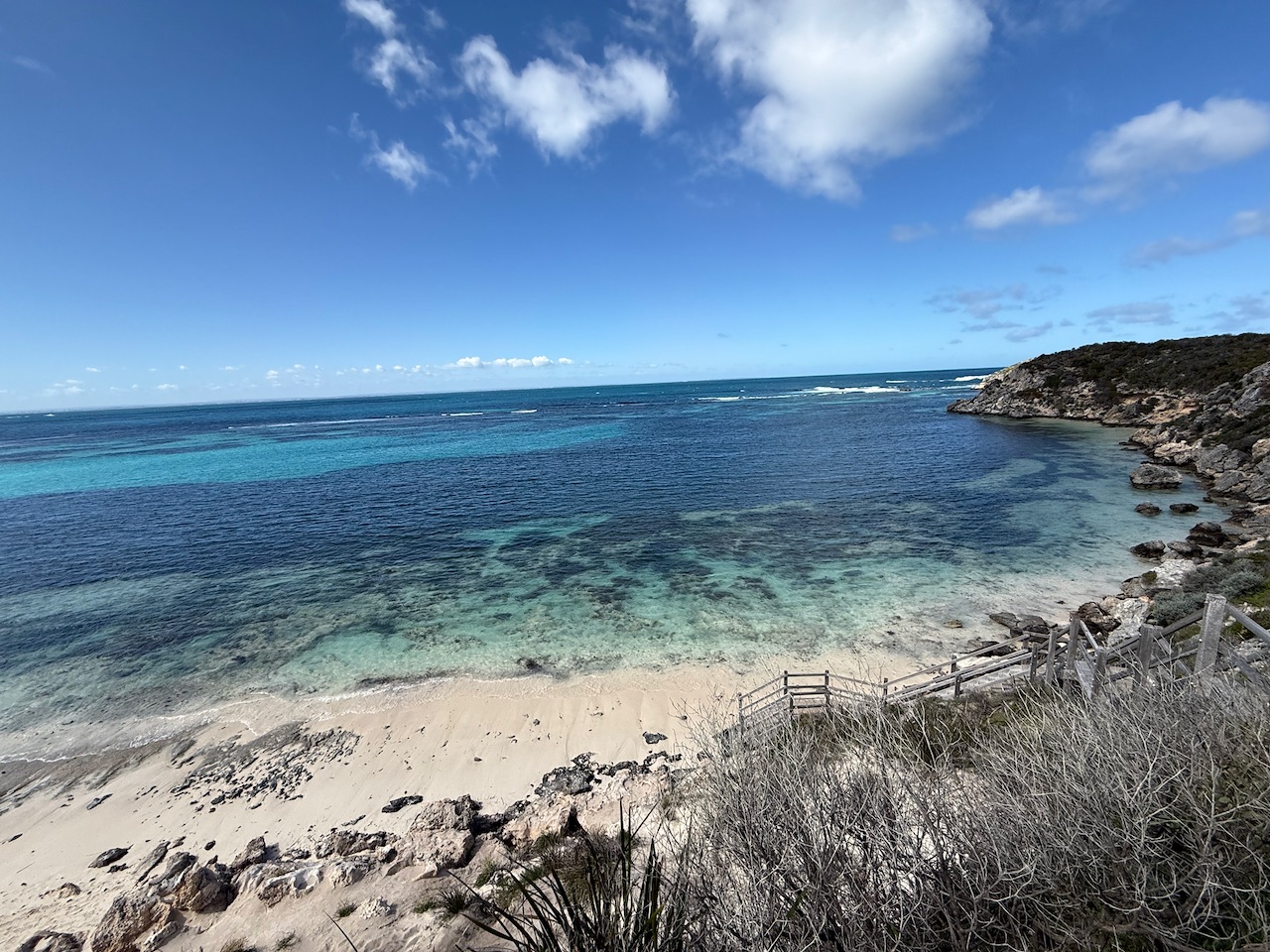
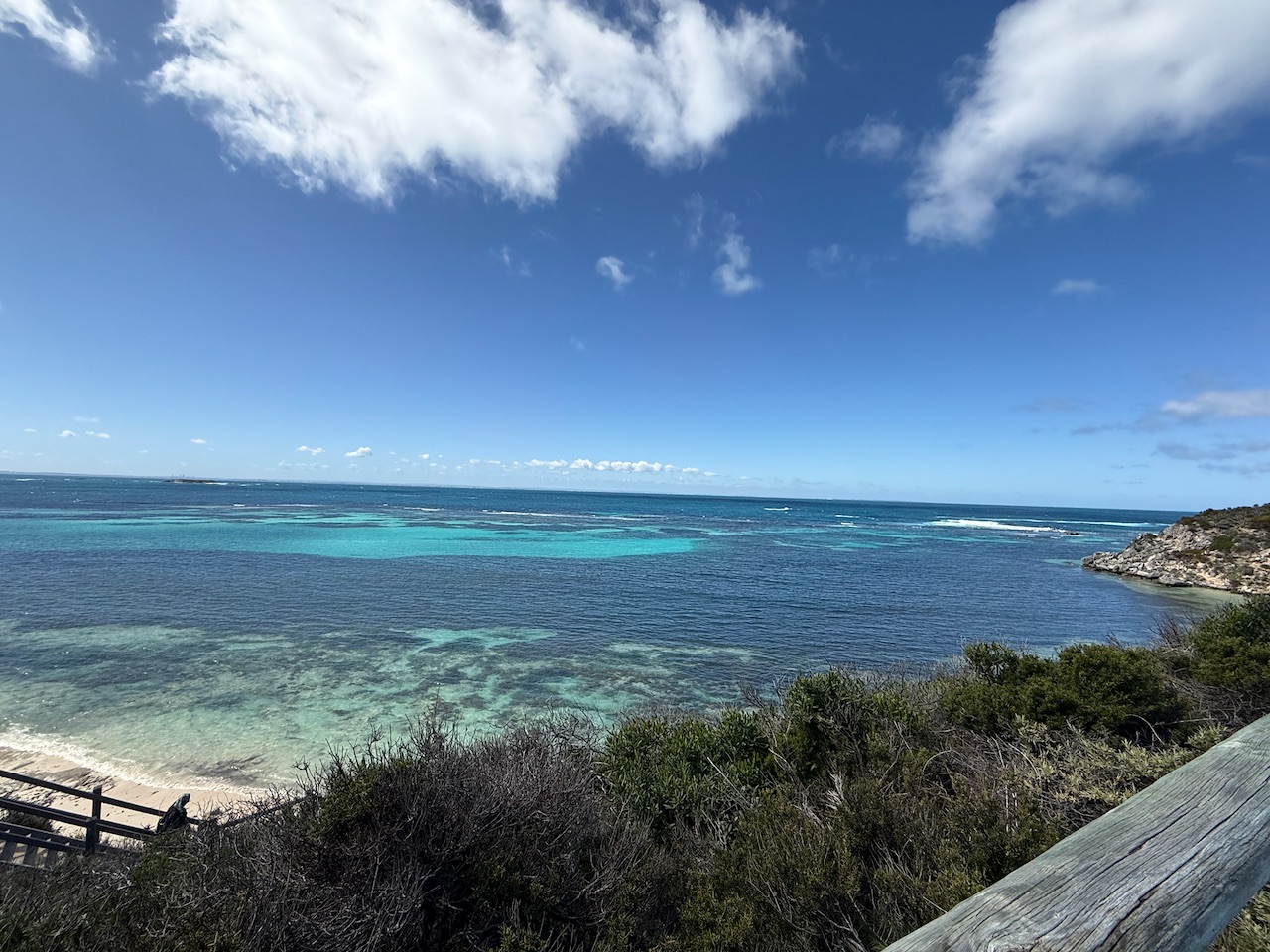
Wooden stairs on vegetated limestone lead down to sandy beach and a calm bay showing large areas of coral under the water
Wooden stairs on vegetated limestone lead down to sandy beach and a calm bay showing large areas of coral under the water
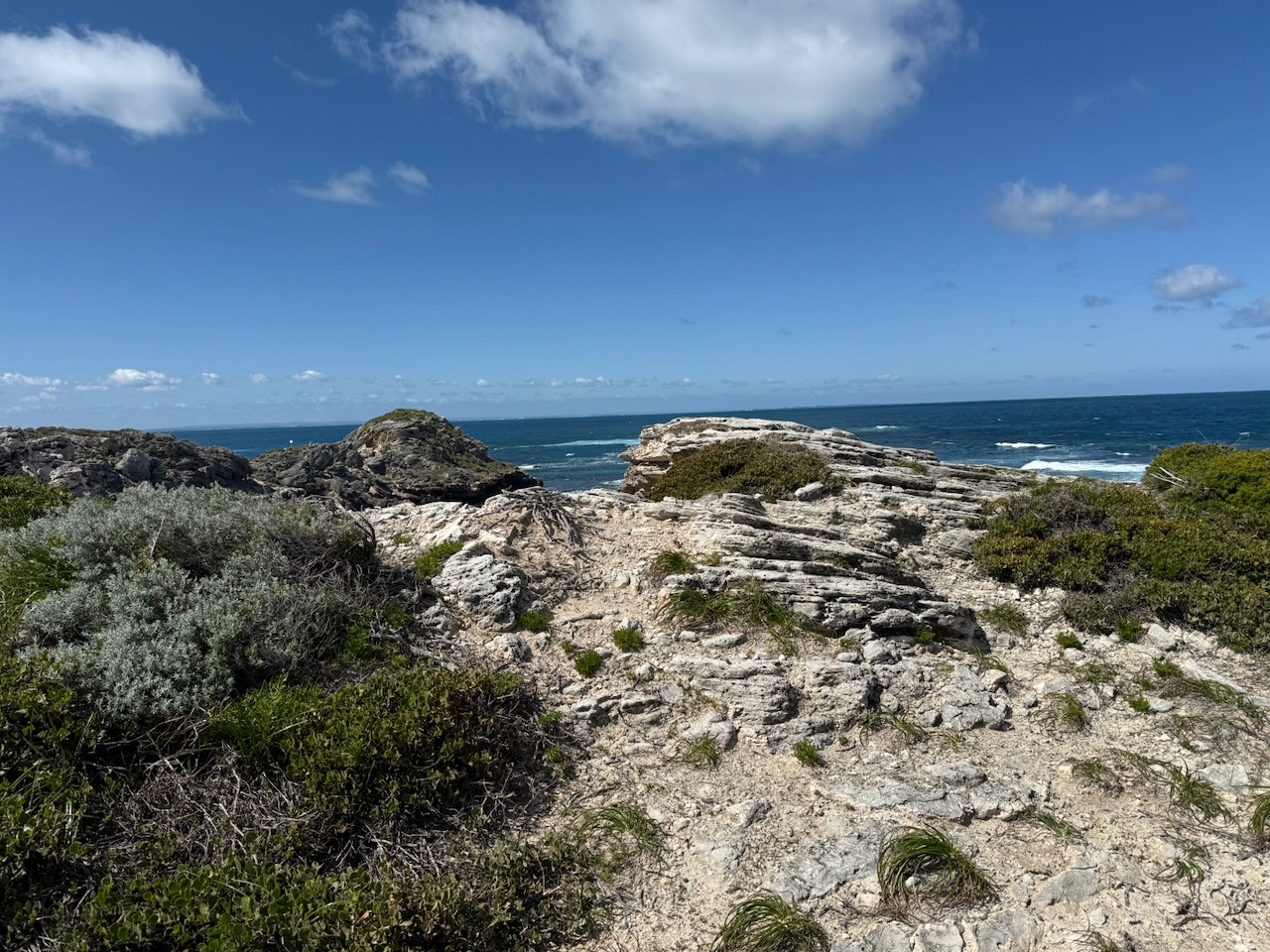
Eroded limestone headland and low shrubs in foreground, deep blue ocean in background, blue sky with some clouds on the horizon above
Eroded limestone headland and low shrubs in foreground, deep blue ocean in background, blue sky with some clouds on the horizon above
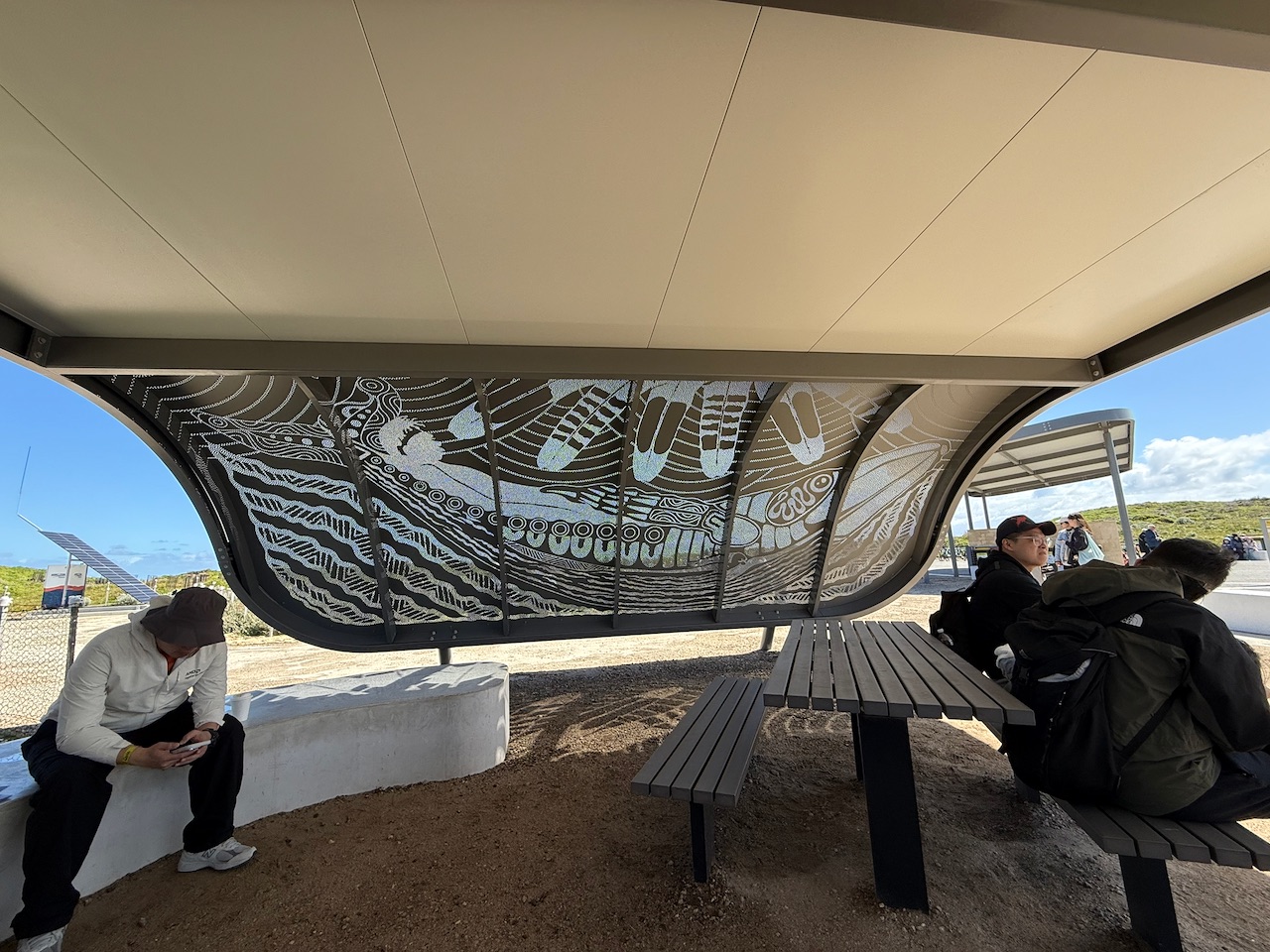
Pierced metal indigenous artwork on a visitor shade rest
Pierced metal indigenous artwork on a visitor shade rest
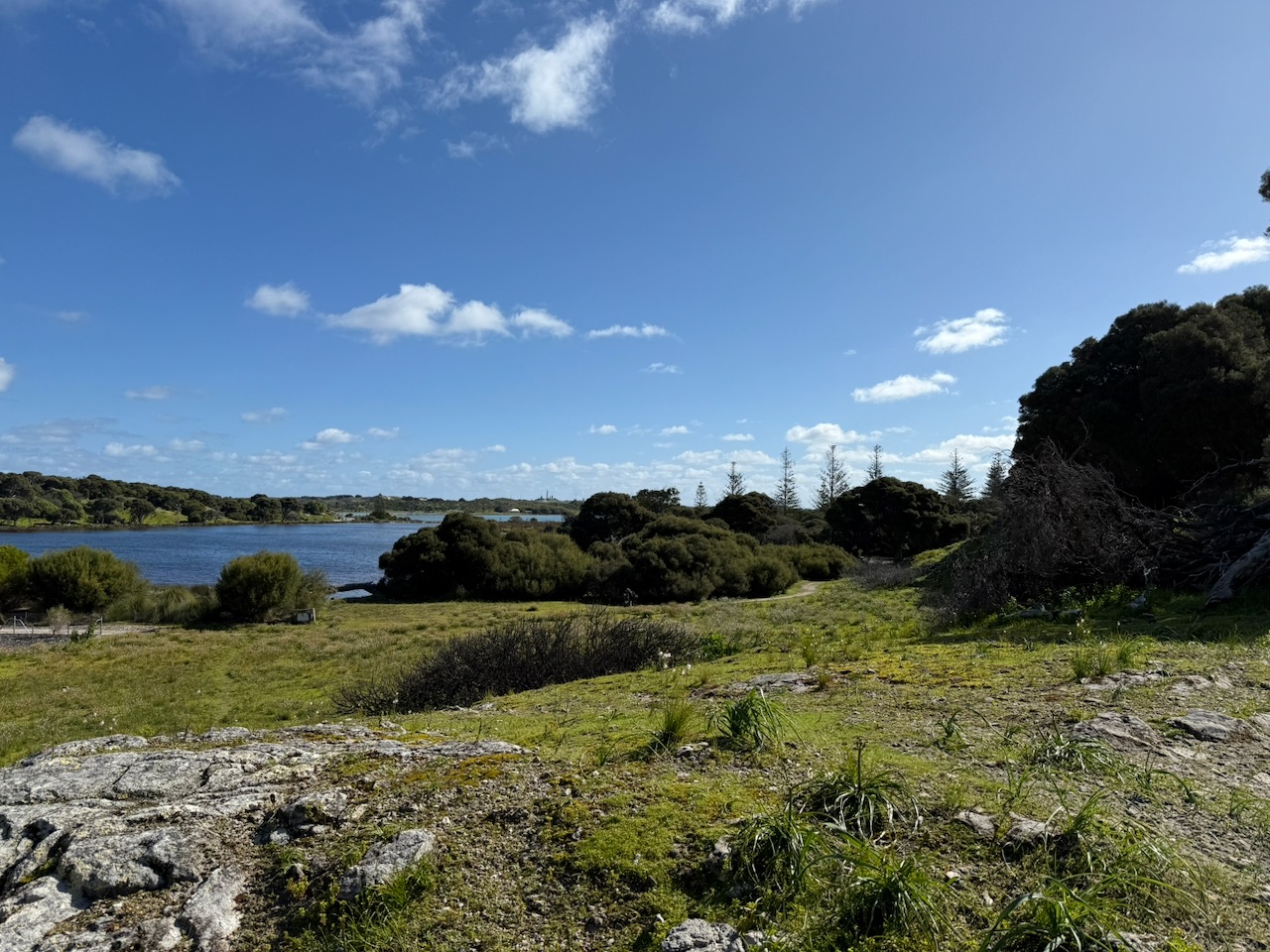
View across from the Settlement of Garden Lake, a permanent salt lake just behind the town, with the natural limestone visible in the foreground
View across from the Settlement of Garden Lake, a permanent salt lake just behind the town, with the natural limestone visible in the foreground
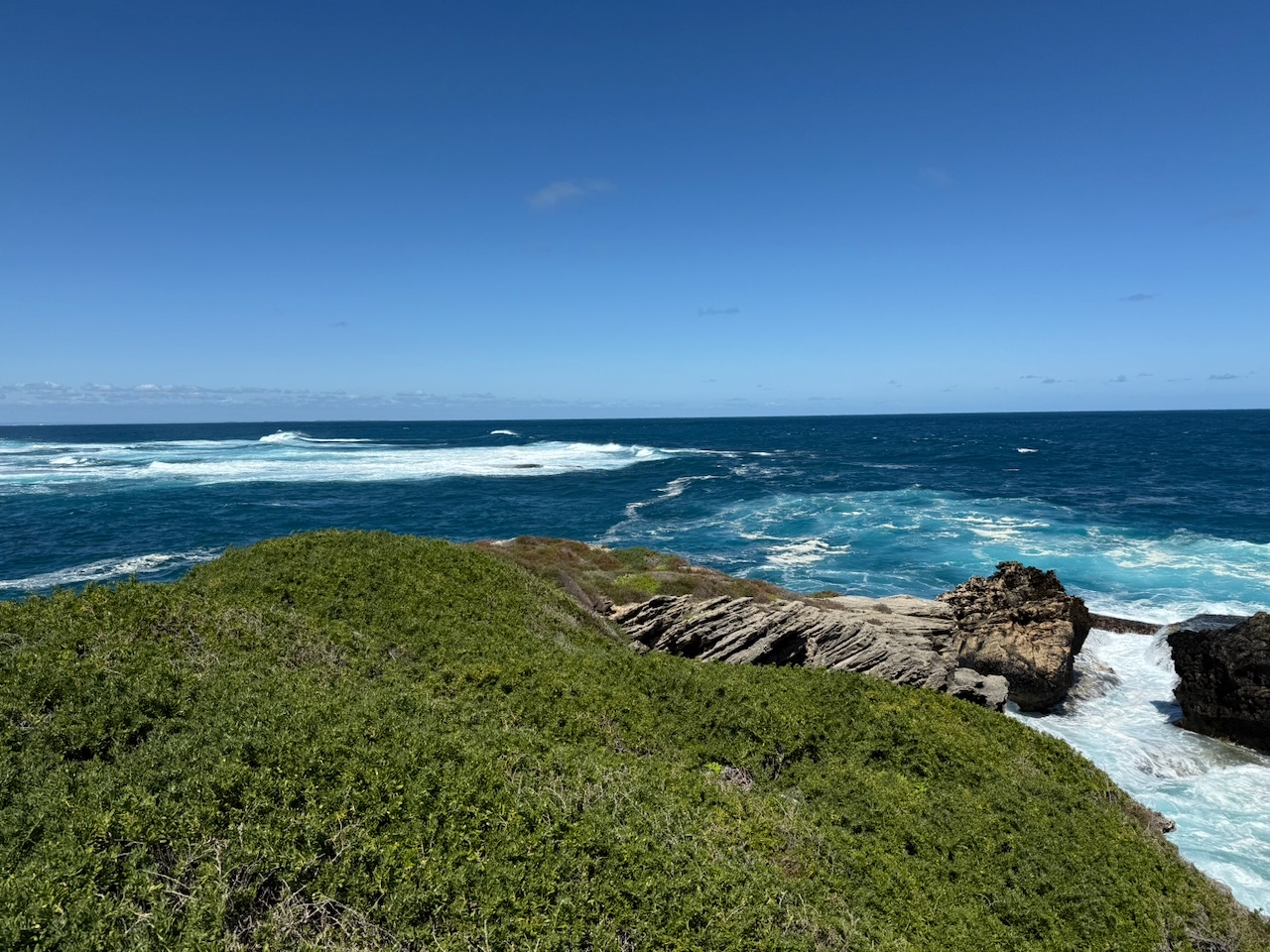
View of a turbulent blue Indian ocean, weathered limestone and foreshore vegetation under a blue sky at the western tip of the island
View of a turbulent blue Indian ocean, weathered limestone and foreshore vegetation under a blue sky at the western tip of the island
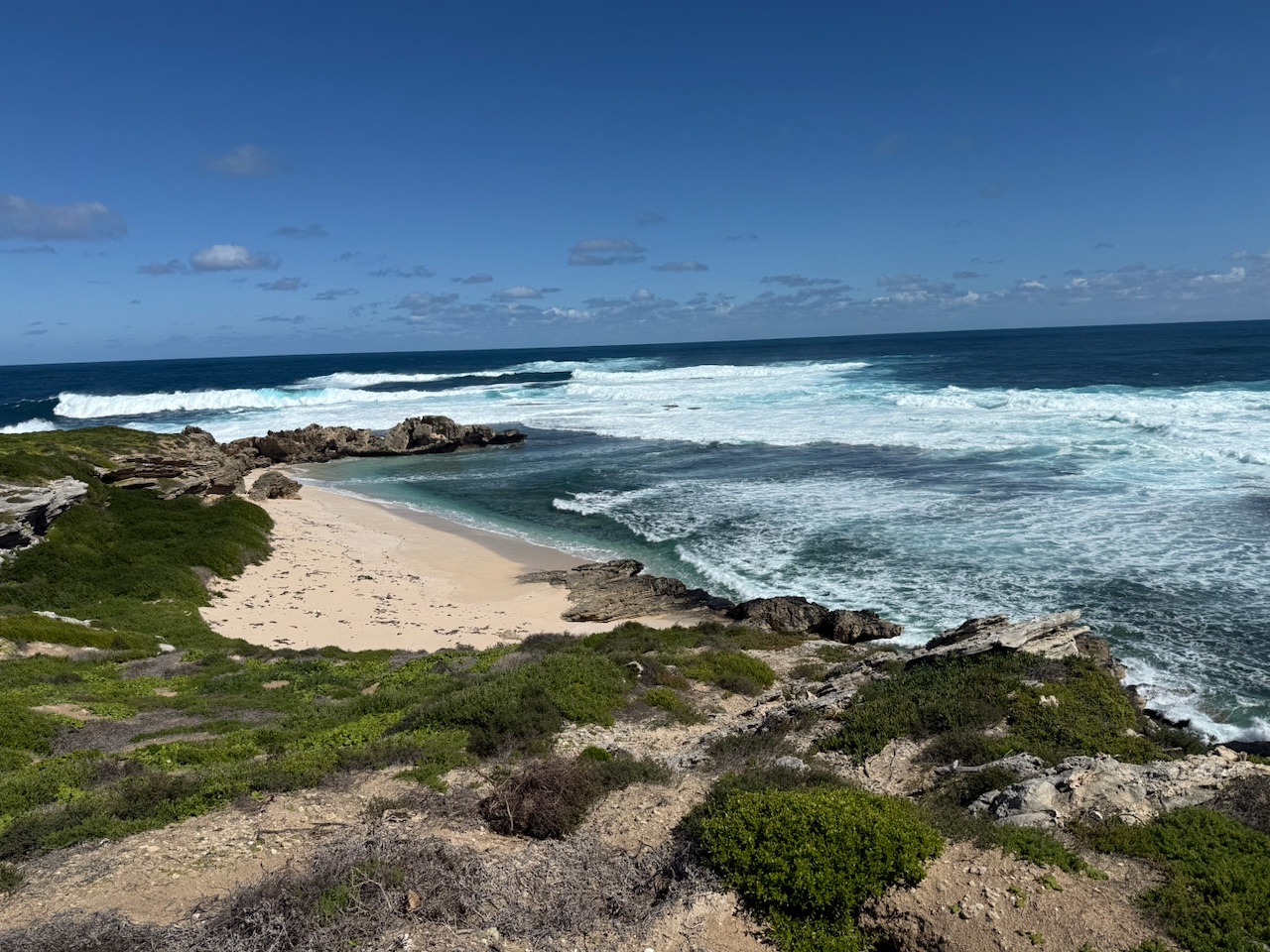
Waves on blue ocean, rocks jutting into the sea, forming a small sandy cove, edged by green vegetation
Waves on blue ocean, rocks jutting into the sea, forming a small sandy cove, edged by green vegetation
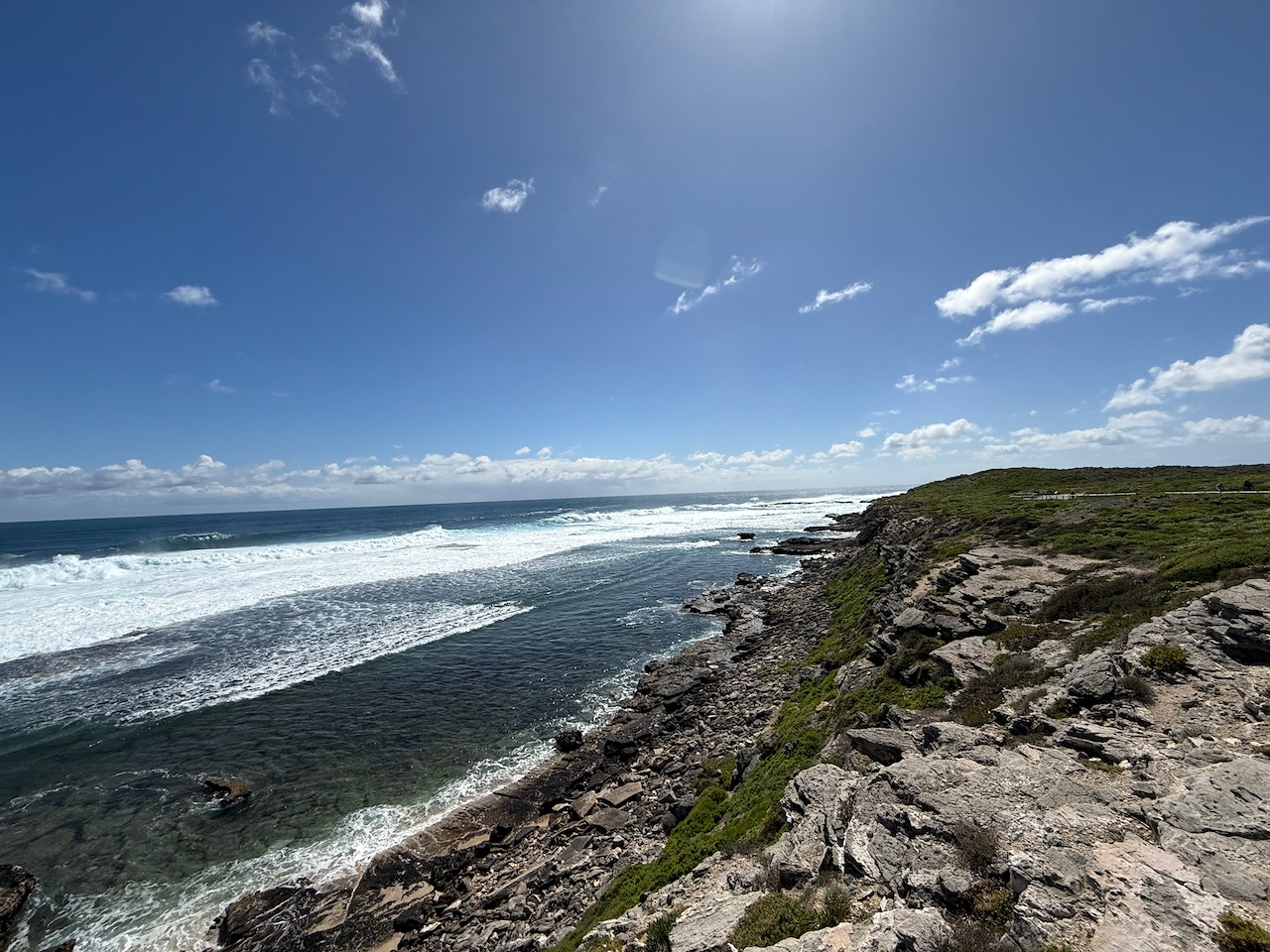
Waves on ocean under blue sky with clouds, rocky foreshore. In the shalllows, the patterns made in the algae growing on coral by buffalo bream are visible.
According to scientists Berry and Playford (1992) the brown algae or sargassum seaweed which forms these outlines is in effect a hedge maintained by the buffalo bream, Kyphosus cornelii. Individual fish of both sexes defend contiguous, polygonal territories that cover large areas of shallow limestone shoreline platforms.
Waves on ocean under blue sky with clouds, rocky foreshore. In the shalllows, the patterns made in the algae growing on coral by buffalo bream are visible.
According to scientists Berry and Playford (1992) the brown algae or sargassum seaweed which forms these outlines is in effect a hedge maintained by the buffalo bream, Kyphosus cornelii. Individual fish of both sexes defend contiguous, polygonal territories that cover large areas of shallow limestone shoreline platforms.
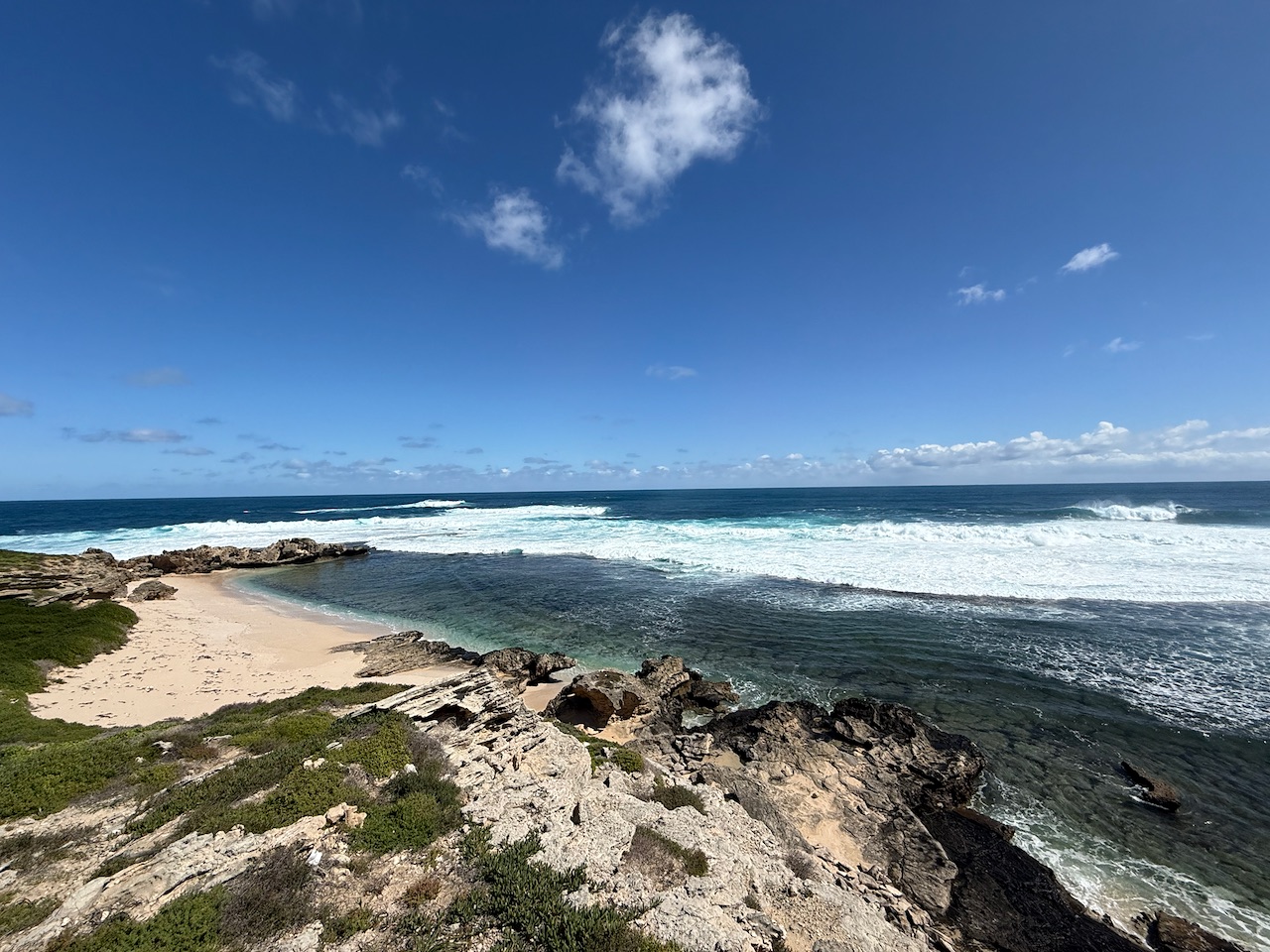
Limestone rock and sand, deep blue ocean and waves, coral visible under the water close to the beach. The patterns made in the algae growing on coral by buffalo bream are visible.
According to scientists Berry and Playford (1992) the brown algae or sargassum seaweed which forms these outlines is in effect a hedge maintained by the buffalo bream, Kyphosus cornelii. Individual fish of both sexes defend contiguous, polygonal territories that cover large areas of shallow limestone shoreline platforms.
Limestone rock and sand, deep blue ocean and waves, coral visible under the water close to the beach. The patterns made in the algae growing on coral by buffalo bream are visible.
According to scientists Berry and Playford (1992) the brown algae or sargassum seaweed which forms these outlines is a hedge maintained by the buffalo bream, Kyphosus cornelii. Individual fish of both sexes defend contiguous, polygonal territories that cover large areas of shallow limestone shoreline platforms.
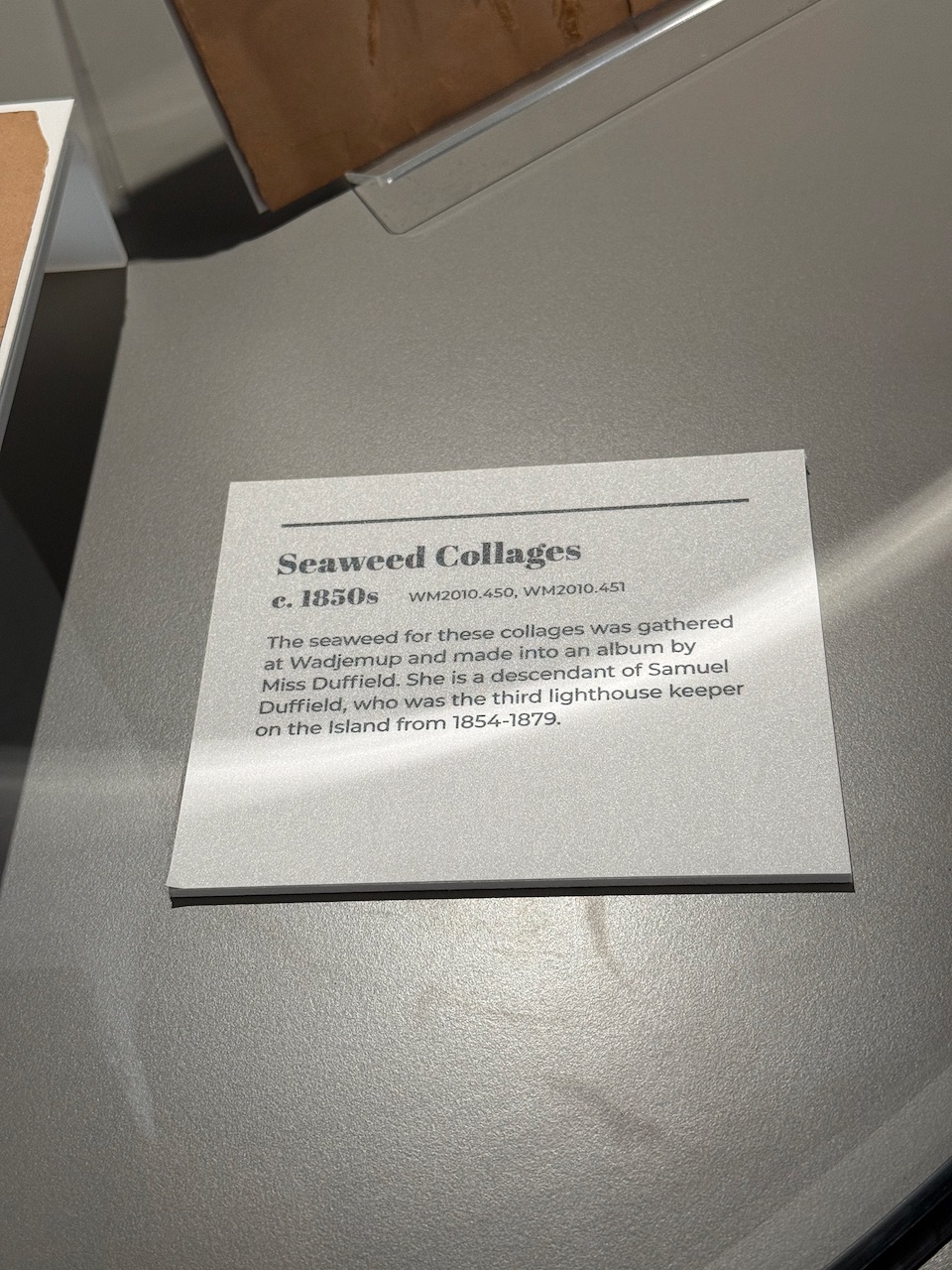
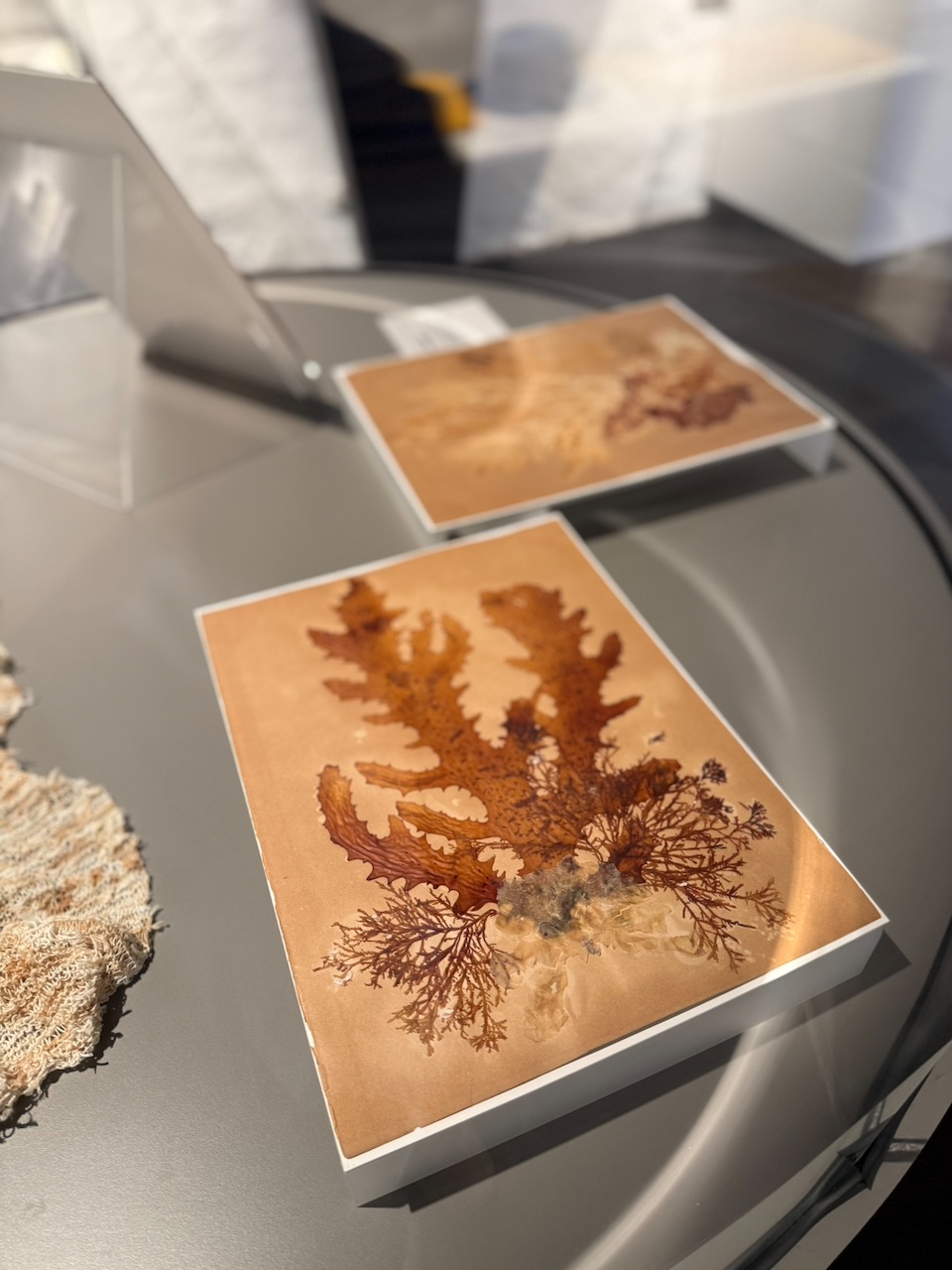
Information sign at the local museum reading: “Seaweed Collages
c. 1850S WM2010.450, WM2010.451
The seaweed for these collages was gathered at Wadjemup and made into an album by Miss Duffield. She is a descendant of Samuel Duffield, who was the third lighthouse keeper on the Island from 1854-1879.”
Information sign at the local museum reading: “Seaweed Collages
c. 1850S WM2010.450, WM2010.451
The seaweed for these collages was gathered at Wadjemup and made into an album by Miss Duffield. She is a descendant of Samuel Duffield, who was the third lighthouse keeper on the Island from 1854-1879.”
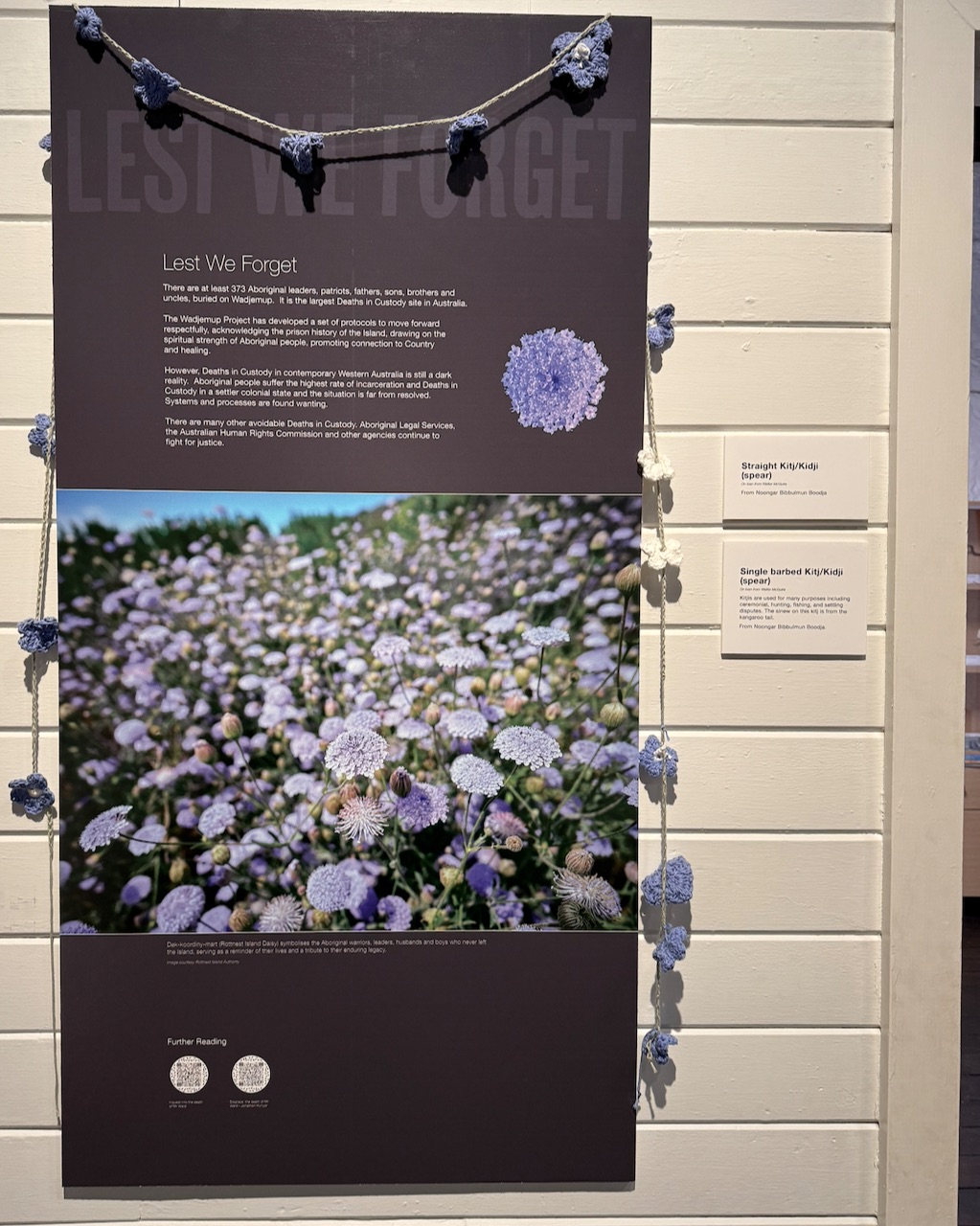
Art work poster at Wadjemup Museum, hung with crocheted lavender-coloured Rottnest Island Daisies to represent the boys and men who never left the island. Text says: ”
Lest We Forget
There are at least 373 Aboriginal leaders, patriots, fathers, sons, brothers and uncles, buried on Wadjemup. It is the largest Deaths in Custody site in Australia.
The Wadjemup Project has developed a set of protocols to move forward respectfully, acknowledging the prison history of the Island, drawing on the spiritual strength of Aboriginal people, promoting connection to Country and healing.
However, Deaths in Custody in contemporary Western Australia is still a dark reality. Aboriginal people suffer the highest rate of incarceration and Deaths in Custody in a settler colonial state and the situation is far from resolved.
Systems and processes are found wanting.
There are many other avoidable Deaths in Custody. Aboriginal Legal Services, the Australian Human Rights Commission and other agencies continue to fight for justice”
Art work poster at Wadjemup Museum, hung with crocheted lavender-coloured Rottnest Island Daisies to represent the boys and men who never left the island. Text says: ”
Lest We Forget
There are at least 373 Aboriginal leaders, patriots, fathers, sons, brothers and uncles, buried on Wadjemup. It is the largest Deaths in Custody site in Australia.
The Wadjemup Project has developed a set of protocols to move forward respectfully, acknowledging the prison history of the Island, drawing on the spiritual strength of Aboriginal people, promoting connection to Country and healing.
However, Deaths in Custody in contemporary Western Australia is still a dark reality. Aboriginal people suffer the highest rate of incarceration and Deaths in Custody in a settler colonial state and the situation is far from resolved.
Systems and processes are found wanting.
There are many other avoidable Deaths in Custody. Aboriginal Legal Services, the Australian Human Rights Commission and other agencies continue to fight for justice”
A bike rack on the ferry jerry looking across Thomson Bay, which is calm and sunlit, though there are growing clouds. Barely visible in the distance is the island’s second lighthouse, Bathurst Lighthouse, on Bathurst Point.
A bike rack on the ferry jerry looking across Thomson Bay, which is calm and sunlit, though there are growing clouds. Barely visible in the distance is the island’s second lighthouse, Bathurst Lighthouse, on Bathurst Point.
Dark coral and sand under clear blue sea water, and blue sky with a few clouds
Dark coral and sand under clear blue sea water, and blue sky with a few clouds
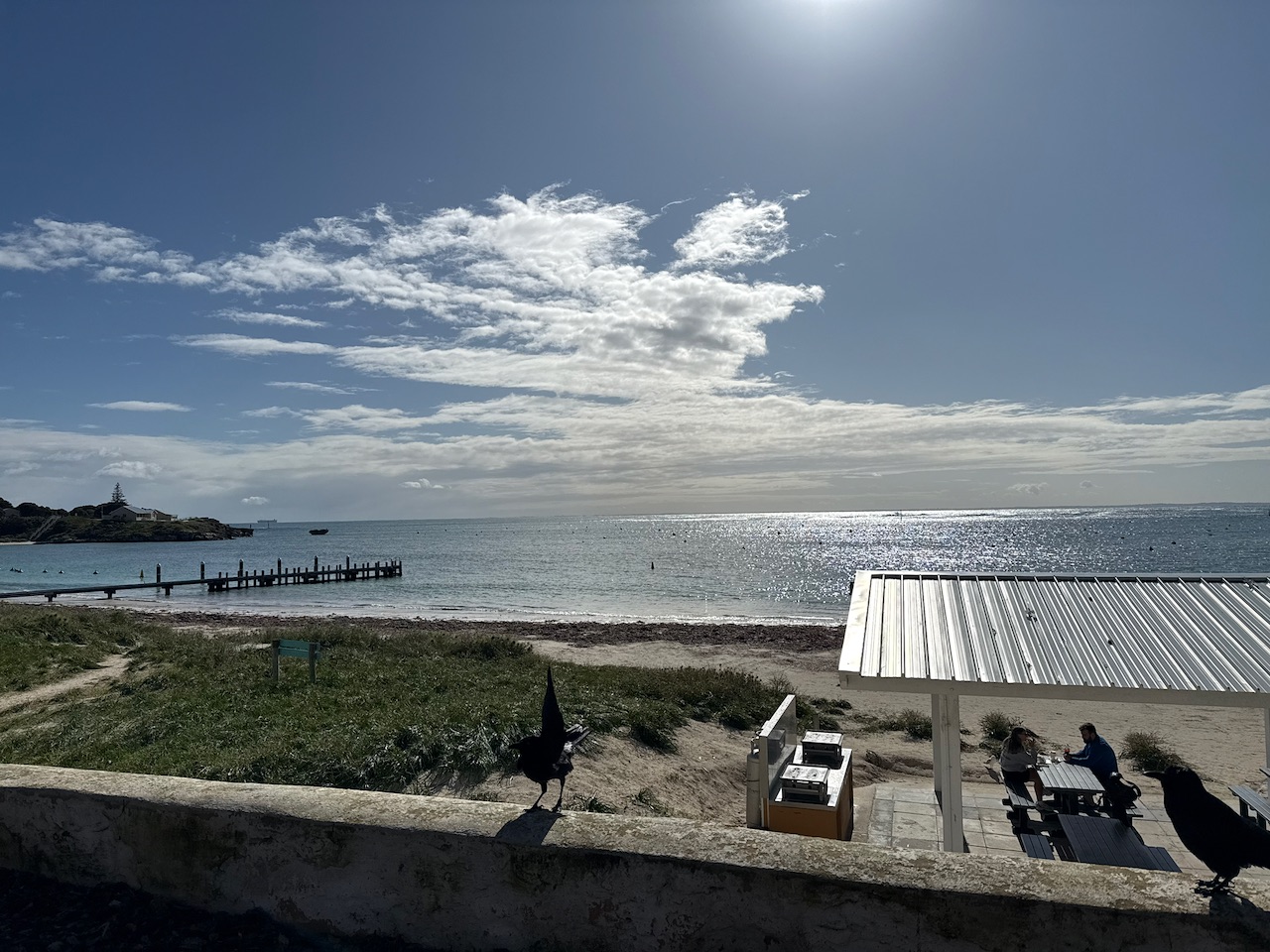
Thomson Bay from a vantage point above the beach looking left to Bathurst Point. The location of the main port for the island. Mooring for small vessels protrudes into the ocean on the left, and a picnic shelter is on the right. Beyond that shelter on the right, out of frame, is the large ferry jetty. Two crows are visible on a concrete barrier in the foreground. Dark clouds are visible on the horizon, but going away from the island towards the mainland.
Thomson Bay from a vantage point above the beach looking left to Bathurst Point. The location of the main port for the island. Mooring for small vessels protrudes into the ocean on the left, and a picnic shelter is on the right. Beyond that shelter on the right, out of frame, is the large ferry jetty. Two crows are visible on a concrete barrier in the foreground. Dark clouds are visible on the horizon, but going away from the island towards the mainland.
Rainbow in stormy skies above the marina and boats at Hillary’s Boat Harbour
Rainbow in stormy skies above the marina and boats at Hillary’s Boat Harbour
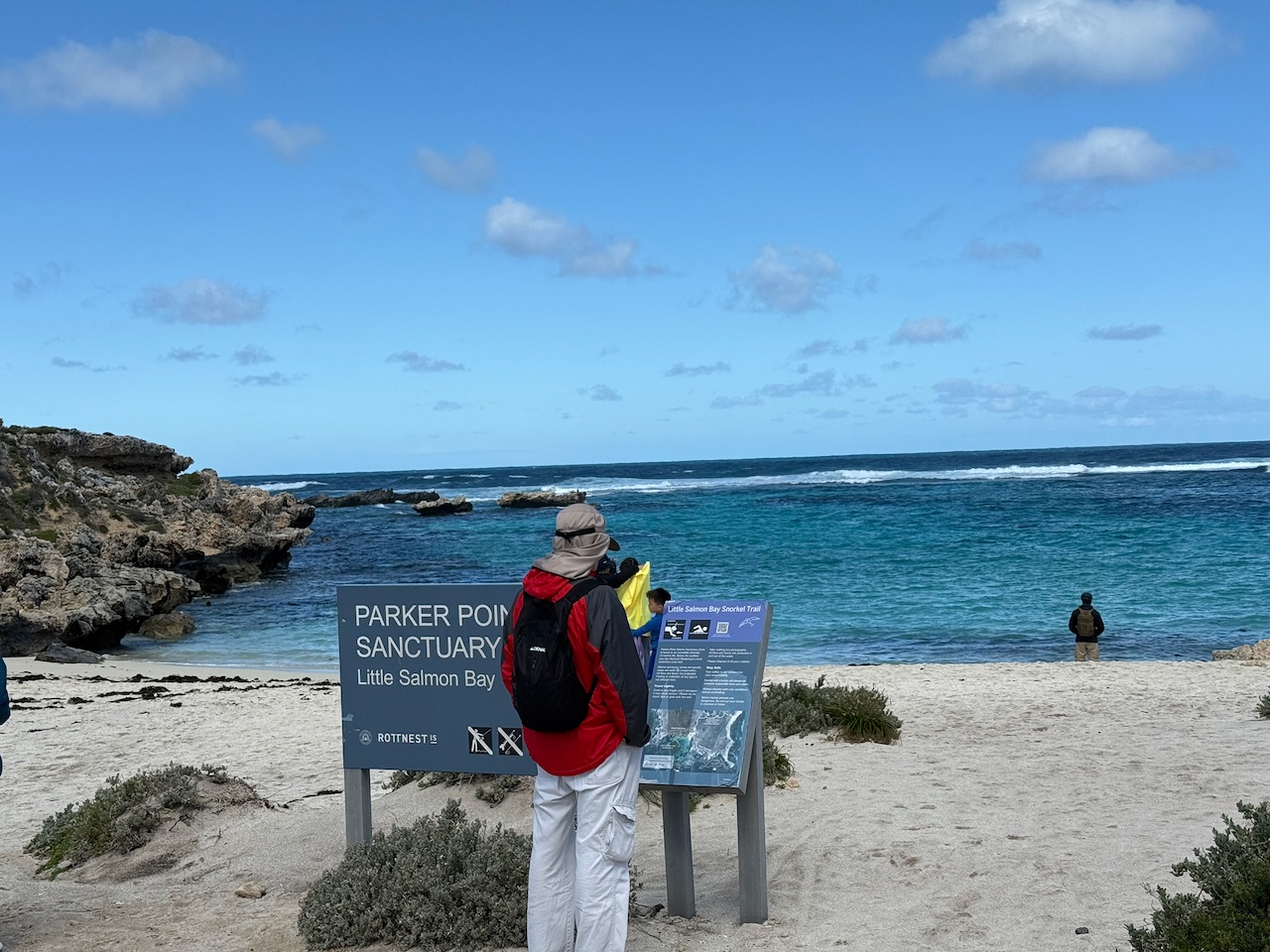
Doug, wearing a red coat, hat and backpack, reads an information sign in front of Little Salmon Bay at Parker Point
Doug, wearing a red coat, hat and backpack, reads an information sign in front of Little Salmon Bay at Parker Point
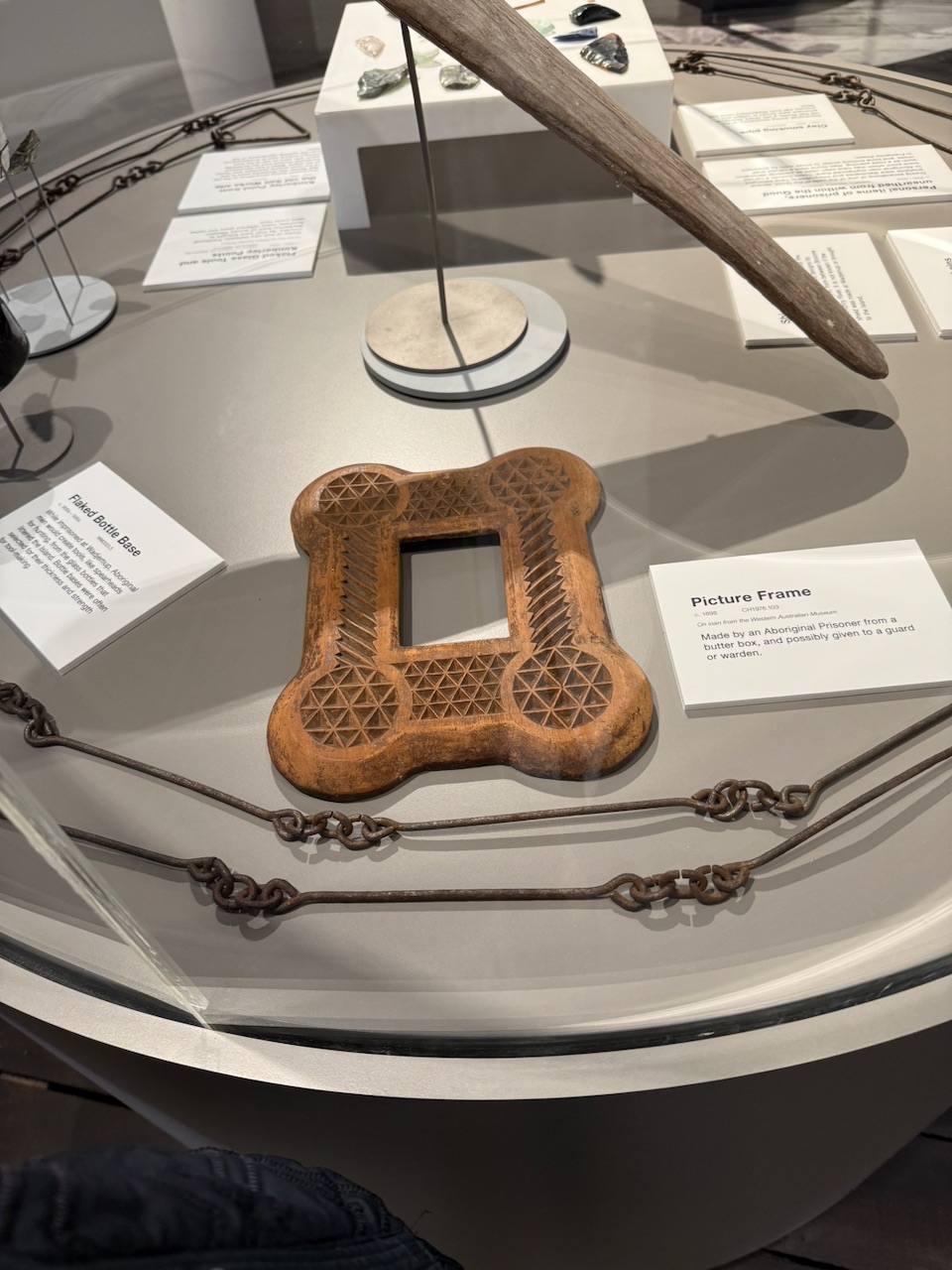
At the museum, “Picture Frame
c. 1898
CH1976.103
On loan from the Western Australian Museum
Made by an Aboriginal Prisoner from a butter box, and possibly given to a guard or warden.”
At the museum, “Picture Frame
c. 1898
CH1976.103
On loan from the Western Australian Museum
Made by an Aboriginal Prisoner from a butter box, and possibly given to a guard or warden.”
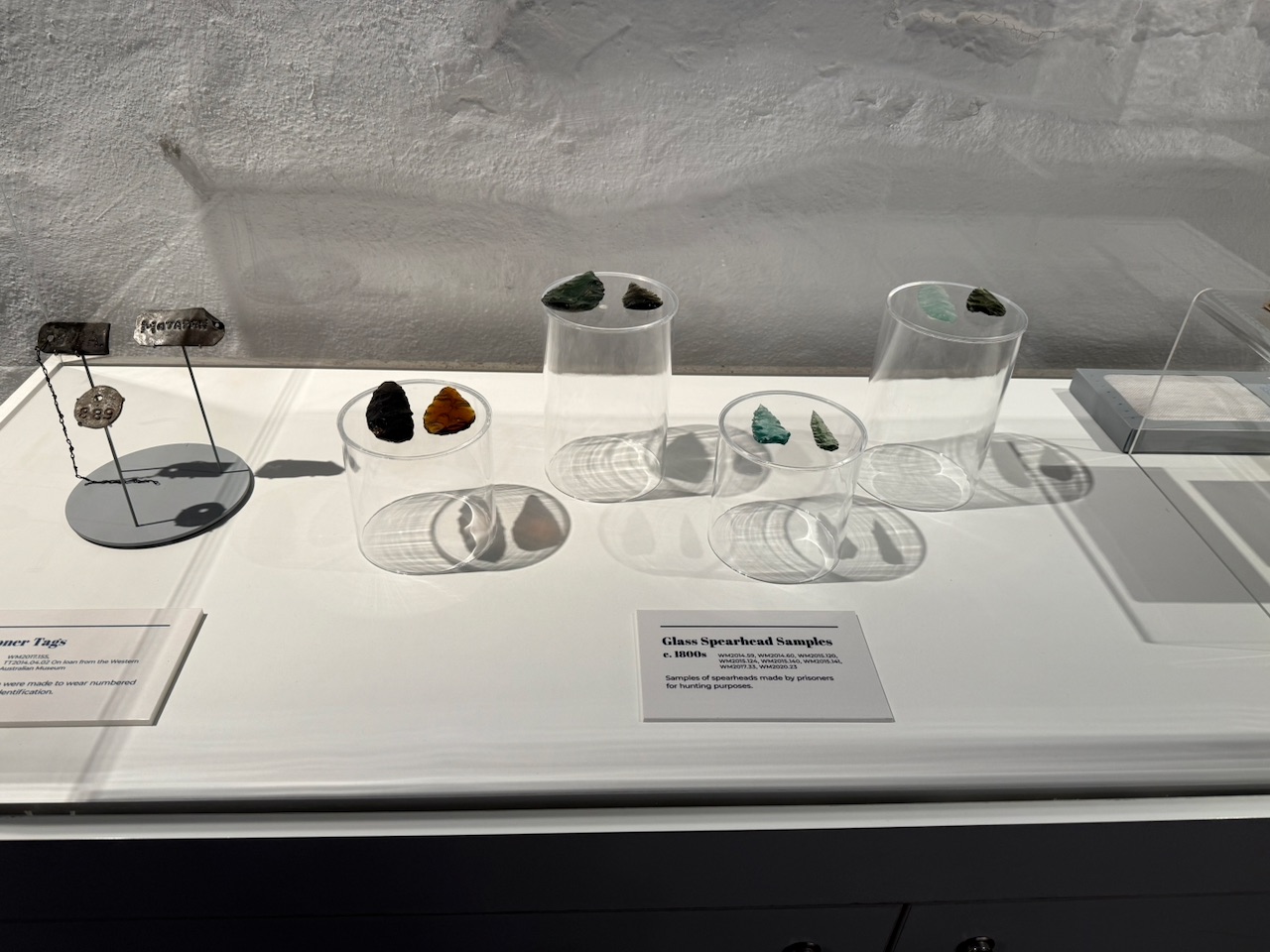
Museum display case showing samples of glass spearheads made by prisoners during the 1800s.
Museum display case showing samples of glass spearheads made by prisoners during the 1800s.
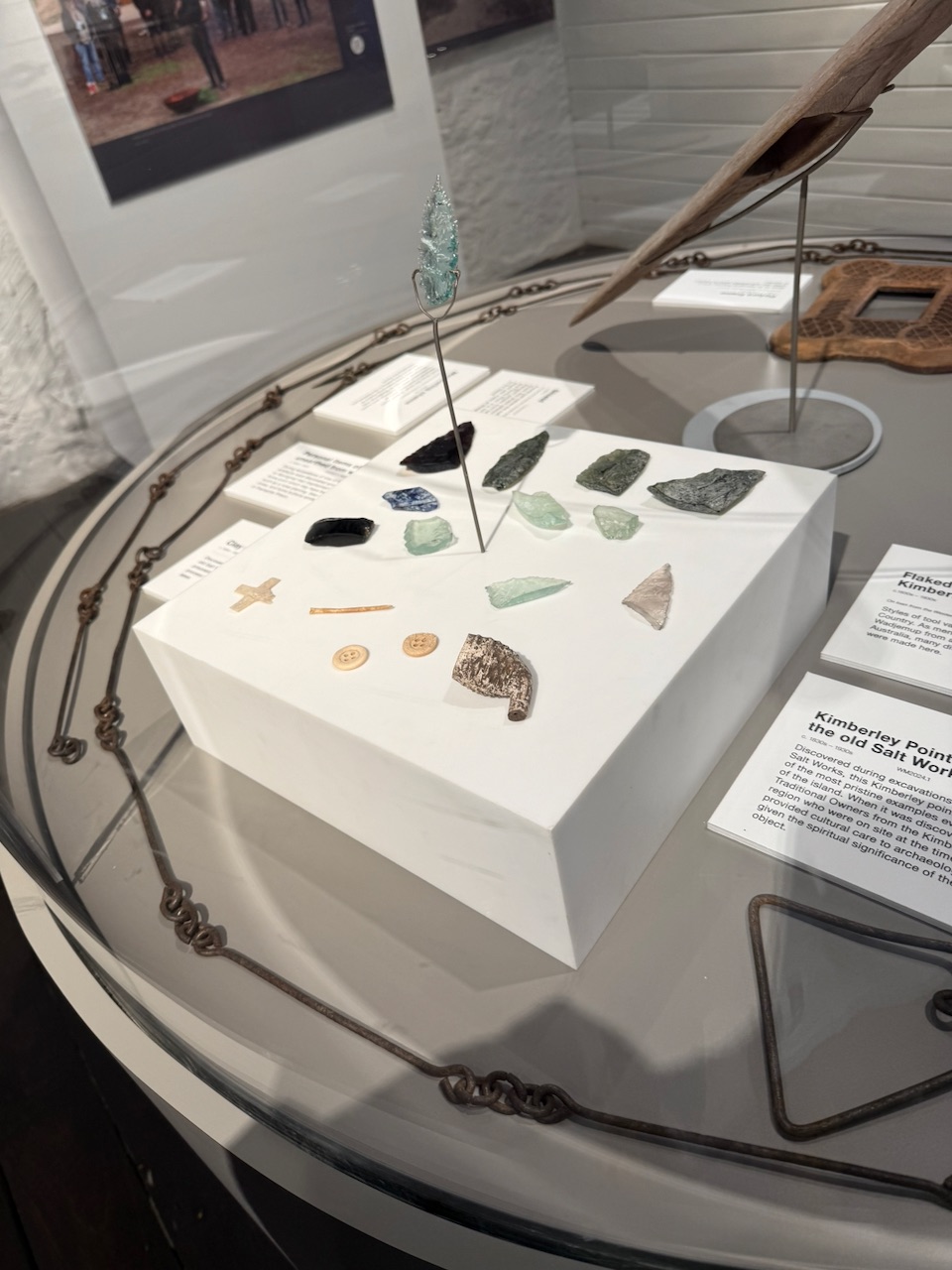
Glass display case in the museum showing glass spear heads, part of a clay pipe, a button and other artefacts from the time of the island’s use as a prison
Glass display case in the museum showing glass spear heads, part of a clay pipe, a button and other artefacts from the time of the island’s use as a prison
Dried seaweed on card, created by a lighthouse keeper’s daughter during the mid-nineteenth century
Dried seaweed on card, created by a lighthouse keeper’s daughter during the mid-nineteenth century
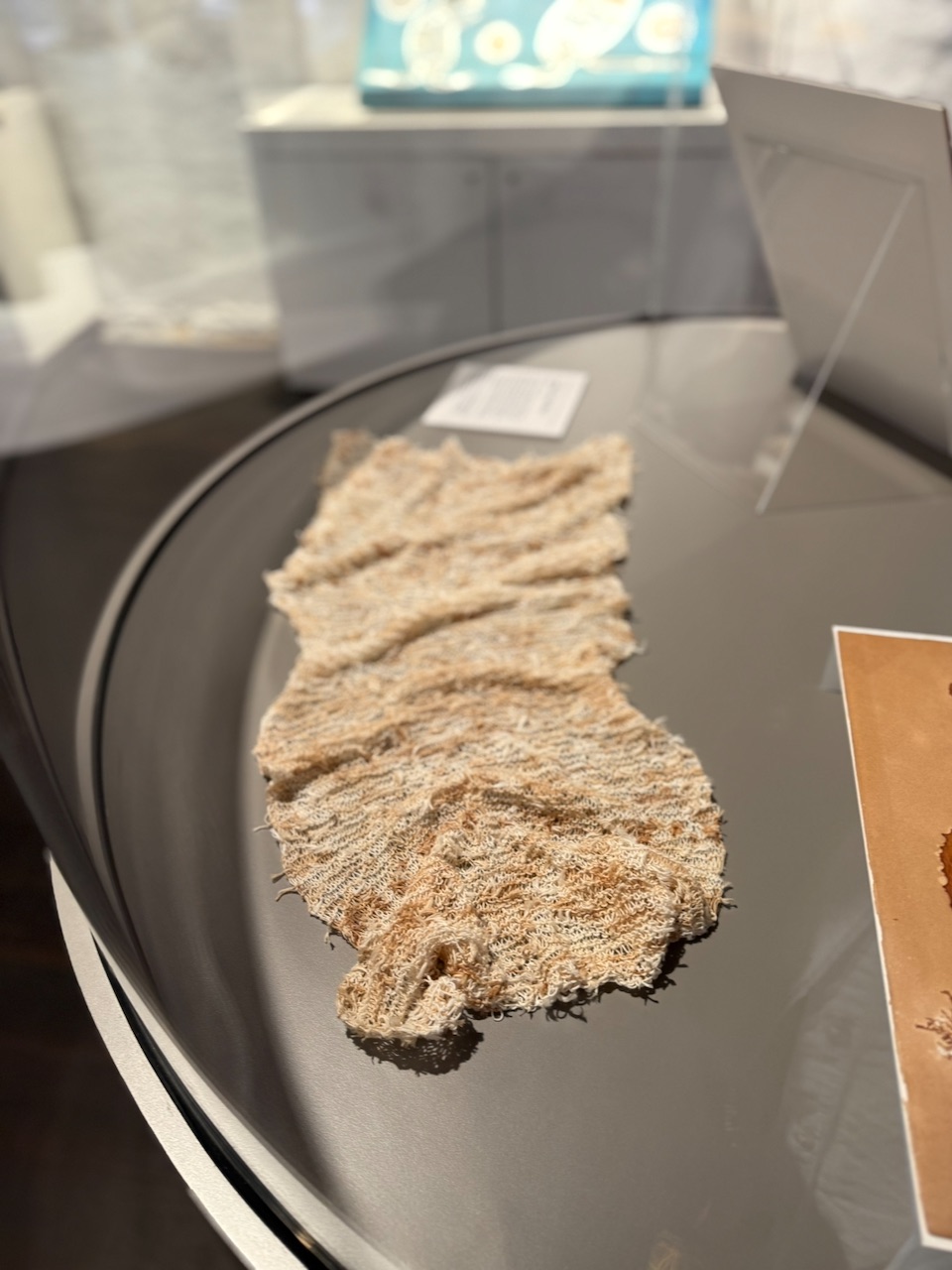
Exhibit at the museum showing a piece of cloth made from seaweed
Exhibit at the museum showing a piece of cloth made from seaweed
2 thoughts on “Rottnest Island”
Wadjemup is such a lively, appealing name – it was definitely not an improvement to call it Rottnest…
Quokkas! So adorable! Sometimes those of us who don’t feed the wildlife benefit from the people who do, like me with the sixgill shark and the ground squirrels…
The ocean looks so inviting, makes me want to jump in. As long as you can avoid those stunning limestone formations. Love the one with the arch.
Always nice to get a shot of a rainbow – good thing you managed to dodge the storm though.








Wadjemup is such a lively, appealing name – it was definitely not an improvement to call it Rottnest…
Quokkas! So adorable! Sometimes those of us who don’t feed the wildlife benefit from the people who do, like me with the sixgill shark and the ground squirrels…
The ocean looks so inviting, makes me want to jump in. As long as you can avoid those stunning limestone formations. Love the one with the arch.
Always nice to get a shot of a rainbow – good thing you managed to dodge the storm though.
“good thing you managed to dodge the storm though.”
We didn’t. In the post coming today 🙂
You need to come over and dive there. The water and the fish and everything else are just gorgeous